


Ryobi Routing

Ryobi Routing covers the cutters, guides and routing kit you need for trimming edges, cutting grooves and shaping timber cleanly with Ryobi tools.

If you're cleaning up laminate edges, dropping grooves into sheet material or putting a neat profile on joinery, this is the gear that makes the router earn its keep. Ryobi Routing UK options suit regular home improvement jobs, site fixes and workshop tasks where a rough cut will not do. Buy the accessory to match the timber, cut depth and finish you need, and you'll save yourself burnt edges, chatter and wasted boards.

What Are Ryobi Routing Used For?

  • Trimming laminate, veneered boards and worktops is where Ryobi Routing accessories come into their own, giving you a cleaner finished edge without tearing the face to bits.
  • Cutting grooves and channels in timber or sheet material helps when you are fitting panels, back boards or simple jointing details in home improvement and workshop jobs.
  • Profiling exposed timber edges on shelves, counters and trim saves hand finishing time and gives a repeatable shape across the whole run.
  • Following templates or guides for repeat cuts makes life easier when you are producing matching pieces and do not want each one wandering off line.
  • Cleaning up joinery details after rough cutting is a practical use for Ryobi accessories when the saw has got you close but the finish still needs sorting.

Choosing the Right Ryobi Routing

Sorting the right setup is simple: match the cutter and accessory to the cut you need, not just what happens to be cheapest.

1. Edge Work or Groove Cutting

If you are just easing or profiling an exposed edge, pick the right edge-forming cutter and keep it simple. If you need housings, rebates or channels, go for straight cutting accessories sized to the job so you are not forcing a narrow cutter to do a wide slot.

2. Finish of the Material

If you are working on softwood for rough utility jobs, most standard cutters will cope. If you are on laminate, veneered board or finished hardwood, buy for a cleaner cut and slower, steadier passes or you will mark the face and ruin the finish.

3. Guided or Freehand Work

If you need repeatable results across several pieces, use guides or template-following accessories rather than trying to freehand every pass. It is quicker, straighter and saves wasting timber when you are batch cutting.

4. Cordless Platform Planning

If your router runs on Ryobi 18V ONE+, check what else you already own before buying into more kit. Keeping your tools, cutters and power setup organised around one system makes more sense than mixing platforms for no reason.

Who Uses These?

  • Chippies and kitchen fitters use Ryobi Routing kit for trimming worktops, easing edges and cutting neat grooves where a hand tool finish would take too long.
  • Joiners and workshop users swear by these accessories when they need repeatable profiles on shelves, doors and trim without burning through material.
  • Maintenance teams reach for them when tidying repairs, recessing small sections or matching an existing edge detail on snagging jobs.
  • DIY users and renovators buy Ryobi Routing UK accessories because they already run Ryobi cordless tools and want routing kit that suits regular home improvement tools and smaller timber jobs.

The Basics: Understanding Ryobi Routing

Routing is straightforward once you break it down. The accessory you fit decides the shape of the cut, and the way you guide the router decides how clean and accurate the result is.

1. Cutters Shape the Timber

A straight cutter removes material for grooves, housings and rebates. A profiling cutter shapes the edge. Pick the wrong one and the router will still cut, but it will not give you the finish or fit the job needs.

2. Guides Keep the Cut True

Guides, fences and template-following accessories stop the router drifting. That matters on long edge runs, repeated parts and finished boards where one wobble is there for everyone to see.

3. Light Passes Beat One Deep Hit

For most routing jobs, several shallow passes give a cleaner cut and put less strain on the tool and accessory. That means less tear-out, less burning and less chance of snatching the workpiece.

Routing Accessories That Save Time on the Bench

A few proper add-ons make routing cleaner, safer and far less frustrating when you are trying to keep cuts accurate.

1. Guide Fences and Edge Guides

These stop you trying to track a straight line by eye and ruining a worktop or shelf edge halfway through the pass. If you are running grooves or rebates, a guide is the difference between tidy and scrap.

2. Template Guides

When you need repeat cuts, these save the usual nightmare of every piece ending up slightly different. They are worth having for hinges, matching panels and repeated workshop work.

3. Spare Cutters and Replacement Accessories

A blunt cutter burns timber, leaves a rough edge and makes the router work harder than it should. Keep replacement accessories on hand so you are not forcing a worn bit through a finish job.

Choose the Right Ryobi Routing for the Job

Use this quick guide to match the accessory type to the cut you are actually making.

Your Job Ryobi Routing Type Key Features
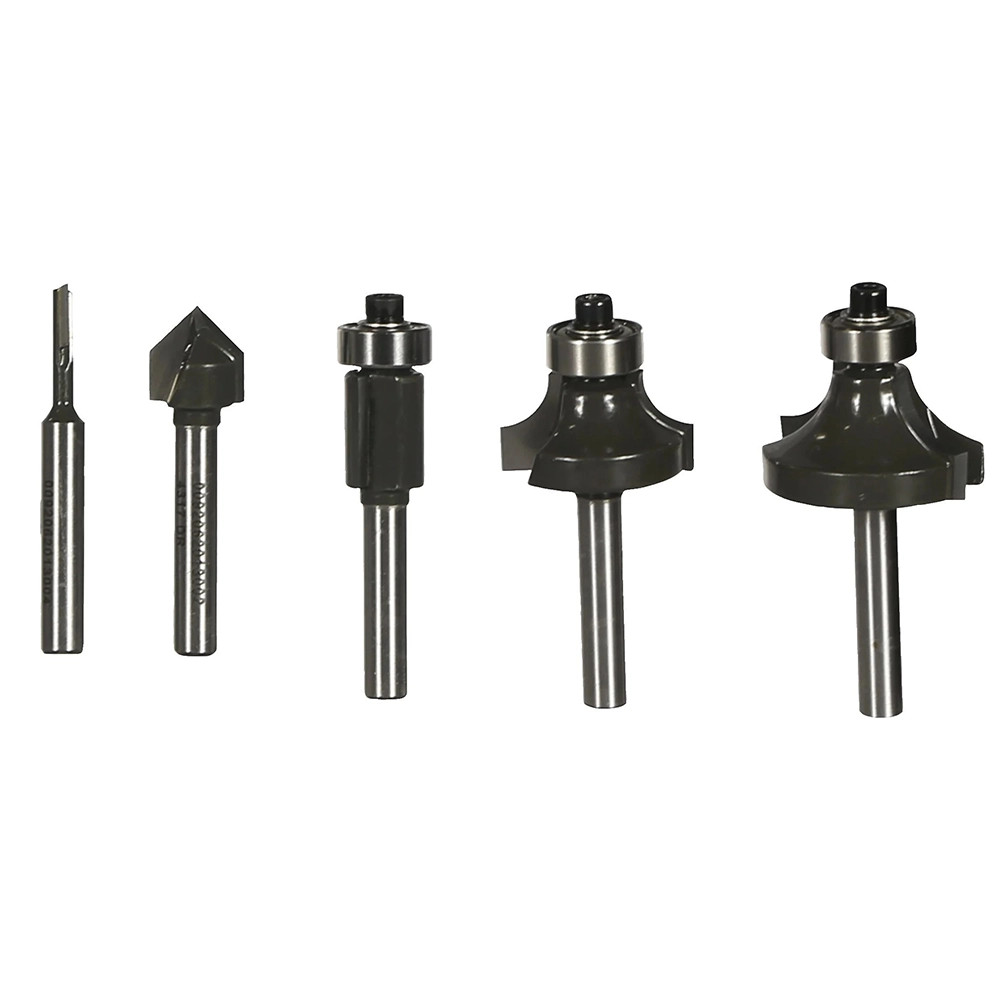
Trimming laminate or worktop edges Edge trimming cutters Clean edge finish, controlled passes, better results on faced boards
Cutting grooves in timber or MDF Straight cutters Accurate channel cutting, good for housings, rebates and panel work
Adding a decorative profile to shelves or trim Profiling cutters Consistent shaped edges, quicker finishing, repeatable joinery detail
Repeating the same cut across several pieces Template guides and guided accessories Better consistency, less drift, useful for batch work and fittings
General repair or snagging work Mixed tool accessories and replacement accessories Flexible setup, handy for one-off cuts, practical for van stock

Common Buying and Usage Mistakes

  • Buying on diameter alone is a common mistake. You need to match the accessory to the cut type and material as well, or the finish will be poor and the job takes longer.
  • Trying to remove too much material in one pass usually ends in burning, chatter or a snatched cut. Take lighter passes and the accessory will cut cleaner and last longer.
  • Using a blunt cutter because it still spins is false economy. Once it starts scorching timber or tearing the face, change it out before you ruin a finished board.
  • Skipping guides on repeat work wastes time. What feels quicker at the start usually leaves you with mismatched parts and more fettling than the guide would have needed.
  • Forgetting the wider setup is another one. If your cordless router is part of a system, keep batteries, chargers and backup power sorted so the job does not stop halfway through a run.

Straight Cutters vs Edge Cutters vs Template Guides

Straight Cutters

These are the ones for grooves, housings, rebates and general material removal. Buy these if the job is about cutting into the board rather than shaping the edge.

Edge Cutters

Best when the timber is staying visible and you want a neat finished edge. They are not the tool for deep channel cutting, but they save loads of sanding and tidying on trim work.

Template Guides

These do not shape the timber on their own, but they control the cut and keep repeated work consistent. If you are producing several matching parts, they are worth their weight.

Maintenance and Care

Clean Resin and Dust Off After Use

Routing accessories pick up resin, glue and fine dust quickly. Clean them down after the job so they keep cutting properly and do not run hot next time out.

Check the Cutting Edge

If the edge looks chipped, scorched or rounded off, stop using it on finish work. A tired cutter will mark the timber and put extra strain on the router.

Store Them So They Do Not Knock Together

Loose cutters rattling around in a box get damaged fast. Keep them separated in a case or organiser so the cutting edges stay sharp and usable.

Replace Worn Accessories Early

Do not try to stretch a tired accessory through one more job. Replacement accessories cost less than remaking damaged panels or trim.

Keep the Power Side Ready

If you are running cordless, keep an eye on your battery rotation and charger setup. Dead packs in the middle of a run slow the whole job down, so keep Batteries Chargers and Mounts sorted.

Why Shop for Ryobi Routing at ITS?

Whether you need single cutters, replacement accessories or wider Power Tool Accessories for workshop and site jobs, we stock the proper Ryobi range in depth. You will find routing kit, matching Ryobi gear and the everyday bits that keep your setup working, all in our own warehouse and ready for next day delivery.

Ryobi Routing FAQs

What are Ryobi Routing used for?

They are used for trimming edges, cutting grooves, shaping timber and tidying joinery details. In plain terms, they help your router do cleaner, more accurate work on shelves, worktops, trim and sheet material where a saw cut alone is not enough.

Are Ryobi Routing compatible with Ryobi batteries?

The routing accessories themselves do not take batteries. Battery compatibility matters with the router you fit them to. If you are already on the Ryobi cordless tools platform, check the tool spec first, especially if you are running other kit like Garden Power Tools on the same setup.

How do I choose the right ryobi routing?

Start with the cut, not the pack. For grooves and housings, use straight cutters. For visible edges, use profiling or trimming cutters. Then check the material you are cutting and whether you need guides for repeat work. That is what stops rough finishes and wasted boards.

Can Ryobi Routing be used for DIY and garden jobs?

Yes, for DIY timber work they make plenty of sense. They are well suited to shelves, storage, workshop projects and home improvement tools where you want a cleaner finish. For proper outdoor timber jobs, just make sure the cutter matches the material and do not treat routing accessories like rough demolition kit.

Will these give a clean finish on laminate and veneered boards?

Yes, if the cutter is sharp and you take steady, shallow passes. Rush it or use a tired cutter and you will chip the face. On finished boards, the accessory condition matters as much as the router itself.

Do I need guides, or can I just run the router by hand?

For one rough pass on hidden work, hand guiding might do. For shelves, worktops, repeated cuts or anything on show, use a guide. It is quicker in the long run and saves the usual wobble marks that need fixing after.

Read more

Ryobi Routing

Ryobi Routing covers the cutters, guides and routing kit you need for trimming edges, cutting grooves and shaping timber cleanly with Ryobi tools.

If you're cleaning up laminate edges, dropping grooves into sheet material or putting a neat profile on joinery, this is the gear that makes the router earn its keep. Ryobi Routing UK options suit regular home improvement jobs, site fixes and workshop tasks where a rough cut will not do. Buy the accessory to match the timber, cut depth and finish you need, and you'll save yourself burnt edges, chatter and wasted boards.

What Are Ryobi Routing Used For?

  • Trimming laminate, veneered boards and worktops is where Ryobi Routing accessories come into their own, giving you a cleaner finished edge without tearing the face to bits.
  • Cutting grooves and channels in timber or sheet material helps when you are fitting panels, back boards or simple jointing details in home improvement and workshop jobs.
  • Profiling exposed timber edges on shelves, counters and trim saves hand finishing time and gives a repeatable shape across the whole run.
  • Following templates or guides for repeat cuts makes life easier when you are producing matching pieces and do not want each one wandering off line.
  • Cleaning up joinery details after rough cutting is a practical use for Ryobi accessories when the saw has got you close but the finish still needs sorting.

Choosing the Right Ryobi Routing

Sorting the right setup is simple: match the cutter and accessory to the cut you need, not just what happens to be cheapest.

1. Edge Work or Groove Cutting

If you are just easing or profiling an exposed edge, pick the right edge-forming cutter and keep it simple. If you need housings, rebates or channels, go for straight cutting accessories sized to the job so you are not forcing a narrow cutter to do a wide slot.

2. Finish of the Material

If you are working on softwood for rough utility jobs, most standard cutters will cope. If you are on laminate, veneered board or finished hardwood, buy for a cleaner cut and slower, steadier passes or you will mark the face and ruin the finish.

3. Guided or Freehand Work

If you need repeatable results across several pieces, use guides or template-following accessories rather than trying to freehand every pass. It is quicker, straighter and saves wasting timber when you are batch cutting.

4. Cordless Platform Planning

If your router runs on Ryobi 18V ONE+, check what else you already own before buying into more kit. Keeping your tools, cutters and power setup organised around one system makes more sense than mixing platforms for no reason.

Who Uses These?

  • Chippies and kitchen fitters use Ryobi Routing kit for trimming worktops, easing edges and cutting neat grooves where a hand tool finish would take too long.
  • Joiners and workshop users swear by these accessories when they need repeatable profiles on shelves, doors and trim without burning through material.
  • Maintenance teams reach for them when tidying repairs, recessing small sections or matching an existing edge detail on snagging jobs.
  • DIY users and renovators buy Ryobi Routing UK accessories because they already run Ryobi cordless tools and want routing kit that suits regular home improvement tools and smaller timber jobs.

The Basics: Understanding Ryobi Routing

Routing is straightforward once you break it down. The accessory you fit decides the shape of the cut, and the way you guide the router decides how clean and accurate the result is.

1. Cutters Shape the Timber

A straight cutter removes material for grooves, housings and rebates. A profiling cutter shapes the edge. Pick the wrong one and the router will still cut, but it will not give you the finish or fit the job needs.

2. Guides Keep the Cut True

Guides, fences and template-following accessories stop the router drifting. That matters on long edge runs, repeated parts and finished boards where one wobble is there for everyone to see.

3. Light Passes Beat One Deep Hit

For most routing jobs, several shallow passes give a cleaner cut and put less strain on the tool and accessory. That means less tear-out, less burning and less chance of snatching the workpiece.

Routing Accessories That Save Time on the Bench

A few proper add-ons make routing cleaner, safer and far less frustrating when you are trying to keep cuts accurate.

1. Guide Fences and Edge Guides

These stop you trying to track a straight line by eye and ruining a worktop or shelf edge halfway through the pass. If you are running grooves or rebates, a guide is the difference between tidy and scrap.

2. Template Guides

When you need repeat cuts, these save the usual nightmare of every piece ending up slightly different. They are worth having for hinges, matching panels and repeated workshop work.

3. Spare Cutters and Replacement Accessories

A blunt cutter burns timber, leaves a rough edge and makes the router work harder than it should. Keep replacement accessories on hand so you are not forcing a worn bit through a finish job.

Choose the Right Ryobi Routing for the Job

Use this quick guide to match the accessory type to the cut you are actually making.

Your Job Ryobi Routing Type Key Features
Trimming laminate or worktop edges Edge trimming cutters Clean edge finish, controlled passes, better results on faced boards
Cutting grooves in timber or MDF Straight cutters Accurate channel cutting, good for housings, rebates and panel work
Adding a decorative profile to shelves or trim Profiling cutters Consistent shaped edges, quicker finishing, repeatable joinery detail
Repeating the same cut across several pieces Template guides and guided accessories Better consistency, less drift, useful for batch work and fittings
General repair or snagging work Mixed tool accessories and replacement accessories Flexible setup, handy for one-off cuts, practical for van stock

Common Buying and Usage Mistakes

  • Buying on diameter alone is a common mistake. You need to match the accessory to the cut type and material as well, or the finish will be poor and the job takes longer.
  • Trying to remove too much material in one pass usually ends in burning, chatter or a snatched cut. Take lighter passes and the accessory will cut cleaner and last longer.
  • Using a blunt cutter because it still spins is false economy. Once it starts scorching timber or tearing the face, change it out before you ruin a finished board.
  • Skipping guides on repeat work wastes time. What feels quicker at the start usually leaves you with mismatched parts and more fettling than the guide would have needed.
  • Forgetting the wider setup is another one. If your cordless router is part of a system, keep batteries, chargers and backup power sorted so the job does not stop halfway through a run.

Straight Cutters vs Edge Cutters vs Template Guides

Straight Cutters

These are the ones for grooves, housings, rebates and general material removal. Buy these if the job is about cutting into the board rather than shaping the edge.

Edge Cutters

Best when the timber is staying visible and you want a neat finished edge. They are not the tool for deep channel cutting, but they save loads of sanding and tidying on trim work.

Template Guides

These do not shape the timber on their own, but they control the cut and keep repeated work consistent. If you are producing several matching parts, they are worth their weight.

Maintenance and Care

Clean Resin and Dust Off After Use

Routing accessories pick up resin, glue and fine dust quickly. Clean them down after the job so they keep cutting properly and do not run hot next time out.

Check the Cutting Edge

If the edge looks chipped, scorched or rounded off, stop using it on finish work. A tired cutter will mark the timber and put extra strain on the router.

Store Them So They Do Not Knock Together

Loose cutters rattling around in a box get damaged fast. Keep them separated in a case or organiser so the cutting edges stay sharp and usable.

Replace Worn Accessories Early

Do not try to stretch a tired accessory through one more job. Replacement accessories cost less than remaking damaged panels or trim.

Keep the Power Side Ready

If you are running cordless, keep an eye on your battery rotation and charger setup. Dead packs in the middle of a run slow the whole job down, so keep Batteries Chargers and Mounts sorted.

Why Shop for Ryobi Routing at ITS?

Whether you need single cutters, replacement accessories or wider Power Tool Accessories for workshop and site jobs, we stock the proper Ryobi range in depth. You will find routing kit, matching Ryobi gear and the everyday bits that keep your setup working, all in our own warehouse and ready for next day delivery.

Ryobi Routing FAQs

What are Ryobi Routing used for?

They are used for trimming edges, cutting grooves, shaping timber and tidying joinery details. In plain terms, they help your router do cleaner, more accurate work on shelves, worktops, trim and sheet material where a saw cut alone is not enough.

Are Ryobi Routing compatible with Ryobi batteries?

The routing accessories themselves do not take batteries. Battery compatibility matters with the router you fit them to. If you are already on the Ryobi cordless tools platform, check the tool spec first, especially if you are running other kit like Garden Power Tools on the same setup.

How do I choose the right ryobi routing?

Start with the cut, not the pack. For grooves and housings, use straight cutters. For visible edges, use profiling or trimming cutters. Then check the material you are cutting and whether you need guides for repeat work. That is what stops rough finishes and wasted boards.

Can Ryobi Routing be used for DIY and garden jobs?

Yes, for DIY timber work they make plenty of sense. They are well suited to shelves, storage, workshop projects and home improvement tools where you want a cleaner finish. For proper outdoor timber jobs, just make sure the cutter matches the material and do not treat routing accessories like rough demolition kit.

Will these give a clean finish on laminate and veneered boards?

Yes, if the cutter is sharp and you take steady, shallow passes. Rush it or use a tired cutter and you will chip the face. On finished boards, the accessory condition matters as much as the router itself.

Do I need guides, or can I just run the router by hand?

For one rough pass on hidden work, hand guiding might do. For shelves, worktops, repeated cuts or anything on show, use a guide. It is quicker in the long run and saves the usual wobble marks that need fixing after.

ITS Click and Collect Icon
What3Words:
Get Directions
Store Opening Hours
Opening times