






Milwaukee Power Tools
Milwaukee electrical tools are built for proper site work, from first fix drilling to cutting, grinding and fastening on busy jobs.
If your kit gets dragged through dust, rain and back-to-back snagging, this is where Milwaukee cordless power tools earn their keep. You will spot them with sparks, chippies and fitters who need batteries that last, grips that stay solid and motors that do not bog down under load. If you are building out a van or replacing tired gear, start with the tools you use every day and buy into a platform that suits the graft.
What Are Milwaukee Electrical Tools Used For?
- Drilling fixings into block, brick, timber and steel on first fix jobs is where Milwaukee electrical tools get used day in, day out, especially when you need cordless speed without trailing leads round site.
- Cutting stud, sheet material, conduit, pipe and timber on refurbs and fit-outs is easier with Milwaukee cordless power tools that keep decent power under load and save time moving room to room.
- Grinding off bolts, trimming metalwork and cleaning up welds in fabrication bays or on install work suits this range when mains power is awkward or you are working up steps and scaffold.
- Driving long screws, coach bolts and frame fixings during kitchen fits, roofing jobs and timber work is exactly the sort of repetitive graft these tools are bought for.
- Sorting snagging, maintenance and call-out work across flats, schools and commercial units makes sense with one battery platform in the van rather than a mix of chargers and spare tools.
Choosing the Right Milwaukee Electrical Tools
Sort the platform first, then match the tool to the graft. Do not buy for one job and regret it every day after.
1. M12 or M18
If you are mainly doing overhead fixing, cabinet work, service jobs or working in tight cupboards, M12 makes life easier and saves your wrist. If you are drilling masonry all day, driving big fixings or cutting heavier material, go straight to M18 and do not look back.
2. Body or Full Kit
If you are already on the Milwaukee platform, buying a body saves money. If this is your first step in, a full kit with charger and sensible battery sizes is the safer shout, otherwise the tool is only half the job.
3. Compact or Full Size
Compact tools are the right call for punch lists, install work and working above shoulder height. Full-size tools earn their place when the job is repetitive, the fixings are larger and you need power that does not tail off by midday.
4. Buy Around the Jobs You Actually Do
If your week is mostly drilling and driving, start with combi drills and impacts. If you are doing more cut work or finishing, look at Milwaukee Saws, Milwaukee Planers and Milwaukee Sanders rather than buying a pile of tools that sit in the van.
Who Uses These on Site?
- Sparkies rely on Milwaukee electrical tools for drilling boxes, running tray, fixing conduit and handling fast call-out work where cordless kit saves dragging leads through occupied buildings.
- Chippies and kitchen fitters use Milwaukee cordless power tools for cutting sheet, driving fixings and trimming on second fix, especially when they are in and out of rooms all day.
- Plumbers and heating engineers keep this kit in the van for pipe supports, bracket fixing, hole cutting and general install work where compact tools matter in cupboards and risers.
- Steel fixers, fabricators and site fitters go for the grinders, impacts and drills when they need gear that keeps working through repetitive metal jobs without feeling flimsy.
- Maintenance teams and property contractors swear by one battery system because it covers everything from snagging and repairs to full-day reactive work across multiple sites.
The Basics: Understanding Milwaukee Cordless Platforms
The main thing to understand is not the badge on the side, it is the battery platform underneath. Get that right and your tools, chargers and spare batteries all work around the way you actually work.
1. M12 for Compact Work
M12 is the lighter, smaller platform. It suits service engineers, sparkies, fitters and anyone working in tight spaces where a bulky tool just gets in the way. It is ideal for repetitive fixing, smaller drilling and jobs where control matters more than brute force.
2. M18 for Heavier Site Graft
M18 is what most site users build around when they need more runtime and more punch. It is the better fit for combi drills, grinders, circular saws and bigger impact tools where the day involves proper cutting, drilling and fixing rather than light maintenance.
3. One Battery System Saves Time
Sticking to one platform means fewer chargers in the van, fewer flat batteries catching you out and less money tied up in duplicate kit. If you are starting from scratch, Milwaukee Tool Sets & Cordless Kits are often the easiest way to get the basics covered properly.
Accessories That Keep Milwaukee Electrical Tools Working
The right extras stop downtime, save repeat trips to the van and make the tools far more useful on real jobs.
1. Spare Batteries
A spare battery is the obvious one, but it is the difference between finishing a fix and standing about waiting for the charger. If you are on grinders, saws or all-day drilling, one battery is never enough.
2. Fast Chargers
A decent charger keeps turnaround tight, especially when the van is your base and you are moving between jobs. It saves that late afternoon slump when every pack you own seems to be flat at once.
3. Proper Blades and Discs
A tired blade or cheap disc makes even a good tool feel rough. Keep the right cutting gear on hand and your saws, grinders and multi tools stay quicker, cleaner and easier on the motor.
4. Site Storage and Cases
Good storage stops tools getting smashed together in the van and saves hunting around for chargers, batteries and bits. It is a simple fix for keeping a working kit organised rather than rattling round loose.
Choose the Right Milwaukee Electrical Tools for the Job
Use this as a quick way to match the tool type to the work in front of you.
| Your Job | Tool Type | Key Features |
|---|---|---|
| First fix drilling and general site fixing | Combi drill and impact driver kit | One battery platform, decent runtime, enough power for masonry, timber and fixings |
| Service work and tight access installs | Compact M12 tools | Lower weight, smaller body, easier overhead use and better control in cupboards and voids |
| Cutting timber, board and sheet on fit-out jobs | Cordless saws | Fast repeat cuts, no trailing cable, easier room-to-room work |
| Metal fixing, bolt removal and fabrication work | Impact wrench or grinder | Higher torque, stronger motor, built for repetitive heavy-duty use |
| Snagging, maintenance and mixed call-out work | Multi tool and compact drill driver | Quick setup, easy transport, handles a wide spread of small but constant jobs |
Common Buying and Usage Mistakes
- Buying on voltage alone is a common mistake. M18 is not always the right answer if most of your day is small fixing work in tight spots, and carrying extra bulk soon gets old.
- Choosing bare tools without checking batteries and chargers catches plenty of people out. It looks cheaper until you realise you cannot use the thing properly on day one.
- Using the wrong accessory makes the tool feel worse than it is. Cheap blades, worn discs and poor bits slow the job down, drain batteries faster and put more strain on the motor.
- Trying to make one tool cover every trade task usually ends in compromise. If you cut more than you drill, buy around that reality instead of assuming a combi drill is the answer to everything.
- Ignoring storage is how good kit gets battered in the van. A tool that is dropped in with loose fixings, wet gear and rubble will not stay sharp, clean or reliable for long.
M12 vs M18 vs Corded
M12
Best for lighter install work, snagging, service calls and overhead fixing where size and weight matter more than outright power. If you spend all day in cupboards, lofts or finished spaces, this is the easier carry.
M18
Best for mainline site use where you need stronger drilling, longer runtime and tools that handle repeated cutting, grinding and fastening. It is the better fit for full days on active jobs rather than odd repairs.
Corded
Still worth considering for fixed bench work or long heavy use near power, but it slows you down when you are moving room to room. Most trades now use cordless first and keep corded for specific workshop or high-draw jobs.
Which One Should You Buy
Buy M12 if access and weight are your daily problem. Buy M18 if the job regularly involves bigger holes, tougher cuts and heavier fixings. Keep corded in mind only if your work is mostly static and close to power.
Maintenance and Care
Clean the Vents and Chuck
Dust packed into vents and moving parts makes tools run hotter and wear faster. Blow them out regularly, especially after masonry drilling, sanding or grinding.
Look After Batteries Properly
Do not leave packs rolling around wet in the van or sat flat for weeks. Charge them before they are fully dead where possible and store them somewhere dry, especially through winter.
Replace Worn Accessories Early
Blunt blades, tired discs and rounded bits make the motor work harder and the finish worse. Swap them before the job starts fighting you.
Check Casings and Cables
Give the tool a once-over after transport and rough site use. Cracked housings, damaged guards or charger leads with cuts want sorting straight away, not after they fail on site.
Store the Kit Together
Keep tools, batteries and chargers in proper cases or organised van storage so they stay dry, easy to find and less likely to get smashed. It sounds basic, but it saves money over time.
Why Shop for Milwaukee Electrical Tools at ITS?
Whether you need everyday drills and impacts, specialist cutting gear, Milwaukee Radios for site audio, or full platform setups, we stock a serious Milwaukee range in one place. That includes the key sizes, body options, kits and accessories trades actually buy, all held in our own warehouse and ready for next day delivery.
Milwaukee Electrical Tools FAQs
What's better; Milwaukee M12 or M18?
Neither is better across the board. M12 is the smarter pick for lighter install work, tight spaces and overhead use where size matters. M18 is the one for heavier drilling, cutting, grinding and longer runtime on proper site graft. Buy around the jobs you do most, not what looks biggest on paper.
Are Milwaukee cordless power tools good enough to replace corded kit on site?
For most day-to-day site work, yes. Modern Milwaukee cordless power tools cover the bulk of drilling, fastening, cutting and grinding jobs without the hassle of extension leads. Corded still has its place for fixed heavy-use jobs, but most trades can run cordless for the majority of the week without feeling short-changed.
Do I need to buy a full kit or can I just get the bare tool?
If you already own the right Milwaukee batteries and charger, a bare tool is the sensible way to save money. If you are new to the platform, a full kit is usually the better buy because you will need enough batteries to keep working properly, not just test the tool for ten minutes.
Will these tools stand up to proper site abuse?
Yes, they are built for trade use and daily transport, dust and repetitive work. That said, no tool likes being soaked, dropped off scaffold or left loose under a pile of rubble in the van. Treat them like working kit rather than indestructible kit and they last well.
What should I buy first if I am starting a Milwaukee setup from scratch?
Start with the tools that earn every day, usually a combi drill and impact driver, then add cutting or specialist kit as the work demands it. If you already know you do more joinery and fit-out than drilling, build around that instead. The best first purchase is the one that saves time on tomorrow's job, not the one with the longest spec sheet.
-
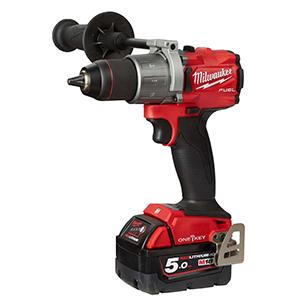
Milwaukee Drills and Drivers
-
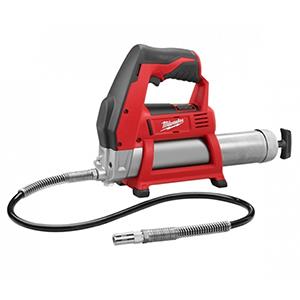
Milwaukee More Power Tools
-
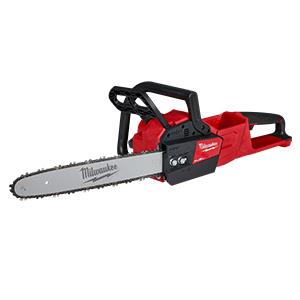
Milwaukee Garden Power Tools
-
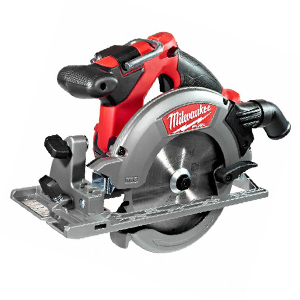
Milwaukee Saws
-
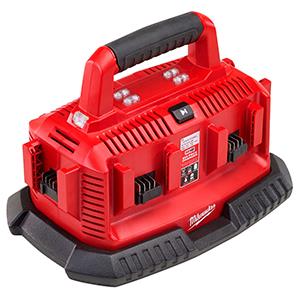
Milwaukee Batteries, Chargers and Mounts
-
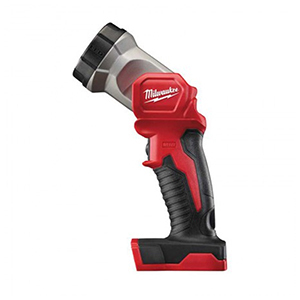
Milwaukee Torches & Lighting
-

Milwaukee Tool Sets & Cordless Kits
-
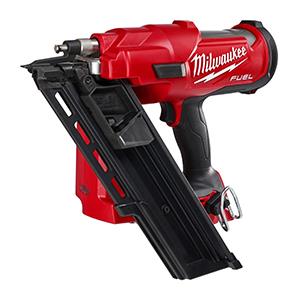
Milwaukee Nail Guns
-
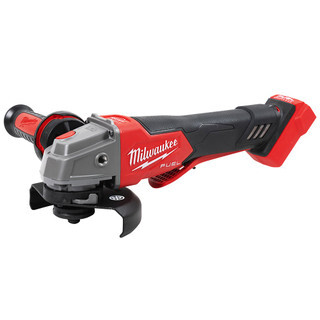
Milwaukee Angle Grinders
-
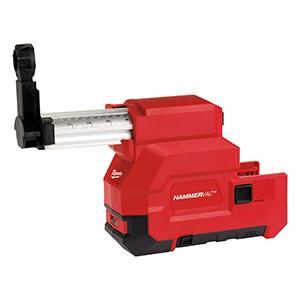
Milwaukee Dust Extractors & Vacuums
-
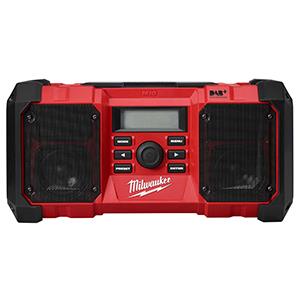
Milwaukee Radios
-
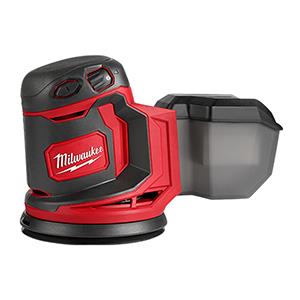
Milwaukee Sanders
-
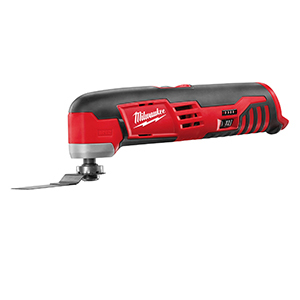
Milwaukee Multi Tools
-
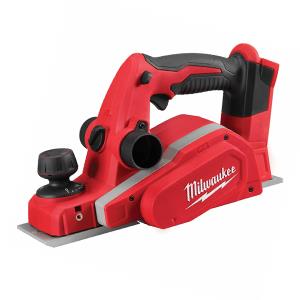
Milwaukee Planers
-
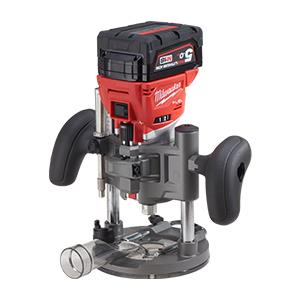
Milwaukee Routers & Trimmers



