Milwaukee Saws
Milwaukee pad saws are made for rough cut-outs in plasterboard, tight access work, and quick trimming where bigger saws just get in the way.
If you're opening up for back boxes, vents or pipe runs, a Milwaukee pad saw is the sort of kit that earns its space in the bag. It gives you more control than a recip when you're working close to finished surfaces, and it is quicker than hacking away with a knife when the board is thick, damp or double layered. If you already run Milwaukee Power Tools, it makes sense to keep your cutting kit on the same platform and get the right saw for the job.
What Jobs Are Milwaukee Pad Saws Best At?
- Cutting neat openings in plasterboard for socket boxes, downlights and access panels is where a Milwaukee pad saw saves time, especially when you are working overhead or in awkward corners.
- Trimming damaged board out during snagging or repair work is easier with a pad saw because you can start and steer the cut without smashing the surrounding finish to bits.
- Working in stud walls and service voids suits this type of saw when a full size reciprocating saw would be too aggressive and likely to catch cables, pipework or timber behind the board.
- Opening up around vent ducting, waste runs and first fix alterations is quicker on refurbs when you need controlled cuts that are fast but still tidy enough to patch back properly.
Choosing the Right Milwaukee Pad Saw
Sorting the right one is simple: match it to the material and the amount of cutting you actually do.
1. Drywall Only or Mixed Site Work
If you mainly cut plasterboard for boxes, vents and small openings, a Milwaukee pad saw is spot on. If you are regularly jumping between timber, metal and demolition cuts, you will probably want to look at Milwaukee More Power Tools and step up to a saw with a broader cutting range.
2. One Battery Platform Matters
If the rest of your bag runs on M18, stick with that and keep your chargers and batteries simple. For lighter service work and tighter spaces, checking Milwaukee M12 More Power Tools can make more sense than carrying bigger gear all day.
3. Finished Work Needs Control
If you are cutting in occupied properties or on second fix, go for the tool that gives you the cleanest start and easiest control. There is no point saving a minute on the cut if you spend twenty filling cracks and sorting blown edges afterwards.
Who Uses These on Site?
- Sparkies reach for a Milwaukee pad saw when cutting plasterboard for back boxes, consumer unit access and extra points, because it is quicker than hand cutting and easier to control in finished rooms.
- Plumbers use them for opening board around pipe runs, boxing in alterations and access panels, especially where they need to get through plasterboard cleanly without wrecking the whole section.
- Dryliners and refurb teams keep one handy for patch repairs, cut-outs and late changes, as it helps them remove damaged board neatly and keep reinstatement work straightforward.
- Maintenance teams and fitters swear by them for quick access into ceilings and partition walls when fault finding, because they can get in, sort the issue and patch the opening without making a bigger mess than needed.
The Basics: Understanding Milwaukee Pad Saws
A pad saw is built for controlled plunge and pull cuts in board materials. It is not there to replace every saw in the van. It is there to make fast, tidy openings where access is tight and accuracy matters.
1. Why a Pad Saw Instead of a Recip
A pad saw gives you a narrower, more deliberate cut, which is what you want in plasterboard and partition walls. On jobs like socket cut-outs or inspection openings, that means less breakout and less patching afterwards.
2. Best Material for the Job
This type of saw is strongest in plasterboard, drywall and similar sheet materials. If you push it into heavier timber or metal work all day, you are using the wrong tool and making life harder than it needs to be.
3. Battery Platform Makes the Difference
If your site kit already sits on M18, keeping to that platform saves carrying extra chargers and loose batteries. You can also look through Milwaukee M18 More Power Tools if you are building out a full cordless setup around the same packs.
Milwaukee Pad Saw Accessories That Save Hassle
A couple of simple extras make these saws far more useful on site and stop the usual hold-ups.
1. Spare Blades
Keep spare blades in the case. A dull blade tears board, wanders off line and leaves you patching ragged openings that should have taken two minutes.
2. Spare Batteries
A spare battery is the obvious one if you are doing cut-out work all day. Do not get halfway through a ceiling run and end up waiting on charge when the room is sheeted and ready.
3. Carry Case or Tool Bag Storage
Store the saw with blades and batteries together. It saves that usual crawl back to the van looking for the one blade pack you know was in there last week.
Choose the Right Milwaukee Pad Saw for the Job
Use this as a quick guide before you buy.
| Your Job | Category or Type | Key Features |
|---|---|---|
| Cutting back boxes and small openings in plasterboard | Milwaukee pad saw | Narrow blade, controlled plunge cutting, easier to steer in finished spaces |
| Repairing damaged board and cutting patch sections out | Milwaukee pad saw | Cleaner starts, less edge breakout, good access in corners and tight walls |
| Mixed cutting through timber, plastic and light metal | Reciprocating saw | Broader blade choice, more aggression, better for heavier demolition style work |
| Long straight cuts in sheet materials | Circular saw or track saw | Faster straight cutting, better line control, less wandering over distance |
| Outdoor cutting and clearance work | Garden or outdoor cutting tools | Purpose built for timber, branches and site clearance, not internal board work |
Common Buying and Usage Mistakes
- Buying a pad saw for every cutting task is the first mistake. They are brilliant in plasterboard and tight openings, but if your work is mostly timber or metal, you need a different saw type.
- Using a blunt blade wastes time and wrecks the finish. If the saw starts tearing the board instead of cutting it cleanly, change the blade before the opening gets bigger than planned.
- Ignoring what is behind the board catches plenty of people out. Always check for cables, pipework and stud positions before plunging in, especially on refurb jobs where nothing is exactly where it should be.
- Choosing the wrong battery platform makes ownership a pain. If the rest of your van is already on M18 or M12, stick with it so you are not carrying extra chargers for one tool.
- Forcing the saw through materials it is not built for shortens blade life and slows the job down. Let the tool do plasterboard work well, and use a recip or circular saw where they make more sense.
Pad Saw vs Reciprocating Saw vs Multi Tool
Milwaukee Pad Saw
Best for plasterboard openings, repair cuts and controlled work in partition walls. It is the quicker choice when you need access without making a right mess of the surrounding finish.
Reciprocating Saw
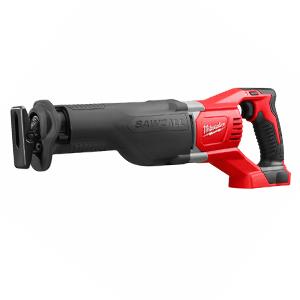
Better for rougher cutting, demolition and mixed materials including timber and metal. It is more aggressive and more versatile, but not the tool you want for a neat little opening in finished board.
Multi Tool
Good for flush cuts, trim work and precise openings where you need to stay tight to an edge. It is tidier in some finish work, but often slower than a pad saw when you are just opening plasterboard quickly.
Maintenance and Care
Clear Dust After Use
Plasterboard dust gets everywhere, so brush the saw down after the job and keep the blade area clear. Let it build up and the action gets rougher than it needs to be.
Change Blades Early
Do not run blades into the ground. Once they start snagging, tearing or drifting off line, swap them out and save yourself rework.
Store It Properly
Keep the saw dry and stored with its spare blades and battery. Throwing it loose in the van just knocks the blade about and guarantees you cannot find what you need when the cut needs doing.
Check the Battery Contacts
Dust and site muck around the battery connection can cause poor contact and intermittent running. Give the contacts a quick clean now and then, especially if the tool lives in a dusty board cutting kit.
Why Shop for Milwaukee Pad Saws at ITS?
Whether you need a Milwaukee pad saw for quick plasterboard cut-outs or you are building out a bigger cordless setup, we stock the range that matters. That includes core cutting kit, matching batteries and the wider Milwaukee system, all in our own warehouse and ready for next day delivery. If your work also crosses into outdoor kit, it is worth checking Milwaukee M18 Garden Power Tools as well.
Milwaukee Pad Saw FAQs
What types of saws does Milwaukee make?
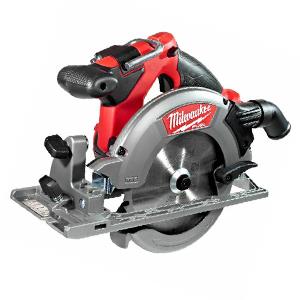
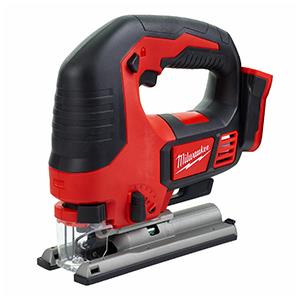
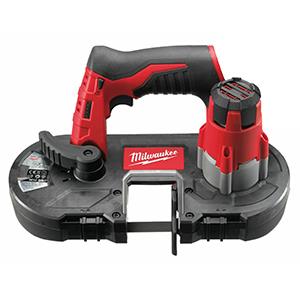
Milwaukee covers most site cutting jobs, including pad saws, circular saws, reciprocating saws, jigsaws, mitre saws, band saws and more specialist cutting tools. The main thing is matching the saw to the material and finish you need, not just buying the biggest one in the range.
Is the Milwaukee pad saw worth it?
Yes, if your work involves regular plasterboard cut-outs, repair sections and access openings. It is quicker and cleaner than hand cutting, and far easier to control than a recip when you are working near finished surfaces or hidden services.
Which Milwaukee saw is best for cutting metal?
That depends on the metal and the job. For demolition cuts and mixed site work, a reciprocating saw is usually the practical choice. For cleaner, repeatable cuts in steel sections or tray, a band saw or metal cutting circular saw is often the better shout. A pad saw is not the one for regular metal cutting.
Does Milwaukee make a corded circular saw?
Yes, Milwaukee has made corded circular saws as well as cordless models. On most current site setups, though, cordless tends to be the better fit because you are not dragging leads through half-finished rooms or fighting for power on busy jobs.
Can a Milwaukee pad saw cut timber as well as plasterboard?
It can handle light timber in the right situation, but that is not its main strength. For repeated timber cutting, especially anything structural or thicker stock, use a recip, jigsaw or circular saw and save the pad saw for board work where it is properly useful.
Is a Milwaukee pad saw any good for second fix and occupied properties?
Yes, that is one of the better reasons to own one. It gives you controlled cuts with less mess and less chance of blowing out a finished wall, which matters when you are working in decorated rooms or doing small reactive jobs.