Milwaukee Drills and Drivers Milwaukee Drills and Drivers

Milwaukee Drills and Drivers

Milwaukee drills are built for site drilling, fixing and heavy first fix work, from tight cupboard runs to hammering through brick and block all day.

If you're buying a Milwaukee drill, match it to the graft. M12 suits snagging, kitchen fitting and overhead work where size matters. M18 is what most trades reach for when they're drilling masonry, running long fixings or working flat out all day. In this range you'll find Milwaukee Drill Drivers, Milwaukee Combi Drills, Milwaukee Angle Drills, Milwaukee Impact Drivers and Milwaukee SDS Drills, so you can pick the right bit of kit for timber, steel, masonry or awkward access without wasting money on the wrong tool.

What Are Milwaukee Drills Used For?

  • Drilling timber studs, joists and sheet materials on first fix is where a Milwaukee drill driver earns its keep, especially when you are moving room to room and need solid runtime without dragging leads.
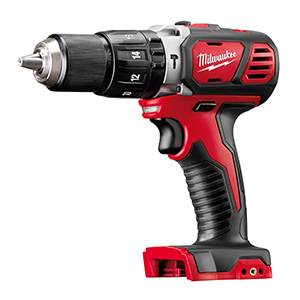
  • Chasing fixings into brick, block and light concrete is better handled by Milwaukee combi drills, giving sparks, plumbers and general builders one tool for drilling and driving on day to day site work.
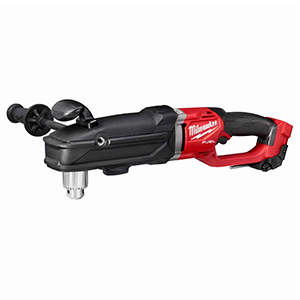
  • Working inside cupboards, between joists and behind pipework suits Milwaukee angle drills, where a standard body is too bulky and you still need proper control on awkward holes.
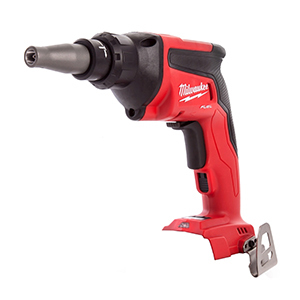
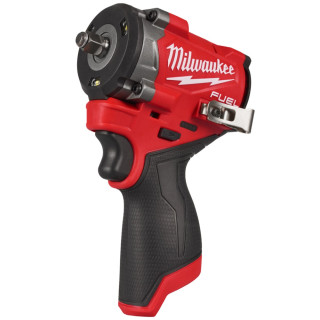
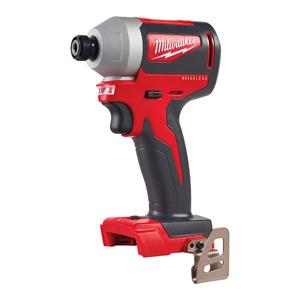
  • Driving long screws, ledger fixings and frame fixings into timber or mixed materials is quicker with Milwaukee impact drivers, especially when your wrist would take a beating from a standard drill.
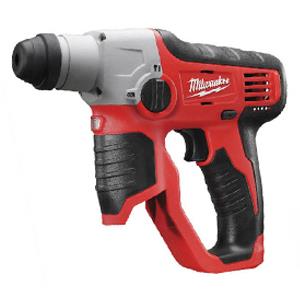
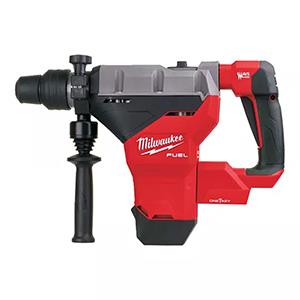
  • Breaking into tougher masonry, drilling anchor holes and repetitive hole boring in concrete calls for Milwaukee SDS drills, which are the right choice once a combi starts struggling.

Choosing the Right Milwaukee Drill

Sorting the right Milwaukee drill is simple: buy for the hardest job you do every week, not the easy one you do once in a while.

1. M12 or M18

If you spend most of your time fitting kitchens, doing electrical second fix or working overhead, M12 makes sense because it is lighter and easier in tight areas. If you are drilling masonry, running bigger fixings or using it all day on site, go M18 and do not mess about.

2. Drill Driver or Combi

If your work is mainly timber, sheet material and fixings, a drill driver is usually enough and often handier. If brick and block come up every week, get a combi drill so you are not stuck the first time you need hammer action.

3. Standard Chuck or Specialist Body

A standard Milwaukee cordless drill covers most day to day work, but if you are forever drilling inside cabinets, roof spaces or joist bays, an angle drill saves a lot of awkward wrist work and swearing.

4. Combi or SDS

Do not buy a combi for nonstop concrete and expect miracles. If you are regularly doing anchor holes, repetitive drilling in hard masonry or heavier install work, step up to SDS and get the job done properly.

Who Uses These Milwaukee Drills?

  • Sparkies rely on Milwaukee drills for cable routes, back box fixings and overhead drilling, with M12 models especially handy when they are up steps or squeezed into service voids.
  • Chippies and kitchen fitters use them for pilot holes, hinge work, carcass fitting and long runs of screws, usually keeping a drill driver and impact side by side to save swapping bits all day.
  • Plumbers and heating engineers go for compact Milwaukee drills when working under sinks, inside cupboards and through joists, where a small Milwaukee drill is easier to handle in tight spots.
  • Builders and maintenance teams reach for M18 combi and SDS models when they need one platform that can handle timber, steel fixings and regular masonry drilling across snagging, refurb and first fix jobs.

The Basics: Understanding Milwaukee Drills

The main thing to understand is that not every Milwaukee drill does the same job. Pick the wrong type and you either carry too much tool or end up short on power when the wall gets harder.

1. Drill Drivers

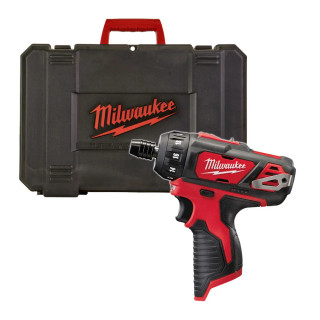
This is the everyday choice for drilling wood, metal and plastics, plus driving screws with good control. It is the one most fitters keep close for joinery, kitchen work and general fixing where hammer action is not needed.

2. Combi Drills

A combi adds hammer action for light to medium masonry drilling. It suits trades who move between timber, fixings and the odd brick or block wall and want one tool that covers most of the day.

3. SDS Drills

An SDS is for tougher masonry and concrete work where speed matters and a combi starts labouring. If you are drilling repeated anchor holes or working into dense material, this is the proper tool for the job.

Milwaukee Drill Accessories That Save Time on Site

The right extras stop downtime, protect the tool and save you trudging back to the van halfway through a job.

1. Spare Batteries

A spare M12 or M18 battery is a no brainer. Do not get caught halfway through a fixing run or up steps with a dead drill and no backup charged.

2. Bit and Drill Sets

A proper mixed set covers pilot drilling, masonry work and driver bits in one case, so you are not hunting for the one missing size when the job changes room by room.

3. Side Handles

If you are using higher torque drills or combis on bigger holes, a side handle gives better control and saves your wrist when the bit grabs in timber or snatches in masonry.

4. Cases and Storage

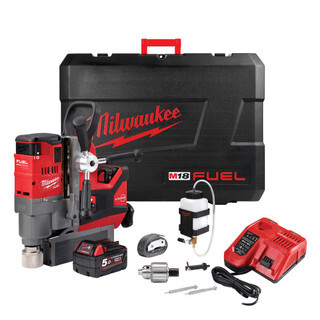
A proper case keeps the charger, batteries and drill together instead of rolling about the van. It also stops chucks and housings taking pointless knocks between jobs.

Choose the Right Milwaukee Drill for the Job

Use this quick guide to sort the right Milwaukee drill without overbuying.

Your Job Milwaukee Drill Type Key Features
Kitchen fitting, snagging and overhead fixing M12 Drill Driver Compact body, lighter weight, easier control in cupboards and tight rooms
Daily timber drilling and screwdriving on first fix M18 Drill Driver More torque, longer runtime, solid all round choice for site use
Drilling brick and block as well as driving fixings M18 Combi Drill Hammer mode, standard chuck, one tool for mixed trade work
Working between joists, cabinets or pipe runs Angle Drill Compact head, better access, less strain in awkward positions
Regular anchor holes and tougher masonry drilling SDS Drill SDS chuck, stronger hammer action, faster progress in concrete and block

Common Buying and Usage Mistakes

  • Buying a small Milwaukee drill for heavy masonry work is a common one. It is great for access and lighter jobs, but if you push it into nonstop brick and concrete work you will slow the job down and wear yourself out. Move up to M18 combi or SDS where needed.
  • Using a combi drill where an SDS is really needed wastes time and heats the tool up. If you are repeatedly boring anchor holes in hard material, stop fighting it and use the right drill type.
  • Choosing on bare torque numbers alone can catch people out. Balance, size and runtime matter just as much when you are drilling overhead, working off steps or fitting out in tight areas.
  • Running blunt bits in a good Milwaukee drill makes the tool feel worse than it is. If progress drops off or the drill starts labouring, swap the bit before you blame the machine.
  • Buying into the wrong battery platform for your workload costs more later. If you already run M18 gear on site, it usually makes more sense to stay on that system unless compact M12 size is the real priority.

Drill Driver vs Combi Drill vs SDS Drill

Drill Driver

Best for timber, metal, sheet material and clean screwdriving. It is usually lighter and better balanced than a combi, but it is the wrong pick if masonry drilling is part of your normal week.

Combi Drill

The best all rounder for trades who jump between fixing, drilling and light masonry. It covers more jobs than a standard drill driver, though it still is not the fastest answer for heavy concrete work.

SDS Drill

This is the one for repeated masonry and concrete drilling, anchors and tougher site work. It is bulkier for general screwdriving, but once the material gets hard it leaves a combi behind.

Angle Drill

Not an all round replacement, but a lifesaver in confined spaces where a normal drill body will not fit. If your work often involves cupboards, joists or service voids, it solves a real access problem.

Maintenance and Care

Clean the Chuck and Vents

Blow out dust and brick grit after site use, especially around the chuck and motor vents. Letting muck build up affects grip, cooling and long term reliability.

Check Bits Before Every Job

Worn or bent bits make the drill work harder and give poor holes. Replace them early and you will get cleaner results and put less strain on the gearbox.

Store Batteries Properly

Do not leave batteries rolling round a freezing van or sat flat for weeks. Keep them dry, charged and in a case if you want decent runtime and longer service life.

Watch for Chuck Wear and Play

If bits start slipping or wobbling, sort it early. A worn chuck ruins accuracy and can chew through bits faster than most people realise.

Repair or Replace Honestly

If the tool still runs well and the issue is a chuck, switch or housing part, repair can be worth it. If the motor, gearbox and batteries are all tired, replacing the drill usually makes more sense.

Why Shop for Milwaukee Drills at ITS?

Whether you need a compact Milwaukee cordless drill for fitting work, a combi for mixed site jobs or an SDS for tougher masonry, we stock the full Milwaukee drill range in one place. That means drill drivers, combis, angle drills, impact drivers and SDS models, plus the batteries and accessories to match, all held in our own warehouse and ready for next day delivery.

Milwaukee Drill FAQs

Is M12 or M18 better in Milwaukee?

Neither is better across the board. M12 is the smarter choice for lighter fixing, overhead work and tight access where weight matters. M18 is better for harder drilling, bigger fixings and longer days on site. If your work regularly involves masonry or heavier first fix, most trades will be happier on M18.

Which is the No. 1 drill machine brand?

There is no single honest answer to that because it depends on the trade, battery platform and job type. Milwaukee is right up there for site toughness, strong cordless performance and a deep range, which is why plenty of UK trades stick with it once they are on the system.

Will a Milwaukee combi drill handle brick and block properly?

Yes, for routine drilling in brick and block a Milwaukee combi drill is usually spot on. It is the right middle ground for mixed trade work. Just be realistic. If you are drilling hard concrete all week, an SDS is the better tool and will get through the job faster with less strain.

Are Milwaukee drills actually tough enough for daily site use?

Yes, they are built for proper trade use and they stand up well to van life, dust and regular site knocks. They are tough, but not magic. Keep the vents clear, use decent bits and do not leave batteries rattling round loose if you want them to last.

What is the best Milwaukee drill for tight spaces?

A compact M12 model is usually the first choice for tight spaces, especially for electricians, plumbers and kitchen fitters. If access is really awkward, a Milwaukee angle drill is the one that saves the day because a standard body simply will not fit where you need to work.

Should I buy a Milwaukee drill body only or a full kit?

If you are already on the same Milwaukee battery platform, body only usually makes the most sense and saves money. If you are starting fresh, a kit with batteries and charger is the safer buy because you are ready to work straight away and not pricing up extras later.
Read more

Milwaukee Drills and Drivers

Milwaukee drills are built for site drilling, fixing and heavy first fix work, from tight cupboard runs to hammering through brick and block all day.

If you're buying a Milwaukee drill, match it to the graft. M12 suits snagging, kitchen fitting and overhead work where size matters. M18 is what most trades reach for when they're drilling masonry, running long fixings or working flat out all day. In this range you'll find Milwaukee Drill Drivers, Milwaukee Combi Drills, Milwaukee Angle Drills, Milwaukee Impact Drivers and Milwaukee SDS Drills, so you can pick the right bit of kit for timber, steel, masonry or awkward access without wasting money on the wrong tool.

What Are Milwaukee Drills Used For?

  • Drilling timber studs, joists and sheet materials on first fix is where a Milwaukee drill driver earns its keep, especially when you are moving room to room and need solid runtime without dragging leads.
  • Chasing fixings into brick, block and light concrete is better handled by Milwaukee combi drills, giving sparks, plumbers and general builders one tool for drilling and driving on day to day site work.
  • Working inside cupboards, between joists and behind pipework suits Milwaukee angle drills, where a standard body is too bulky and you still need proper control on awkward holes.
  • Driving long screws, ledger fixings and frame fixings into timber or mixed materials is quicker with Milwaukee impact drivers, especially when your wrist would take a beating from a standard drill.
  • Breaking into tougher masonry, drilling anchor holes and repetitive hole boring in concrete calls for Milwaukee SDS drills, which are the right choice once a combi starts struggling.

Choosing the Right Milwaukee Drill

Sorting the right Milwaukee drill is simple: buy for the hardest job you do every week, not the easy one you do once in a while.

1. M12 or M18

If you spend most of your time fitting kitchens, doing electrical second fix or working overhead, M12 makes sense because it is lighter and easier in tight areas. If you are drilling masonry, running bigger fixings or using it all day on site, go M18 and do not mess about.

2. Drill Driver or Combi

If your work is mainly timber, sheet material and fixings, a drill driver is usually enough and often handier. If brick and block come up every week, get a combi drill so you are not stuck the first time you need hammer action.

3. Standard Chuck or Specialist Body

A standard Milwaukee cordless drill covers most day to day work, but if you are forever drilling inside cabinets, roof spaces or joist bays, an angle drill saves a lot of awkward wrist work and swearing.

4. Combi or SDS

Do not buy a combi for nonstop concrete and expect miracles. If you are regularly doing anchor holes, repetitive drilling in hard masonry or heavier install work, step up to SDS and get the job done properly.

Who Uses These Milwaukee Drills?

  • Sparkies rely on Milwaukee drills for cable routes, back box fixings and overhead drilling, with M12 models especially handy when they are up steps or squeezed into service voids.
  • Chippies and kitchen fitters use them for pilot holes, hinge work, carcass fitting and long runs of screws, usually keeping a drill driver and impact side by side to save swapping bits all day.
  • Plumbers and heating engineers go for compact Milwaukee drills when working under sinks, inside cupboards and through joists, where a small Milwaukee drill is easier to handle in tight spots.
  • Builders and maintenance teams reach for M18 combi and SDS models when they need one platform that can handle timber, steel fixings and regular masonry drilling across snagging, refurb and first fix jobs.

The Basics: Understanding Milwaukee Drills

The main thing to understand is that not every Milwaukee drill does the same job. Pick the wrong type and you either carry too much tool or end up short on power when the wall gets harder.

1. Drill Drivers

This is the everyday choice for drilling wood, metal and plastics, plus driving screws with good control. It is the one most fitters keep close for joinery, kitchen work and general fixing where hammer action is not needed.

2. Combi Drills

A combi adds hammer action for light to medium masonry drilling. It suits trades who move between timber, fixings and the odd brick or block wall and want one tool that covers most of the day.

3. SDS Drills

An SDS is for tougher masonry and concrete work where speed matters and a combi starts labouring. If you are drilling repeated anchor holes or working into dense material, this is the proper tool for the job.

Milwaukee Drill Accessories That Save Time on Site

The right extras stop downtime, protect the tool and save you trudging back to the van halfway through a job.

1. Spare Batteries

A spare M12 or M18 battery is a no brainer. Do not get caught halfway through a fixing run or up steps with a dead drill and no backup charged.

2. Bit and Drill Sets

A proper mixed set covers pilot drilling, masonry work and driver bits in one case, so you are not hunting for the one missing size when the job changes room by room.

3. Side Handles

If you are using higher torque drills or combis on bigger holes, a side handle gives better control and saves your wrist when the bit grabs in timber or snatches in masonry.

4. Cases and Storage

A proper case keeps the charger, batteries and drill together instead of rolling about the van. It also stops chucks and housings taking pointless knocks between jobs.

Choose the Right Milwaukee Drill for the Job

Use this quick guide to sort the right Milwaukee drill without overbuying.

Your Job Milwaukee Drill Type Key Features
Kitchen fitting, snagging and overhead fixing M12 Drill Driver Compact body, lighter weight, easier control in cupboards and tight rooms
Daily timber drilling and screwdriving on first fix M18 Drill Driver More torque, longer runtime, solid all round choice for site use
Drilling brick and block as well as driving fixings M18 Combi Drill Hammer mode, standard chuck, one tool for mixed trade work
Working between joists, cabinets or pipe runs Angle Drill Compact head, better access, less strain in awkward positions
Regular anchor holes and tougher masonry drilling SDS Drill SDS chuck, stronger hammer action, faster progress in concrete and block

Common Buying and Usage Mistakes

  • Buying a small Milwaukee drill for heavy masonry work is a common one. It is great for access and lighter jobs, but if you push it into nonstop brick and concrete work you will slow the job down and wear yourself out. Move up to M18 combi or SDS where needed.
  • Using a combi drill where an SDS is really needed wastes time and heats the tool up. If you are repeatedly boring anchor holes in hard material, stop fighting it and use the right drill type.
  • Choosing on bare torque numbers alone can catch people out. Balance, size and runtime matter just as much when you are drilling overhead, working off steps or fitting out in tight areas.
  • Running blunt bits in a good Milwaukee drill makes the tool feel worse than it is. If progress drops off or the drill starts labouring, swap the bit before you blame the machine.
  • Buying into the wrong battery platform for your workload costs more later. If you already run M18 gear on site, it usually makes more sense to stay on that system unless compact M12 size is the real priority.

Drill Driver vs Combi Drill vs SDS Drill

Drill Driver

Best for timber, metal, sheet material and clean screwdriving. It is usually lighter and better balanced than a combi, but it is the wrong pick if masonry drilling is part of your normal week.

Combi Drill

The best all rounder for trades who jump between fixing, drilling and light masonry. It covers more jobs than a standard drill driver, though it still is not the fastest answer for heavy concrete work.

SDS Drill

This is the one for repeated masonry and concrete drilling, anchors and tougher site work. It is bulkier for general screwdriving, but once the material gets hard it leaves a combi behind.

Angle Drill

Not an all round replacement, but a lifesaver in confined spaces where a normal drill body will not fit. If your work often involves cupboards, joists or service voids, it solves a real access problem.

Maintenance and Care

Clean the Chuck and Vents

Blow out dust and brick grit after site use, especially around the chuck and motor vents. Letting muck build up affects grip, cooling and long term reliability.

Check Bits Before Every Job

Worn or bent bits make the drill work harder and give poor holes. Replace them early and you will get cleaner results and put less strain on the gearbox.

Store Batteries Properly

Do not leave batteries rolling round a freezing van or sat flat for weeks. Keep them dry, charged and in a case if you want decent runtime and longer service life.

Watch for Chuck Wear and Play

If bits start slipping or wobbling, sort it early. A worn chuck ruins accuracy and can chew through bits faster than most people realise.

Repair or Replace Honestly

If the tool still runs well and the issue is a chuck, switch or housing part, repair can be worth it. If the motor, gearbox and batteries are all tired, replacing the drill usually makes more sense.

Why Shop for Milwaukee Drills at ITS?

Whether you need a compact Milwaukee cordless drill for fitting work, a combi for mixed site jobs or an SDS for tougher masonry, we stock the full Milwaukee drill range in one place. That means drill drivers, combis, angle drills, impact drivers and SDS models, plus the batteries and accessories to match, all held in our own warehouse and ready for next day delivery.

Milwaukee Drill FAQs

Is M12 or M18 better in Milwaukee?

Neither is better across the board. M12 is the smarter choice for lighter fixing, overhead work and tight access where weight matters. M18 is better for harder drilling, bigger fixings and longer days on site. If your work regularly involves masonry or heavier first fix, most trades will be happier on M18.

Which is the No. 1 drill machine brand?

There is no single honest answer to that because it depends on the trade, battery platform and job type. Milwaukee is right up there for site toughness, strong cordless performance and a deep range, which is why plenty of UK trades stick with it once they are on the system.

Will a Milwaukee combi drill handle brick and block properly?

Yes, for routine drilling in brick and block a Milwaukee combi drill is usually spot on. It is the right middle ground for mixed trade work. Just be realistic. If you are drilling hard concrete all week, an SDS is the better tool and will get through the job faster with less strain.

Are Milwaukee drills actually tough enough for daily site use?

Yes, they are built for proper trade use and they stand up well to van life, dust and regular site knocks. They are tough, but not magic. Keep the vents clear, use decent bits and do not leave batteries rattling round loose if you want them to last.

What is the best Milwaukee drill for tight spaces?

A compact M12 model is usually the first choice for tight spaces, especially for electricians, plumbers and kitchen fitters. If access is really awkward, a Milwaukee angle drill is the one that saves the day because a standard body simply will not fit where you need to work.

Should I buy a Milwaukee drill body only or a full kit?

If you are already on the same Milwaukee battery platform, body only usually makes the most sense and saves money. If you are starting fresh, a kit with batteries and charger is the safer buy because you are ready to work straight away and not pricing up extras later.
ITS Click and Collect Icon
What3Words:
Get Directions
Store Opening Hours
Opening times