Milwaukee Sanders Milwaukee Sanders

Milwaukee Sanders

Milwaukee sanders are built for stripping back, flattening off and finishing properly, whether you're on site joinery, refurb snagging or workshop prep.

When you're cleaning up doors, knocking filler flat or taking old finish back without gouging the job, a Milwaukee sander saves a lot of hand work. The range covers fast stock removal through to finer prep, with cordless options that suit punch work, fit-out and repeat site use. If you need the right tool for roughing in or final finish, start with the pad shape, grit range and how much material you really need to shift.

What Are Milwaukee Sanders Used For?

  • Flattening filler, paint edges and patched areas before decorating, so you are not chasing ridges and scratches once the top coat goes on.
  • Stripping old finish from doors, stair parts and timber trims where a Milwaukee belt sander makes quicker work of broad surfaces than sanding by hand.
  • Cleaning up site-made joinery, worktops and sheet material edges during fit-out, especially when you need a tidy finish without dragging corded kit round the room.
  • Getting into corners, profiles and awkward spots with detail sanders and band files where a larger random orbit simply will not reach cleanly.
  • Prepping metal, timber and composite surfaces for repainting, sealing or fixing, so coatings stick properly and the finished job looks right under daylight.

Choosing the Right Milwaukee Sander

Sorting the right one is simple: match it to the finish you need and the amount of material you need to remove.

1. Belt Sander for Fast Removal

If you are stripping doors, flattening boards or taking a lot of material off quickly, go for a Milwaukee belt sander. It is the one for speed and stock removal, but it is not the tool for delicate final finishing.

2. Random Orbit for Cleaner Finishing

If you are prepping painted timber, filler or finished joinery, a random orbit is the safer bet. It leaves a neater surface and is easier to control when you cannot afford to leave lines in the work.

3. Detail or Delta for Tight Spots

If the job is corners, mouldings, stair parts or edges up against other finishes, do not force a bigger pad into the space. Pick a detail sander and save yourself hand sanding afterwards.

4. M12 or M18 Depends on Runtime and Size

A Milwaukee sander M12 makes sense for lighter snagging, tighter access and overhead work. If you are on it for longer runs or heavier prep, the larger platform is the sensible choice for runtime and output.

Who Uses These on Site?

  • Chippies and fitters use Milwaukee sanders for trimming back doors, easing edges and finishing site-made joinery before handover.
  • Decorators reach for them when they need to flatten filler, key painted surfaces and sort snagging work without leaving deep swirl marks.
  • Kitchen fitters and shopfitters rely on them for worktops, end panels and scribed pieces where a clean edge saves time later.
  • Metalworkers and maintenance teams use band files and compact sanders for cleaning rust, smoothing weld areas and tidying awkward access points.
  • Refurb crews keep one in the van for all the jobs that turn up mid-strip, from old varnish on frames to patch repairs that need blending in fast.

The Basics: Understanding Milwaukee Sanders

Not every sander works the same way, and that matters once you are trying to get the right finish first time. Here is the simple version.

1. Belt Sanders for Removal

A belt sander runs a sanding belt in one direction for quick stock removal. It is what you want when old finish, rough timber or high spots need shifting fast across larger flat areas.

2. Random Orbit Sanders for Finish Work

A Milwaukee da sander or random orbit spins and oscillates at the same time, which helps cut down visible scratch patterns. That makes it the better choice for prep work before paint, stain or clear finish.

3. Detail Sanders and Band Files for Access

These are built for the bits larger sanders miss. A Milwaukee detail sander gets into corners and edges, while a band file is handy for narrow sections, metal clean-up and tight awkward runs.

Milwaukee Sander Accessories That Save Time on Site

The right consumables and extras stop you fighting the tool and wasting time reworking the finish.

1. Sanding Belts and Sheets

Get the right grit for the stage of the job. Start too fine and you will be there all day. Start too coarse on finish work and you will spend even longer trying to take the scratches back out.

2. Dust Bags and Extraction Adaptors

Do not ignore dust control. A proper bag or extractor connection keeps the abrasive cutting cleaner, saves endless sweep-up and stops finished rooms getting covered in fine dust.

3. Spare Batteries

A spare battery is common sense with cordless sanding. You do not want the tool dying halfway through a door set or when you are working round wet paint windows and other trades.

4. Backing Pads and Replacement Pads

Once the pad wears or the hook and loop grip starts failing, your sheets stop holding properly and the finish goes downhill. Swap it before it starts costing you time and materials.

Choose the Right Milwaukee Sander for the Job

Use this quick guide to sort the right type before you buy.

Your Job Milwaukee Sander Type Key Features
Stripping old finish off doors and boards Belt sander Fast stock removal, long flat contact area, better for larger surfaces
Prepping filler, timber and paint for final coat Random orbit sander Cleaner finish, reduced swirl marks, easier to control on visible work
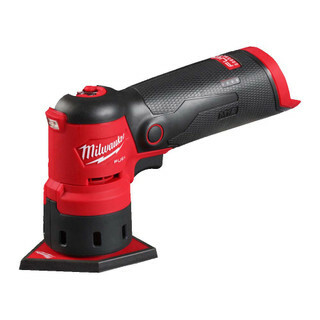
Sanding corners, edges and stair parts Detail or delta sander Pointed pad, better access, less hand sanding after
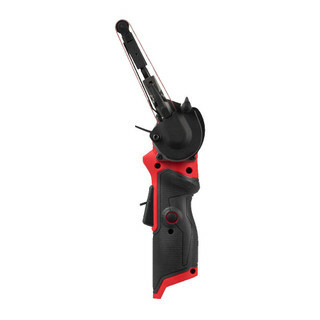
Cleaning narrow metal sections and awkward spots Band file Gets into tight runs, useful for weld prep and rust removal
Light snagging and punch list work Compact cordless sander Lighter in hand, easier overhead, handy for quick site fixes

Common Buying and Usage Mistakes

  • Buying a belt sander for finish work is a common mistake. It will shift material fast, but on visible timber or filler it can leave you more remedial sanding to sort out.
  • Using the wrong grit wastes time at both ends. Too coarse leaves heavy scratches, too fine clogs up and barely cuts, so always match the abrasive to the stage of the job.
  • Ignoring dust extraction shortens abrasive life and makes a mess of the room. Keep the bag fitted or hook up extraction if you are working in finished areas.
  • Pressing down too hard does not speed the job up. It usually slows the pad, overheats the abrasive and leaves a poorer finish than letting the sander do the work.
  • Choosing by battery platform alone can catch you out. Shared batteries are handy, but you still need the right sander type for the surface and finish expected.

Belt Sander vs Random Orbit Sander vs Detail Sander

Belt Sander

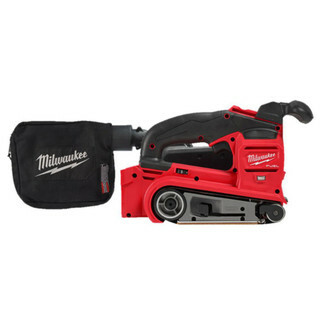
This is the one for rapid removal on flat timber and old finishes. Buy it if speed matters more than finesse. It is less forgiving on visible surfaces and can mark the work if you are heavy-handed.

Random Orbit Sander

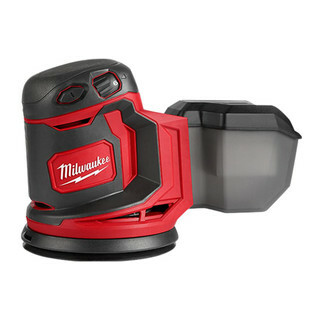
Best all-rounder for prep and finishing. It suits decorators, joiners and fitters who need a cleaner surface before coating. It will not remove material as fast as a belt sander, but it is the safer everyday choice.

Detail Sander

Built for corners, narrow edges and awkward shaped parts. It is not the tool for large panels, but when access is the problem this is the one that saves you finishing the job by hand.

Band File

More specialist, but very useful if you work on metal, tight timber details or confined sections. Choose it when a normal pad cannot physically get where the work is.

Maintenance and Care

Keep the Dust Ports Clear

Empty bags and clear the extraction path regularly. Once dust starts backing up, cutting performance drops and the tool runs hotter than it should.

Replace Worn Abrasives Early

Blunt sheets and belts do not save money. They slow the job, build heat and leave a rougher result, so swap them before they stop cutting properly.

Check Pads and Platens

If the backing pad is worn, torn or no longer grips the abrasive properly, the finish will suffer. Replace worn pads before they start chewing through sheets and marking the job.

Store It Clean and Dry

Do not throw the sander back in the van covered in fine dust and damp. A quick wipe down and dry storage helps protect moving parts, battery contacts and switches.

Replace Consumables Before the Tool Suffers

If a belt tracks badly or a pad has gone uneven, sort that first rather than forcing on. Most poor sanding results come from worn consumables, not the motor itself.

Why Shop for Milwaukee Sanders at ITS?

Whether you need a compact snagging tool, a Milwaukee belt sander for heavier prep, or a finishing sander for joinery and decorating work, we stock the full Milwaukee sander range in one place. That includes Milwaukee Belt Sanders, Milwaukee Detail Sanders & Delta Sanders, Milwaukee Band Files, and Milwaukee Random Orbit Sanders. If you are already running Milwaukee kit across site, it also makes sense to look at Milwaukee Saws while you are here. It is all held in our own warehouse, in stock, and ready for next day delivery.

Milwaukee Sander FAQs

Does Milwaukee tools make a belt sander?

Yes. Milwaukee does make belt sanders, and they are built for quicker stock removal on timber, old coatings and larger flat surfaces. If your job is stripping back doors, boards or worktops, a Milwaukee belt sander is the right place to look rather than trying to force a finish sander to do heavy prep.

What is better than a belt sander?

It depends on the finish you need. For cleaner prep before paint or varnish, a random orbit is usually better because it is easier to control and less likely to leave straight scratch lines. For corners and detailed trim, a detail sander is the better tool. A belt sander is only better when you genuinely need fast material removal.

How long will a Milwaukee sander last?

If it is used properly and kept clean, a Milwaukee sander should last for years of regular trade use. The big killers are blocked dust ports, worn pads, overheating from blunt abrasives and getting knocked about loose in the van. Look after the consumables and keep the dust under control, and the tool itself usually holds up very well.

Is a Milwaukee sander M12 enough for proper site work?

For snagging, light prep, edge work and smaller punch list jobs, yes, an M12 sander can be plenty. If you are sanding larger panels all day or doing heavier removal, you will want the larger platform for better runtime and a bit more staying power.

Will these work cleanly in finished rooms, or do they still make a mess?

They are far better with dust control than old-school sanding, but be honest, no sander is completely mess free. Use the dust bag or extraction, keep the abrasive fresh and empty the collection regularly. That makes a big difference when you are working in decorated or client-facing spaces.

Can one Milwaukee sander do every sanding job on site?

Not really. One may cover most of your day-to-day work, but sanding is one of those jobs where tool shape matters. A random orbit will handle general prep, a belt sander is for removal, and a detail sander deals with corners and edges. Pick the one that matches the work you actually do most.
Read more

Milwaukee Sanders

Milwaukee sanders are built for stripping back, flattening off and finishing properly, whether you're on site joinery, refurb snagging or workshop prep.

When you're cleaning up doors, knocking filler flat or taking old finish back without gouging the job, a Milwaukee sander saves a lot of hand work. The range covers fast stock removal through to finer prep, with cordless options that suit punch work, fit-out and repeat site use. If you need the right tool for roughing in or final finish, start with the pad shape, grit range and how much material you really need to shift.

What Are Milwaukee Sanders Used For?

  • Flattening filler, paint edges and patched areas before decorating, so you are not chasing ridges and scratches once the top coat goes on.
  • Stripping old finish from doors, stair parts and timber trims where a Milwaukee belt sander makes quicker work of broad surfaces than sanding by hand.
  • Cleaning up site-made joinery, worktops and sheet material edges during fit-out, especially when you need a tidy finish without dragging corded kit round the room.
  • Getting into corners, profiles and awkward spots with detail sanders and band files where a larger random orbit simply will not reach cleanly.
  • Prepping metal, timber and composite surfaces for repainting, sealing or fixing, so coatings stick properly and the finished job looks right under daylight.

Choosing the Right Milwaukee Sander

Sorting the right one is simple: match it to the finish you need and the amount of material you need to remove.

1. Belt Sander for Fast Removal

If you are stripping doors, flattening boards or taking a lot of material off quickly, go for a Milwaukee belt sander. It is the one for speed and stock removal, but it is not the tool for delicate final finishing.

2. Random Orbit for Cleaner Finishing

If you are prepping painted timber, filler or finished joinery, a random orbit is the safer bet. It leaves a neater surface and is easier to control when you cannot afford to leave lines in the work.

3. Detail or Delta for Tight Spots

If the job is corners, mouldings, stair parts or edges up against other finishes, do not force a bigger pad into the space. Pick a detail sander and save yourself hand sanding afterwards.

4. M12 or M18 Depends on Runtime and Size

A Milwaukee sander M12 makes sense for lighter snagging, tighter access and overhead work. If you are on it for longer runs or heavier prep, the larger platform is the sensible choice for runtime and output.

Who Uses These on Site?

  • Chippies and fitters use Milwaukee sanders for trimming back doors, easing edges and finishing site-made joinery before handover.
  • Decorators reach for them when they need to flatten filler, key painted surfaces and sort snagging work without leaving deep swirl marks.
  • Kitchen fitters and shopfitters rely on them for worktops, end panels and scribed pieces where a clean edge saves time later.
  • Metalworkers and maintenance teams use band files and compact sanders for cleaning rust, smoothing weld areas and tidying awkward access points.
  • Refurb crews keep one in the van for all the jobs that turn up mid-strip, from old varnish on frames to patch repairs that need blending in fast.

The Basics: Understanding Milwaukee Sanders

Not every sander works the same way, and that matters once you are trying to get the right finish first time. Here is the simple version.

1. Belt Sanders for Removal

A belt sander runs a sanding belt in one direction for quick stock removal. It is what you want when old finish, rough timber or high spots need shifting fast across larger flat areas.

2. Random Orbit Sanders for Finish Work

A Milwaukee da sander or random orbit spins and oscillates at the same time, which helps cut down visible scratch patterns. That makes it the better choice for prep work before paint, stain or clear finish.

3. Detail Sanders and Band Files for Access

These are built for the bits larger sanders miss. A Milwaukee detail sander gets into corners and edges, while a band file is handy for narrow sections, metal clean-up and tight awkward runs.

Milwaukee Sander Accessories That Save Time on Site

The right consumables and extras stop you fighting the tool and wasting time reworking the finish.

1. Sanding Belts and Sheets

Get the right grit for the stage of the job. Start too fine and you will be there all day. Start too coarse on finish work and you will spend even longer trying to take the scratches back out.

2. Dust Bags and Extraction Adaptors

Do not ignore dust control. A proper bag or extractor connection keeps the abrasive cutting cleaner, saves endless sweep-up and stops finished rooms getting covered in fine dust.

3. Spare Batteries

A spare battery is common sense with cordless sanding. You do not want the tool dying halfway through a door set or when you are working round wet paint windows and other trades.

4. Backing Pads and Replacement Pads

Once the pad wears or the hook and loop grip starts failing, your sheets stop holding properly and the finish goes downhill. Swap it before it starts costing you time and materials.

Choose the Right Milwaukee Sander for the Job

Use this quick guide to sort the right type before you buy.

Your Job Milwaukee Sander Type Key Features
Stripping old finish off doors and boards Belt sander Fast stock removal, long flat contact area, better for larger surfaces
Prepping filler, timber and paint for final coat Random orbit sander Cleaner finish, reduced swirl marks, easier to control on visible work
Sanding corners, edges and stair parts Detail or delta sander Pointed pad, better access, less hand sanding after
Cleaning narrow metal sections and awkward spots Band file Gets into tight runs, useful for weld prep and rust removal
Light snagging and punch list work Compact cordless sander Lighter in hand, easier overhead, handy for quick site fixes

Common Buying and Usage Mistakes

  • Buying a belt sander for finish work is a common mistake. It will shift material fast, but on visible timber or filler it can leave you more remedial sanding to sort out.
  • Using the wrong grit wastes time at both ends. Too coarse leaves heavy scratches, too fine clogs up and barely cuts, so always match the abrasive to the stage of the job.
  • Ignoring dust extraction shortens abrasive life and makes a mess of the room. Keep the bag fitted or hook up extraction if you are working in finished areas.
  • Pressing down too hard does not speed the job up. It usually slows the pad, overheats the abrasive and leaves a poorer finish than letting the sander do the work.
  • Choosing by battery platform alone can catch you out. Shared batteries are handy, but you still need the right sander type for the surface and finish expected.

Belt Sander vs Random Orbit Sander vs Detail Sander

Belt Sander

This is the one for rapid removal on flat timber and old finishes. Buy it if speed matters more than finesse. It is less forgiving on visible surfaces and can mark the work if you are heavy-handed.

Random Orbit Sander

Best all-rounder for prep and finishing. It suits decorators, joiners and fitters who need a cleaner surface before coating. It will not remove material as fast as a belt sander, but it is the safer everyday choice.

Detail Sander

Built for corners, narrow edges and awkward shaped parts. It is not the tool for large panels, but when access is the problem this is the one that saves you finishing the job by hand.

Band File

More specialist, but very useful if you work on metal, tight timber details or confined sections. Choose it when a normal pad cannot physically get where the work is.

Maintenance and Care

Keep the Dust Ports Clear

Empty bags and clear the extraction path regularly. Once dust starts backing up, cutting performance drops and the tool runs hotter than it should.

Replace Worn Abrasives Early

Blunt sheets and belts do not save money. They slow the job, build heat and leave a rougher result, so swap them before they stop cutting properly.

Check Pads and Platens

If the backing pad is worn, torn or no longer grips the abrasive properly, the finish will suffer. Replace worn pads before they start chewing through sheets and marking the job.

Store It Clean and Dry

Do not throw the sander back in the van covered in fine dust and damp. A quick wipe down and dry storage helps protect moving parts, battery contacts and switches.

Replace Consumables Before the Tool Suffers

If a belt tracks badly or a pad has gone uneven, sort that first rather than forcing on. Most poor sanding results come from worn consumables, not the motor itself.

Why Shop for Milwaukee Sanders at ITS?

Whether you need a compact snagging tool, a Milwaukee belt sander for heavier prep, or a finishing sander for joinery and decorating work, we stock the full Milwaukee sander range in one place. That includes Milwaukee Belt Sanders, Milwaukee Detail Sanders & Delta Sanders, Milwaukee Band Files, and Milwaukee Random Orbit Sanders. If you are already running Milwaukee kit across site, it also makes sense to look at Milwaukee Saws while you are here. It is all held in our own warehouse, in stock, and ready for next day delivery.

Milwaukee Sander FAQs

Does Milwaukee tools make a belt sander?

Yes. Milwaukee does make belt sanders, and they are built for quicker stock removal on timber, old coatings and larger flat surfaces. If your job is stripping back doors, boards or worktops, a Milwaukee belt sander is the right place to look rather than trying to force a finish sander to do heavy prep.

What is better than a belt sander?

It depends on the finish you need. For cleaner prep before paint or varnish, a random orbit is usually better because it is easier to control and less likely to leave straight scratch lines. For corners and detailed trim, a detail sander is the better tool. A belt sander is only better when you genuinely need fast material removal.

How long will a Milwaukee sander last?

If it is used properly and kept clean, a Milwaukee sander should last for years of regular trade use. The big killers are blocked dust ports, worn pads, overheating from blunt abrasives and getting knocked about loose in the van. Look after the consumables and keep the dust under control, and the tool itself usually holds up very well.

Is a Milwaukee sander M12 enough for proper site work?

For snagging, light prep, edge work and smaller punch list jobs, yes, an M12 sander can be plenty. If you are sanding larger panels all day or doing heavier removal, you will want the larger platform for better runtime and a bit more staying power.

Will these work cleanly in finished rooms, or do they still make a mess?

They are far better with dust control than old-school sanding, but be honest, no sander is completely mess free. Use the dust bag or extraction, keep the abrasive fresh and empty the collection regularly. That makes a big difference when you are working in decorated or client-facing spaces.

Can one Milwaukee sander do every sanding job on site?

Not really. One may cover most of your day-to-day work, but sanding is one of those jobs where tool shape matters. A random orbit will handle general prep, a belt sander is for removal, and a detail sander deals with corners and edges. Pick the one that matches the work you actually do most.
ITS Click and Collect Icon
What3Words:
Get Directions
Store Opening Hours
Opening times