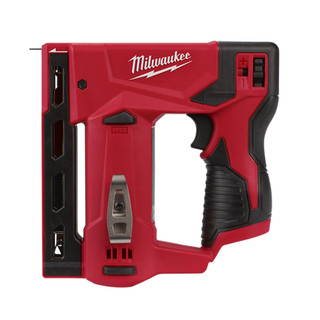
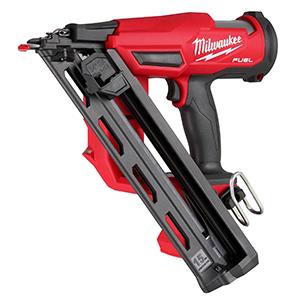
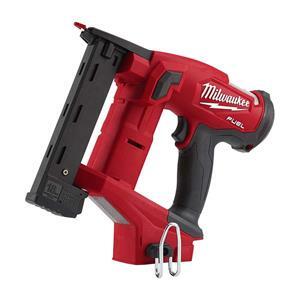
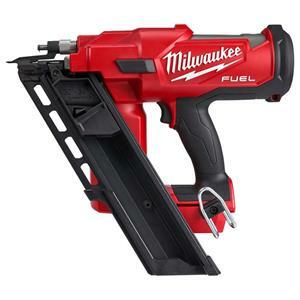
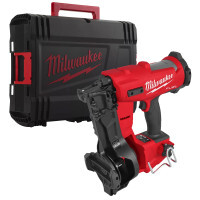
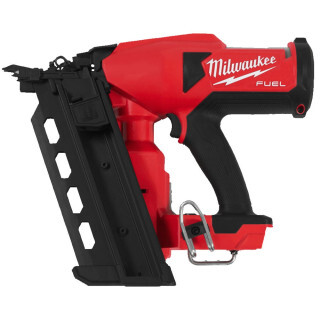
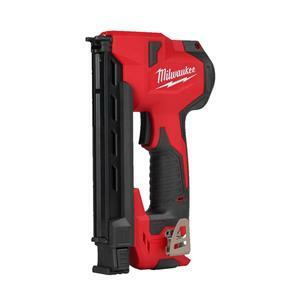
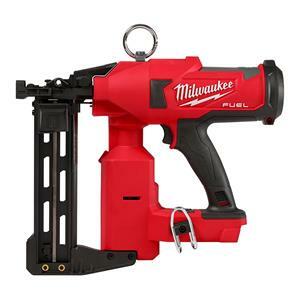
Milwaukee Nail Guns
When you need fixings going in fast without hoses, gas, or dragging a compressor round, a Milwaukee nail gun earns its keep on first fix and finish work.
If you're fitting stud, hanging door linings, fixing skirting or building roofs, Milwaukee nail guns save time and cut the usual site faff. The Milwaukee nail gun M18 range gives you cordless speed with the punch needed for timber fixing, trim work and repeat jobs where stoppages cost you. From a Milwaukee framing nailer for carcassing to a Milwaukee finish nailer or Milwaukee pin gun for cleaner second fix, this is kit built for trades already on M18. Start with the nail size and job type, then pick the right nailer for how you actually work.
What Are Milwaukee Nail Guns Used For?
- Fixing stud walls, noggins, joists and timber framing on first fix jobs where a Milwaukee framing nail gun saves you hauling hoses through plots and up stairs.
- Installing skirting, architrave, door casings and trim on second fix work where a Milwaukee finish nailer gives cleaner results with less filling and less chance of marking the face.
- Pinning delicate mouldings, bead, quadrant and fine finishing pieces in place where a Milwaukee pin gun holds the work without splitting light trim.
- Working on refurbs, occupied properties and snagging jobs where a Milwaukee cordless nail gun lets you move room to room quickly without setting up compressors or chasing leads.
- Handling repeat timber fixing on roofing, timber frame and site carpentry where a Milwaukee nail gun body only makes sense if you are already running M18 batteries on the van.
Choosing the Right Milwaukee Nail Gun
Sort the right one by the fixings you use most, not by what looks biggest. Buy for the job in front of you and the timber you hit every day.
1. Framing or Finish
If you are building stud walls, roofing, decking frames or general first fix, go straight to a Milwaukee framing nailer. If you are fitting skirting, architrave, door stops or other visible trim, a Milwaukee finish nailer is the better shout because the fix is cleaner and easier to hide.
2. 16 Gauge, 18 Gauge or Pins
If the timber needs stronger holding power for trim and joinery, 16 gauge makes more sense. If you want a smaller hole for lighter second fix work, 18 gauge is usually the one. For very fine mouldings and detail pieces, a Milwaukee pin gun is the safer option because it holds without making a mess of the face.
3. Body Only or Full Kit
If you are already deep into Milwaukee M18, a Milwaukee nail gun body only usually saves money and keeps battery crossover simple. If this is your first M18 nailer or it is earning money all week, buy the kit so you are not waiting on charge times or borrowing packs off your drill.
4. Site Access and Volume of Work
If you are bouncing between rooms, floors or plots, a Milwaukee cordless nail gun is worth it for speed alone. If you are doing long runs of the same fixing all day, check magazine type, nail length range and overall weight so the tool suits the volume, not just the spec sheet.
Who Uses These Milwaukee Nailers?
- Chippies and first fix carpenters swear by a Milwaukee framing gun for studwork, roofing and carcassing because it keeps them moving without hose snag or compressor setup.
- Second fix carpenters and kitchen fitters reach for a Milwaukee finishing nailer when fitting architrave, skirting and trims where neat fixing and less remedial filling matters.
- Shopfitters and joiners use a Milwaukee pin gun on finer mouldings and visible finish work where heavier nails would split the stock or leave more to make good.
- Roofers and timber frame teams use Milwaukee nail guns on repetitive fixing where cordless access is easier on scaffolds, plots and awkward runs through a build.
- Maintenance teams and van-based fitters keep a Milwaukee nail gun M18 in the kit because it is quicker for small reactive jobs than unloading a full compressor setup.
The Basics: Understanding Milwaukee Nail Guns
The main thing to understand is not just power. It is matching the nailer type to the fixing, the material and the finish you need on site.
1. Framing Nailers for Structural Timber
These are built for heavier nails and tougher timber jobs. Use them when you are fixing structural timber, stud, roof work or first fix carcassing where holding strength matters more than leaving a tiny hole.
2. Finish Nailers for Second Fix
A Milwaukee finish nailer is for the stage where the work is visible. It still gives solid fixing, but with a neater result for skirting, architrave, panels and joinery where you do not want loads of making good afterwards.
3. Pin and Brad Nailers for Finer Work
These use smaller fixings for lighter trim and delicate sections. They are the better option when a bigger nail would split the moulding, mark the face or be overkill for the job.
Milwaukee Nailer Accessories That Save Time on Site
A nailer is only half the story. The right extras stop jams, downtime and that walk back to the van when the job is half fixed.
1. Spare M18 Batteries
A spare battery is the obvious one, but it matters even more with a Milwaukee nail gun M18 on repetitive work. You do not want the tool dying halfway through a run of stud or trim when you are up steps or moving room to room.
2. Correct Nails for the Nailer Type
Get the right gauge, length and collation for the tool. Wrong nails are the quickest route to feeding issues, poor drive depth and a nailer that feels faulty when the real problem is what you loaded into it.
3. Protective Case or Kit Box
These tools get knocked about in vans and on site. A proper case keeps the nose, magazine and contacts protected instead of getting buried under other gear and turning up full of dust and bent fixings.
4. Cleaning and Maintenance Bits
A brush, cloth and a quick check of the magazine and nose piece save a lot of grief. Keep the feed path clear and you cut down on jams and misfires before they start costing time.
Choose the Right Milwaukee Nail Gun for the Job
Use this quick guide to match the nailer to the work you are actually doing.
| Your Job | Milwaukee Nailer Type | Key Features |
|---|---|---|
| Stud walls, roofing and timber framing | Milwaukee framing nailer | Drives larger nails, built for first fix timber, better for structural holding power. |
| Skirting, architrave and door linings | Milwaukee finish nailer | Cleaner fixing, less filling, suits visible second fix work. |
| Fine trim, beads and delicate mouldings | Milwaukee pin gun | Smaller fixing, reduced risk of splitting, neater finish on finer stock. |
| General trim and lighter second fix | Milwaukee brad nailer | Smaller holes, quick firing, good balance between hold and finish. |
| Already on M18 and adding to the kit | Milwaukee nail gun body only | Saves money if you already own batteries and chargers, easier platform crossover. |
Common Buying and Usage Mistakes
- Buying a framing nailer for finish work is a common misstep. It gives you more punch than you need, leaves a rougher result and creates more filling and making good than necessary.
- Choosing the wrong gauge or nail length causes half the grief people blame on the tool. Match the fixing to the timber and finish or you will get poor hold, breakout or split trim.
- Assuming body only is always cheaper in real use catches plenty of lads out. If you do not already have enough M18 batteries, you can end up short on runtime and lose the time you saved on the purchase.
- Ignoring tool weight on an all day job sounds minor until you are overhead or moving constantly. Pick for the workload as well as the spec so the nailer is not fighting you by lunchtime.
- Letting the magazine and nose fill with site dust and broken collations leads to jams and misfires. A quick clean and regular check is a faster fix than stripping faults out mid job.
Framing Nailer vs Finish Nailer vs Pin Gun
Milwaukee Framing Nailer
This is the one for first fix, timber framing, stud and heavier site carpentry. It gives the holding power you need for structural timber, but it is too much tool for fine trim and leaves a more obvious fixing.
Milwaukee Finish Nailer
Best for second fix where the work stays on show. It balances holding strength and a tidy finish well, so it suits skirting, architrave and joinery better than a framing nailer, but it is not the choice for structural carcassing.
Milwaukee Pin Gun
Use this on delicate mouldings and finer detail where you want the fixing to disappear as much as possible. It is excellent for light holding and clean finish work, but it does not replace a finish nailer where proper grab is needed.
M18 Cordless vs Traditional Air Setup
A Milwaukee M18 nail gun wins on mobility, setup time and moving through finished spaces without hoses. Air still has a place in fixed workshop setups or very high volume runs, but on site the cordless convenience is hard to ignore.
Maintenance and Care
Keep the Magazine Clean
Clear out dust, broken nail strips and site muck from the magazine after use. Most feeding problems start there, especially when the nailer has been bouncing around in the van.
Check the Nose for Build Up
The nose piece takes the brunt of the work. Wipe it down and check for debris so the tool seats properly and drives consistently instead of marking the face or misfiring.
Store Batteries Properly
Do not leave M18 packs loose in a damp van or fully flat for long periods. Charge them properly, store them dry and rotate packs if the nailer is used every day.
Use the Right Nails Every Time
Incorrect gauge or poor quality collated nails put extra strain on the feed system and can cause jams. The right consumables are basic maintenance, not an optional extra.
Repair or Replace Worn Contact Parts
If the contact tip or feed parts are worn and the tool starts driving inconsistently, do not just work round it. Sort the worn part early before it starts damaging finished work or wasting fixings.
Why Shop for Milwaukee Nail Guns at ITS?
Whether you need a Milwaukee framing nail gun for first fix, a finish nailer for trim, or a Milwaukee nail gun body only to add to your M18 setup, we stock the full range in one place. That includes Milwaukee Framing Nailers, Milwaukee Brad Nailers, Milwaukee Coil Nailers, Milwaukee Duplex Nailers and Milwaukee First Fix Nail Guns. It is all held in our own warehouse, in stock and ready for next day delivery.
Milwaukee Nail Gun FAQs
Is a Milwaukee nail gun good?
Yes, for site use they are a solid bit of kit, especially if you already run M18. The big advantage is no gas, no airline and no compressor to drag about. They suit first fix and second fix jobs where speed, mobility and less setup matter. Just make sure you buy the right type for the work, because a framing nailer and a finish nailer do very different jobs.
What is the most powerful nail gun in the world?
That is not really the right way to buy one. The most useful question is whether it drives the right fixing consistently into the material you work with. For timber framing and heavier first fix, a Milwaukee framing nailer is the one to look at. For trim and finishing, more power is not better if it wrecks the face or leaves extra making good.
What is the best rated nail gun?
Best rated depends on who is using it and for what. A chippy doing stud and roofing will rate a framing nailer highest, while a second fix carpenter will judge a finish nailer on clean drive and fewer marks to fill. The best buy is the one that matches your nails, timber and workload, not just the one with the loudest reviews.
Which is bigger; 16 or 18 gauge brad nails?
16 gauge is bigger and gives more holding power. 18 gauge is finer, leaves a smaller hole and is often the better choice for lighter trim and neater second fix work. If the material is heavier or you need more grip, go 16 gauge. If the finish matters more and the stock is lighter, 18 gauge usually makes more sense.
Is a Milwaukee nail gun body only worth buying?
Yes, if you already have enough M18 batteries and a charger. It is the sensible option for trades already on the platform. If you do not, the cheaper body only price soon stops looking cheap once you add batteries and realise you have not got enough runtime for a full day.
Can a Milwaukee cordless nail gun replace an air nailer on site?
For a lot of site work, yes. If you are moving through plots, up stairs, into finished rooms or doing reactive jobs, cordless is usually easier and quicker overall. For very high volume bench work or fixed workshop use, air can still make sense, but most site carpenters will not miss the hose.