Milwaukee Garden Power Tools
Milwaukee garden tools are for when you need to clear, cut, and tidy outdoors without petrol faff or trailing leads.
On site, it's the difference between a quick clean-up and losing half an hour fighting stubborn kit. Milwaukee cordless outdoor equipment covers the grafty stuff like strimming, blowing, hedge cutting and saw work, built around battery platforms that take knocks and keep going. Pick the right Milwaukee landscaping tools for the jobs you actually do and get the grounds sorted properly.
What Jobs Are Milwaukee Garden Tools Best At?
- Clearing paths, car parks, and site entrances by blowing off dust, leaves, and loose muck so you are not dragging it straight back into the building.
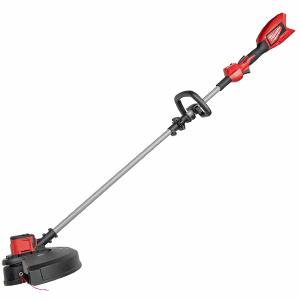
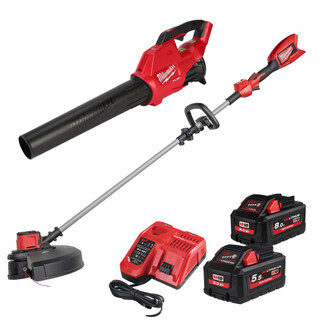
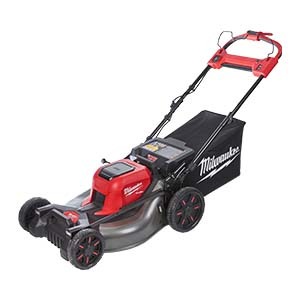
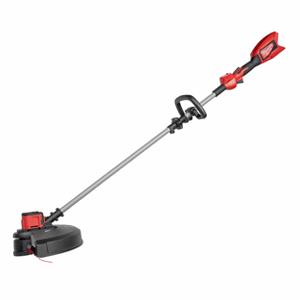
- Strimming long grass and rough edges around fencing, hoarding lines, and kerbs where a mower cannot get in without scalping or snagging.
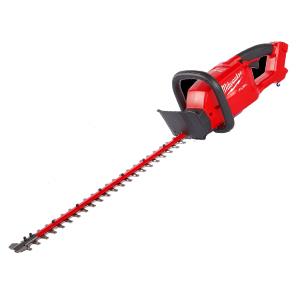
- Cutting back hedges and overgrowth on refurb and maintenance jobs so access is safe before you start shifting materials or putting up towers.
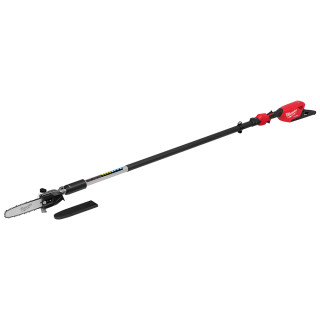
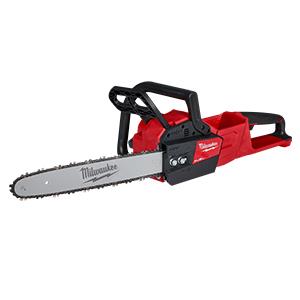
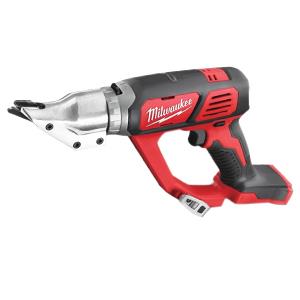
- Breaking down branches and light timber from site clearances with cordless saws so the van stays tidy and you are not hand balling awkward lengths.
- Tidying up for handover by keeping the outside looking sharp, especially when the client only sees the finish and not the graft behind it.
Choosing the Right Milwaukee Garden Tools
Match the tool to the clearance work you actually face, then size your batteries for runtime, not wishful thinking.
1. Tool Type: Blow, Strim, Cut, or Saw
If you are doing regular tidy-ups and keeping entrances clean, start with a blower because it saves the most time per minute. If you are battling long edges and rough ground, a strimmer is the one that earns its keep. For overgrown boundaries, go hedge trimmer first, and only step up to saws when you are actually dealing with branches and timber.
2. Battery Capacity and Spares
If you only need quick hit jobs between tasks, smaller batteries are fine. If you are clearing a whole plot or doing grounds work all day, plan on higher capacity packs and at least one spare, because outdoor kit drains batteries faster than drills and impacts.
3. Weight and Control for Long Shifts
If you are on it for more than a few minutes at a time, prioritise balance and grip over raw numbers, because a tool that feels nose-heavy will ruin you by mid-morning. For strimmers and hedge cutters, the comfortable one is the one you will actually use properly, not rush and bodge.
Who Uses Milwaukee Cordless Outdoor Equipment?
- Landscapers and grounds teams who need Milwaukee landscaping tools that run all day without petrol mixing, pull starts, or constant servicing.
- Maintenance engineers and housing teams doing regular cut-backs and tidy-ups, where quick battery swaps beat dragging extension leads through gardens.
- Site managers and labourers keeping access routes and compounds presentable, especially on long jobs where mess builds up fast.
- Joiners, roofers, and general builders who just need reliable Milwaukee garden tools for clearance and clean-up before the real work starts.
How Milwaukee Cordless Outdoor Equipment Works for You
It is the same idea as your cordless site kit, just built for outdoor clearing and cut-back work. The win is quick start, less maintenance, and no leads to trip over.
1. Battery Power Replaces Petrol Hassle
You slot in a charged battery and get straight to work, which is ideal for stop start jobs and quick tidy-ups. No fuel runs, no mixing, and no fighting a cold start when you have got a site meeting in ten minutes.
2. Runtime Is About the Workload, Not the Label
Blowing wet leaves, strimming thick grass, and cutting woody growth all pull more power than light trimming, so plan your batteries around the worst bit of the job. If you want consistent output, rotate packs rather than running one to death.
3. Outdoor Tools Need the Right Consumables
Strimmers are only as good as the line or blade you fit, and hedge cutters work best when the blades are kept clean and sharp. Keeping consumables sorted stops the tool bogging down and saves you forcing it, which is how gear gets wrecked.
Accessories That Keep Milwaukee Garden Tools Working
The right spares and consumables stop you downing tools halfway through a clearance or tidy-up.
1. Spare Batteries and a Fast Charger
This is what stops you waiting around while a pack crawls back up to full. If the job is time-sensitive, having a spare battery and a charger that keeps up means the tool is always ready when the site needs a quick blitz.
2. Strimmer Line and Cutting Heads
Running blunt, cheap line is a false economy because it snaps constantly and makes the tool feel weak. Keep the right gauge line and a spare head setup so you are not stuck bodging it when you hit thick edges and nettles.
3. Replacement Blades and Blade Care
Hedge trimmers and saws cut cleaner and safer with sharp blades. A spare set and basic cleaning and lubrication bits save you forcing the tool through growth, which is when you start burning batteries and chewing gear up.
Why Shop for Milwaukee Garden Tools at ITS?
Whether you need a single Milwaukee garden tool for tidy-ups or a full spread of Milwaukee cordless outdoor equipment for regular grounds work, you can get the right kit in one place. We stock a wide range of Milwaukee landscaping tools and essentials, all held in our own warehouse and ready for next day delivery.
Milwaukee Garden Tools FAQs
Are Milwaukee garden tools good quality?
Yes, they are built for proper trade use, not occasional weekend trimming. They hold up well to knocks in the van, regular use in rough ground, and the stop start nature of site work, as long as you keep consumables like line and blades in good nick.
What is the warranty on Milwaukee garden tools?
Milwaukee warranty terms depend on the exact tool and how it is registered, so check the product details and paperwork for the specific model you are buying. If you are running them for work, keep your proof of purchase and register where required so you are covered if anything goes wrong.
Do cordless outdoor tools have enough power to replace petrol for site work?
For most maintenance, tidy-up, and regular cut-back jobs, yes, as long as you run the right battery capacity. Where people get caught out is trying to do heavy clearance on a small pack, then blaming the tool when it is really a runtime and battery planning issue.
What is the main mistake people make when buying Milwaukee cordless outdoor equipment?
Buying the tool and forgetting the day-to-day bits that keep it productive, like spare batteries, decent line, and sharp blades. On outdoor kit, those are what decide whether you fly through the job or spend the afternoon fighting it.
Is it worth getting a blower first, or a strimmer?
If your main pain is constant mess around entrances, paths, and compounds, a blower saves the most time and makes the place look instantly better. If you are dealing with long grass, edging, and rough ground, get the strimmer first because it handles the jobs a broom and mower cannot.