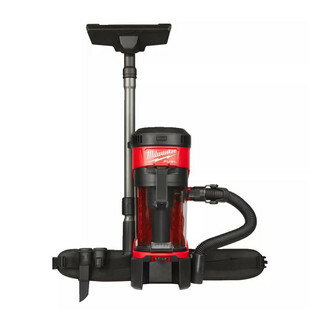
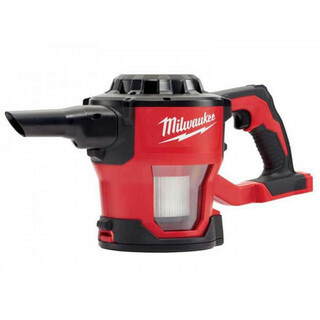
Milwaukee Dust Extractors & Vacuums
Milwaukee dust extractor kit keeps drilling, chasing and cutting cleaner on site, with cordless and M Class options that work properly with trade tools.
If you're drilling overhead, chasing block, or cutting indoors, a proper Milwaukee extractor saves the usual mess, cuts clean-up, and helps keep dust under control where it matters. The Milwaukee dust extractor and Milwaukee extractor range covers general site clearing through to compliant Milwaukee M-Class Extractors and Vacuums, plus cordless M18 units that make more sense when leads just get in the way. If you only need lighter clean-up and van use, look at Milwaukee L-Class Extractors and Vacuums or Milwaukee General Use Extractors and Vacuums. Match the extractor to the dust and the tool, then get the right one ordered.
What Are Milwaukee Dust Extractors Used For?
- Chasing out walls for conduit and back boxes is far more manageable when a Milwaukee dust extractor is pulling fine brick and plaster dust straight from the tool instead of leaving it across the room.
- Drilling anchor holes in concrete and block on occupied jobs stays cleaner with a Milwaukee extractor, especially where you need to keep dust down around finished areas or working trades.
- Cleaning out vans, workshops, and snagging areas after first fix is exactly where a Milwaukee dust collector earns its keep, shifting rubble, sawdust, and general site mess without dragging out bigger kit.
- Working off ladders, hop-ups, or in tight refurbs is where a Milwaukee dust extractor M18 comes into its own, because cordless extraction saves trailing leads and speeds up quick drilling and fixing jobs.
- Cutting timber, sheet goods, and site-made joinery with Milwaukee Saws is neater and easier to finish properly when dust extraction is connected from the start.
Choosing the Right Milwaukee Dust Extractor
Sorting the right one is simple. Match it to the dust, the tool, and whether you're moving room to room or parked in one spot.
1. L Class, M Class or General Clean-Up
If you're mainly cleaning vans, workshops, and general site mess, a standard Milwaukee extractor or L Class unit is usually enough. If you're drilling, chasing, or cutting concrete, brick, plaster, or hardwood dust, go straight to M Class and do it properly.
2. Cordless M18 or Mains Powered
If you're doing quick fixings, service work, or moving round occupied jobs all day, a Milwaukee dust extractor M18 makes life easier. If you're set up in one area with heavier dust and longer run times, mains power is still the better shout.
3. Tool Connection Matters
Do not just buy on drum size. Check hose fit, airflow, and whether it will actually work with your saws, grinders, and drilling kit. The right setup with proper Milwaukee hoover attachments saves you from bodged adaptors and weak extraction.
4. Size and Mobility
If it's mostly van-to-room-to-van work, keep it compact and easy to lift. If the extractor is staying in one area all day pulling debris from bigger tools, a larger unit with more capacity means fewer stops to empty it.
Who Uses These on Site?
- Sparkies rely on a Milwaukee dust extractor for drilling fixings, chasing cable runs, and keeping domestic refurbs cleaner when clients are still in the property.
- Joiners and fitters use a Milwaukee extractor with saws, sanders, and install tools to stop fine dust covering finished floors, kitchen units, and second-fix work.
- Builders and general trades keep a Milwaukee dust collector nearby for day-to-day site clean-up, quick rubble pick-up, and keeping work areas safer underfoot.
- Facilities and maintenance teams like a Milwaukee M18 dust extractor for fast call-out work where dragging cords through schools, offices, and plant rooms just slows the job down.
- Site managers and handover teams use extractors for keeping snagging areas presentable, and plenty keep one near the office with Milwaukee Radios on while the clean-up gets done.
The Basics: Understanding Milwaukee Dust Extractors
The main thing to understand is that not every Milwaukee extractor is meant for the same dust. Get this bit right and you'll end up with cleaner work, safer air, and fewer problems on site.
1. Vacuuming Up Mess vs Extracting At Source
A general vacuum is for cleaning up after the job. A Milwaukee dust extractor is built to connect to the tool and catch dust while you're drilling, chasing, sanding, or cutting, which is what keeps the area cleaner in the first place.
2. L Class vs M Class
L Class suits lower-risk dust and general clean-up. Milwaukee M Class dust extractor models are the right choice for finer, more hazardous site dust like concrete, plaster, brick, and hardwood where control and compliance matter more.
3. Cordless Extraction on the M18 Platform
A Milwaukee M18 dust extractor gives you mobile extraction without hunting for sockets or dragging leads through finished areas. It is ideal for smaller tool-connected jobs and quick reactive work, especially where access is awkward.
Milwaukee Dust Extractor Accessories That Actually Help
The right extras make the extractor easier to live with on site and stop small problems turning into wasted time.
1. Milwaukee Hoover Attachments
Get the right Milwaukee hoover attachment for the tool and hose setup. It saves you messing about with loose push-fit connections that fall off halfway through drilling or leave dust all over finished rooms.
2. Replacement Filters
A clogged or worn filter is usually why extraction starts feeling weak. Keeping a spare means you can swap it out and carry on instead of beating dust out of an old one in the car park.
3. Spare Dust Bags
Dust bags keep emptying quicker and cleaner, especially on indoor jobs. You will be glad of them when you are not tipping fine plaster dust back into a client's hallway.
4. Extra Batteries and Chargers
If you run a Milwaukee dust extractor M18, spare batteries are a no-brainer. Do not be the one climbing down to the van mid-job because the extractor packed up before the drill did.
Choose the Right Milwaukee Dust Extractor for the Job
Use this as a quick guide before you commit.
| Your Job | Milwaukee Extractor Type | Key Features |
|---|---|---|
| Cleaning vans, workshops, and general site mess | General use vacuum or extractor | Good pickup, practical capacity, easy emptying, compact storage |
| Indoor drilling and chasing in brick, plaster, or concrete | Milwaukee M Class dust extractor | Fine dust control, tool connection, site-suitable filtration, compliant setup |
| Quick maintenance work and room-to-room call-outs | Milwaukee M18 dust extractor | Cordless mobility, fast setup, no trailing lead, easier work in occupied buildings |
| Joinery fitting and finish work in completed spaces | Compact extractor with hose adaptors | Tool compatibility, manageable size, cleaner cutting, less dust on finished surfaces |
| Longer jobs with constant extraction in one area | Larger mains powered extractor | Long run time, bigger waste capacity, stronger sustained performance |
Common Buying and Usage Mistakes
- Buying on tank size alone is a common mistake. If the filter class or airflow is wrong for the dust and tool, the bigger unit still will not do the job properly.
- Using a general vacuum where M Class extraction is needed causes problems fast. You end up with poor dust control, more clean-up, and the wrong setup for fine site dust.
- Ignoring hose and adaptor fit wastes time every day. If the Milwaukee hoover attachments do not match your tools, you get leaks, blocked hoses, and dust straight back into the room.
- Running with blocked filters or overfilled bags makes people think the extractor is faulty. Clean or replace the consumables first because weak suction is often down to basic upkeep.
- Choosing cordless for long heavy extraction without enough batteries is asking for grief. If the extractor needs to run all shift, plan battery capacity properly or go mains.
M Class vs L Class vs General Use
Milwaukee M Class Dust Extractor
This is the one for concrete, plaster, brick, and other fine site dust where proper control matters. It costs more than a basic vacuum, but if you are tool-connected on real building work, it is the right bit of kit.
Milwaukee L Class Extractor
L Class sits in the middle. It suits lighter dust and general trade use where you still want proper extraction, but it is not the first choice for higher-risk fine dust on heavier construction tasks.
Milwaukee General Use Vacuum
Best for site tidying, van cleaning, and picking up everyday mess after the job. It is handy and often cheaper, but it is not a straight replacement for a dedicated dust extractor on cutting and drilling work.
Cordless M18 vs Mains Powered
Go M18 if mobility matters more than all-day runtime. Go mains if you are set up in one spot with bigger tools, heavier dust loads, and no appetite for changing batteries through the shift.
Maintenance and Care
Empty It Before It Is Packed Solid
Do not wait until the drum is rammed full. Overfilled extractors lose performance, strain the motor, and make a bigger mess when you finally have to empty them.
Check Filters Regularly
Fine dust blocks filters quicker than most lads expect. If suction drops off, inspect and clean the filter properly or replace it if it is spent.
Inspect Hoses and Tool Adaptors
Split hoses and loose adaptors are one of the main reasons extraction feels useless. Give them a quick check before the job rather than discovering leaks once the room is covered.
Store Cordless Units With Charged Batteries Ready
If you use an M18 extractor for reactive work, keep batteries charged and rotated. A dead pack in the van makes cordless extraction pointless when you need it in a hurry.
Replace Worn Consumables Before They Cost You Time
Filters, bags, and seals are cheaper than wasted labour and a second clean-up. If the extractor is looking tired around those parts, sort them before blaming the machine.
Why Shop for Milwaukee Dust Extractors at ITS?
Whether you need a Milwaukee dust extractor for general clean-up, a cordless Milwaukee M18 dust extractor for mobile work, or an M Class unit for tougher site dust, we stock the full range. That means the key sizes, types, and compatible kit are in our own warehouse and ready for next day delivery.
Milwaukee Dust Extractor FAQs
Does Milwaukee make a dust extractor?
Yes. Milwaukee makes dust extractors, extractors for general trade use, and cordless M18 options for mobile jobs. The range covers everything from everyday clean-up to Milwaukee M Class dust extractor models for finer site dust where proper extraction matters.
What are common problems with Milwaukee vacuums?
Most issues are the usual site ones rather than anything mysterious. Blocked filters, full bags, split hoses, or the wrong Milwaukee hoover attachment will kill suction quickly. On cordless models, poor runtime is usually down to undersized batteries or using them for longer jobs better suited to mains units.
What is the difference between a vacuum and a dust extractor?
A vacuum mainly cleans up after the work is done. A dust extractor is meant to connect to the tool and catch dust at source while you drill, chase, sand, or cut. That makes a big difference on indoor jobs, especially where fine dust and clean working matter.
Is a Milwaukee M18 dust extractor enough for full day site work?
It depends on the job. For maintenance work, short drilling runs, and moving room to room, yes, they make good sense. For constant all-day extraction on heavier cutting or chasing, mains powered units are usually the better choice unless you have plenty of battery capacity ready.
Do Milwaukee dust extractors work with other tools, or only Milwaukee kit?
They can work with other tools if the hose and adaptor fit is right. The main thing is getting a secure connection with decent airflow. If the hose is loose or the port size is wrong, extraction will be poor whatever badge is on the tool.
Do I really need M Class extraction for building work?
If you are working with fine dust from concrete, brick, plaster, or hardwood, M Class is the sensible route and often the one you should be using. For low-risk dust and basic clean-up, L Class or general use machines may be enough, but do not underspec the extractor just to save a few quid.