Milwaukee Torches & Lighting
When you're working in lofts, risers or late finishes, a Milwaukee torch gives you reliable light that runs on the same kit you already trust on site.
Whether you need a compact Milwaukee torch for inspections, a Milwaukee head torch for hands-free first fix, or a Milwaukee flood light to light up a full room, this range is built for proper trade use. Milwaukee lighting earns its place by taking knocks, standing up where you need it, and giving you usable beam spread instead of patchy glare. If you're already on M12 or after a Milwaukee light M18 for longer jobs, pick the light that suits the work and get sorted properly.
What Are Milwaukee Torches and Lighting Used For?
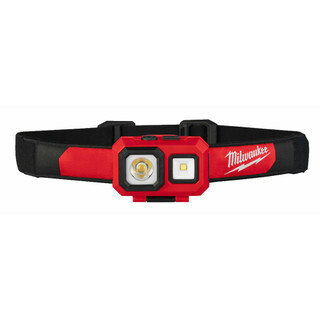
- Working in ceiling voids, plant rooms and under stairs is far easier with a Milwaukee head torch that keeps both hands free while you run cable, fix pipework or trace faults.
- Lighting up first fix rooms, stairwells and corridors is where a Milwaukee flood light or Milwaukee m18 work light comes into its own, giving you enough spread to actually see your marks and fixings.
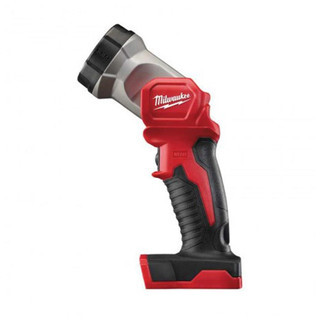
- Checking panels, meter cupboards and service routes suits a compact Milwaukee LED torch, especially when you need a tight beam without dragging full site lighting in with you.
- Covering snagging, handover jobs and call-outs after dark is exactly what Milwaukee rechargeable torch options are for, especially when van space is tight and setup needs to stay quick.
- Running longer shifts on refurbs and shell jobs is where a Milwaukee torch M18 makes sense, because you get solid runtime off the same batteries already used in your core power tool kit.
Choosing the Right Milwaukee Torch
Match the light to the area you are working in. Do not buy a big site light for a meter cupboard, and do not expect a pocket torch to light a whole fit-out floor.
1. Head Torch or Hand Torch
If you are climbing ladders, running cable or working overhead, a Milwaukee head torch is the sensible pick because both hands stay free. If you are inspecting, checking plant or doing quick call-out work, a hand torch is usually easier to grab and go.
2. Spot Beam or Area Light
If you need to look into voids, cupboards or long service runs, go for a Milwaukee LED torch with a more focused beam. If you are lighting a room, landing or work bay, a Milwaukee flood light or Milwaukee m18 work light is the better tool because it spreads light where the job is actually happening.
3. Battery Platform Matters
If the rest of your kit is already M18, a Milwaukee m18 torch or m18 light is the obvious move because you can swap batteries straight from drill to light. If you only need something small for short checks and punch-list work, a lighter rechargeable option may be all you need.
4. Stand, Mount or Carry
For room lighting and longer jobs, pick lights that can stand properly or be mounted so they are not forever tipping over in dust and rubble. For van checks, loft entries and quick faults, compact Milwaukee torches are easier to keep in the bag and use one-handed.
Who Uses These on Site?
- Sparkies rely on Milwaukee torches and Milwaukee head torch models for board changes, cable runs and fault finding where one hand is on the tester and the other is on the job.
- Plumbers and heating engineers use them in cupboards, lofts and behind cylinders where a broad beam makes tracing valves, fittings and leaks much less of a guessing game.
- Joiners and fitters keep an m18 torch or flood light nearby for second fix and snagging, especially when house power is not on and they still need clean, accurate work.
- Site managers and maintenance teams reach for Milwaukee lighting during inspections, temporary lighting setups and end-of-day checks, because it is fast to deploy and easy to move round site.
The Basics: Understanding Milwaukee Lighting
The main thing to understand is not just brightness. What matters on site is how the light is delivered, how long it runs, and whether it suits the space you are working in.
1. Torch Beam vs Flood Beam
A torch throws light further and tighter, which is what you want for inspections, service runs and looking into dark voids. A flood light spreads light wider, which suits working rooms, access areas and benches where you need to see more than one small spot.
2. Head Mounted vs Free Standing
A Milwaukee head torch moves with your line of sight, so it is ideal for first fix, maintenance and loft work. A free standing work light is better when you are staying in one area and need steady coverage without constantly moving your head to aim it.
3. M18 Runtime and Shared Batteries
Milwaukee M18 lighting is popular because it runs off the same batteries as the rest of your kit. On site, that means less charger clutter, fewer spare systems in the van, and a much easier time keeping work going into dark starts or late finishes.
Accessories That Keep Milwaukee Lighting Useful on Site
A good light is only half the job. The right extras stop downtime, bad positioning and dead batteries slowing you down.
1. Spare M18 Batteries
A spare pack is the obvious one. Do not get caught halfway through a loft run, plant check or late handover with your Milwaukee m18 light fading and no charged battery left in the van.
2. Chargers
A proper charger in the van or workshop keeps lights ready for early starts and call-outs. It is a lot easier to rotate packs properly than hope one half-flat battery lasts the whole shift.
3. Tripods and Mounting Options
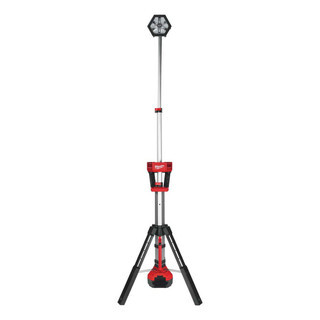
If you are using a flood light or site light, a tripod or proper mount stops you balancing it on plasterboard stacks, buckets or window boards where it will get kicked over five minutes later.
Choose the Right Milwaukee Lighting for the Job
Use this quick guide to match the light to the way you actually work.
| Your Job | Milwaukee Lighting Type | Key Features |
|---|---|---|
| Fault finding in cupboards, risers and plant spaces | Compact Milwaukee torch | Focused beam, easy one-handed use, quick to grab from the bag |
| Loft work, cable runs and overhead fixing | Milwaukee head torch | Hands-free working, light follows your sightline, good for tight access |
| Lighting a room for first fix or snagging | Milwaukee flood light | Wide beam spread, better area coverage, fewer dark corners |
| Longer shifts on shell sites and refurbs | Milwaukee M18 work light | Shared battery platform, stronger runtime, suits repeated daily use |
| Large open spaces and multi-trade working areas | Tripod or site light | Raised light position, broad coverage, keeps the floor area clear |
Common Buying and Usage Mistakes
- Buying on lumens alone is the usual mistake. A very bright light with the wrong beam shape can still leave you with shadows, glare and poor visibility, so match the beam to the space.
- Using a hand torch when the job really needs a head torch slows everything down. If you need both hands for fixing, testing or climbing, get a Milwaukee head torch and stop juggling tools.
- Picking a small inspection light for room lighting wastes time and strains your eyes. For proper first fix, snagging or fit-out work, step up to a Milwaukee flood light or Milwaukee m18 work light.
- Ignoring the battery platform just adds cost and clutter. If you already run M18 gear, stick with a Milwaukee torch M18 setup so batteries and chargers stay simple.
- Balancing lights on whatever is nearby is asking for damage. Use a stable base or tripod where possible so the light stays put and the lens does not end up smashed in the rubble.
Head Torches vs Hand Torches vs Flood Lights
Milwaukee Head Torch
Best when you need both hands free in lofts, risers, roof spaces and first fix work. It is the right choice for moving around and working close up, but it will not light a full room as well as a flood light.
Milwaukee Hand Torch
Best for inspections, quick checks and service work where you need a focused beam fast. Easier to pocket and carry than a site light, but less useful if you are working with both hands or need broad coverage.
Milwaukee Flood Light
Best for lighting rooms, corridors and working zones during installs, snagging and handovers. It gives far better spread than a torch, but it is bulkier and makes less sense for quick inspection jobs.
Milwaukee M18 Work Light
Best for trades already running Milwaukee cordless kit and needing longer runtime on repeated site use. It is the practical option for full shifts, though more than some users need for short occasional tasks.
Maintenance and Care
Clean the Lens Properly
Dust, plaster and fine muck on the lens kill usable output quickly. Wipe it down after site use so you are not blaming the torch for light being blocked by grime.
Look After Battery Contacts
Keep battery terminals and contacts clean and dry, especially if the light lives in the van. Dirty contacts lead to poor connection, charging issues and random cut-outs.
Store It Where It Will Not Get Smashed
Do not just throw lights under pipe benders, fixings tubs and blades. A cracked lens or bent stand usually comes from bad storage, not hard use.
Check Straps, Stands and Hinges
On head torches and adjustable lights, inspect the moving parts now and then. If straps are stretched out or hinges are going loose, sort it early before the light becomes awkward to use.
Replace Worn Parts Before a Big Job
If the strap is shot, the charger is unreliable or the battery is clearly tired, deal with it before the late shift or call-out. Lighting is one bit of kit you notice immediately when it lets you down.
Why Shop for Milwaukee Torches and Lighting at ITS?
Whether you need a compact Milwaukee torch, a Milwaukee head torch, a Milwaukee m18 work light or broader Milwaukee lighting for full room coverage, we stock the range in one place. That means the right type, beam style and battery platform without messing about across different suppliers. It is all in our own warehouse, in stock and ready for next day delivery. If you are building out your setup, you can also match your lighting with Milwaukee Head Torches, Milwaukee Tripod Lights, Milwaukee Torches, plus core site kit like Milwaukee Saws and Milwaukee Radios.
Milwaukee Torches and Lighting FAQs
Who makes the best head torches?
If you are already on Milwaukee kit, Milwaukee makes a very strong case because the lights are built around site use, not camping or hobby jobs. The best one for you depends on whether you need hands-free close work, long runtime or a lighter unit for quick inspections, but Milwaukee head torches are a safe bet for regular trade graft.
How many lumens is a Milwaukee headlight?
It depends on the exact Milwaukee head torch or headlight model, because output varies across the range. The important bit is not just the lumen number on the box, but whether the beam is right for close-up tasks, loft work or general movement around site.
What is the best headlamp for the money?
The best value headlamp is the one that suits your actual work, not the cheapest one on the page. If you are using it five days a week for first fix, maintenance or loft work, spending a bit more on a proper Milwaukee head torch usually saves hassle, gives better comfort and lasts longer on site.
Is a Milwaukee torch bright enough for full room work, or just inspections?
A compact torch is usually best for inspections, meter cupboards and focused checks. If you are trying to light a whole room for fitting, snagging or first fix, step up to a Milwaukee flood light or Milwaukee m18 work light or you will just end up chasing shadows.
Are Milwaukee M18 lights worth it if I already own Milwaukee batteries?
Yes, that is where they make the most sense. If your drills, saws and radios already run on M18, using the same batteries for your lighting keeps the van simpler and saves buying into another charging setup.
Will a Milwaukee head torch stay comfortable on a long shift?
For proper trade use, yes, provided you pick the right style for the job. Head torches are far more comfortable for moving work than holding a torch in your mouth or one hand all day, but if you are mainly static in one room, a standing work light may be the better choice.