







Milwaukee Hand Tools
Milwaukee hand tools are built for site jobs where cheap gear rounds off, slips, or breaks when you are halfway through the graft.
If you are on first fix, snagging, trimming out or just loading the van with kit that has to earn its keep, this is the sort of range worth buying once. Milwaukee hand tools are made for trades who need solid grips, tough steel and simple bits that stand up to daily abuse on site, in workshops and out in the yard. Whether you need a full milwaukee hand tool set or just a few reliable replacements, get the right gear in the bag and crack on.
What Are Milwaukee Hand Tools Used For?
- Cutting, gripping, marking and striking through day to day site work, whether you are pulling cable, trimming timber, fixing brackets or opening up packed materials on delivery.
- Working through first fix and second fix where hand tools still do the awkward jobs power tools cannot, like tightening in tight corners, cleaning out joints and making careful adjustments without damaging finishes.
- Keeping snagging and maintenance jobs moving, especially when you need dependable hand kit for loose fixings, quick trims, panel access or small repairs across a live site.
- Loading out a van or site box with a milwaukee hand tools set so the basics are always covered and you are not wasting time hunting for separate pliers, knives, screwdrivers or tape measures.
- Taking the knocks of regular trade use on refurbs, new build and workshop jobs where handles get wet, tools get dropped and cheap alternatives usually end up bent or worn out too soon.
Choosing the Right Milwaukee Hand Tools
Sorting the right Milwaukee hand tools is simple: buy for the jobs you do every week, not the odd one you might do twice a year.
1. Buy Singles or a Set
If half your bag is already sorted, replace the tools you actually use hardest. If you are starting fresh, fitting out an apprentice, or want one consistent loadout, a milwaukee hand tool set makes more sense and keeps everything matched for grip and build quality.
2. Match the Tool to the Trade
If you are mostly on timber and fit out, put more money into saws, chisels and layout tools. If you are on electrical or mechanical work, focus on cutters, pliers, drivers and knives that get used all day.
3. Think About Site Abuse
If your kit lives in the van, gets knocked about in site boxes and spends half its life on concrete, go for the tougher options with stronger handles and better corrosion resistance. It costs less than replacing bent or split tools every few months.
4. Do Not Overbuy Niche Pieces
Get the core hand tools right first. A solid tape, knife, pliers, drivers, hammer and cutting kit will cover most site days. Leave the specialist gear until the work genuinely demands it.
Who Uses These on Site?
- Sparkies rely on Milwaukee hand tools for stripping, gripping, marking out and sorting fixings during first fix, board changes and fault finding, where control and comfort matter more than flash features.
- Chippies keep this sort of kit close for trimming, chiselling, pulling nails and setting out, especially on finishing work where one slip from a poor tool can ruin the job.
- Plumbers and heating engineers use them for tightening, cutting and access work in cramped cupboards, under sinks and around plant rooms where powered kit is often more hassle than help.
- General builders, maintenance teams and site managers swear by a milwaukee hand tool set because it covers the everyday jobs that keep a build moving, from quick fixes to final snagging.
Milwaukee Hand Tool Extras That Keep You Working
A few sensible add ons stop small jobs turning into a walk back to the van.
1. Tool Storage and Organisers
Loose hand tools get battered, lost or buried under fixings. Proper storage keeps your everyday kit together, stops edges getting damaged and means you can grab what you need without emptying half the box on the floor.
2. Replacement Blades and Knife Refills
A good knife is pointless with a dead blade in it. Keep spares handy so you are not tearing plasterboard, insulation or packaging with something blunt when the job wants a clean cut.
3. Lanyards and Belt Carry Options
If you are up ladders, on steps or moving between rooms all day, carry options save constant pocket diving and stop tools ending up on the deck or left behind in the last plot.
Choose the Right Milwaukee Hand Tools for the Job
Use this quick guide to sort the right type of hand tool for the work in front of you.
| Your Job | Category or Type | Key Features |
|---|---|---|
| First fix electrical and general fixing | Pliers, cutters and screwdrivers | Comfortable grips, solid jaws, accurate tips and enough toughness for daily bag use. |
| Timber work, trimming and fitting | Saws and chisels | Clean cutting teeth, blades that hold shape and handles that stay comfortable through repeat use. |
| Snagging, maintenance and van stock | Hand tool set | Core tools in one kit so you are covered for quick fixes, callouts and everyday site jobs. |
| Heavy site prep and material handling | Clamps, knives and striking tools | Fast adjustment, secure hold and enough durability for rough work and constant setup changes. |
| Workshop and bench work | Measuring, marking and cutting tools | Reliable accuracy, good control and repeatable performance when you need neat results. |
Common Buying and Usage Mistakes
- Buying a big milwaukee hand tool set without checking what you actually use most often. You can end up paying for tools that stay in the box while the ones you really need are still missing.
- Using the wrong hand tool for the job because it is close to hand. That is how blades chip, screwdriver tips round off and pliers get twisted out of line before their time.
- Leaving hand tools wet or covered in site muck after a shift. Even good kit wears faster if it is thrown back in the van dirty and left to rust or gum up.
- Choosing cheap stopgap tools for daily graft. They might do one job, but on a proper site they usually slip, wear out fast and cost more in replacements and wasted time.
- Ignoring grip and comfort when buying. If the tool is in your hand all day, poor ergonomics soon turn into sore hands, less control and slower work.
Hand Tool Sets vs Single Tools vs Specialist Pieces
Milwaukee Hand Tool Set
Best if you are building out a full kit, sorting an apprentice or replacing a tired bag in one hit. You get the core tools covered quickly, but check the contents so you are not paying for pieces your trade will barely touch.
Single Milwaukee Hand Tools
The right move if most of your kit is fine and you only need to upgrade the tools that take the most punishment. Better for experienced trades who know exactly which bits earn their keep every day.
Specialist Trade Specific Tools
Worth it when the work is specific and regular, like dedicated cutting, fine trimming or repetitive fixing. They do the job better than a general purpose tool, but only buy them once the workload justifies the extra spend.
Maintenance and Care
Clean Off Site Dirt
Wipe down blades, jaws and handles after use, especially if they have been in plaster dust, adhesive, sealant or wet muck. It stops buildup affecting grip and keeps moving parts working properly.
Dry Before Storing
If tools have been out in the rain or sat on damp concrete, dry them before they go back in the box. That simple habit helps prevent corrosion and stops the whole bag smelling like a wet site cabin.
Check Cutting Edges and Tips
Keep an eye on knife blades, saw teeth, chisel edges and driver tips. Once they are worn or damaged, they make the work slower and rougher and usually start damaging the material as well.
Store by Type
Do not just throw everything into one loose tub. Keep cutting tools, striking tools and measuring kit organised so edges stay sharper, handles stay cleaner and you are not wasting ten minutes every morning looking for one pair of pliers.
Replace When Accuracy or Safety Goes
A worn screwdriver, split handle or bent blade is not worth nursing along. If it is slipping, twisting or no longer working true, replace it before it causes damage to the job or your hands.
Why Shop for Milwaukee Hand Tools at ITS?
Whether you need a single replacement or a full milwaukee hand tools set, we stock the proper range in one place. That means cutting tools, chisels, clamps, saws and everyday site essentials, all in our own warehouse and ready for next day delivery across the UK. You can also shop Milwaukee Hand Saws, Milwaukee Clamps, Milwaukee Wood Chisels, Milwaukee Cutting Tools and Milwaukee Hand Tool Kits to build the right loadout for your trade.
Milwaukee Hand Tools FAQs
Do Milwaukee hand tools come with a lifetime warranty?
Some Milwaukee hand tools do carry a limited lifetime warranty, but it is not a blanket rule for every item in the range. Always check the product listing and warranty terms for the exact tool, because coverage can vary by product type and intended use.
Are Milwaukee hand tools designed specifically for professional trades?
Yes. Milwaukee hand tools are aimed squarely at trade use, which is why you see tougher materials, grippier handles and designs that make sense for regular site work rather than occasional DIY jobs. They are built for people using them day in, day out.
What makes Milwaukee hand tools more durable than standard alternatives?
Mainly the materials and the way the tools are put together. Better steel, stronger handle construction and site minded detailing all help them stand up to drops, damp vans, repeated use and the sort of abuse that quickly finishes off cheaper hand tools.
Is it worth buying a Milwaukee hand tool set instead of separate tools?
If you are starting from scratch or your current bag is tired across the board, yes, a set is often the cleaner way to do it. If you only wear out a few key tools each year, buying singles usually makes more sense and keeps the spend tighter.
Are Milwaukee hand tools any good for van stock and callout work?
Yes, that is one of the strongest cases for them. They are the sort of tools you can leave in the van or grab for maintenance, snagging and small reactive jobs without worrying they will feel flimsy when you finally need them.
-
Milwaukee Fastening Tools
-

Milwaukee Cutting Tools
-
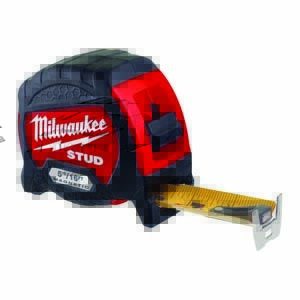
Milwaukee Guides and Measures
-
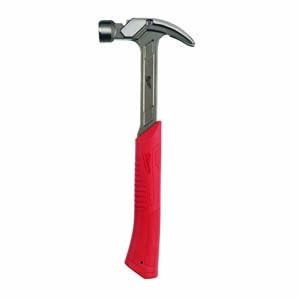
Milwaukee Demolition and Construction Tools
-
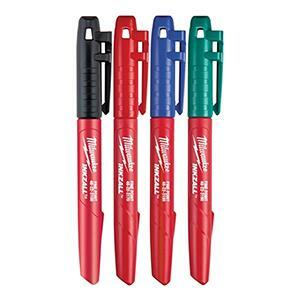
Milwaukee Pens, Pencils & Markers
-
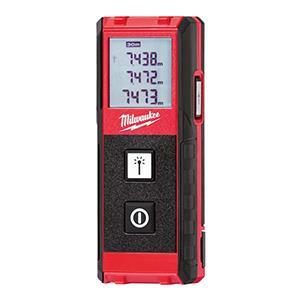
Milwaukee Lasers, Detectors & Digital Measures
-
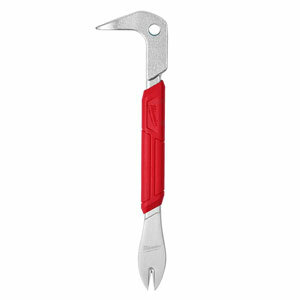
Milwaukee More Hand Tools
-
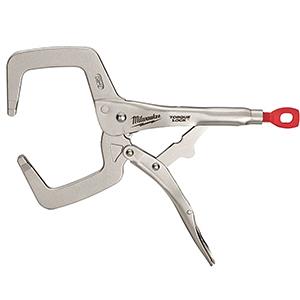
Milwaukee Clamps
-
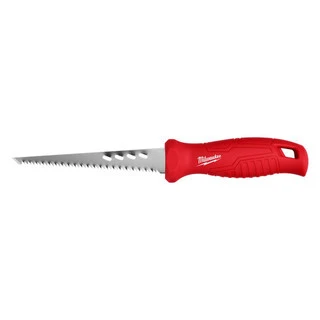
Milwaukee Hand Saws
-
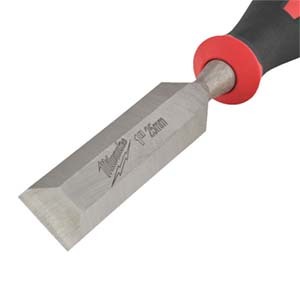
Milwaukee Wood Chisels
-
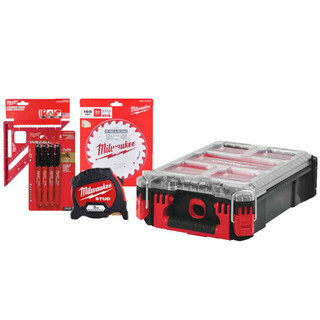
Milwaukee Hand Tool Kits



