Milwaukee Hand Saws
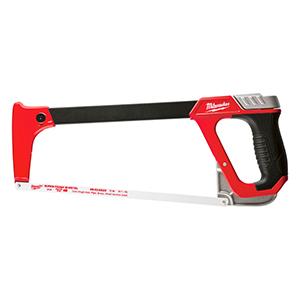
Milwaukee hand saw options are built for rough first fix, plasterboard cut-outs and fast timber trimming when power tools are overkill or just in the way.
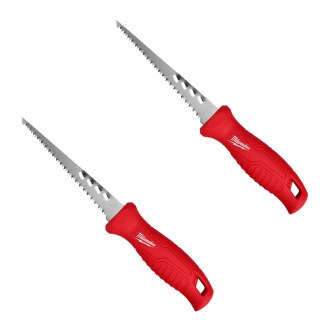
When you're cutting stud, trimming sheet or punching through plasterboard for boxes and access, a Milwaukee hand saw earns its keep fast. The Milwaukee jab saw is the one sparks and fitters reach for in tight spaces, while standard hand saws deal with timber and sheet cleanly without dragging out bigger kit. If you want site-ready saws that stay sharp and don't feel flimsy by Friday, start here.
What Are Milwaukee Hand Saws Used For?
- Cutting plasterboard for back boxes, access hatches and awkward openings is where a Milwaukee jab saw comes into its own, especially when you're working overhead or in tight corners.
- Trimming stud timber, battens and sheet material on first fix jobs is quicker with a Milwaukee hand saw when the cut is simple and not worth dragging a cordless saw through the house.
- Working in finished properties or refurbs often calls for quieter cutting, and these saws let you make controlled cuts without the noise, dust and fuss of powered kit.
- Sorting snagging work on doors, packers, plastic trims and lightweight board is easier when you've got a saw in the bag that cuts cleanly and does not chew up the job.
Choosing the Right Milwaukee Hand Saw
Match the saw to the material first. Buy the wrong tooth pattern or blade style and you will just make hard work for yourself.
1. Jab Saw or Standard Hand Saw
If you are cutting plasterboard, insulation board or making internal cut-outs, go for a Milwaukee jab saw. If you are trimming timber, sheet material or general site wood, you want a standard Milwaukee hand saw with a longer blade and better stroke.
2. Fine Cut or Aggressive Cut
If the job is visible finish work, finer teeth will leave a tidier edge and give you more control. If you are ripping through rough stud or general site timber, a more aggressive tooth pattern gets the cut done faster.
3. Handle Grip Matters More Than You Think
If it is only for the odd snagging job, most handles will do. If you are cutting all day, pick one with a proper grip and solid feel, because a poor handle will start hurting your hand long before the blade goes blunt.
4. Think About Where You Work
If you spend most of your time in refurbs, lofts and cupboards, compact saws and jab saws are easier to control. If you are mainly on open first fix, a full size hand saw will be quicker and straighter on longer cuts.
Who Uses These Saws?
- Sparkies keep a Milwaukee jab saw in the tool bag for quick plasterboard cuts, chasing access points and opening out board without reaching for an oscillating tool.
- Chippies use a Milwaukee hand saw for trimming stud, notching light timber and sorting quick cuts during first fix when speed matters more than setting up a bigger saw.
- Dryliners and maintenance teams rely on these for neat board cuts, patch repairs and access work where control matters and there is no room for bulky kit.
- Fitters, plumbers and general builders grab them for small timber and board jobs that crop up all day, especially in occupied properties where less noise is always better.
Useful Extras to Keep Your Saw Working on Site
A hand saw is simple kit, but the right extras save time, protect the blade and keep your cuts accurate.
1. Folding Rule or Tape Measure
Mark it right before you cut it. Sounds obvious, but half the wasted timber on site starts with guessing a quick cut instead of measuring it properly.
2. Speed Square
This gives you a straight line to work from when trimming stud, board or baton. It is a cheap fix for wonky cuts that end up needing a second trim.
3. Tool Bag or Blade Guard
Do not just throw a saw loose in the van. Protecting the teeth stops it getting knocked blunt against other gear before it even reaches the job.
Choose the Right Milwaukee Hand Saw for the Job
Here is the simple way to sort the right saw for the work in front of you.
| Your Job | Category or Type | Key Features |
|---|---|---|
| Cutting plasterboard for boxes and openings | Milwaukee jab saw | Pointed tip for plunge starts, compact blade, better control in board |
| Trimming stud timber and battens | Milwaukee hand saw | Longer blade, faster stroke, aggressive teeth for rough site timber |
| Snagging and small refurb cuts indoors | Fine tooth hand saw | Cleaner finish, less tear-out, easier to control in occupied spaces |
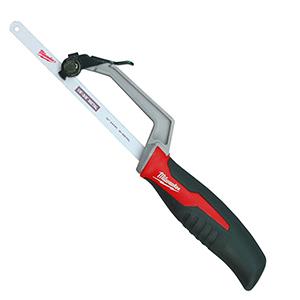
| Working in cupboards lofts and tight runs | Compact saw or jab saw | Shorter overall length, easier one handed positioning, less snagging |
| General van stock for mixed small jobs | One standard hand saw and one jab saw | Covers timber and board work without needing powered cutting kit |
Common Buying and Usage Mistakes
- Buying a jab saw for timber work is a common mistake. It will get through light material, but it is slow, awkward and the finish is rough compared with a proper Milwaukee hand saw.
- Choosing the most aggressive tooth pattern for every job usually ends in torn board and messy cuts. Match the teeth to the material if you want speed without wrecking the finish.
- Throwing the saw loose in the van blunts the teeth early and wastes your money. Keep it protected so it is still cutting properly when you need it on site.
- Forcing the cut instead of letting the teeth do the work tires you out and makes the blade wander. Start steady, keep the angle right and use full strokes where the blade allows it.
- Using a hand saw when the material really needs powered cutting slows the whole job down. For repetitive or heavy timber cutting, save your arm and move up to cordless saws.
Jab Saw vs Hand Saw vs Cordless Saw
Milwaukee Jab Saw
Best for plasterboard, insulation board and internal cut-outs where you need to start in the middle of the material. It is not the one for regular timber trimming or long straight cuts.
Milwaukee Hand Saw
This is the all-rounder for quick timber, baton and sheet cuts on site. It is faster and straighter than a jab saw on longer cuts, but slower than cordless kit if you are repeating the same cut all day.
Cordless Saw
The right call for repeated timber cutting, bigger material and faster production work. It saves time, but it is noisier, bulkier and often overkill for one quick trim or a single board opening.
Maintenance and Care
Brush Off Dust and Board Debris
After plasterboard or timber cuts, give the blade a quick clean. Packed dust and resin make the saw drag and leave rougher cuts on the next job.
Keep the Teeth Protected
The teeth do the work, so do not let them get battered in a toolbox. Store the saw flat, in a sleeve, or somewhere it is not rattling against metal gear all day.
Wipe Down if It Gets Wet
If the saw has been left in the rain or the back of a damp van, dry it off before storing it. That simple habit helps stop corrosion and keeps the blade running clean through timber and board.
Replace When the Cut Turns Into a Fight
Once the blade is blunt, bent or tearing material badly, stop kidding yourself and swap it out. A worn saw costs more in bad cuts and extra effort than a replacement ever will.
Why Shop for Milwaukee Hand Saws at ITS?
Whether you need a Milwaukee hand saw for timber trimming or a Milwaukee jab saw for board cut-outs, we stock the range in one place. You will also find related kit like Milwaukee More Hand Tools, plus alternatives including OX Tools Trade Hand Saws, OX Tools Pro Hand Saws and OX Tools Hand Saws. It is all held in our own warehouse and ready for next day delivery.
Milwaukee Hand Saw FAQs
Why are Milwaukee hand tools so expensive?
Because they are built for daily trade use, not the odd weekend job. You are paying for better steel, better handle design and saws that hold up to site abuse longer. That said, if you only cut the odd bit of timber once a month, you may not need Milwaukee money.
What is the best Milwaukee cordless saw?
There is no single best one because it depends on the cut. For quick timber trimming, a circular or reciprocating saw is usually the better shout. For this page though, hand saws are the right call when you want simple, quiet cuts without batteries, noise or setup.
Is it legal to carry a saw in the UK?
It can be, but you need a good reason. Carrying a saw to and from work, keeping it in the van with your kit, or taking it to site is not the same as carrying one casually in public. Store it properly, keep it with your tools, and use common sense.
Is a Milwaukee jab saw actually worth keeping in the bag?
Yes, if you cut plasterboard regularly. For back boxes, inspection openings and small access cuts, it is quicker and less hassle than setting up powered kit. It is one of those tools that seems basic until the day you really need it.
Will these saws handle rough site use or are they just for light snagging?
They are made for proper trade use and will take normal knocks, dust and van life well. They are tough, but they are not magic. Throwing them loose under bricks and metal all week will still blunt the teeth faster than it should.
What else should I look at if I need more than just saws?
If you are building out the hand tool bag, it is worth checking Milwaukee Other Gardening Hand Tools for outdoor cutting and clearance jobs as well as the rest of the Milwaukee hand tool range.