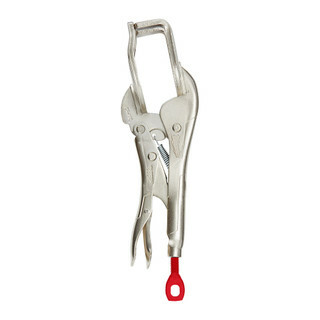
Milwaukee Clamps
Milwaukee clamps keep timber, trim and sheet stock locked up tight while you cut, glue, fix or assemble without the work shifting on you.
When you're trying to hold awkward material square on your own, a decent Milwaukee clamp saves time and bad language. These are the sort of clamps chippies, fitters and bench joiners reach for when they need solid pressure, quick adjustment and pads that do not mark finished faces. If you are building up cabinets, trimming doors or gluing up worktops, pick the size and throat depth that suits the job and get it sorted properly.
What Jobs Are Milwaukee Clamps Used For?
- Holding skirting, trims and door linings steady while you pin, screw or check your lines stops the work creeping just as you offer it up.
- Clamping glued timber joints on site or in the workshop gives you even pressure across the piece so boards pull together cleanly instead of drying with gaps.
- Securing sheet material or battens to a bench before cutting helps keep hands clear and stops the work shifting halfway through the pass.
- Fixing awkward assemblies during first and second fix makes one man jobs far easier, especially when you are lining up units, panels or framework on your own.
- Locking material in place while pairing up with Milwaukee Hand Saws gives you cleaner cuts and less chance of tearing the work about.
Choosing the Right Milwaukee Clamps
Sorting the right Milwaukee clamps is simple. Match the clamp length, pressure and access to the job, not whatever happens to be cheapest.
1. Clamp Capacity
If you are just holding trim, narrow boards or light sheet, a shorter Milwaukee clamp is easier to handle and quicker to place. If you are pulling together worktops, carcasses or wider assemblies, go longer or you will end up fighting the setup.
2. One Hand or Two
If you are up a ladder, working alone or constantly repositioning, one handed clamp action makes life much easier. If the job is more bench based and you want maximum squeeze, a heavier duty option is usually the better shout.
3. Jaw Depth and Access
Do not just look at overall length. If you need to reach past an edge, over a face frame or deeper into an assembly, throat depth matters just as much as clamping width.
4. Finished Work or Rough Timber
If you are clamping painted trim, veneered boards or finished panels, make sure the pads are doing their job and keep the faces clean. For rough framing or general site timber, marking is less of an issue than grip and speed.
Who Uses These on Site?
- Chippies use Milwaukee clamps for first fix and second fix work when they need both hands free to cut, screw or pin timber without it wandering.
- Kitchen fitters swear by them for pulling filler panels, end panels and worktop joints into line before final fixing, especially in tight runs where movement ruins the finish.
- Bench joiners and workshop lads use a Milwaukee clamp during glue ups and assembly work where steady pressure matters more than rushing the job.
- Shopfitters and maintenance teams keep them in the van for quick hold-and-fix work on repairs, trims and panel swaps where setting up a full bench is not happening.
- Anyone building out a hand tool loadout alongside Milwaukee Hand Tool Kits usually keeps a few clamp sizes ready because one size never covers every job.
Useful Extras to Get More from Milwaukee Clamps
A clamp does the holding, but the right cutting and finishing kit makes the whole setup quicker and cleaner.
1. Milwaukee Spring Clamps
Get a few Milwaukee Spring Clamps in the bag for fast temporary holds when you do not need full pressure. They save dragging out a bigger clamp just to keep a panel, dust sheet or trim piece from moving.
2. Milwaukee Wood Chisels
A clamped workpiece is far safer to pare, clean up or tweak with Milwaukee Wood Chisels. It stops the timber skating off the bench while you are trying to take a fine shaving or square up a housing.
3. Milwaukee Cutting Tools
Keeping material pinned properly while using Milwaukee Cutting Tools gives you straighter cuts and fewer slips. It is a simple way to avoid wrecking finished edges or wasting stock.
Choose the Right Milwaukee Clamps for the Job
Use the job in front of you to narrow down the right clamp style and size.
| Your Job | Milwaukee Clamp Type | Key Features |
|---|---|---|
| Holding trim, skirting or light stock for quick fixing | Compact one handed clamp | Fast setup, easy repositioning, enough pressure for light joinery and finish work |
| Gluing up boards, carcasses or cabinet parts | Heavy duty bar clamp | Higher clamping force, wider capacity, better for pulling joints tight and keeping assemblies square |
| Securing sheet material before sawing or trimming | Medium length clamp | Good reach across boards, stable grip on benches and trestles, quicker than setting multiple small clamps |
| Awkward one man fitting jobs on site | Trigger style Milwaukee clamp | One handed use, quick release, handy when the other hand is holding the work in place |
| Temporary holding of covers, trims or lighter pieces | Spring clamp | Fast on and off, light pressure, useful for short term holds rather than full glue pressure |
Common Buying and Usage Mistakes
- Buying clamps too short for the work is a classic mistake. You end up balancing the job badly or using force where the jaws do not reach, so measure the widest assemblies you actually build.
- Using a light duty clamp for glue ups or heavier joinery work usually means weak pressure and joints that do not pull in properly. If the job needs real squeeze, step up to a heavier clamp.
- Clamping straight onto finished faces without checking the pads can leave marks or trap grit into the surface. Wipe the pads and the material first, especially on painted or veneered work.
- Over tightening is just as bad as under tightening. Too much pressure can bow timber, shift alignment or squeeze out too much glue, so tighten only as much as the job needs.
- Leaving clamps damp and dirty in the van shortens their life fast. Clean off glue and site muck after use so the mechanism keeps moving properly.
One Handed Clamps vs Heavy Duty Clamps vs Spring Clamps
One Handed Clamps
Best when you are working solo and need to position and clamp in one move. They are quicker on site, but they usually do not match the squeeze of a proper heavy duty clamp for bigger glue ups.
Heavy Duty Clamps
These are the ones for pulling assemblies together, holding wider stock and applying stronger pressure. They are bulkier to handle, but if the joint has to close properly, this is where you start.
Spring Clamps
Good for light holding duties, covers, trims and quick temporary setups. They are handy to have, but they are not a replacement for a bar or trigger clamp when the work needs real control.
Maintenance and Care
Clean Off Glue and Dust
Wipe clamps down after use, especially after glue work. Dried glue on the bar or pads makes adjustment rough and can mark the next job.
Check Pads and Jaws
Look over the jaw faces for trapped grit, damage or loose pads. A clean pad protects finished timber far better than any apology after the mark is left.
Store Them Dry
Do not leave clamps rolling around damp in the van for weeks. Dry storage helps stop rust, keeps bars sliding properly and stops the mechanism stiffening up.
Replace Worn Parts Early
If pads are split or the mechanism is slipping, sort it before it ruins material or lets go under pressure. A worn clamp costs more in damaged work than it does to replace.
Why Shop for Milwaukee Clamps at ITS?
Whether you need a single Milwaukee clamp for snagging jobs or a full spread of sizes for bench work and site fitting, we stock the range in one place. That means trigger clamps, heavy duty options and the supporting Milwaukee hand tool kit to go with them, all in our own warehouse and ready for next day delivery.
Milwaukee Clamps FAQs
Can Milwaukee clamps be used for one-handed operation?
Yes, many Milwaukee clamps are built for one handed use, which is exactly what you want when you are holding trim, lining up sheet or working alone. The trigger style makes quick positioning easier, but for the heaviest squeeze on bigger glue ups, a larger heavy duty clamp is still the better option.
What is the maximum clamping force of Milwaukee heavy-duty clamps?
It depends on the exact clamp in the range, so always check the product spec before buying. In real use, Milwaukee heavy duty clamps are meant for jobs where a light quick grip will not pull the work in properly, such as cabinet assemblies, glued boards and wider joinery pieces.
Do Milwaukee clamps have non-marring pads to protect the material surface?
Yes, Milwaukee clamps commonly use protective pads to help stop marking finished timber, laminate and painted surfaces. They do the job well, but be sensible and keep the pads clean because trapped grit will still leave a mark if you are careless.
Are Milwaukee clamps any good for site work, or are they more for the bench?
They suit both. For bench work they are solid for glue ups and assemblies, and on site they are handy for holding linings, panels and timber while you fix off. Just match the clamp style to the job instead of expecting one clamp to cover every task.
Will these clamps hold up to rough van and site use?
Yes, they are built as proper trade hand tools, not flimsy hobby gear. That said, any clamp will suffer if it is left buried under rubble, covered in glue or kicked round the back of the van for months, so a quick clean and sensible storage still matter.
What size Milwaukee clamp should I start with?
Start with the size that covers the work you do most, not the occasional awkward job. For trim and general fitting, a compact to medium clamp is usually the most useful. If you regularly build cabinets, worktops or larger joinery, buy longer heavy duty clamps straight away.