



Milwaukee Pens, Pencils & Markers Milwaukee Pens, Pencils & Markers

Milwaukee Pens, Pencils & Markers

Milwaukee pencil and marker gear is built for clear marks on timber, block, pipe and steel, so setting out stays sharp even when site conditions turn rough.

If you're marking up studwork, first fix routes or cut lines on dusty gear, a decent milwaukee pencil or Milwaukee Inkzall saves time and guesswork. These are the sort of Milwaukee pens and markers trades keep in a pocket because they write when cheap ones dry up. If you want marks you can still read by the end of the shift, this is the range to start with.

What Are Milwaukee Pens, Pencils and Markers Used For?

  • Marking out timber for first fix stud walls, noggins and sheet cuts is where a Milwaukee pencil earns its keep, especially when you're working fast and need a line that stays visible.
  • Writing on dusty block, concrete and plasterboard before drilling or chasing is exactly what Milwaukee Inkzall markers are for, giving you a clear reference instead of a line that disappears under site dirt.
  • Labelling pipework, conduits, trunking and stored materials in plant rooms or service areas is easier with a Milwaukee marker pen that can handle awkward surfaces and damp conditions.
  • Snagging, measuring and punch list work on refurbs and handovers suits Milwaukee pens because you can keep one clipped in a pocket and make quick notes without rummaging through the bag.
  • Setting out cuts on metal, cable tray or sheet material is far less hit and miss when Milwaukee markers leave a bold line you can actually see under poor site lighting.

Choosing the Right Milwaukee Pens and Pencils

Match the point and ink to the surface you are actually marking. That is what stops wasted marks and wasted time.

1. Pencil or Marker

If you are working mainly on timber, sheet material and general set out, go with a Milwaukee pencil. If you are marking block, pipe, metal, dusty boards or mixed site surfaces, a Milwaukee marker pen or Inkzall is usually the better call.

2. Fine Point or Bold Tip

If you need neat, accurate marks for cut lines and measurements, pick a finer tip. If you are writing labels, service notes or marks that need seeing from a step back, a broader Milwaukee marker gives you a line that stands out properly.

3. Surface Conditions

Do not ignore the surface. If the job is wet, dusty or greasy, buy the marker made for rough site conditions rather than a basic pen that only behaves on clean paper.

4. Singles or Packs

If it is just for the tool bag, a single is fine. If you run a crew, lose markers regularly or want spares in the van, stores and site box, multi packs make far more sense than getting caught short mid job.

Who Uses These on Site?

  • Sparkies use Milwaukee markers and pens for marking back box positions, cable routes and board labelling, especially during first fix when quick clear notes stop mistakes later on.
  • Chippies reach for a Milwaukee pencil when setting out studwork, trimming sheet timber or marking repeat cuts, because a visible line matters more than fancy features.
  • Plumbers and heating engineers use Milwaukee Inkzall markers on pipe, copper, plastic and trunking so runs, cuts and identifications stay clear while the job moves on.
  • Dryliners, ceiling fixers and fit out teams keep Milwaukee pens in a pocket for mark ups, snagging notes and quick measurements when moving room to room all day.
  • Site managers and maintenance teams use them for labelling materials, writing on tickets and sorting handover issues, because they need marking kit that does not pack up halfway through the shift.

The Basics: Understanding Milwaukee Pens, Pencils and Markers

The main difference is not complicated. It comes down to what you are marking on and how long that mark needs to last on site.

1. Pencils for Set Out

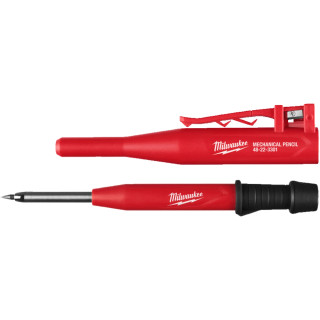
A Milwaukee pencil is the one for timber, boards and general measuring out. It gives you a controllable line for cutting and fixing, and it is the right choice when accuracy matters more than boldness.

2. Markers for Rough Surfaces

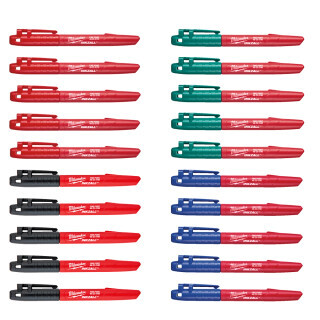
Milwaukee Inkzall and other Milwaukee markers are built to write on surfaces a normal pen struggles with, like dusty block, pipework, metal and plasterboard. That means less remarking and less second guessing once the job gets moving.

3. Pens for Notes and Snagging

A Milwaukee pen is better suited to paperwork, tags, notes and quick lists. It is the everyday pocket option when you are not trying to mark rough materials but still want site kit that holds up better than a cheap biro.

Useful Extras for Milwaukee Pens and Markers

A few simple extras keep your marking kit useful across more jobs and stop hold ups when one marker goes missing or runs dry.

1. Spare Marker Packs

A spare pack saves you from that usual site problem where the only decent marker has vanished into someone else's pocket. Keep extras in the van, site box and tool bag so you are not scratching around with a blunt pencil stub.

2. Refills or Replacement Pencils

If your setting out depends on a Milwaukee pencil, keep replacements handy. It is a cheap fix for a very annoying problem when the point goes, the lead snaps or the pencil gets left on the last floor.

3. Tool Pouch or Pocket Organiser

A small pouch stops pens and markers being crushed, lost or buried under fixings. You will be grateful for it when you need to mark out quickly instead of emptying pockets on the deck.

Choose the Right Milwaukee Pens and Markers for the Job

Use this quick guide to sort the right marking kit for the work in front of you.

Your Job Marker or Pencil Type Key Features
Setting out timber studwork and sheet cuts Milwaukee pencil Controlled line, easy measuring marks, better for accurate cut work
Marking dusty block and plasterboard before drilling Milwaukee Inkzall marker Bold visible line, writes on rough surfaces, easier to read after dust builds up
Labelling pipework, trunking and stored materials Milwaukee marker pen Strong ink, clear lettering, useful on mixed site materials
Snagging, note taking and paperwork Milwaukee pen Pocket friendly, quick for notes, better for paper and tags than thick markers
Keeping multiple vans or site boxes stocked Multi pack pens or markers Better value, fewer lost time issues, easier to spread across the team

Common Buying and Usage Mistakes

  • Buying a standard pen for dusty or rough materials is a common mistake. It usually means faint marks, clogged tips and doing the job twice, so use a proper Milwaukee marker where the surface is the problem.
  • Choosing a broad marker for precision cut lines can cost you accuracy. If the mark needs to be exact, use a Milwaukee pencil or fine tip marker instead of guessing off a fat line.
  • Only carrying one marker or pencil is asking for trouble on site. They go missing, get borrowed or dry out, so keep spares in the van and tool bag.
  • Using the wrong colour on dark materials wastes time because you cannot read the line properly. Match the marker colour to the surface so your marks stay visible under site lighting.
  • Leaving markers uncapped or loose in the bottom of the bag shortens their life fast. Cap them properly and store them where the tip is not getting battered by screws and fixings.

Milwaukee Pencil vs Milwaukee Pen vs Milwaukee Inkzall

Milwaukee Pencil

Best for joinery set out, timber work and accurate cut marks. It is the right pick when you need control and a fine line, but it is less useful on wet, greasy or heavily dusted surfaces.

Milwaukee Pen

Better for notes, snagging sheets, labels and paperwork. Handy in a pocket all day, but not the tool to rely on for rough concrete, pipework or dirty site materials.

Milwaukee Inkzall

This is the one for proper site surfaces. If you need bold marks on block, metal, plasterboard or pipe, Inkzall is the stronger choice, though it can be too heavy for precise measuring lines.

Maintenance and Care

Keep Tips and Points Protected

Cap markers properly after use and do not leave pencils rattling around with loose fixings. Most damage comes from being crushed in pockets or tool bags, not from actual use.

Store Them Dry

Pens and markers cope with site life, but they still last longer if they are not left soaking in the bottom of a wet van door pocket. A dry pouch or organiser is the better option.

Clean Off Built Up Dust

Wipe the body and cap down now and then, especially after blockwork or plasterboard jobs. Dust build up around the cap and tip is what usually stops a marker sealing properly.

Replace Before They Cost You Time

If the line is fading, the tip is mashed or the pencil no longer holds a proper point, replace it. Marking kit is cheap compared with wasted cuts, missed measurements or unreadable labels.

Why Shop for Milwaukee Pens and Markers at ITS?

Whether you need a single Milwaukee pen for snagging, a Milwaukee pencil for daily set out or packs of Milwaukee Inkzall markers for the whole team, we stock the range in depth. You will also find alternatives like OX Tools Trade Pens, Pencils & Markers, OX Tools Permant Markers & Marker Pens, OX Tools Permanent Markers & Marker Pens, OX Tools Pens, Pencils & Markers and Vaunt Permant Markers & Marker Pens. It is all held in our own warehouse, in stock and ready for next day delivery.

Milwaukee Pens, Pencils and Markers FAQs

Does Milwaukee make pens?

Yes. Milwaukee makes pens, pencils and marker pens for trade use, including Milwaukee Inkzall markers and everyday writing pens. They are aimed at site marking, labelling and note taking rather than cheap office use.

What marker does Tiger Woods use?

That is not really the question that matters on site. If you need a marker for timber, block, pipe or metal, focus on whether it writes on rough surfaces and stays readable. Milwaukee Inkzall markers are built for that sort of trade job.

Are Milwaukee pens good for everyday use?

Yes, for trade everyday use they are solid. They suit snagging, notes, labels and paperwork well, and they hold up better in a pocket, van or site bag than the usual throwaway pens. For rough materials though, a Milwaukee marker is the better tool.

What is Milwaukee's most expensive tool?

That changes across the range and is not relevant to choosing pens or markers. For this category, the smarter question is whether you need a pencil, pen or Inkzall marker, because that is what affects the job and how well your marks hold up.

Will Milwaukee markers write on dusty block and plasterboard?

Yes, that is one of the main reasons trades buy them. They are made for rougher site surfaces where a normal pen struggles, so marks stay bolder and easier to see during drilling, chasing and fixing out.

Are Milwaukee pencils any good for joinery and set out?

Yes, if your main job is marking timber, boards and cut lines, a Milwaukee pencil is a sensible buy. It gives you a cleaner, more accurate line than a chunky marker and makes more sense for first fix and bench work.
Read more

Milwaukee Pens, Pencils & Markers

Milwaukee pencil and marker gear is built for clear marks on timber, block, pipe and steel, so setting out stays sharp even when site conditions turn rough.

If you're marking up studwork, first fix routes or cut lines on dusty gear, a decent milwaukee pencil or Milwaukee Inkzall saves time and guesswork. These are the sort of Milwaukee pens and markers trades keep in a pocket because they write when cheap ones dry up. If you want marks you can still read by the end of the shift, this is the range to start with.

What Are Milwaukee Pens, Pencils and Markers Used For?

  • Marking out timber for first fix stud walls, noggins and sheet cuts is where a Milwaukee pencil earns its keep, especially when you're working fast and need a line that stays visible.
  • Writing on dusty block, concrete and plasterboard before drilling or chasing is exactly what Milwaukee Inkzall markers are for, giving you a clear reference instead of a line that disappears under site dirt.
  • Labelling pipework, conduits, trunking and stored materials in plant rooms or service areas is easier with a Milwaukee marker pen that can handle awkward surfaces and damp conditions.
  • Snagging, measuring and punch list work on refurbs and handovers suits Milwaukee pens because you can keep one clipped in a pocket and make quick notes without rummaging through the bag.
  • Setting out cuts on metal, cable tray or sheet material is far less hit and miss when Milwaukee markers leave a bold line you can actually see under poor site lighting.

Choosing the Right Milwaukee Pens and Pencils

Match the point and ink to the surface you are actually marking. That is what stops wasted marks and wasted time.

1. Pencil or Marker

If you are working mainly on timber, sheet material and general set out, go with a Milwaukee pencil. If you are marking block, pipe, metal, dusty boards or mixed site surfaces, a Milwaukee marker pen or Inkzall is usually the better call.

2. Fine Point or Bold Tip

If you need neat, accurate marks for cut lines and measurements, pick a finer tip. If you are writing labels, service notes or marks that need seeing from a step back, a broader Milwaukee marker gives you a line that stands out properly.

3. Surface Conditions

Do not ignore the surface. If the job is wet, dusty or greasy, buy the marker made for rough site conditions rather than a basic pen that only behaves on clean paper.

4. Singles or Packs

If it is just for the tool bag, a single is fine. If you run a crew, lose markers regularly or want spares in the van, stores and site box, multi packs make far more sense than getting caught short mid job.

Who Uses These on Site?

  • Sparkies use Milwaukee markers and pens for marking back box positions, cable routes and board labelling, especially during first fix when quick clear notes stop mistakes later on.
  • Chippies reach for a Milwaukee pencil when setting out studwork, trimming sheet timber or marking repeat cuts, because a visible line matters more than fancy features.
  • Plumbers and heating engineers use Milwaukee Inkzall markers on pipe, copper, plastic and trunking so runs, cuts and identifications stay clear while the job moves on.
  • Dryliners, ceiling fixers and fit out teams keep Milwaukee pens in a pocket for mark ups, snagging notes and quick measurements when moving room to room all day.
  • Site managers and maintenance teams use them for labelling materials, writing on tickets and sorting handover issues, because they need marking kit that does not pack up halfway through the shift.

The Basics: Understanding Milwaukee Pens, Pencils and Markers

The main difference is not complicated. It comes down to what you are marking on and how long that mark needs to last on site.

1. Pencils for Set Out

A Milwaukee pencil is the one for timber, boards and general measuring out. It gives you a controllable line for cutting and fixing, and it is the right choice when accuracy matters more than boldness.

2. Markers for Rough Surfaces

Milwaukee Inkzall and other Milwaukee markers are built to write on surfaces a normal pen struggles with, like dusty block, pipework, metal and plasterboard. That means less remarking and less second guessing once the job gets moving.

3. Pens for Notes and Snagging

A Milwaukee pen is better suited to paperwork, tags, notes and quick lists. It is the everyday pocket option when you are not trying to mark rough materials but still want site kit that holds up better than a cheap biro.

Useful Extras for Milwaukee Pens and Markers

A few simple extras keep your marking kit useful across more jobs and stop hold ups when one marker goes missing or runs dry.

1. Spare Marker Packs

A spare pack saves you from that usual site problem where the only decent marker has vanished into someone else's pocket. Keep extras in the van, site box and tool bag so you are not scratching around with a blunt pencil stub.

2. Refills or Replacement Pencils

If your setting out depends on a Milwaukee pencil, keep replacements handy. It is a cheap fix for a very annoying problem when the point goes, the lead snaps or the pencil gets left on the last floor.

3. Tool Pouch or Pocket Organiser

A small pouch stops pens and markers being crushed, lost or buried under fixings. You will be grateful for it when you need to mark out quickly instead of emptying pockets on the deck.

Choose the Right Milwaukee Pens and Markers for the Job

Use this quick guide to sort the right marking kit for the work in front of you.

Your Job Marker or Pencil Type Key Features
Setting out timber studwork and sheet cuts Milwaukee pencil Controlled line, easy measuring marks, better for accurate cut work
Marking dusty block and plasterboard before drilling Milwaukee Inkzall marker Bold visible line, writes on rough surfaces, easier to read after dust builds up
Labelling pipework, trunking and stored materials Milwaukee marker pen Strong ink, clear lettering, useful on mixed site materials
Snagging, note taking and paperwork Milwaukee pen Pocket friendly, quick for notes, better for paper and tags than thick markers
Keeping multiple vans or site boxes stocked Multi pack pens or markers Better value, fewer lost time issues, easier to spread across the team

Common Buying and Usage Mistakes

  • Buying a standard pen for dusty or rough materials is a common mistake. It usually means faint marks, clogged tips and doing the job twice, so use a proper Milwaukee marker where the surface is the problem.
  • Choosing a broad marker for precision cut lines can cost you accuracy. If the mark needs to be exact, use a Milwaukee pencil or fine tip marker instead of guessing off a fat line.
  • Only carrying one marker or pencil is asking for trouble on site. They go missing, get borrowed or dry out, so keep spares in the van and tool bag.
  • Using the wrong colour on dark materials wastes time because you cannot read the line properly. Match the marker colour to the surface so your marks stay visible under site lighting.
  • Leaving markers uncapped or loose in the bottom of the bag shortens their life fast. Cap them properly and store them where the tip is not getting battered by screws and fixings.

Milwaukee Pencil vs Milwaukee Pen vs Milwaukee Inkzall

Milwaukee Pencil

Best for joinery set out, timber work and accurate cut marks. It is the right pick when you need control and a fine line, but it is less useful on wet, greasy or heavily dusted surfaces.

Milwaukee Pen

Better for notes, snagging sheets, labels and paperwork. Handy in a pocket all day, but not the tool to rely on for rough concrete, pipework or dirty site materials.

Milwaukee Inkzall

This is the one for proper site surfaces. If you need bold marks on block, metal, plasterboard or pipe, Inkzall is the stronger choice, though it can be too heavy for precise measuring lines.

Maintenance and Care

Keep Tips and Points Protected

Cap markers properly after use and do not leave pencils rattling around with loose fixings. Most damage comes from being crushed in pockets or tool bags, not from actual use.

Store Them Dry

Pens and markers cope with site life, but they still last longer if they are not left soaking in the bottom of a wet van door pocket. A dry pouch or organiser is the better option.

Clean Off Built Up Dust

Wipe the body and cap down now and then, especially after blockwork or plasterboard jobs. Dust build up around the cap and tip is what usually stops a marker sealing properly.

Replace Before They Cost You Time

If the line is fading, the tip is mashed or the pencil no longer holds a proper point, replace it. Marking kit is cheap compared with wasted cuts, missed measurements or unreadable labels.

Why Shop for Milwaukee Pens and Markers at ITS?

Whether you need a single Milwaukee pen for snagging, a Milwaukee pencil for daily set out or packs of Milwaukee Inkzall markers for the whole team, we stock the range in depth. You will also find alternatives like OX Tools Trade Pens, Pencils & Markers, OX Tools Permant Markers & Marker Pens, OX Tools Permanent Markers & Marker Pens, OX Tools Pens, Pencils & Markers and Vaunt Permant Markers & Marker Pens. It is all held in our own warehouse, in stock and ready for next day delivery.

Milwaukee Pens, Pencils and Markers FAQs

Does Milwaukee make pens?

Yes. Milwaukee makes pens, pencils and marker pens for trade use, including Milwaukee Inkzall markers and everyday writing pens. They are aimed at site marking, labelling and note taking rather than cheap office use.

What marker does Tiger Woods use?

That is not really the question that matters on site. If you need a marker for timber, block, pipe or metal, focus on whether it writes on rough surfaces and stays readable. Milwaukee Inkzall markers are built for that sort of trade job.

Are Milwaukee pens good for everyday use?

Yes, for trade everyday use they are solid. They suit snagging, notes, labels and paperwork well, and they hold up better in a pocket, van or site bag than the usual throwaway pens. For rough materials though, a Milwaukee marker is the better tool.

What is Milwaukee's most expensive tool?

That changes across the range and is not relevant to choosing pens or markers. For this category, the smarter question is whether you need a pencil, pen or Inkzall marker, because that is what affects the job and how well your marks hold up.

Will Milwaukee markers write on dusty block and plasterboard?

Yes, that is one of the main reasons trades buy them. They are made for rougher site surfaces where a normal pen struggles, so marks stay bolder and easier to see during drilling, chasing and fixing out.

Are Milwaukee pencils any good for joinery and set out?

Yes, if your main job is marking timber, boards and cut lines, a Milwaukee pencil is a sensible buy. It gives you a cleaner, more accurate line than a chunky marker and makes more sense for first fix and bench work.

ITS Click and Collect Icon
What3Words:
Get Directions
Store Opening Hours
Opening times