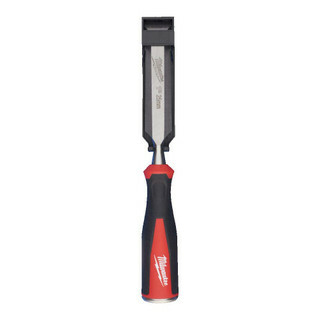
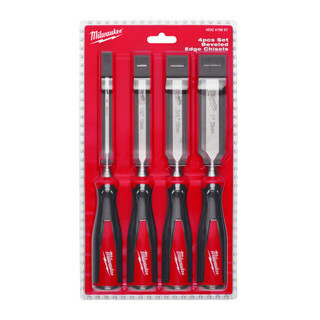
Milwaukee Wood Chisels
Milwaukee chisel set options are built for clean timber work, site fitting, and proper striking without handles loosening or edges giving up too early.
If you're chopping hinges, cleaning out joints, or trimming timber that machine cuts can't finish, a decent Milwaukee Wood Chisel Sets choice saves time and your knuckles. Milwaukee chisels are made for site abuse, with solid striking caps, edge retention that stands up in hardwood, and handles that feel planted in the hand. If you only need one width for repeat work, look at Milwaukee Individual Wood Chisels and get the size you actually use.
What Are Milwaukee Chisel Sets Used For?
- Chopping hinge recesses on door linings and doors is where a Milwaukee chisel set earns its keep, giving chippies clean corners and controlled cuts without the edge folding over too quickly.
- Cleaning out mortices, housings, and awkward timber joints on first fix is easier with Milwaukee chisels because the handles are built to take repeated striking when the router cannot reach.
- Trimming swollen timber, shaving tight spots, and sorting snagging work on second fix jobs is a common use, especially when a quick hand cut is faster than dragging out power tools.
- Working through hardwood on stair parts, frames, and joinery repairs suits Milwaukee chisels well, as the blades are made to keep a usable edge longer between sharpenings.
- Pairing up with Milwaukee Hand Saws makes sense when you are cutting and finishing timber by hand on fit-out, bench work, or tidy adjustment jobs.
Choosing the Right Milwaukee Chisel Set
Sorting the right one is simple: buy the widths you genuinely use, not a big set that lives untouched in the van.
1. Set or Single Chisel
If you are doing mixed joinery, door work, and general fitting, a set makes sense because you will need different widths through the day. If you mainly cut the same hinge recesses or latch keeps, a single Milwaukee chisel in the right size is usually the smarter buy.
2. Widths That Match the Job
Narrow chisels are handy for corners, small housings, and detailed work, but they are slower for clearing waste. Wider chisels speed up hinge gains, paring, and flattening the bottom of recesses, so match the blade width to the timber work you do most.
3. Striking Use Matters
If your chisels are going to be hit all day on site, do not mess about with light-duty handles. Milwaukee chisels with proper striking caps and an all-metal core are the ones to look at when you need them to take repeated hammer blows without working loose.
4. Edge Holding vs Sharpening Time
If you are into hardwoods, stair work, or fitted joinery, edge retention matters because stopping to sharpen every hour gets old fast. For rougher softwood work you can get away with more, but on denser timber a blade that holds up properly will save you time over a week on site.
Who Uses These on Site?
- Chippies use Milwaukee chisel sets for hanging doors, cutting hinge gains, and cleaning up joints where accuracy matters more than speed.
- Joiners keep a Milwaukee chisel in the bag for bench work, hardwood fitting, and trimming components that need a cleaner finish than a multi tool leaves behind.
- Shopfitters reach for these when scribing counters, easing frames, and making tight on-site adjustments without dragging bigger kit through finished areas.
- Maintenance teams and snagging crews swear by them for quick timber repairs, lock recesses, and small corrective cuts that turn into a mess with the wrong blade.
Accessories That Make Milwaukee Chisels More Useful
A few sensible extras make timber fitting quicker, cleaner, and less frustrating on site.
1. Sharpening Stones and Honing Guides
A blunt chisel tears timber, wanders off line, and turns an easy hinge recess into a patch-up job. Keep a proper sharpening setup handy so your Milwaukee chisel set stays cutting clean instead of bruising the wood.
2. Mallets or Hammers
If you are striking chisels regularly, use the right hammer or mallet for controlled blows instead of battering the handle with whatever is nearest. It makes chopping cleaner and saves needless damage to both tool and workpiece.
3. Milwaukee Clamps
Trying to pare or chop timber one-handed is how slips happen and edges get buried in finished work. A couple of Milwaukee Clamps keep the piece still so you can work accurately and safely.
4. Milwaukee Cutting Tools
When the timber job needs marking, cutting, trimming, and final clean-up, it pays to keep the whole hand tool setup together. Milwaukee Cutting Tools help with the rough cut before the chisel finishes the detail properly.
Choose the Right Milwaukee Chisel Set for the Job
Pick the blade widths around the timber work you do most often.
| Your Job | Chisel or Set Type | Key Features |
|---|---|---|
| Hanging doors and cutting hinge gains | Mid-width chisel set | Useful everyday sizes, striking cap, blades that pare and chop cleanly. |
| Bench joinery and hardwood fitting | Full Milwaukee chisel set | Range of widths for joints and recesses, better edge holding, solid grip in hand. |
| Repeat latch and keep recess work | Individual Milwaukee chisel | Buy the width you actually use, easier to keep as a dedicated site chisel. |
| Snagging and trimming on finished jobs | Compact set or single wider chisel | Quick paring, easy van storage, handy for shaving tight spots and easing timber. |
Common Buying and Usage Mistakes
- Buying the biggest set going without checking the blade widths you actually use just means extra cost and dead weight in the tool bag. For repeat site work, the right few sizes are worth more than a padded-out set.
- Using a blunt chisel because it still sort of cuts is a sure way to tear timber and slip off the line. Keep the edge maintained and the tool will work faster, cleaner, and safer.
- Using the wrong width for hinge recesses or lock work slows everything down and leaves a rough finish. Match the blade to the recess so you are not wasting time clearing corners the hard way.
- Belting a light-duty chisel with a hammer all day will loosen handles and shorten tool life. If the job involves repeated striking, stick with Milwaukee chisels designed for it and use the striking cap properly.
- Throwing chisels loose in the van knocks the edges about before you even start work. Store them properly and you will spend less time regrinding damaged blades.
Chisel Sets vs Individual Chisels vs Multi Tools
Milwaukee Chisel Set
Best if you are doing mixed joinery, door fitting, and general site carpentry where different blade widths get used through the day. It costs more up front than a single chisel, but it covers more jobs properly.
Milwaukee Individual Chisel
Better if you know the exact size you need for repeat work like hinges, keeps, or bench trimming. It is the sensible option when one width does most of your graft and you do not need a full set.
Multi Tool
Useful for speed and rough cutting, but it will not give the same clean corners or paring control as a proper Milwaukee chisel. Good for bulk removal, not the best choice for a neat finished recess.
Maintenance and Care
Keep the Edge Sharp
A chisel should cut cleanly with control, not crush its way through. Touch the edge up little and often rather than waiting until it is completely gone.
Wipe Blades After Use
Dust, resin, and damp left on the blade will shorten its life and encourage corrosion. A quick wipe before it goes back in the bag saves grief later.
Protect the Cutting Edge
Do not leave Milwaukee chisels rattling about against fixings and other hand tools in the van. Use blade guards, a roll, or proper storage so the edge stays ready for work.
Check the Striking End
If you use a hammer on the striking cap, inspect it now and then for mushrooming or damage. A quick check keeps the tool safe and stops broken material shedding under impact.
Replace When the Blade Is Past It
If a chisel has been overheated, chipped badly, or ground back so far it no longer works for the job, retire it. Fighting worn-out edges wastes time and ruins finish quality.
Why Shop for Milwaukee Chisels at ITS?
Whether you need a full Milwaukee chisel set for joinery work or a single replacement Milwaukee chisel for daily site use, we stock the range. That means sets, individual sizes, and the Milwaukee hand tools that go with them, all in our own warehouse and ready for next day delivery.
Milwaukee Chisel Set FAQs
Do Milwaukee wood chisels feature an all-metal core?
Yes. Milwaukee wood chisels are built with an all-metal core running through the handle, which is exactly what you want on site if the tool is going to see regular striking. It gives the chisel a more solid feel in the hand and helps it stand up better to repeated hammer use than light-duty site chisels.
Can you use a hammer on the striking cap of Milwaukee chisels?
Yes, that is what the striking cap is there for. Milwaukee chisels are made to take hammer blows for chopping and clearing timber, not just light hand paring. As ever, use sensible strikes rather than wild swings, and keep an eye on the cap condition if the chisel gets hammered hard every day.
How well do Milwaukee chisels hold their edge in hardwood?
They hold up well in hardwood compared with basic site chisels, which matters when you are working on oak, stair parts, or dense joinery timber. They are not magic and they will still need sharpening, but they stay usable longer and do not give up as quickly once the job gets tougher.
Should I buy a Milwaukee chisel set or individual Milwaukee chisels?
Buy a set if you handle mixed carpentry and joinery through the week, because different widths save time on different cuts. Buy individual Milwaukee chisels if you keep reaching for the same size for hinges, latch recesses, or snagging work and want a dedicated blade for that job.
Are Milwaukee chisels just for joiners, or are they good for general site work too?
They are well suited to both. Joiners and chippies will get the most from them for accurate timber work, but they are equally handy for general site fitting, door work, timber trimming, and snagging where a quick clean hand cut beats setting up a power tool.
What else should I keep with a Milwaukee chisel set on site?
At minimum, keep a sharpening setup, a suitable hammer or mallet, and something to hold the timber properly. If you are working across timber fitting jobs, it also helps to carry the right saws and cutting gear so the chisel is doing the finishing work, not all the heavy clearing on its own.