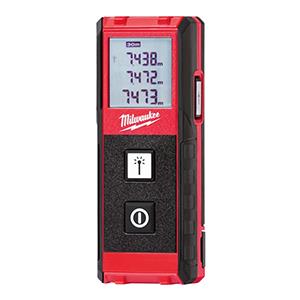
Milwaukee Lasers, Detectors & Digital Measures
Milwaukee laser measure kit helps you set out fast, check distances properly, and work cleaner on site, from first fix to final fit without guesswork.
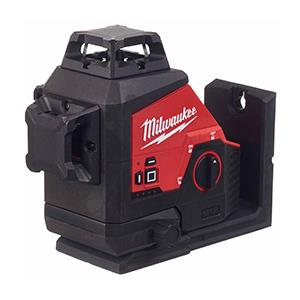
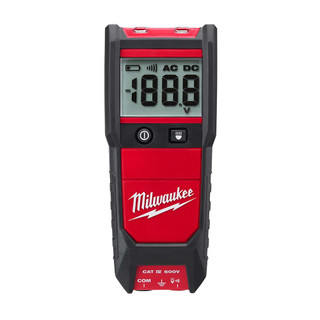
When you're measuring room runs, ceiling heights, service routes or long fence lines, a Milwaukee laser measure saves messing about with tapes that bend, sag or need a second pair of hands. For indoor fitting work and bigger site set-out alike, Milwaukee gives you clear readouts, solid housings and straightforward controls that stand up to daily van life. If you're also working with a milwaukee laser receiver or milwaukee laser detector for brighter outdoor conditions, it pays to match the kit to the job and buy once, properly. If you want measuring gear that speeds things up and cuts down on rework, start here. For cordless platform options, see Milwaukee M18 Lasers, Detectors & Digital Measures, Milwaukee M12 Lasers, Detectors & Digital Measures, plus Vaunt X Lasers, Detectors & Digital Measures, Vaunt Lasers, Detectors & Digital Measures and Trend Lasers, Detectors & Digital Measures.
What Are Milwaukee Laser Measures Used For?
- Measuring room lengths, ceiling heights and floor areas on first visits saves you dragging a tape through furnished spaces or across fresh screed.
- Setting out stud walls, kitchen runs and fitted joinery gives you quicker dimensions and fewer errors when you are working alone.
- Checking long service routes for pipe, tray or conduit runs helps sparkies and plumbers price work properly before the first cut is made.
- Using a milwaukee laser receiver or milwaukee laser detector outdoors makes it easier to pick up beams in brighter light when you are levelling over longer distances.
- Recording measurements for surveys, snagging and final handover cuts down on scribbled notes and repeat trips back to site.
Choosing the Right Milwaukee Laser Measure
Sort the right one by the job distance, the site conditions and whether you just need measurements or full beam detection as well.
1. Range First
If you are mostly measuring kitchens, rooms and internal fit-outs, a shorter range unit will do the job fine. If you are pricing larger commercial areas, warehouse bays or external runs, go longer so you are not walking measurements in stages.
2. Measure or Detect
Do not mix the jobs up. A Milwaukee laser measure is for taking distance, area and volume readings. A milwaukee laser receiver or milwaukee laser detector is what you need when you are trying to find a laser line outdoors or across bright spaces.
3. Indoor Fit-Out or Outdoor Set-Out
If most of your work is inside, prioritise a clear screen, simple mode changes and decent memory functions. If you work outside a lot, build your kit around compatibility with receivers and detectors so the beam is still usable in daylight.
4. Connectivity and Record Keeping
If you are surveying, quoting or sending measurements back to the office, Bluetooth models are worth paying for. If you just need fast site dimensions and nothing more, keep it simple and spend the money on the right range and protection instead.
Who Uses These on Site?
- Sparkies use a Milwaukee laser measure for sizing cable runs, checking switch and board positions, and measuring ceiling drops without fighting a tape on their own.
- Chippies and kitchen fitters rely on them for room widths, worktop spans and awkward corner measurements where a bent tape can put a whole run out.
- Plumbers and heating engineers keep one handy for pipe routes, radiator centres and plant room checks, especially when working around finished walls and floors.
- Site managers, estimators and surveyors use them for quick site checks, take-offs and snagging because they are faster to read and easier to log over repeated visits.
- Groundworkers and external teams pair laser kit with a milwaukee laser receiver or milwaukee laser detector when they need readable levelling information in daylight.
The Basics: Understanding Milwaukee Laser Measures and Detectors
These bits of kit do different jobs, and getting that straight before you buy saves a lot of grief. Here is the simple version that matters on site.
1. Laser Measures
A Milwaukee laser measure fires a beam to a target point and calculates the distance back to the unit. That gives you quick, one-man measurements for room sizes, ceiling heights, area and volume without needing someone to hold the other end of a tape.
2. Laser Receivers and Detectors
A milwaukee laser receiver or milwaukee laser detector does not measure a room for you. Its job is to pick up a laser beam from a level when the line is hard to see, especially outdoors or over longer distances in strong light.
3. Self Levelling Means the Level, Not the Measure
Self levelling is usually a feature on line and rotary lasers, not standard laser distance measures. If you need straight level reference lines for setting out, that is a different tool from a handheld distance measurer.
Accessories That Keep Laser Measuring Useful on Site
A few proper extras make the kit quicker to use, easier to read and less likely to let you down halfway through a job.
1. Tripods
A tripod keeps laser gear steady when you are checking repeated heights or setting out over distance. It saves the usual wobble, rechecking and bad readings you get when balancing kit on blocks, buckets or whatever is nearest.
2. Targets and Reflective Plates
These help the beam read more cleanly over awkward surfaces, darker finishes or longer spans. Worth having when you are measuring across bright rooms or trying to get reliable returns off uneven backgrounds.
3. Laser Receivers
If you are working outside, a milwaukee laser receiver stops you guessing where the beam has gone in full daylight. It is the bit that makes line and rotary lasers properly usable on open sites.
4. Protective Cases and Pouches
Do not leave precision measuring kit loose in the van with drill bits and fixings. A proper case cuts down on cracked screens, damaged buttons and calibration problems caused by daily knocks.
Choose the Right Milwaukee Laser Measure for the Job
Match the tool type to where you are working and what you actually need it to do.
| Your Job | Category or Type | Key Features |
|---|---|---|
| Measuring rooms, ceiling heights and floor area indoors | Milwaukee laser measure | Fast one-person readings, area and volume functions, clear screen and compact size |
| Surveying larger houses, extensions or commercial spaces | Longer range laser measure | Higher distance capacity, memory functions and better visibility over bigger spans |
| Setting out levels outdoors in bright daylight | Milwaukee laser receiver | Beam detection in bright conditions, audible readout and longer working range |
| Picking up laser lines on open sites and groundwork jobs | Milwaukee laser detector | Reliable beam finding, level checking support and easier use over distance |
| Sending measurements to the office or logging surveys | Bluetooth laser measure | App connectivity, stored measurements and less rewriting on site |
Common Buying and Usage Mistakes
- Buying a short range unit for big commercial or external work just slows you down. You end up taking staged readings and adding them up, which is where mistakes creep in.
- Assuming a milwaukee laser measure and a milwaukee laser detector are the same thing causes a lot of wrong orders. One measures distance, the other helps you find a beam from a laser level.
- Using any laser kit in bright outdoor light without a receiver wastes time and leads to guesswork. If the beam is hard to see, use a milwaukee laser receiver built for the job.
- Throwing measuring kit loose in the van shortens its life fast. Screens crack, buttons get damaged and accuracy can suffer after enough knocks.
- Skipping the manual on measurement modes means lads miss area, volume or indirect functions they have already paid for. Learn the basics once and the tool earns its keep properly.
Laser Measure vs Laser Receiver vs Laser Detector
Milwaukee Laser Measure
Best for distance, area and volume readings on internal jobs, surveys and fit-outs. It is the right pick when you need quick one-man measuring, but it is not a substitute for a receiver on bright outdoor levelling work.
Milwaukee Laser Receiver
Best for picking up laser lines in daylight or over longer distances where the beam is hard to see. Buy this when you are already using a laser level and need usable readings outside, not when you simply need room dimensions.
Milwaukee Laser Detector
Similar job to a receiver, with the focus on locating the beam accurately in tougher viewing conditions. It suits groundwork, external setting out and bigger sites where visible lines alone are not enough.
Maintenance and Care
Keep the Lens Clean
Dust on the lens can affect visibility and reading quality, especially on longer measurements. Wipe it gently with a soft cloth rather than whatever rag is kicking about in the van.
Store It in a Case
Laser gear hates knocks more than most hand tools. Keep it in its case or pouch so it is not being battered by chargers, fixings and loose blades between jobs.
Check Batteries Before Long Jobs
Weak batteries mean dim displays, poor runtime and wasted site time. If you are surveying all day or setting out externally, start with fresh batteries or a charged unit.
Watch for Accuracy Drift
If the tool has taken a hard drop, check it against a known distance before trusting it on priced work or final fit. One quick check is better than remaking materials later.
Replace Worn Cases and Mounts
A tired case or sloppy mount is not just cosmetic. It leaves the kit exposed and harder to use accurately, so replace the support gear before it costs you a bad reading.
Why Shop for Milwaukee Laser Measure Kit at ITS?
Whether you need a Milwaukee laser measure for daily fitting work, a milwaukee laser receiver for outdoor use or a milwaukee laser detector for bigger set-out jobs, we stock the full range in one place. That means the key Milwaukee measuring and detection kit is in our own warehouse, ready for next day delivery straight to site or the workshop.
Milwaukee Laser Measure FAQs
How accurate is the Milwaukee laser measure?
Milwaukee laser measures are built for proper site measuring and are generally very accurate within their stated tolerance. For quoting, fit-out and room setting out, they are more consistent than a sagging tape, but you still need to measure from a stable reference point and keep the lens clean.
What is the range of the Milwaukee laser measure?
The range depends on the model, so check the spec before you buy. Shorter range units are fine for room work and snagging, while longer range models suit larger houses, commercial spaces and external measuring where a basic unit starts to run out of reach.
Can Milwaukee laser measures connect to a phone via Bluetooth?
Some Milwaukee laser measure models do, yes, but not every unit in the range. If you need to log survey data, save dimensions or share readings back to the office, make sure the model specifically includes Bluetooth rather than assuming they all do.
Are Milwaukee laser measures self-levelling?
Not usually, no. Self levelling is normally a feature of line lasers and rotary lasers, not handheld distance measures. A Milwaukee laser measure is for distance readings, while self levelling kit is for setting out straight horizontal or vertical lines.
Will a Milwaukee laser measure work outside in full sun?
It can, but bright sun always makes laser work harder to read. For outdoor levelling and beam finding, a milwaukee laser receiver or milwaukee laser detector is the better choice because it is designed to pick up the beam when your eyes cannot.
Is a laser measure really better than a tape for site work?
For plenty of jobs, yes, especially when you are working alone or measuring long internal runs. It is quicker, cleaner and usually more reliable over distance, but most trades still keep a tape handy for quick mark-outs and short rough measurements.