Milwaukee Laser Tripod & Accessories Milwaukee Laser Tripod & Accessories

Milwaukee Laser Tripod & Accessories

Milwaukee tripods keep laser levels set solid at the right height for first fix, ceilings, studwork and layout jobs where a shaky line wastes time.

When you're setting out tracks, levelling pipe runs or marking ceilings, the last thing you need is a laser wobbling on uneven floors. A Milwaukee laser tripod gives you stable height adjustment, quick set-up and a proper fit for compatible lasers and detectors. If you're building out your layout kit, start with the stand that suits the room, working height and abuse of site life, then shop the range.

What Are Milwaukee Tripods Used For?

  • Setting out partition walls and ceiling lines is quicker with a Milwaukee tripod because the laser stays fixed at a repeatable height instead of being balanced on buckets, boards or window sills.
  • Working across uneven subfloors on refurb jobs is easier when a Milwaukee laser tripod gives you adjustable legs and a stable base for accurate level lines.
  • Installing kitchen runs, sockets, tray work or dado lines needs the beam at the right height, and a Milwaukee laser level tripod lets you fine tune that without constant shimming.
  • Using detectors and staff on longer indoor or outdoor runs works better when the laser is mounted securely, especially on larger spaces where movement throws the whole set-out off.

Choosing the Right Milwaukee Tripod

Sorting the right one is simple: match the tripod to your laser, your working height and how rough the site is.

1. Height Range

If you're mainly doing sockets, skirtings and low level set-out, a standard height tripod will do the job. If you're marking ceilings, door heads or long vertical transfers, get the taller Milwaukee laser tripod so you're not stacking it on whatever timber is lying about.

2. Thread and Compatibility

Do not assume every laser fits every stand. Check the mounting thread and what your laser or detector bracket needs first, otherwise you'll end up with adaptors, wobble or a tripod you cannot use properly.

3. Site Conditions

If you're mostly indoors on flat slabs, a lighter tripod is easier to move room to room. If you're outside, on refurbs or on rough floors, go for a sturdier build with better leg spread because a knocked stand means your whole set-out is suspect.

4. Full Kit Build

If you're starting from scratch, think beyond the stand. A tripod is only one part of the layout set-up, so make sure it works with the laser, detector and mounting gear you actually use day to day.

Who Uses These on Site?

  • Sparkies use a Milwaukee tripod for setting socket heights, tray runs and lighting lines, especially on first fix where a steady beam saves re-marking walls all day.
  • Dryliners and ceiling fixers rely on them for track layout, ceiling grids and line transfer, because once the laser is locked off the whole room moves faster.
  • Kitchen fitters and chippies use a Milwaukee laser tripod to hold level lines for cabinets, worktops and trims, where a few millimetres out soon shows up at the finish.
  • Groundworkers, landscapers and site engineers pair them with detectors for longer runs outside, using the extra height and stable stance to keep levels readable over distance.

The Basics: Understanding Milwaukee Tripods

A tripod does one simple job on site: it holds your laser at the right height and keeps it there. Get that right and your line stays trustworthy from the first mark to the last one.

1. Stable Mounting

The tripod gives your laser a fixed base so the beam is not shifting every time someone walks past, catches a leg or nudges a board. That matters when you are setting out long runs or repeating measurements round a room.

2. Height Adjustment

Instead of packing under the laser with offcuts, you wind or extend the tripod to the level you need. That makes it much quicker to hit ceiling height, worktop level or datum lines cleanly.

3. Better Range With Detectors

When used with detectors on bigger spaces, the tripod helps you keep the beam clear, visible and consistent. It is a simple bit of kit, but it is what stops good lasers being let down by poor positioning.

Milwaukee Tripod Accessories That Make Set-Out Easier

The right add-ons save time, stop awkward set-ups and help you get more out of your laser kit on site.

1. Laser Detectors

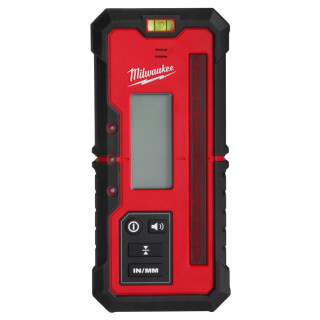
A detector is what saves you on brighter jobs or longer runs where the beam is hard to see. Pair a stand with Milwaukee Laser Detectors and you are not squinting across a slab trying to guess the line.

2. Wall Mounts

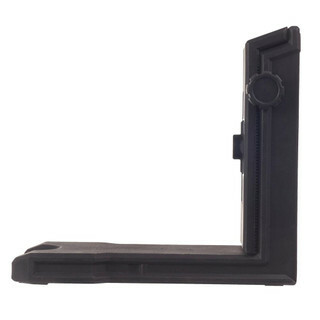
Sometimes a tripod is not the cleanest answer, especially in tight rooms or when you need the laser higher up. Milwaukee Laser Wall Mounts help when floor space is tight or foot traffic keeps catching the legs.

3. Targets and Staff Poles

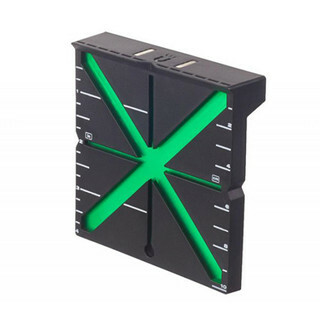
For levelling over distance or reading lines more clearly, Milwaukee Laser Targets & Staff Poles give you more reach and cleaner reference points, especially on larger indoor spaces and outside jobs.

4. Matching Tripod Options

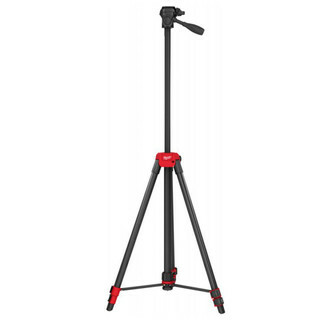
If you need different heights or a second stand for another crew, check the full range of Milwaukee Laser Level Tripods so the mounting and working height stay consistent across the kit.

Choose the Right Milwaukee Tripod for the Job

Pick your stand by working height, floor conditions and the laser you are mounting.

Your Job Category or Type Key Features
Setting socket lines, skirtings and general room layout Standard laser tripod Quick set-up, steady base, enough height for everyday internal set-out
Marking ceiling levels, track runs and higher fix points Tall Milwaukee laser tripod Greater extension height, stable leg spread, easier overhead alignment
Working on rough refurbs or uneven floors Sturdier site tripod Better footing, stronger construction, less chance of movement mid job
Longer indoor runs or outside levelling with a detector Tripod with detector compatible set-up Secure mounting, good height adjustment, works cleanly with detector use
Tight rooms where floor space is limited Tripod and mount combination Flexible positioning, cleaner working area, less chance of legs being knocked

Common Buying and Usage Mistakes

  • Buying on price alone and ignoring maximum height usually means the laser never quite gets where you need it, so you end up packing under the stand or working bent over all day.
  • Assuming every laser uses the same thread is a common one. Check compatibility before you buy or you risk a poor fit, a loose mount or needing extra adaptors just to get started.
  • Using a light tripod on rough ground or busy sites is asking for trouble because one knock can throw your line out and waste a full set of marks.
  • Leaving the tripod legs half locked or not spreading them properly makes the whole set-up unstable. Take ten seconds to plant it properly and the laser will stay where you put it.
  • Treating the tripod as an afterthought is false economy. Good lasers only stay accurate if the stand underneath them is solid, level enough and suited to the job.

Standard Tripod vs Tall Tripod vs Wall Mount

Standard Tripod

Best for everyday internal set-out, socket lines, kitchen work and general room marking. Easy to carry and quick to move, but it can fall short when you need real ceiling height.

Tall Tripod

The better choice for ceiling grids, high tracks and overhead work where beam height matters. It gives you more range, but make sure the footprint is solid enough for the site conditions.

Wall Mount

Handy in tight spaces or where floor traffic keeps clipping tripod legs. Great for fixed room work, but less flexible if you are moving constantly between areas or working across uneven ground.

Which One to Buy

If you are mostly on internal fit-out, a standard tripod covers most jobs. If you regularly work high, go tall. If floor space is the problem, a wall mount often makes more sense than forcing a tripod into the room.

Maintenance and Care

Clean the Leg Locks

Dust, plaster and site muck build up around the leg clamps fast. Brush them off after use so the tripod still locks properly and does not start slipping under load.

Check the Mounting Thread

Keep the mounting point free of grit and damage. A dirty or worn thread can leave the laser sitting badly, which is the last thing you want when setting out accurate lines.

Dry It Before Storage

If it has been out in the rain or sat on a wet slab, wipe it down before it goes back in the van. That helps stop seized fittings, corrosion and stiff adjustments later on.

Do Not Throw It In Loose

Tripods get bent and damaged when they are tossed in with breakers, pipe benders and other heavy kit. Store it properly so the legs stay straight and the clamps keep holding.

Replace Worn Parts Early

If a clamp slips or a foot is damaged, deal with it before the next set-out job. A tired tripod will not suddenly improve, and small movement at the stand becomes big inaccuracy across the room.

Why Shop for Milwaukee Tripods at ITS?

Whether you need a Milwaukee tripod for everyday set-out, a taller Milwaukee laser tripod for overhead work, or matching gear for a full layout kit, we stock the proper range in one place. That includes Milwaukee Laser Levels to match your stand, all held in our own warehouse and ready for next day delivery.

Milwaukee Tripod FAQs

Will any tripod work with laser level?

No. The main thing is the mounting thread and how securely the laser sits once fitted. Some tripods will physically take the laser but still feel sloppy or sit too low for proper site use, so always check compatibility and working height before you buy.

Is a 360 laser level worth it?

Yes, if you are working round full rooms, setting tracks, ceilings, kitchens or long level runs. A 360 laser saves loads of re-positioning and keeps your line continuous, but it still needs a solid tripod underneath it or you lose the benefit.

What is the best height for a laser level tripod?

The best height is the one that puts the beam on the work without maxing the stand right out. For general room set-out, mid height is usually best for stability. If you do lots of ceiling and upper wall work, buy a taller tripod rather than over-stretching a smaller one.

Are Milwaukee tripods tough enough for daily site use?

Yes, they are built for trade use, not just clean indoor demo rooms. That said, no tripod likes being thrown in the van under heavy kit. Keep the clamps clean, store it properly and it will hold up well on regular site work.

Do I need a detector as well as a tripod?

Not always. Indoors on shorter runs, the tripod and laser may be enough. On brighter jobs, longer distances or outdoor work, a detector makes life much easier because you are not relying on seeing the beam with the naked eye.

Can I use a laser tripod outside?

Yes, as long as the ground is firm enough and the tripod is spread properly. On uneven or windy jobs, stability matters more, so use a sturdy stand and check it has not shifted before trusting the line.
Read more

Milwaukee Laser Tripod & Accessories

Milwaukee tripods keep laser levels set solid at the right height for first fix, ceilings, studwork and layout jobs where a shaky line wastes time.

When you're setting out tracks, levelling pipe runs or marking ceilings, the last thing you need is a laser wobbling on uneven floors. A Milwaukee laser tripod gives you stable height adjustment, quick set-up and a proper fit for compatible lasers and detectors. If you're building out your layout kit, start with the stand that suits the room, working height and abuse of site life, then shop the range.

What Are Milwaukee Tripods Used For?

  • Setting out partition walls and ceiling lines is quicker with a Milwaukee tripod because the laser stays fixed at a repeatable height instead of being balanced on buckets, boards or window sills.
  • Working across uneven subfloors on refurb jobs is easier when a Milwaukee laser tripod gives you adjustable legs and a stable base for accurate level lines.
  • Installing kitchen runs, sockets, tray work or dado lines needs the beam at the right height, and a Milwaukee laser level tripod lets you fine tune that without constant shimming.
  • Using detectors and staff on longer indoor or outdoor runs works better when the laser is mounted securely, especially on larger spaces where movement throws the whole set-out off.

Choosing the Right Milwaukee Tripod

Sorting the right one is simple: match the tripod to your laser, your working height and how rough the site is.

1. Height Range

If you're mainly doing sockets, skirtings and low level set-out, a standard height tripod will do the job. If you're marking ceilings, door heads or long vertical transfers, get the taller Milwaukee laser tripod so you're not stacking it on whatever timber is lying about.

2. Thread and Compatibility

Do not assume every laser fits every stand. Check the mounting thread and what your laser or detector bracket needs first, otherwise you'll end up with adaptors, wobble or a tripod you cannot use properly.

3. Site Conditions

If you're mostly indoors on flat slabs, a lighter tripod is easier to move room to room. If you're outside, on refurbs or on rough floors, go for a sturdier build with better leg spread because a knocked stand means your whole set-out is suspect.

4. Full Kit Build

If you're starting from scratch, think beyond the stand. A tripod is only one part of the layout set-up, so make sure it works with the laser, detector and mounting gear you actually use day to day.

Who Uses These on Site?

  • Sparkies use a Milwaukee tripod for setting socket heights, tray runs and lighting lines, especially on first fix where a steady beam saves re-marking walls all day.
  • Dryliners and ceiling fixers rely on them for track layout, ceiling grids and line transfer, because once the laser is locked off the whole room moves faster.
  • Kitchen fitters and chippies use a Milwaukee laser tripod to hold level lines for cabinets, worktops and trims, where a few millimetres out soon shows up at the finish.
  • Groundworkers, landscapers and site engineers pair them with detectors for longer runs outside, using the extra height and stable stance to keep levels readable over distance.

The Basics: Understanding Milwaukee Tripods

A tripod does one simple job on site: it holds your laser at the right height and keeps it there. Get that right and your line stays trustworthy from the first mark to the last one.

1. Stable Mounting

The tripod gives your laser a fixed base so the beam is not shifting every time someone walks past, catches a leg or nudges a board. That matters when you are setting out long runs or repeating measurements round a room.

2. Height Adjustment

Instead of packing under the laser with offcuts, you wind or extend the tripod to the level you need. That makes it much quicker to hit ceiling height, worktop level or datum lines cleanly.

3. Better Range With Detectors

When used with detectors on bigger spaces, the tripod helps you keep the beam clear, visible and consistent. It is a simple bit of kit, but it is what stops good lasers being let down by poor positioning.

Milwaukee Tripod Accessories That Make Set-Out Easier

The right add-ons save time, stop awkward set-ups and help you get more out of your laser kit on site.

1. Laser Detectors

A detector is what saves you on brighter jobs or longer runs where the beam is hard to see. Pair a stand with Milwaukee Laser Detectors and you are not squinting across a slab trying to guess the line.

2. Wall Mounts

Sometimes a tripod is not the cleanest answer, especially in tight rooms or when you need the laser higher up. Milwaukee Laser Wall Mounts help when floor space is tight or foot traffic keeps catching the legs.

3. Targets and Staff Poles

For levelling over distance or reading lines more clearly, Milwaukee Laser Targets & Staff Poles give you more reach and cleaner reference points, especially on larger indoor spaces and outside jobs.

4. Matching Tripod Options

If you need different heights or a second stand for another crew, check the full range of Milwaukee Laser Level Tripods so the mounting and working height stay consistent across the kit.

Choose the Right Milwaukee Tripod for the Job

Pick your stand by working height, floor conditions and the laser you are mounting.

Your Job Category or Type Key Features
Setting socket lines, skirtings and general room layout Standard laser tripod Quick set-up, steady base, enough height for everyday internal set-out
Marking ceiling levels, track runs and higher fix points Tall Milwaukee laser tripod Greater extension height, stable leg spread, easier overhead alignment
Working on rough refurbs or uneven floors Sturdier site tripod Better footing, stronger construction, less chance of movement mid job
Longer indoor runs or outside levelling with a detector Tripod with detector compatible set-up Secure mounting, good height adjustment, works cleanly with detector use
Tight rooms where floor space is limited Tripod and mount combination Flexible positioning, cleaner working area, less chance of legs being knocked

Common Buying and Usage Mistakes

  • Buying on price alone and ignoring maximum height usually means the laser never quite gets where you need it, so you end up packing under the stand or working bent over all day.
  • Assuming every laser uses the same thread is a common one. Check compatibility before you buy or you risk a poor fit, a loose mount or needing extra adaptors just to get started.
  • Using a light tripod on rough ground or busy sites is asking for trouble because one knock can throw your line out and waste a full set of marks.
  • Leaving the tripod legs half locked or not spreading them properly makes the whole set-up unstable. Take ten seconds to plant it properly and the laser will stay where you put it.
  • Treating the tripod as an afterthought is false economy. Good lasers only stay accurate if the stand underneath them is solid, level enough and suited to the job.

Standard Tripod vs Tall Tripod vs Wall Mount

Standard Tripod

Best for everyday internal set-out, socket lines, kitchen work and general room marking. Easy to carry and quick to move, but it can fall short when you need real ceiling height.

Tall Tripod

The better choice for ceiling grids, high tracks and overhead work where beam height matters. It gives you more range, but make sure the footprint is solid enough for the site conditions.

Wall Mount

Handy in tight spaces or where floor traffic keeps clipping tripod legs. Great for fixed room work, but less flexible if you are moving constantly between areas or working across uneven ground.

Which One to Buy

If you are mostly on internal fit-out, a standard tripod covers most jobs. If you regularly work high, go tall. If floor space is the problem, a wall mount often makes more sense than forcing a tripod into the room.

Maintenance and Care

Clean the Leg Locks

Dust, plaster and site muck build up around the leg clamps fast. Brush them off after use so the tripod still locks properly and does not start slipping under load.

Check the Mounting Thread

Keep the mounting point free of grit and damage. A dirty or worn thread can leave the laser sitting badly, which is the last thing you want when setting out accurate lines.

Dry It Before Storage

If it has been out in the rain or sat on a wet slab, wipe it down before it goes back in the van. That helps stop seized fittings, corrosion and stiff adjustments later on.

Do Not Throw It In Loose

Tripods get bent and damaged when they are tossed in with breakers, pipe benders and other heavy kit. Store it properly so the legs stay straight and the clamps keep holding.

Replace Worn Parts Early

If a clamp slips or a foot is damaged, deal with it before the next set-out job. A tired tripod will not suddenly improve, and small movement at the stand becomes big inaccuracy across the room.

Why Shop for Milwaukee Tripods at ITS?

Whether you need a Milwaukee tripod for everyday set-out, a taller Milwaukee laser tripod for overhead work, or matching gear for a full layout kit, we stock the proper range in one place. That includes Milwaukee Laser Levels to match your stand, all held in our own warehouse and ready for next day delivery.

Milwaukee Tripod FAQs

Will any tripod work with laser level?

No. The main thing is the mounting thread and how securely the laser sits once fitted. Some tripods will physically take the laser but still feel sloppy or sit too low for proper site use, so always check compatibility and working height before you buy.

Is a 360 laser level worth it?

Yes, if you are working round full rooms, setting tracks, ceilings, kitchens or long level runs. A 360 laser saves loads of re-positioning and keeps your line continuous, but it still needs a solid tripod underneath it or you lose the benefit.

What is the best height for a laser level tripod?

The best height is the one that puts the beam on the work without maxing the stand right out. For general room set-out, mid height is usually best for stability. If you do lots of ceiling and upper wall work, buy a taller tripod rather than over-stretching a smaller one.

Are Milwaukee tripods tough enough for daily site use?

Yes, they are built for trade use, not just clean indoor demo rooms. That said, no tripod likes being thrown in the van under heavy kit. Keep the clamps clean, store it properly and it will hold up well on regular site work.

Do I need a detector as well as a tripod?

Not always. Indoors on shorter runs, the tripod and laser may be enough. On brighter jobs, longer distances or outdoor work, a detector makes life much easier because you are not relying on seeing the beam with the naked eye.

Can I use a laser tripod outside?

Yes, as long as the ground is firm enough and the tripod is spread properly. On uneven or windy jobs, stability matters more, so use a sturdy stand and check it has not shifted before trusting the line.
ITS Click and Collect Icon
What3Words:
Get Directions
Store Opening Hours
Opening times