Milwaukee Cutting Tools Milwaukee Cutting Tools

Milwaukee Cutting Tools

Milwaukee cutting tool range covers site knives, snips, saws and cutters built for fast, clean work on cable, board, plastic, pipe and sheet.

When you are trimming plasterboard, cutting pipe, opening packs or snipping sheet on a busy job, blunt or flimsy gear just slows you down. Milwaukee cutting tools are the bits trades reach for because they hold up, sit well in the hand and keep working after weeks in the pouch. You will find Milwaukee Knives & Blades, Milwaukee Snips & Shears, Milwaukee Pipe Cutters, Milwaukee Pliers & Cutters and Milwaukee Hand Saws to suit first fix, second fix and day to day site graft. Match the tool to the material and get a cleaner cut with less faff.

What Are Milwaukee Cutting Tools Used For?

  • Cutting plasterboard, insulation and packaging on first fix jobs is quicker with utility knives that open fast, lock properly and do not feel sloppy in the hand.
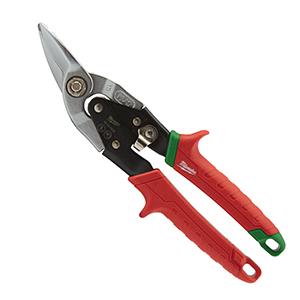
  • Snipping trunking, thin sheet, mesh and light metal sections on electrical and ventilation work is easier when the blades track straight instead of folding the material.
  • Trimming plastic pipe and conduit on plumbing and maintenance jobs gives a neater finish when you use the right cutter rather than crushing it with whatever is in the bag.
  • Sawing timber, drywall and general site materials during snagging, alterations and fit-out work is more controlled with hand saws that bite early and keep clearing dust.
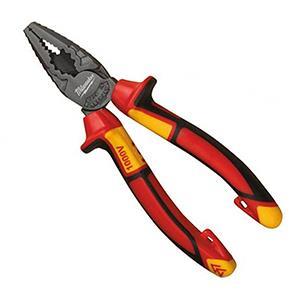
  • Cutting cable ties, light wire and awkward fixings in cramped spots saves time when you have cutters and pliers that actually fit where your bigger tools will not.

Choosing the Right Milwaukee Cutting Tool

Sorting the right one is simple. Match the cutting edge to the material and the way you work, not just what is closest in the tool bag.

1. Knife, Snip or Saw

If you are scoring plasterboard, trimming membrane or opening boxes all day, go for a utility knife. If you are cutting sheet, mesh or thin metal, use snips or shears. If the job is timber, drywall or rougher site material, a hand saw is the right answer. Forcing one tool to do all three just gives you rough cuts and wasted blades.

2. Straight Cuts or Tight Access

If you are working in open space on bench cuts, a larger handle and longer blade usually feel better. If you are up a ladder, in a ceiling void or cutting inside cupboards, pick compact tools that you can control one handed without the handle fouling everything around it.

3. Blade Change and Consumables

If you burn through blades every week, do not ignore blade change speed. A tool free knife saves time and keeps you moving. It is also worth checking replacement blade availability before you buy, because there is no point having a decent knife if you cannot get the blades you need on short notice.

4. Pipe and Plastic Work

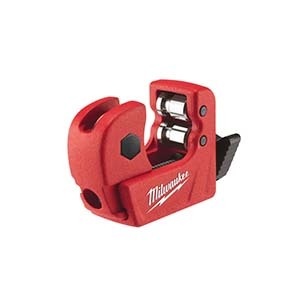
If the job is mostly plastic pipe or conduit, buy a dedicated cutter instead of using a knife or saw. You will get a squarer cut, less burr and less chance of damaging the fitting when it goes together.

Who Uses These on Site?

  • Sparkies use Milwaukee cutting tools for stripping back jobs, trimming trunking, cutting ties and opening out materials quickly without swapping between three different bits of kit.
  • Plumbers and heating engineers keep pipe cutters and knives close for clean cuts on plastic pipe, conduit and packaging, especially when working in cupboards, risers and service voids.
  • Dryliners and fitters reach for these when scoring board, trimming insulation and tidying edges because a solid knife and saw save rework later.
  • Maintenance teams and site managers rate them for everyday van stock since they cover the usual site jobs from opening deliveries to cutting down damaged materials for disposal.

Accessories That Keep Milwaukee Cutting Tools Working

A couple of simple add ons save a lot of grief once these tools are in daily site use.

1. Spare Utility Blades

This is the obvious one, but plenty still get caught out. A sharp blade keeps cuts clean in plasterboard, insulation and sheet material. Leave it too long and you end up tearing faces, slipping off lines and wasting time forcing dead blades through the job.

2. Blade Storage or Dispensers

Loose blades rattling round the van or pocket are asking for trouble. Proper storage keeps replacements clean, easy to grab and less likely to end up buried under fixings when you need one fast.

3. Tool Pouches

A good pouch stops your knife, snips or cutter disappearing into the bottom of the bag. If you are up steps or moving room to room all day, having the right cutting tool on your belt saves a lot of climbing down and walking back.

Choose the Right Milwaukee Cutting Tool for the Job

Use this quick guide to avoid buying the wrong cutter for the material in front of you.

Your Job Category or Type Key Features
Scoring plasterboard, trimming insulation and opening packs Utility knife Fast blade change, secure lock, comfortable grip and easy blade storage
Cutting thin sheet, mesh, flashing or trunking Snips and shears Clean tracking cut, good leverage and handles that stay controlled with gloves on
Cutting plastic pipe or conduit neatly before fitting Pipe cutter Square cut, less burr, compact head and easy use in tight spaces
Sawing timber, drywall or general site board Hand saw Teeth that bite quickly, decent cut speed and rigid blade control
Trimming cable ties, light wire and small awkward materials Pliers and cutters Compact access, solid cutting edges and good grip in confined spots

Common Buying and Usage Mistakes

  • Using a utility knife for everything is the usual mistake. It might get you through one or two jobs, but on pipe, sheet or tougher material it gives rough cuts, chews blades and is more likely to slip. Buy the proper cutter for the material.
  • Letting blades go dull for too long slows the job down and wrecks the finish. If you are forcing the cut, change the blade. It is cheaper than replacing damaged materials or patching a bad cut.
  • Buying the smallest tool just because it is cheap can backfire on daily use. If it is in your hand all day, poor grip and weak leverage soon show up as hand strain and slower work.
  • Using saws or knives on plastic pipe instead of a pipe cutter often leaves burrs and out of square ends. That can affect fit up and make the joint harder to seat properly.
  • Chucking cutting tools loose in the van ruins edges and wastes time finding them. Keep them stored properly so blades stay usable and you are not digging through rubble for the one tool you need.

Utility Knives vs Snips vs Hand Saws

Utility Knives

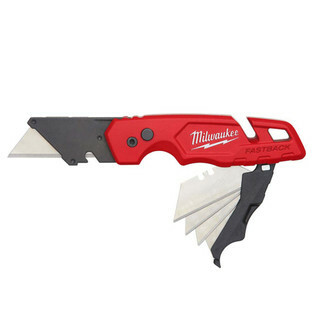
Best for scoring, trimming and quick site cuts on board, insulation, membrane and packaging. They are fast and easy to carry, but they are not the right tool for pipe or metal where you need more control and less blade flex.

Snips and Shears

These come into their own on sheet material, mesh, flashing and thin metal or plastic sections. They give cleaner directional cuts than a knife, but they are no use for longer timber cuts or general sawing work.

Hand Saws

Hand saws are the better pick for timber, drywall and tougher board where a knife would drag or wander. They remove material quickly, but they are bulkier to carry and not suited to neat trimming or fine detail cuts.

Pipe Cutters

If the job is plastic pipe or conduit, a dedicated pipe cutter beats all three. It gives a straight, tidy cut with less cleanup after, especially in service spaces where there is no room to work a saw properly.

Maintenance and Care

Keep Blades Sharp

The simplest maintenance is changing blades before they are fully dead. Sharp edges cut cleaner, need less force and are safer than pushing a blunt one through the work.

Wipe Off Site Dirt

Dust, plaster, adhesive and metal filings build up fast around moving parts. Give knives, snips and cutters a quick wipe after use so locks, pivots and slides do not start sticking.

Store Them Properly

Do not leave cutting tools loose under fixings and drill bits. Proper storage protects the edge, stops accidental damage and means you are not wasting ten minutes hunting round the van.

Check Pivots and Locks

On snips, shears and folding knives, keep an eye on pivot tension and locking parts. If they start feeling sloppy or sticking, sort it early before it affects cut quality or safe use.

Replace Worn Consumables

If the edge is chipped, bent or no longer tracking true, replace the blade instead of nursing it along. A few spare consumables cost far less than damaged material and wasted labour.

Why Shop for Milwaukee Cutting Tools at ITS?

Whether you need a site knife for daily pouch carry, snips for sheet work, a pipe cutter for clean installs or a hand saw for rough cuts, we stock the full Milwaukee cutting tool range in one place. It is all held in our own warehouse, ready for next day delivery, so you can get the right kit on site without hanging about.

Milwaukee Cutting Tool FAQs

What types of materials can Milwaukee manual cutting tools handle?

They cover the usual site range, including plasterboard, insulation, packaging, plastic pipe, conduit, cable ties, sheet material, mesh and timber depending on the tool. The honest answer is that no single Milwaukee cutting tool does all of it well, so match the knife, snip, saw or cutter to the material if you want a clean cut and decent working speed.

Are the blades on Milwaukee utility knives tool-free to change?

Many Milwaukee utility knives are tool free to change, which is exactly what you want on site when a blade is spent halfway through a job. It is still worth checking the individual model, but Milwaukee generally builds these for quick blade swaps without having to start digging round for a screwdriver.

What makes Milwaukee cutting tools better for professional jobsite use?

It comes down to how they hold up in real use. The handles are usually well shaped, the locking and pivot parts feel solid, and the range is built for repeated daily cutting rather than odd DIY jobs. They are not magic, but they do stand up well to pouch carry, van life and rough site handling when cheaper tools start loosening off.

Are Milwaukee cutting tools worth it for daily trade use?

Yes, if the tool is in your hand every day. You notice the difference in grip, blade retention, cut control and how well they cope with getting knocked about. If it is only for the odd household job, you might not need the extra spend, but for site work they make more sense.

Do I need a separate cutter for plastic pipe, or will a knife do?

Get the separate cutter. A knife will work in a pinch on some softer materials, but it is slower, less tidy and easier to mess up. A proper pipe cutter gives you a straighter cut with less burr, which makes fitting and sealing far easier.

How often should I change blades on site?

Change them as soon as the cut starts dragging, tearing or needing extra force. There is no fixed rule because insulation, board and packaging all wear blades differently. The simple test is this. If you are pushing harder than you should be, the blade is done.
Read more

Milwaukee Cutting Tools

Milwaukee cutting tool range covers site knives, snips, saws and cutters built for fast, clean work on cable, board, plastic, pipe and sheet.

When you are trimming plasterboard, cutting pipe, opening packs or snipping sheet on a busy job, blunt or flimsy gear just slows you down. Milwaukee cutting tools are the bits trades reach for because they hold up, sit well in the hand and keep working after weeks in the pouch. You will find Milwaukee Knives & Blades, Milwaukee Snips & Shears, Milwaukee Pipe Cutters, Milwaukee Pliers & Cutters and Milwaukee Hand Saws to suit first fix, second fix and day to day site graft. Match the tool to the material and get a cleaner cut with less faff.

What Are Milwaukee Cutting Tools Used For?

  • Cutting plasterboard, insulation and packaging on first fix jobs is quicker with utility knives that open fast, lock properly and do not feel sloppy in the hand.
  • Snipping trunking, thin sheet, mesh and light metal sections on electrical and ventilation work is easier when the blades track straight instead of folding the material.
  • Trimming plastic pipe and conduit on plumbing and maintenance jobs gives a neater finish when you use the right cutter rather than crushing it with whatever is in the bag.
  • Sawing timber, drywall and general site materials during snagging, alterations and fit-out work is more controlled with hand saws that bite early and keep clearing dust.
  • Cutting cable ties, light wire and awkward fixings in cramped spots saves time when you have cutters and pliers that actually fit where your bigger tools will not.

Choosing the Right Milwaukee Cutting Tool

Sorting the right one is simple. Match the cutting edge to the material and the way you work, not just what is closest in the tool bag.

1. Knife, Snip or Saw

If you are scoring plasterboard, trimming membrane or opening boxes all day, go for a utility knife. If you are cutting sheet, mesh or thin metal, use snips or shears. If the job is timber, drywall or rougher site material, a hand saw is the right answer. Forcing one tool to do all three just gives you rough cuts and wasted blades.

2. Straight Cuts or Tight Access

If you are working in open space on bench cuts, a larger handle and longer blade usually feel better. If you are up a ladder, in a ceiling void or cutting inside cupboards, pick compact tools that you can control one handed without the handle fouling everything around it.

3. Blade Change and Consumables

If you burn through blades every week, do not ignore blade change speed. A tool free knife saves time and keeps you moving. It is also worth checking replacement blade availability before you buy, because there is no point having a decent knife if you cannot get the blades you need on short notice.

4. Pipe and Plastic Work

If the job is mostly plastic pipe or conduit, buy a dedicated cutter instead of using a knife or saw. You will get a squarer cut, less burr and less chance of damaging the fitting when it goes together.

Who Uses These on Site?

  • Sparkies use Milwaukee cutting tools for stripping back jobs, trimming trunking, cutting ties and opening out materials quickly without swapping between three different bits of kit.
  • Plumbers and heating engineers keep pipe cutters and knives close for clean cuts on plastic pipe, conduit and packaging, especially when working in cupboards, risers and service voids.
  • Dryliners and fitters reach for these when scoring board, trimming insulation and tidying edges because a solid knife and saw save rework later.
  • Maintenance teams and site managers rate them for everyday van stock since they cover the usual site jobs from opening deliveries to cutting down damaged materials for disposal.

Accessories That Keep Milwaukee Cutting Tools Working

A couple of simple add ons save a lot of grief once these tools are in daily site use.

1. Spare Utility Blades

This is the obvious one, but plenty still get caught out. A sharp blade keeps cuts clean in plasterboard, insulation and sheet material. Leave it too long and you end up tearing faces, slipping off lines and wasting time forcing dead blades through the job.

2. Blade Storage or Dispensers

Loose blades rattling round the van or pocket are asking for trouble. Proper storage keeps replacements clean, easy to grab and less likely to end up buried under fixings when you need one fast.

3. Tool Pouches

A good pouch stops your knife, snips or cutter disappearing into the bottom of the bag. If you are up steps or moving room to room all day, having the right cutting tool on your belt saves a lot of climbing down and walking back.

Choose the Right Milwaukee Cutting Tool for the Job

Use this quick guide to avoid buying the wrong cutter for the material in front of you.

Your Job Category or Type Key Features
Scoring plasterboard, trimming insulation and opening packs Utility knife Fast blade change, secure lock, comfortable grip and easy blade storage
Cutting thin sheet, mesh, flashing or trunking Snips and shears Clean tracking cut, good leverage and handles that stay controlled with gloves on
Cutting plastic pipe or conduit neatly before fitting Pipe cutter Square cut, less burr, compact head and easy use in tight spaces
Sawing timber, drywall or general site board Hand saw Teeth that bite quickly, decent cut speed and rigid blade control
Trimming cable ties, light wire and small awkward materials Pliers and cutters Compact access, solid cutting edges and good grip in confined spots

Common Buying and Usage Mistakes

  • Using a utility knife for everything is the usual mistake. It might get you through one or two jobs, but on pipe, sheet or tougher material it gives rough cuts, chews blades and is more likely to slip. Buy the proper cutter for the material.
  • Letting blades go dull for too long slows the job down and wrecks the finish. If you are forcing the cut, change the blade. It is cheaper than replacing damaged materials or patching a bad cut.
  • Buying the smallest tool just because it is cheap can backfire on daily use. If it is in your hand all day, poor grip and weak leverage soon show up as hand strain and slower work.
  • Using saws or knives on plastic pipe instead of a pipe cutter often leaves burrs and out of square ends. That can affect fit up and make the joint harder to seat properly.
  • Chucking cutting tools loose in the van ruins edges and wastes time finding them. Keep them stored properly so blades stay usable and you are not digging through rubble for the one tool you need.

Utility Knives vs Snips vs Hand Saws

Utility Knives

Best for scoring, trimming and quick site cuts on board, insulation, membrane and packaging. They are fast and easy to carry, but they are not the right tool for pipe or metal where you need more control and less blade flex.

Snips and Shears

These come into their own on sheet material, mesh, flashing and thin metal or plastic sections. They give cleaner directional cuts than a knife, but they are no use for longer timber cuts or general sawing work.

Hand Saws

Hand saws are the better pick for timber, drywall and tougher board where a knife would drag or wander. They remove material quickly, but they are bulkier to carry and not suited to neat trimming or fine detail cuts.

Pipe Cutters

If the job is plastic pipe or conduit, a dedicated pipe cutter beats all three. It gives a straight, tidy cut with less cleanup after, especially in service spaces where there is no room to work a saw properly.

Maintenance and Care

Keep Blades Sharp

The simplest maintenance is changing blades before they are fully dead. Sharp edges cut cleaner, need less force and are safer than pushing a blunt one through the work.

Wipe Off Site Dirt

Dust, plaster, adhesive and metal filings build up fast around moving parts. Give knives, snips and cutters a quick wipe after use so locks, pivots and slides do not start sticking.

Store Them Properly

Do not leave cutting tools loose under fixings and drill bits. Proper storage protects the edge, stops accidental damage and means you are not wasting ten minutes hunting round the van.

Check Pivots and Locks

On snips, shears and folding knives, keep an eye on pivot tension and locking parts. If they start feeling sloppy or sticking, sort it early before it affects cut quality or safe use.

Replace Worn Consumables

If the edge is chipped, bent or no longer tracking true, replace the blade instead of nursing it along. A few spare consumables cost far less than damaged material and wasted labour.

Why Shop for Milwaukee Cutting Tools at ITS?

Whether you need a site knife for daily pouch carry, snips for sheet work, a pipe cutter for clean installs or a hand saw for rough cuts, we stock the full Milwaukee cutting tool range in one place. It is all held in our own warehouse, ready for next day delivery, so you can get the right kit on site without hanging about.

Milwaukee Cutting Tool FAQs

What types of materials can Milwaukee manual cutting tools handle?

They cover the usual site range, including plasterboard, insulation, packaging, plastic pipe, conduit, cable ties, sheet material, mesh and timber depending on the tool. The honest answer is that no single Milwaukee cutting tool does all of it well, so match the knife, snip, saw or cutter to the material if you want a clean cut and decent working speed.

Are the blades on Milwaukee utility knives tool-free to change?

Many Milwaukee utility knives are tool free to change, which is exactly what you want on site when a blade is spent halfway through a job. It is still worth checking the individual model, but Milwaukee generally builds these for quick blade swaps without having to start digging round for a screwdriver.

What makes Milwaukee cutting tools better for professional jobsite use?

It comes down to how they hold up in real use. The handles are usually well shaped, the locking and pivot parts feel solid, and the range is built for repeated daily cutting rather than odd DIY jobs. They are not magic, but they do stand up well to pouch carry, van life and rough site handling when cheaper tools start loosening off.

Are Milwaukee cutting tools worth it for daily trade use?

Yes, if the tool is in your hand every day. You notice the difference in grip, blade retention, cut control and how well they cope with getting knocked about. If it is only for the odd household job, you might not need the extra spend, but for site work they make more sense.

Do I need a separate cutter for plastic pipe, or will a knife do?

Get the separate cutter. A knife will work in a pinch on some softer materials, but it is slower, less tidy and easier to mess up. A proper pipe cutter gives you a straighter cut with less burr, which makes fitting and sealing far easier.

How often should I change blades on site?

Change them as soon as the cut starts dragging, tearing or needing extra force. There is no fixed rule because insulation, board and packaging all wear blades differently. The simple test is this. If you are pushing harder than you should be, the blade is done.
ITS Click and Collect Icon
What3Words:
Get Directions
Store Opening Hours
Opening times