Milwaukee Pliers & Cutters
Milwaukee pliers are built for gripping, twisting, cutting and pulling on proper site jobs, with handles and jaws that stand up to daily abuse.
When you're stripping cable, pulling nails, cutting ties or leaning on stubborn fixings, a decent pair matters. Milwaukee pliers and Milwaukee cutters are the sort of hand tools sparks, fitters and general trades keep close because the jaws bite properly, the cutters stay sharp, and the grips don't feel like they're fighting you by midday. If you're building out a Milwaukee pliers set, buy by task and get the right pairs in the bag.
What Are Milwaukee Pliers Used For?
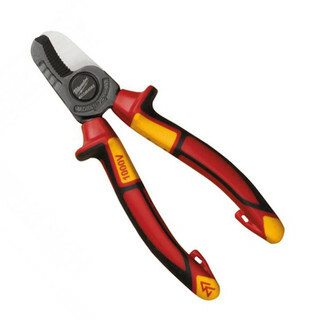
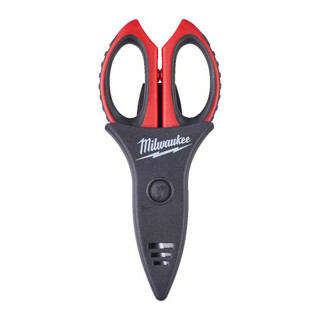
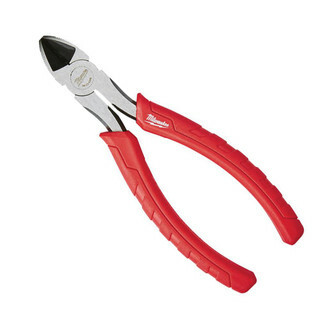
- Cutting cable ties, light wire, trunking fixings and soft metal on first fix is where Milwaukee cutters earn their keep, especially when you need clean snips without chewing the material.
- Gripping rounded fixings, twisting wire and holding awkward parts in place during installs is exactly what Milwaukee pliers are for when one hand is on the job and the other is keeping things steady.
- Pulling nails, clips and stubborn pins during strip-out or snagging is quicker with the right jaw shape, rather than wrecking a screwdriver or using side cutters for jobs they were never meant for.
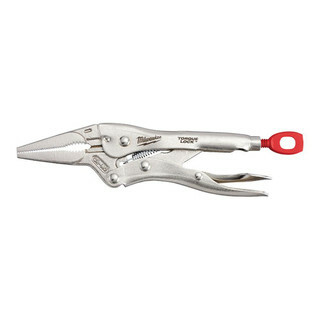
- Working through control panels, back boxes and tight service spaces suits long nose patterns, where reach and grip matter more than brute force and you still need proper control at the tip.
- Keeping a Milwaukee pliers set in the van covers the usual day to day jobs across electrical, mechanical and general site work, so you are not borrowing the wrong pair every five minutes.
Choosing the Right Milwaukee Pliers
Match the jaw type to the job. Do that first and you will avoid carrying dead weight or ruining a good pair on the wrong task.
1. Combination, Long Nose or Side Cutters
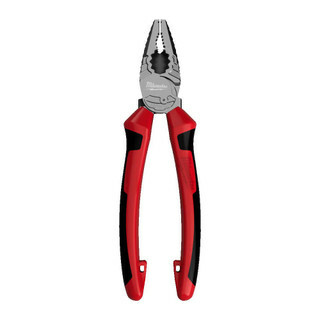
If you want one pair for general gripping, twisting and light cutting, start with combination pliers. If you are working into back boxes, panels or tight voids, go long nose. If the main job is snipping wire, ties or small pins, side cutters are the right call.
2. Single Pair or Milwaukee Pliers Set
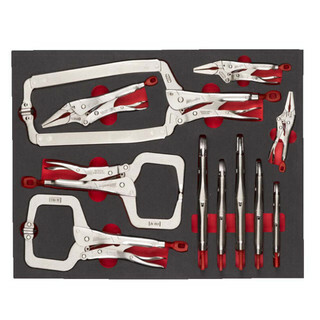
If you only need to replace the pair you use most, buy that exact type and move on. If you are fitting out a new bag, kitting out an apprentice or replacing mixed old hand tools, a Milwaukee pliers set makes more sense and keeps the core jobs covered properly.
3. Standard Site Use or Insulated Work
Do not use standard pliers anywhere near live electrical work. If that is your trade, look at Milwaukee VDE Pliers & Cutters and the wider Milwaukee VDE Cutting Tools range instead.
4. Grip Comfort Matters More Than You Think
If the pliers are in your hand all day, buy for comfort as much as jaw pattern. A handle that feels fine for one quick cut can be a pain after a full day of repetitive snipping, pulling and twisting.
Who Uses These on Site?
- Sparkies use Milwaukee pliers for cable work, dressing conductors into boxes and trimming wire cleanly, and many keep long nose and side cutters in the pouch all day rather than buried in the case.
- Mechanical fitters and maintenance teams reach for them when holding small parts, pulling split pins or working in plant rooms where access is poor and you need grip you can trust.
- General builders and snagging teams use Milwaukee cutters for ties, clips, light wire and awkward fasteners during clear-up, alterations and final fixes.
- Kitchen fitters, chippies and shopfitters keep a Milwaukee plier set handy for trimming, pinching, pulling and persuading bits into place without marking everything up with bigger tools.
Useful Extras for Milwaukee Pliers and Cutters
A few sensible add-ons save time on site and stop good hand tools getting battered in the bottom of the bag.
1. Tool Pouches and Holsters
Keep your most-used pliers on you instead of climbing down a ladder or walking back across site for every cut, twist or pull. It also stops the jaws getting knocked about loose in the van.
2. Lanyards and Tethers
If you are working at height, this is the bit that stops a dropped pair becoming a real problem below. Much cheaper than replacing tools or explaining why one landed in a finished area.
3. Hand Tool Storage Cases
A proper case keeps a Milwaukee pliers set together so side cutters, long nose and combination pairs are where they should be, not spread between the van, site box and kitchen drawer.
Choose the Right Milwaukee Pliers for the Job
Use this quick guide to sort the right pair before you buy.
| Your Job | Category or Type | Key Features |
|---|---|---|
| General gripping, twisting and light cutting on mixed site work | Combination pliers | Strong jaws, built-in cutter, all-round use for daily tool bag carry |
| Working inside back boxes, panels and tight service voids | Long nose pliers | Extended reach, finer tip control, better access where fingers will not fit |
| Snipping wire, cable ties and small metal pins cleanly | Side cutters | Sharp cutting edges, compact head, less effort on repetitive cuts |
| Kitting out a new bag or replacing worn mixed hand tools | Milwaukee pliers set | Core jaw types together, better coverage for day to day tasks, easier storage |
| Electrical work where insulated tools are required | VDE pliers and cutters | Insulated handles, trade-specific compliance, safer choice for electrical tasks |
Common Buying and Usage Mistakes
- Buying one pair and expecting it to do every job usually ends with rough cuts, poor access and damaged jaws. Match the plier type to the task and your work gets quicker straight away.
- Using standard pliers for live electrical work is the big one to avoid. If you need insulated tools, buy proper VDE-rated kit and do not guess.
- Using cutters to pry, twist heavy fixings or pull nails the wrong way will wreck the cutting edges. Keep cutters for cutting and use combination or gripping pliers for the abuse.
- Ignoring handle comfort sounds minor until you are on repetitive work all week. If the grips do not suit your hand, fatigue sets in fast and control goes with it.
- Leaving pliers wet or covered in site muck shortens their life for no good reason. Wipe them down, keep the pivot clean and they will stay smoother and sharper for longer.
Combination Pliers vs Long Nose Pliers vs Side Cutters
Combination Pliers
This is the everyday pair for mixed site work. Best if you need one tool for gripping, twisting and the odd cut, but they are not as clean on repetitive cutting or as handy in tight spaces as specialist pairs.
Long Nose Pliers
These are for access and control, not brute force. Buy them if you spend time in boxes, panels or awkward voids, but do not expect them to replace a stronger combination pair for heavier pulling and twisting.
Side Cutters
If your day involves lots of wire, ties and small fast cuts, side cutters are the right answer. They cut cleaner and quicker than combination pliers, but they are not made for gripping or levering.
Set vs Single Pair
A single pair is fine when you know exactly what you use most. A Milwaukee plier set is the better buy when you want the main types covered properly from day one, especially for a fresh tool bag or van restock.
Maintenance and Care
Wipe Them Down After Dirty Work
Dust, adhesive, plaster and metal filings all make pliers feel rougher over time. A quick wipe after the shift keeps the jaws cleaner and stops the pivot clogging up.
Keep the Pivot Moving
A drop of light oil on the joint now and then keeps the action smooth. If they start feeling stiff, sort it early rather than forcing them and wearing the joint out faster.
Do Not Use Cutting Edges as a Pry Bar
That is how good Milwaukee cutters end up chipped or misaligned. If the job involves levering, pulling hard or twisting seized bits, swap to the right pliers for it.
Store Them Dry and Together
Leaving hand tools loose in a damp van is asking for rust spots and damaged grips. Keep pairs in a pouch, organiser or case so the jaws are protected and easy to find.
Replace Them When the Jaws Stop Doing the Job
If cutters crush instead of cut, or the jaws slip on work they used to hold properly, stop fighting them. Worn pliers waste time and usually mark up the job as well.
Why Shop for Milwaukee Pliers at ITS?
Whether you need a single replacement pair, a full Milwaukee pliers set, or matching Milwaukee wire cutters for the bag, we stock the proper range. That means the main jaw types, key site-friendly options and the hand tools trades actually use, all in our own warehouse and ready for next day delivery. If you also need insulated options, see OX Tools VDE Pliers & Cutters, OX Tools Pro Pliers & Cutters and OX Tools Pliers & Cutters for other trade options.
Milwaukee Pliers FAQs
Which is correct; plier or pliers?
In normal use, pliers is the correct term for the tool. You will sometimes see plier used in product names or as part of a category, but if you are talking about the hand tool itself on site, most people say pliers.
Is plier singular or plural?
Pliers is usually treated as a plural word, even when you mean one tool, a bit like scissors. On a product listing you may see plier set or plier wrench style wording, but trades will still ask for a pair of pliers.
What is a plier in English?
It means a hand tool with two handles and jaws for gripping, bending, twisting, pulling or cutting. In practice, that covers combination pliers, long nose pliers, side cutters and other similar tools used across electrical, mechanical and general site work.
What does it mean to call someone a plier?
That is not a standard trade term for a person. In general English, to ply can mean to work steadily at something, but on this page pliers simply means the tool, not a nickname for someone on site.
Are Milwaukee pliers any good for daily site use?
Yes, for the sort of day to day gripping, twisting and cutting that hand tools get put through on site, they are solid. The main thing is buying the right jaw type for the work, because even a good pair feels wrong if you are asking it to do the wrong job all week.
Should I buy a Milwaukee pliers set or single pairs?
If you already know what you wear out most, buy the single pair you actually use. If your tool bag is a mix of old hand me downs or you want the main site jobs covered in one go, a Milwaukee pliers set is the easier and usually smarter buy.
Can I use standard Milwaukee pliers for electrical work?
Not for live work. Standard pliers are fine for general install and non-live tasks, but if there is any chance of working around live circuits you need properly insulated VDE-rated tools, not a guess and not a shortcut.
Do Milwaukee wire cutters stay sharp if they get used hard?
They hold up well when used on the material they are meant for, like wire, ties and light fixings. If you start twisting nails out, prying with the cutting edge or snipping stuff that is too hard for them, you will blunt any cutter quicker than you should.