






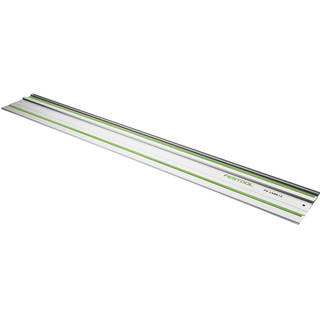
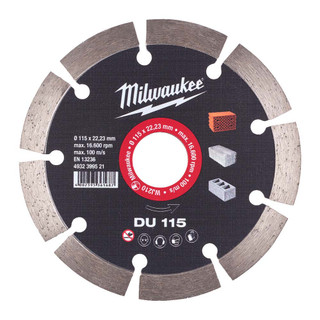
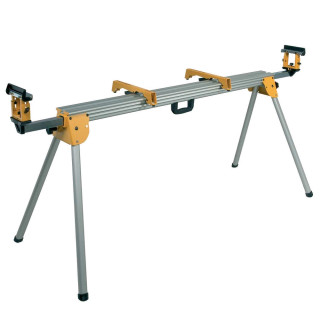













Power Tool Accessories
Power tool accessories are the bits that keep the job moving, from drilling and cutting to fixing, sanding and site clean-up.
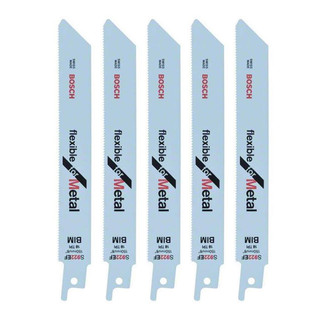
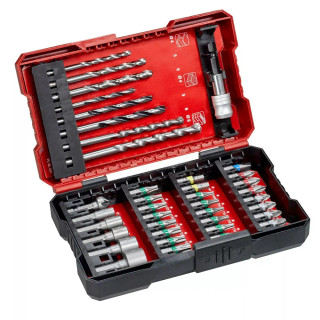
When the tool's fine but the consumable is wrong, blunt or missing, that's when jobs drag on. Good power tool accessories matter just as much as the machine itself. This is the gear trades rely on for cleaner cuts, faster fixing, neater holes and less downtime on site. Whether you're topping up Drill Bits, replacing Saw Blades, stocking Screwdriver Bits & Bit Holders or sorting Sanding Pads & Sheets, match the accessory to the material and the tool, then get the right kit in the van.
What Are Power Tool Accessories Used For?
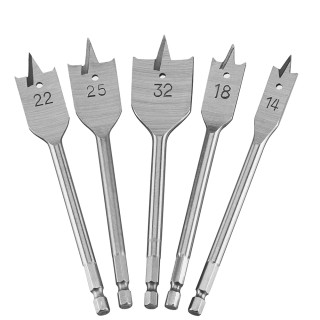
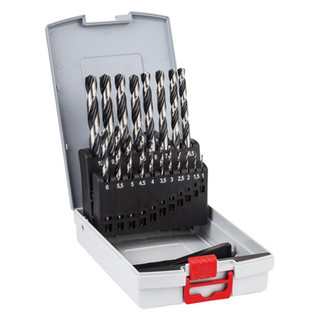
- Drilling joists, lintels, blockwork and sheet materials properly starts with the right bit, because the wrong accessory slows the tool down and leaves rough, wandering holes.
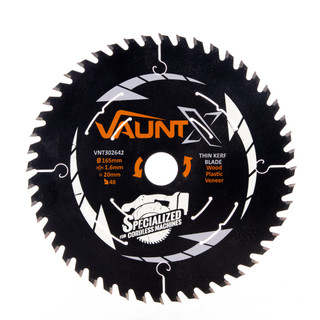
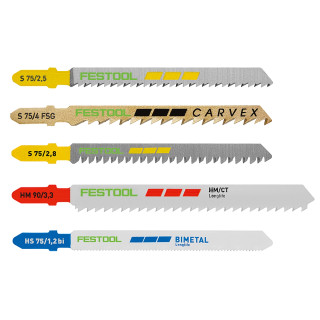
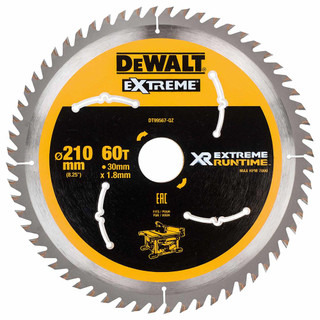
- Cutting timber, sheet goods, metal and plastics on site is quicker and cleaner when the blade matches the material, the tooth pattern and the finish you actually need.
- Driving fixings all day during first fix, kitchen fitting or roofing work is easier with proper screwdriver bits and holders that stop cam-out and save chewing through screw heads.
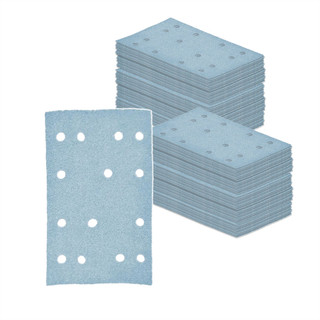
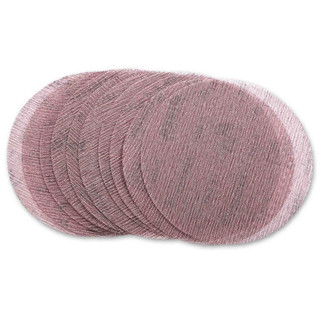
- Sanding filler, paint, timber edges and plaster touch-ups goes a lot faster when the pad and grit are right, instead of clogging up or wearing smooth halfway through the shift.
- Keeping tools productive on busy jobs often comes down to having spare blades, bits and abrasives ready, so no one is stood about waiting for one worn accessory to be changed.
Choosing the Right Power Tool Accessories
Sort the accessory to the material, the tool and the finish you need. That is the whole game.
1. Match the Accessory to the Material
If you are drilling brick, buy masonry bits. If you are cutting laminate, use a blade meant for a clean finish. Trying to make one accessory do every material usually means slow work, poor results and worn kit before dinner.
2. Check Tool Fitment First
Before you buy, check shank type, blade diameter, bore size, fixing style or backing pad fit. A good accessory that does not fit your drill, grinder, multi tool or sander is dead money and a wasted trip to site.
3. Buy for Work Rate, Not Just Price
If you only need one bit for a quick home repair, fair enough. If you are on site every day, buy trade-ready consumables that hold an edge, stay straight and survive heat. The cheap stuff gets expensive when it keeps failing mid-job.
4. Think About Finish as Well as Speed
For first fix and rough work, speed matters most. For visible joinery, kitchens and snagging, pick finer tooth blades, better abrasives and bits that cut clean without tearing the job to pieces.
Who Uses These on Site?
- Sparkies get through power tool accessories fast, especially bits for cable routes, holes for fixings and blades for cutting trunking, tray and sheet material during first and second fix.
- Chippies and kitchen fitters rely on the right blades, bits and sanding consumables for neat cuts, clean hinge holes and tidy finishing work that does not need hiding with filler.
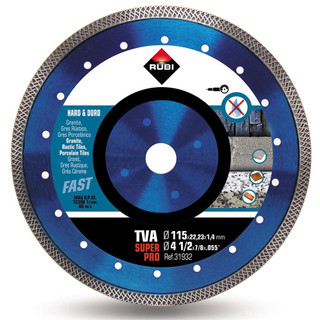
- Builders, brickies and groundworkers use tougher accessories for masonry drilling, anchor fixing and rough cutting, where cheap consumables burn out early and waste half the morning.
- Plumbers and heating engineers keep a mixed stock for pipe clips, access holes, board cutting and general fixings, because the job can switch from timber to tile to metal in one room.
- Maintenance teams and site managers stock these to keep everyone moving, as losing time over a missing blade or blunt bit is one of the easiest delays to avoid.
Accessory Essentials That Keep Your Tools Working
A few sensible spares stop the usual site hassle of blunt consumables, poor fit and wasted trips back to the van.
1. Bit Holders and Adaptors
These sort out awkward reaches and tool compatibility without bodging it. A proper holder or adaptor saves rounded screws, loose fitment and the usual messing about when the standard setup will not reach.
2. Spare Blades and Mixed Bit Packs
Do not run one blade into the ground and hope for the best. Keeping spares on hand means you can swap out as soon as cutting slows, instead of burning the tool out or wrecking the finish.
3. Backing Pads and Sanding Interfaces
A worn backing pad ruins sanding just as fast as worn abrasive. Replace it when hook and loop grip starts failing, otherwise sheets fly off, edges mark up and the finish ends up all over the place.
Choose the Right Power Tool Accessories for the Job
Use this as a quick filter before you load the basket.
| Your Job | Category or Type | Key Features |
|---|---|---|
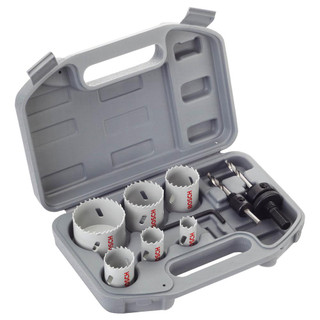
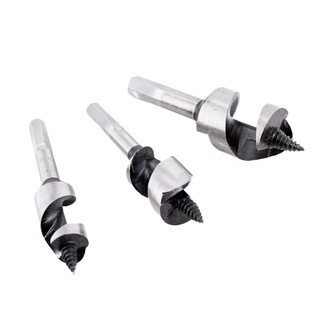
| Drilling timber, masonry or metal on first fix | Application-specific drill bits | Correct shank type, material-specific tip, size range that matches your fixings and holesaws |
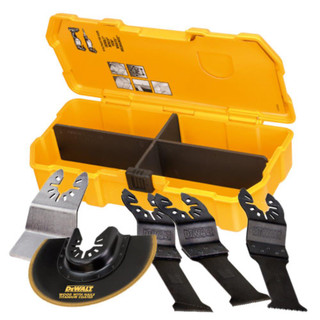
| Cutting sheet material, stud, pipe or finish timber | Job-matched saw blades | Right blade diameter, bore, tooth count and material rating for speed or finish |
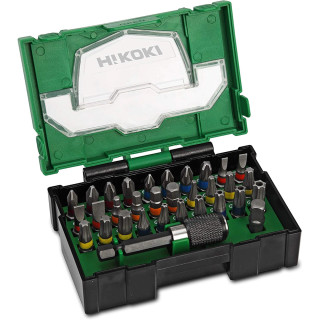
| Driving screws all day on boarding or fitting jobs | Screwdriver bits and bit holders | Accurate tip fit, impact-rated options, magnetic hold and enough length for awkward access |
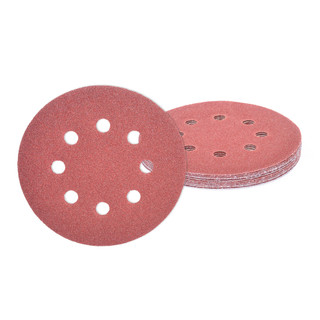
| Sanding filler, timber, paint or plaster touch-ups | Sanding pads and sheets | Correct grit, backing type, dust extraction holes and material suited to the surface |
| General van stock for mixed trade work | Mixed accessory sets | Common sizes, tough case storage and a spread of consumables you actually use every week |
Common Buying and Usage Mistakes
- Buying by price alone usually ends with bits going blunt early, blades wandering and abrasives clogging up fast. Spend to suit the workload, especially if the kit is earning every day.
- Not checking fitment is a classic one. Wrong shank, wrong bore or wrong backing means it either will not fit at all or runs badly and damages the tool.
- Using one accessory across every material wastes time and wrecks the finish. Keep separate options for timber, metal, masonry and finer finishing work.
- Running accessories far past their best puts extra strain on the tool and the user. If cutting slows, drilling burns or sanding stops clearing properly, change it before the job gets worse.
- Buying random single pieces with no plan leaves gaps in the van stock. Build around the jobs you do most so common sizes and spare consumables are always there when needed.
Drill Bits vs Saw Blades vs Sanding Pads
Drill Bits
Pick these when the job is making holes for fixings, pipe runs, cable routes or anchors. The main thing is matching the bit to the material and tool chuck. Wrong bit choice means heat, slow progress and ugly holes.
Saw Blades
These are for straight cutting, trimming and breaking down material quickly. Blade size, tooth count and material rating matter more than anything else. A fast rough blade is no good if the customer will see the finish.
Sanding Pads
Use these for prep, smoothing and finishing, not stock removal at all costs. Grit choice and dust extraction make the difference. Too coarse leaves more repair work behind, too fine wastes time getting nowhere.
Which One to Buy First
If your work is mostly fixing and installation, start with drill and driver accessories. If you are cutting all day, sort blades first. If you are on second fix, decorating or snagging, good sanding consumables pay for themselves quickly.
Maintenance and Care
Clean Off Dust and Resin
Pitch, resin, filler dust and metal swarf all shorten accessory life. Wipe blades and bits down after use and clear sanding dust from backing pads before it cakes on.
Store by Type and Size
Chucking everything loose in the bottom of the box is how edges get damaged and sizes go missing. Keep bits, blades and abrasives in proper cases or separated trays so you can grab the right one fast.
Replace Before They Fail Completely
Do not wait until a blade is burning through cuts or a bit is polishing the surface instead of drilling. Swapping consumables early protects the tool and gives better results.
Keep Them Dry
Moisture in the van or container soon brings on rust, especially on steel accessories and backing hardware. Dry them off after wet jobs and avoid leaving packs open on damp floors.
Check for Wear and Damage
Bent bits, chipped teeth and worn hook and loop faces are not worth nursing along. Once the accessory is damaged, replace it rather than forcing poor performance and risking damage to the work.
Why Shop for Power Tool Accessories at ITS?
Whether you need one replacement blade or a full van restock of power tool accessories, we have the range to cover drilling, cutting, fixing and sanding properly. ITS stocks power tool accessories UK trades actually use, with the key sizes, types and consumables in our own warehouse and ready for next day delivery.
Power Tool Accessories FAQs
What are power tool accessories used for?
They are the working end of the tool. Power tool accessories handle the actual drilling, cutting, driving, grinding or sanding, so they decide how fast the job goes and how clean the finish is. Get the right accessory and the tool works properly. Get it wrong and even a decent machine feels useless.
How do I choose the right power tool accessories?
Start with three checks. Match the accessory to the material, match it to the tool fitment, then think about whether you need speed or a cleaner finish. If you are drilling concrete, cutting laminate and driving long fixings, you need three very different accessories, not one do-it-all option.
Are power tool accessories suitable for trade use?
Yes, provided you buy for the workload and not just the cheapest listing. Trade use means repeated cuts, holes and fixings day after day, so you want accessories built to hold up under heat, pressure and rough handling. For occasional work, lighter consumables can be fine. For daily site graft, go tougher.
What should I check before buying power tool accessories?
Check fitment first. That means shank type, blade diameter, bore, backing style, length and any tool-specific fixing system. Then check the accessory is rated for the material you are working on. Those two checks stop most buying mistakes before they happen.
Can I buy power tool accessories online from ITS?
Yes. You can buy power tool accessories online from ITS, with the range held in our own stock where listed and ready for next day delivery. That is handy when you know exactly what size, fitment or consumable you need and do not want to waste time hunting around locally.
-
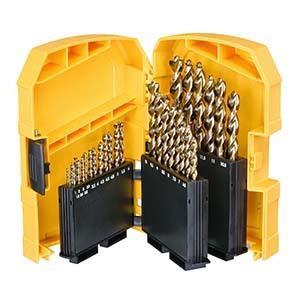
Drill Bits
-
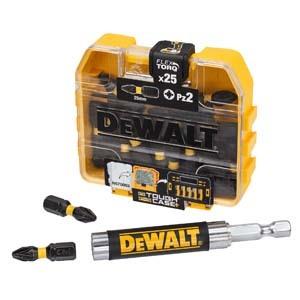
Screwdriver Bits & Bit Holders
-
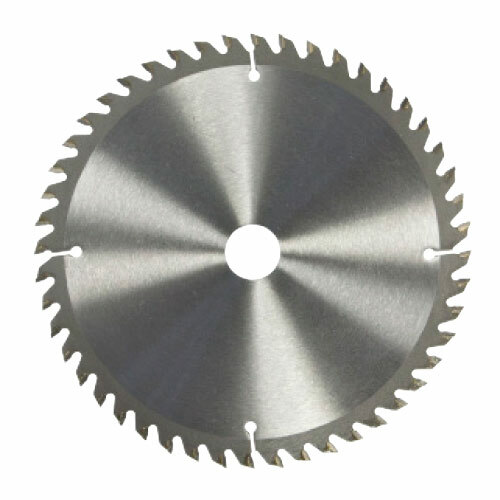
Saw Blades
-
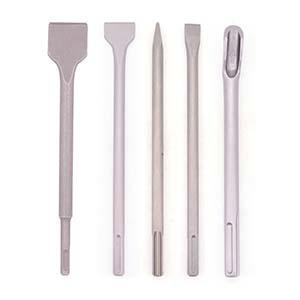
SDS Bits and Attachments
-
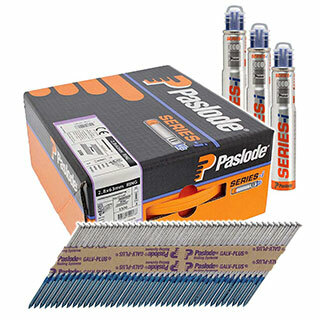
Nail Gun Nails and Accessories
-
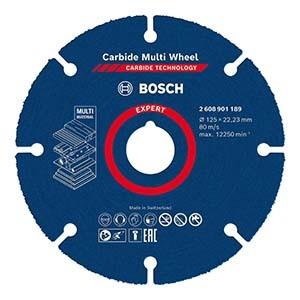
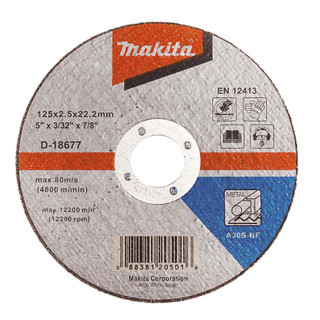
Angle Grinder Discs & Accessories
-
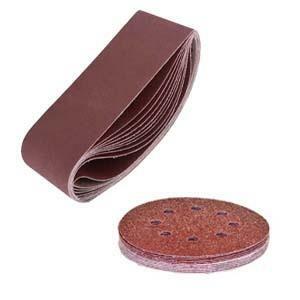
Sanding Pads & Sheets
-
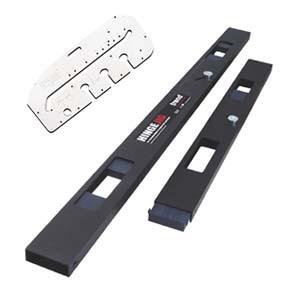
Routing
-
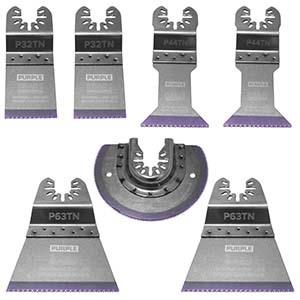
Multi Tool Blades & Accessories
-
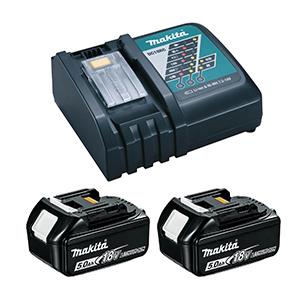
Batteries, Chargers and Mounts
-
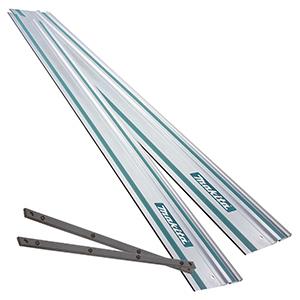
Guide Rails & Plunge Saw Accessories
-
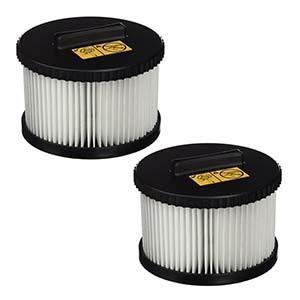
Dust Extractor Accessories
-
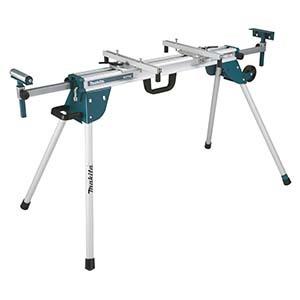
Saw Stands
-
Dust Bags
-
Power Tool Accessory Special Offers
-
Power Tool Accessories Shop All
-
More Accessories



