Multi Tool Blades & Accessories
Multi tool blades and accessories sort the awkward cuts, trims and sanding jobs that slow site work down when bigger kit simply will not fit.
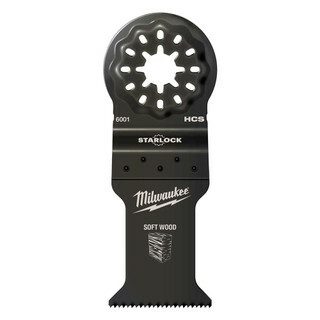
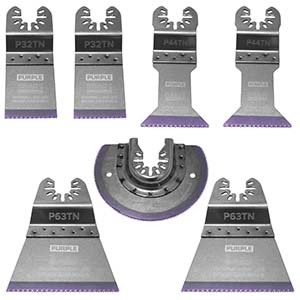
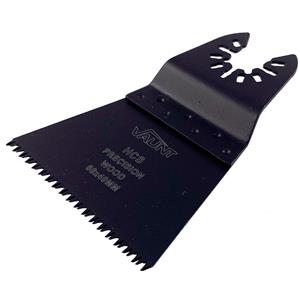
When you're trimming skirting in place, cutting out a rotten section, or sanding filler back in a tight corner, this is the kit you reach for. The right oscillating multi tool blades save time, last longer, and leave a cleaner finish. You will also find Power Tool Accessories, plus Multi Tool Blade Sets, Multi Tool Blades (Loose), Starlock Multi Tool Blades, and Multi Tool Sanding Attachments to match the job properly.
What Are Multi Tool Blades and Accessories Used For?
- Trimming door linings, architrave, and skirting in place is where oscillating multi tool blades earn their keep, especially when you need a flat flush cut without ripping half the finish apart.
- Cutting out damaged timber, old silicone, grout, or sections of plasterboard is far quicker with the right multi tool accessories, particularly on refurbs where space is tight and mess needs keeping down.
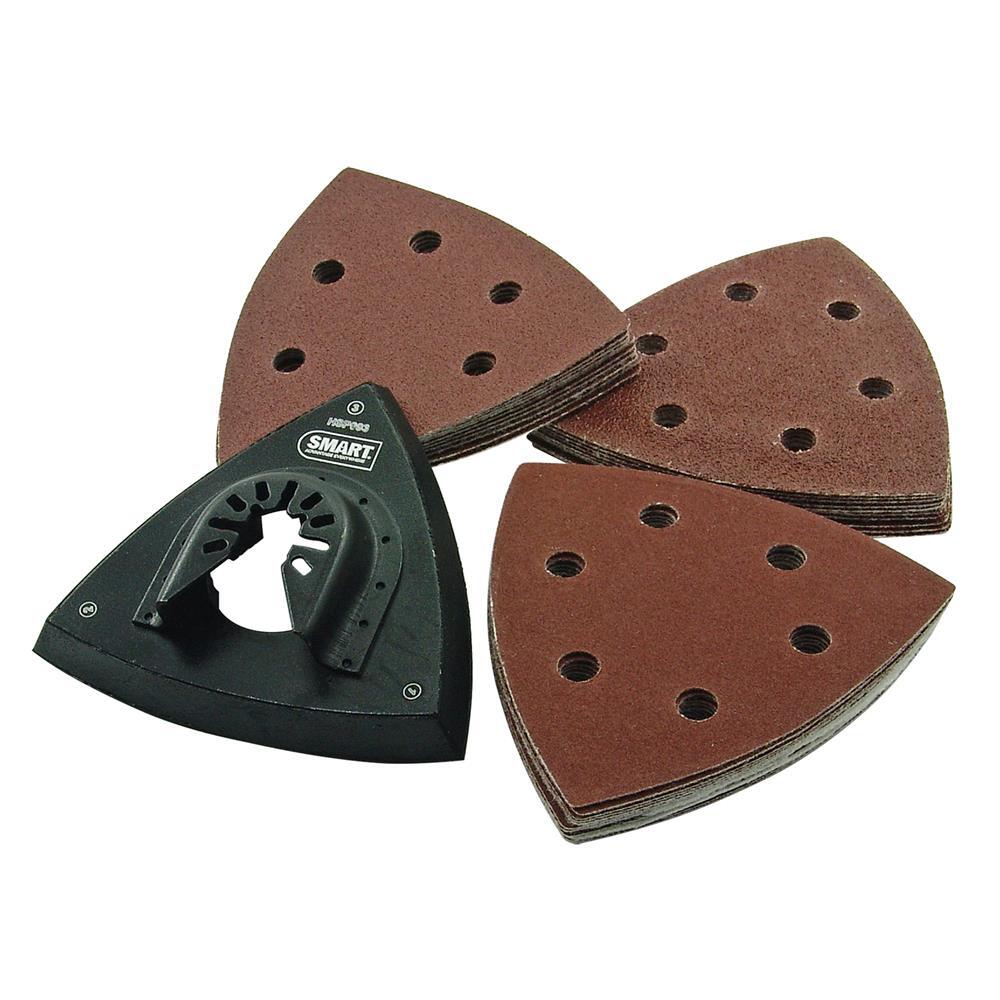
- Sanding filler, paint edges, and awkward corners with multi tool sanding pads saves dragging out bigger gear for small snagging jobs at second fix or final handover.
- Plunge cutting openings for sockets, vents, and repair patches is a standard site task, and the right flush cutting blades make it easier to start clean and stay on your line.
- Shifting between fine trimming jobs and rougher site modifications makes these more versatile than many angle grinder accessories when sparks, dust, or overcutting would be a problem.
Choosing the Right Multi Tool Blades and Accessories
Match the blade to the material first. That is what stops slow cuts, burnt teeth, and wasted money.
1. Wood, Metal or Mixed Materials
If you are mainly cutting timber, plasterboard, or plastic, a wood blade will do the bulk of your work. If there is any chance of hidden nails, screws, or mixed site material, go straight to a bi metal or multi material blade or you will blunt a wood blade in no time.
2. Flush Cuts vs Plunge Cuts
If you are trimming skirting, door stops, or pipes off close to a surface, buy flush cutting blades. If you are making openings in board or timber, choose a plunge blade with the right width so you can start neatly and keep the cut under control.
3. Loose Blades or Sets
If you already know what you wear out most, buy loose replacements and keep the van stocked properly. If your work changes from day to day, a mixed blade set makes more sense and stops you getting caught short halfway through a snagging list.
4. Fitment Matters
Do not assume every accessory fits every tool. If your machine uses Starlock, buy Starlock. If it takes a universal fitting, check the blade pattern before ordering. Getting the fit wrong is the fastest way to waste time before the job has even started.
Who Uses These on Site?
- Chippies use these for undercutting frames, trimming fitted timber, and sorting first fix and second fix alterations without dragging the whole lot apart.
- Sparkies reach for them when cutting neat plasterboard openings, easing back boxes into awkward spots, or trimming boards where a bigger saw would make a mess.
- Plumbers and bathroom fitters swear by them for cutting access panels, trimming pipe boxings, and removing grout or sealant around trays and sanitaryware.
- Kitchen fitters keep a range of multi tool blades and accessories close by for scribes, worktop touch-ups, and sink cut-out corrections where accuracy matters more than brute force.
- Maintenance teams and refurb crews rely on them for snagging, repair cuts, and mixed-material work where one tool needs to handle timber, plasterboard, fixings, and sanding in the same shift.
The Basics: Understanding Multi Tool Blades and Accessories
An oscillating multi tool does not spin like a grinder or drill. It moves the blade side to side in a tiny, fast arc, which is why it can cut, scrape, and sand in places other tools cannot reach cleanly.
1. Oscillating Blades
These are for controlled cutting in tight spots. The narrow movement lets you plunge into plasterboard, trim timber flush to a surface, or nibble through fixings without the kick you get from more aggressive tools.
2. Scrapers and Sanding Pads
Scraper accessories help lift adhesives, old sealant, and flooring residue without gouging the surface too badly. Sanding pads turn the same tool into a handy finisher for corners, filler, and edge work where bigger sanders are too clumsy.
3. Blade Shape Changes the Result
Wider blades suit longer, straighter cuts. Narrower blades help with detail work and tighter access. Segmented blades are useful where you want to follow an edge or cut without burying the whole front of the blade into the material.
Multi Tool Accessories That Save Time on Site
A few well-chosen extras stop hold-ups, improve the finish, and save you burning through the wrong blade for the job.
1. Sanding Sheets
Keep spare sanding sheets in the van because worn abrasive just polishes filler and paint instead of cutting it back. Fresh sheets make a big difference when you are snagging corners, feathering repairs, or cleaning edges before decorating.
2. Scraper Blades
A scraper saves wrecking cutting blades on jobs they were never meant for. Use one for adhesive, old mastic, vinyl residue, or silicone and you will get a cleaner result with less mess and less grief.
3. Multi Material Replacement Blades
These are worth keeping as your get out of trouble option when you hit hidden screws, mixed board, or old fixings. Better that than killing a fine wood blade halfway through a simple trim.
4. Storage Cases or Blade Organisers
Loose blades rolling round the van get damaged, rusty, or lost. A proper organiser means you can grab the right blade first time instead of wasting ten minutes digging through a box of mixed odds and ends.
Choose the Right Multi Tool Blades and Accessories for the Job
Use this quick guide to match the accessory to the work in front of you.
| Your Job | Blade or Accessory Type | Key Features |
|---|---|---|
| Trimming skirting or door linings in place | Flush cutting blades | Flat profile, controlled cut, good access tight to finished surfaces |
| Cutting openings in plasterboard or timber | Plunge cutting blades | Easy starting point, straight control, suits repair work and box-outs |
| Working through timber with nails or mixed materials | Bi metal or multi material blades | Better tooth durability, handles hidden fixings, longer site life |
| Removing adhesive, sealant or floor residue | Scraper accessories | Broad contact area, less surface damage, faster clean-up |
| Sanding filler, corners and edge details | Multi tool sanding pads | Triangular access, quick sheet changes, ideal for snagging work |
Common Buying and Usage Mistakes
- Buying wood blades for refurb work with hidden screws is a common mistake. You hit one fixing and the blade is finished, so use multi material or bi metal blades when the job is unknown.
- Assuming every blade fits every oscillating multi tool catches plenty of people out. Always check the fitting pattern or Starlock compatibility before you order.
- Using a worn sanding pad or tired abrasive wastes time and leaves a poor finish. Change sheets early and keep spare pads ready for snagging and prep work.
- Forcing the cut instead of letting the tool work overheats the blade and shortens its life. Keep steady pressure, let the accessory do the job, and back off if the cut starts burning.
- Using multi tool blades where angle grinder accessories would be quicker on heavy metal removal is the wrong call. Pick the tool to suit the material and the finish you need, not just what is already in your hand.
Flush Cutting Blades vs Plunge Blades vs Sanding Pads
Flush Cutting Blades
Best when you need to trim something back level with the surface, like skirting, pipe stubs, or frame edges. They are the right choice for neat finish work, but not always the quickest for starting internal cut-outs.
Plunge Blades
These are made for dropping straight into board, timber, or softer materials to start a cut where there is no free edge. Ideal for socket openings, repair sections, and access cuts, though less handy for long flush trims.
Sanding Pads
Not for cutting at all, but very useful for finishing. They come into their own on filler, paint prep, and awkward corners where a larger sander will not reach cleanly.
When Angle Grinder Accessories Make More Sense
If you are cutting heavier metal, grinding back welds, or removing stock fast, angle grinder accessories are the better tool route. Multi tool accessories win when access is tight, control matters, and you cannot afford sparks or overcutting.
Maintenance and Care
Clean Resin and Dust Off After Use
Blades clogged with resin, filler, or adhesive run hotter and cut slower. Wipe them down after the job and do not chuck them back in the case covered in site muck.
Store Blades Dry
Moisture in the van will rust cutting edges and fixings fast. Keep blades in a dry organiser or case rather than loose in the bottom of a toolbox.
Replace Blunt Blades Early
A blunt blade does not save money. It slows the cut, overheats, and puts more strain on the tool. If it is burning, bouncing, or tearing the finish, change it.
Check the Mounting Face
Dust and debris around the blade mount stop accessories seating properly. Give the tool interface a quick clean before fitting a fresh blade so it locks up flat and secure.
Keep Sanding Backings in Good Order
If the hook and loop backing is worn out, sanding sheets will not hold properly and the pad becomes useless. Replace tired pads before they start flapping and marking finished work.
Why Shop for Multi Tool Blades and Accessories at ITS?
Whether you need a single replacement blade for a quick repair or a full set for mixed site work, we stock the lot. From oscillating multi tool blades and flush cutting blades to sanding pads and specialist fittings, the range is in our own warehouse and ready for next day delivery across the UK.
Multi Tool Blades and Accessories FAQs
What are multi tool blades and accessories used for?
They are used for controlled cutting, trimming, scraping, and sanding where bigger tools are awkward or too aggressive. On site that usually means flush cuts on skirting and frames, plunge cuts in plasterboard or timber, grout removal, adhesive scraping, and sanding filler back in corners.
How do I choose the right multi tool blades and accessories?
Start with the material, then the cut. Wood blades are fine for clean timber and board, but if there are hidden fixings or mixed materials, go bi metal or multi material. For trimming tight to a surface, use flush cutting blades. For openings and internal cuts, use plunge blades. For prep and snagging, pick sanding pads or scraper heads.
Which multi tool blades and accessories fit my oscillating multi tool?
That depends on the fitting system your machine uses. Some tools take universal fit accessories, while others are built around Starlock patterns. Best advice is simple. Check your tool mount before you buy, because a good blade is no use if it will not lock on properly.
Are multi tool blades and accessories suitable for plunge cuts and trimming?
Yes, that is exactly where they earn their keep. Plunge blades are made for dropping into board and timber to start a neat opening, while flush cutting blades are ideal for trimming frames, skirting, and other finished surfaces without overcutting.
Can I buy multi tool blades and accessories online from ITS?
Yes. You can buy multi tool blades and accessories online from ITS with the range held in stock in our own warehouse. That means you can order the right blades for the next job and get them delivered quickly without chasing around merchants.
Will these blades cope with nails and screws, or am I going to ruin them straight away?
Some will, some will not. Standard wood blades are not the one for hidden fixings. If you are working on refurb or unknown material, buy bi metal or multi material blades. They cost more, but they save you wrecking two or three cheap blades in one afternoon.
Are sanding attachments actually useful, or are they just for light DIY jobs?
They are genuinely handy for trade snagging and detail prep. No one is sanding a whole floor with one, but for filler, paint edges, corner work, and small repair areas, multi tool sanding pads save time and get into spots other sanders miss.