Angle Grinder Discs & Accessories

Angle grinder discs are what make the grinder earn its keep, whether you're cutting steel, cleaning welds, keying surfaces or chasing into block.

Get the disc wrong and you waste time, chew through stock, or worse, overload the grinder. This range covers cutting discs, grinding discs, flap discs and diamond discs for the sort of site work that actually turns up every week, from metal fab and snagging to brick, slab and concrete cutting. Match the disc to the material, check the bore and RPM, and buy for the grinder you already run.

What Are Angle Grinder Discs Used For?

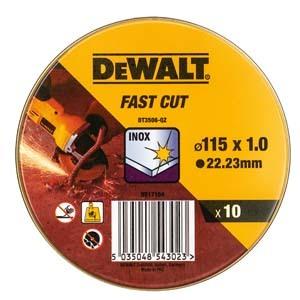
  • Cutting threaded rod, box section, bolts and steel trunking on first fix is where metal cutting discs earn their place, especially when you need quick, clean cuts without dragging out bigger kit.
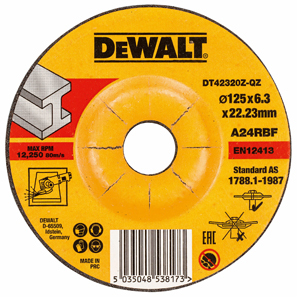
  • Grinding back proud welds, cleaning up rough edges and knocking off burrs after fabrication is proper grinding disc work, giving you a flatter finish before paint, fit-up or final fixing.
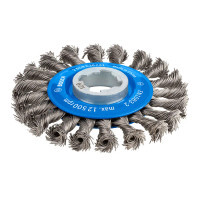
  • Smoothing stainless, dressing weld seams and taking coatings back without gouging the parent material is where flap discs come into their own, particularly in workshop, gate and balustrade work.
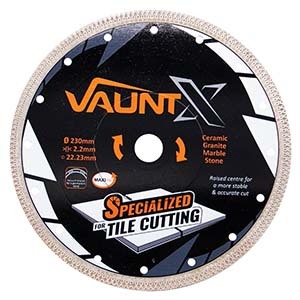
  • Chasing into block, trimming slabs, cutting paving and slicing through brick or concrete is diamond disc territory, where the right bond and segment style saves the disc glazing over halfway through the job.
  • Stripping rust, old mortar smears and stubborn surface contamination off steelwork or masonry is everyday grinder disc work when the job needs tidying before repair, repainting or handover.

Who Uses These on Site?

  • Steel erectors, fabricators and welders rely on angle grinder discs for cutting discs and grinding discs that can keep up with box, plate, angle and weld clean-up without constant swaps.
  • Sparkies use 115mm grinder discs and 125mm grinder discs for trimming tray, threaded rod and trunking, then keep a flap disc handy for cleaning up sharp edges before fix.
  • Brickies, landscapers and groundworkers reach for diamond discs when they are cutting block, brick, kerbs, slabs and concrete products that would wreck a standard metal disc in minutes.
  • General builders and maintenance teams keep a mixed stock of grinder discs because one week it is cutting bolts flush, the next it is raking out mortar or tidying steel before repainting.
  • Fitters and site gangs swear by having the right angle grinder discs and accessories in the van because it saves walking back for another tool when a quick cut or clean-up will get the job moving again.

Choosing the Right Angle Grinder Discs

Sorting the right disc is simple: match it to the material and the job. Do not try to make one disc do everything.

1. Cutting vs Grinding

If you are slicing through steel, bolts or sheet, use cutting discs. If you are removing weld, dressing edges or taking material back, use grinding discs. Thin cutting discs are not built for side load, so do not lean on them like a wheel.

2. Flap Discs for Finishing Work

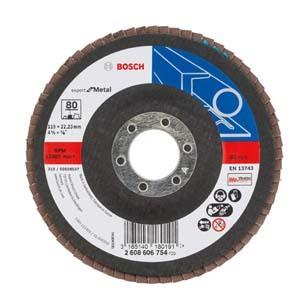
If the job needs a cleaner finish, go flap discs rather than a standard grinding wheel. They cut and finish in one pass, which makes them a better shout for stainless, painted steel and jobs where you do not want deep scratch marks.

3. Diamond Discs for Masonry and Concrete

If you are on brick, block, slab or concrete, go straight to diamond discs. Do not waste time with metal cutting discs on mineral materials. Pick a disc suited to dry cutting if that is how you work, and expect better life from the right segment pattern.

4. Size and RPM Matter

Check whether your grinder takes 115mm grinder discs or 125mm grinder discs before you order. Then make sure the disc RPM rating meets or exceeds the no-load speed of the grinder. If it does not, leave it alone.

The Basics: Understanding Angle Grinder Discs

The disc changes what the grinder actually does. Same tool, completely different result depending on the disc you fit. Here is the simple version.

1. Cutting Discs

These are thin and made to cut straight through material with the edge of the disc. They are the right choice for steel, bolts, threaded rod and sheet, where you want speed and a narrow kerf rather than material removal across a wide area.

2. Grinding and Flap Discs

Grinding discs are thicker and built for taking material off the surface, like weld clean-up or edge prep. Flap discs do a similar job but leave a neater finish, so they suit fabrication and finishing work better.

3. Diamond Discs

Diamond discs are for hard mineral materials such as masonry, brick and concrete. Rather than wearing away like bonded abrasive discs, they use a diamond edge or segment to keep cutting through tough material with better life on the right job.

Angle Grinder Disc Accessories That Save Hassle

A few proper accessories make disc changes quicker, keep cuts cleaner and stop you damaging discs before the job is done.

1. Backing Pads and Fixing Nuts

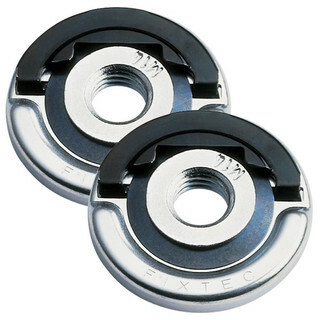
If you are running flap discs or fibre sanding discs, the right backing pad and nut matter. Use the wrong setup and you end up with wobble, poor finish and discs wearing out unevenly before they have earned their keep.

2. Disc Guards

A proper guard is not optional. It keeps sparks, fragments and debris where they should be and helps you run the right disc safely, especially when swapping between cutting discs and grinding discs.

3. Lock Nuts and Spanners

Keep a spare lock nut and pin spanner in the box. When the original goes missing on site, the grinder is useless until you find another, and that is the sort of delay that wastes half an hour for no reason.

Choose the Right Angle Grinder Discs for the Job

Use this quick guide to sort the right disc before you start chewing through stock.

Your Job Disc Type Key Features
Cutting bolts, threaded rod and steel section Metal cutting discs Thin profile, fast straight cuts, less burr, suited to steel and ferrous stock
Removing weld, dressing edges and heavy stock removal Grinding discs Thicker wheel, built for side pressure, good control on welds and rough edges
Cleaning stainless or leaving a neater finish on metal Flap discs Cuts and finishes together, smoother result, better for prep before paint or fit-up
Cutting brick, block, paving slabs and concrete Diamond discs Hard-wearing edge, suited to mineral materials, better life on masonry work
General van stock for smaller grinders 115mm grinder discs or 125mm grinder discs Match the grinder size, check bore and RPM, choose the disc by material not guesswork

Common Buying and Usage Mistakes

  • Using a cutting disc for grinding is a classic mistake. Thin discs are built for edge cutting, not side pressure, so they wear badly, cut poorly and can fail if you start leaning on them.
  • Buying the wrong diameter is more common than it should be. If your grinder takes 115mm grinder discs, do not assume 125mm grinder discs will fit under the guard or run safely.
  • Ignoring the RPM rating is asking for trouble. The disc must be rated for at least the grinder's no-load speed or it should not go anywhere near the machine.
  • Trying to use one disc for all materials wastes discs and time. Metal cutting discs, grinding discs, flap discs and diamond discs all have their own job, and the wrong one will glaze, clog or vanish fast.
  • Running worn or damaged grinder discs too long gives poor cuts and more vibration. If the disc is chipped, badly worn or no longer cutting cleanly, bin it and fit a fresh one.

Cutting Discs vs Grinding Discs vs Flap Discs

Cutting Discs

Best for getting through metal fast with a narrow cut and less clean-up. They are not for side loading or shaping work, so once the cut is done, swap discs instead of forcing the job.

Grinding Discs

These are for removing material from the surface, not slicing through it. Choose them for weld prep, edge dressing and knocking back rough steel where a cutting disc would struggle or fail.

Flap Discs

Flap discs sit between heavy grinding and finishing. They remove stock but leave a cleaner surface, so they make more sense when appearance matters or you want fewer disc changes during fabrication.

Diamond Discs

If the material is masonry, concrete, brick or slab, diamond discs are the proper option. They cost more up front than bonded abrasive discs, but on the right material they cut straighter and last far longer.

Maintenance and Care

Store Discs Flat and Dry

Keep angle grinder discs in a dry box or drawer, not rolling around the van. Damp, knocks and warped storage all shorten disc life and can damage bonded discs before you even fit them.

Check for Chips and Cracks

Give every disc a quick look before fitting. If the edge is chipped, the centre is damaged or the disc has taken a proper knock, do not risk it. Replace it.

Keep the Flanges Clean

Dust and debris trapped between the flanges and disc can make the disc run out of true. A quick wipe before fitting helps reduce wobble and gives a cleaner, safer cut.

Do Not Force a Worn Disc

Once cutting discs or grinding discs stop working properly, do not keep leaning harder on the grinder. That just overheats the disc and the tool. Change it and crack on.

Use the Right Disc for the Material

A lot of disc wear comes from poor matching, not poor quality. Metal cutting discs on steel, diamond discs on masonry, and flap discs for finishing will all last longer when used where they should be.

Why Shop for Angle Grinder Discs at ITS?

Whether you need metal cutting discs for daily site work, flap discs for fabrication, grinding discs for weld clean-up or diamond discs for brick and concrete, we stock the full range. That means the sizes, types and packs trades actually buy, including 115mm grinder discs and 125mm grinder discs, all held in our own warehouse and ready for next day delivery.

Angle Grinder Discs FAQs

Can I use a cutting disc for grinding?

No. Cutting discs are thin and made for straight edge cuts only. Put side pressure on them like a grinding wheel and you wear them out fast or risk disc failure. If you need to remove material, fit a proper grinding disc or flap disc.

What's the difference between flap discs and grinding wheels?

Grinding wheels are for heavier material removal and rougher work like knocking back welds. Flap discs are more forgiving and leave a better finish, so they are the better choice for prep work, stainless and anywhere you do not want deep gouges.

Are diamond discs suitable for dry cutting?

Many are, but not all. Check the disc spec before you start. If it is rated for dry cutting, it will cope with brick, block and concrete without water, but you still need to let the disc work and avoid overheating it on long cuts.

What RPM rating should my disc have?

The disc rating must meet or exceed the no-load speed of your grinder. That is non-negotiable. Check the grinder plate, check the disc, and if the disc rating is lower, do not fit it.

Can one disc be used for all materials?

Not if you want decent performance. Metal cutting discs are for steel and similar metals, grinding discs are for material removal, flap discs are for finishing, and diamond discs are for masonry and concrete. One disc trying to do the lot usually means poor cuts and short life.

Which angle grinder disc is best for cutting metal?

For most site metal work, a thin metal cutting disc is the right choice. It cuts faster, wastes less material and leaves less burr on bolts, threaded rod, angle and steel section than a thicker wheel.

What disc size do I need for my angle grinder?

Match the disc diameter and bore to the grinder exactly. The common site sizes are 115mm grinder discs and 125mm grinder discs, but do not guess. Check the grinder manual or the markings on the guard before you buy.

Which grinder disc should I use for masonry or concrete?

Use diamond discs for masonry, brick, slab and concrete. Standard metal discs will disappear in no time on those materials. Pick a diamond blade suited to dry or wet cutting depending on how you work.

Read more

Angle Grinder Discs & Accessories

Angle grinder discs are what make the grinder earn its keep, whether you're cutting steel, cleaning welds, keying surfaces or chasing into block.

Get the disc wrong and you waste time, chew through stock, or worse, overload the grinder. This range covers cutting discs, grinding discs, flap discs and diamond discs for the sort of site work that actually turns up every week, from metal fab and snagging to brick, slab and concrete cutting. Match the disc to the material, check the bore and RPM, and buy for the grinder you already run.

What Are Angle Grinder Discs Used For?

  • Cutting threaded rod, box section, bolts and steel trunking on first fix is where metal cutting discs earn their place, especially when you need quick, clean cuts without dragging out bigger kit.
  • Grinding back proud welds, cleaning up rough edges and knocking off burrs after fabrication is proper grinding disc work, giving you a flatter finish before paint, fit-up or final fixing.
  • Smoothing stainless, dressing weld seams and taking coatings back without gouging the parent material is where flap discs come into their own, particularly in workshop, gate and balustrade work.
  • Chasing into block, trimming slabs, cutting paving and slicing through brick or concrete is diamond disc territory, where the right bond and segment style saves the disc glazing over halfway through the job.
  • Stripping rust, old mortar smears and stubborn surface contamination off steelwork or masonry is everyday grinder disc work when the job needs tidying before repair, repainting or handover.

Who Uses These on Site?

  • Steel erectors, fabricators and welders rely on angle grinder discs for cutting discs and grinding discs that can keep up with box, plate, angle and weld clean-up without constant swaps.
  • Sparkies use 115mm grinder discs and 125mm grinder discs for trimming tray, threaded rod and trunking, then keep a flap disc handy for cleaning up sharp edges before fix.
  • Brickies, landscapers and groundworkers reach for diamond discs when they are cutting block, brick, kerbs, slabs and concrete products that would wreck a standard metal disc in minutes.
  • General builders and maintenance teams keep a mixed stock of grinder discs because one week it is cutting bolts flush, the next it is raking out mortar or tidying steel before repainting.
  • Fitters and site gangs swear by having the right angle grinder discs and accessories in the van because it saves walking back for another tool when a quick cut or clean-up will get the job moving again.

Choosing the Right Angle Grinder Discs

Sorting the right disc is simple: match it to the material and the job. Do not try to make one disc do everything.

1. Cutting vs Grinding

If you are slicing through steel, bolts or sheet, use cutting discs. If you are removing weld, dressing edges or taking material back, use grinding discs. Thin cutting discs are not built for side load, so do not lean on them like a wheel.

2. Flap Discs for Finishing Work

If the job needs a cleaner finish, go flap discs rather than a standard grinding wheel. They cut and finish in one pass, which makes them a better shout for stainless, painted steel and jobs where you do not want deep scratch marks.

3. Diamond Discs for Masonry and Concrete

If you are on brick, block, slab or concrete, go straight to diamond discs. Do not waste time with metal cutting discs on mineral materials. Pick a disc suited to dry cutting if that is how you work, and expect better life from the right segment pattern.

4. Size and RPM Matter

Check whether your grinder takes 115mm grinder discs or 125mm grinder discs before you order. Then make sure the disc RPM rating meets or exceeds the no-load speed of the grinder. If it does not, leave it alone.

The Basics: Understanding Angle Grinder Discs

The disc changes what the grinder actually does. Same tool, completely different result depending on the disc you fit. Here is the simple version.

1. Cutting Discs

These are thin and made to cut straight through material with the edge of the disc. They are the right choice for steel, bolts, threaded rod and sheet, where you want speed and a narrow kerf rather than material removal across a wide area.

2. Grinding and Flap Discs

Grinding discs are thicker and built for taking material off the surface, like weld clean-up or edge prep. Flap discs do a similar job but leave a neater finish, so they suit fabrication and finishing work better.

3. Diamond Discs

Diamond discs are for hard mineral materials such as masonry, brick and concrete. Rather than wearing away like bonded abrasive discs, they use a diamond edge or segment to keep cutting through tough material with better life on the right job.

Angle Grinder Disc Accessories That Save Hassle

A few proper accessories make disc changes quicker, keep cuts cleaner and stop you damaging discs before the job is done.

1. Backing Pads and Fixing Nuts

If you are running flap discs or fibre sanding discs, the right backing pad and nut matter. Use the wrong setup and you end up with wobble, poor finish and discs wearing out unevenly before they have earned their keep.

2. Disc Guards

A proper guard is not optional. It keeps sparks, fragments and debris where they should be and helps you run the right disc safely, especially when swapping between cutting discs and grinding discs.

3. Lock Nuts and Spanners

Keep a spare lock nut and pin spanner in the box. When the original goes missing on site, the grinder is useless until you find another, and that is the sort of delay that wastes half an hour for no reason.

Choose the Right Angle Grinder Discs for the Job

Use this quick guide to sort the right disc before you start chewing through stock.

Your Job Disc Type Key Features
Cutting bolts, threaded rod and steel section Metal cutting discs Thin profile, fast straight cuts, less burr, suited to steel and ferrous stock
Removing weld, dressing edges and heavy stock removal Grinding discs Thicker wheel, built for side pressure, good control on welds and rough edges
Cleaning stainless or leaving a neater finish on metal Flap discs Cuts and finishes together, smoother result, better for prep before paint or fit-up
Cutting brick, block, paving slabs and concrete Diamond discs Hard-wearing edge, suited to mineral materials, better life on masonry work
General van stock for smaller grinders 115mm grinder discs or 125mm grinder discs Match the grinder size, check bore and RPM, choose the disc by material not guesswork

Common Buying and Usage Mistakes

  • Using a cutting disc for grinding is a classic mistake. Thin discs are built for edge cutting, not side pressure, so they wear badly, cut poorly and can fail if you start leaning on them.
  • Buying the wrong diameter is more common than it should be. If your grinder takes 115mm grinder discs, do not assume 125mm grinder discs will fit under the guard or run safely.
  • Ignoring the RPM rating is asking for trouble. The disc must be rated for at least the grinder's no-load speed or it should not go anywhere near the machine.
  • Trying to use one disc for all materials wastes discs and time. Metal cutting discs, grinding discs, flap discs and diamond discs all have their own job, and the wrong one will glaze, clog or vanish fast.
  • Running worn or damaged grinder discs too long gives poor cuts and more vibration. If the disc is chipped, badly worn or no longer cutting cleanly, bin it and fit a fresh one.

Cutting Discs vs Grinding Discs vs Flap Discs

Cutting Discs

Best for getting through metal fast with a narrow cut and less clean-up. They are not for side loading or shaping work, so once the cut is done, swap discs instead of forcing the job.

Grinding Discs

These are for removing material from the surface, not slicing through it. Choose them for weld prep, edge dressing and knocking back rough steel where a cutting disc would struggle or fail.

Flap Discs

Flap discs sit between heavy grinding and finishing. They remove stock but leave a cleaner surface, so they make more sense when appearance matters or you want fewer disc changes during fabrication.

Diamond Discs

If the material is masonry, concrete, brick or slab, diamond discs are the proper option. They cost more up front than bonded abrasive discs, but on the right material they cut straighter and last far longer.

Maintenance and Care

Store Discs Flat and Dry

Keep angle grinder discs in a dry box or drawer, not rolling around the van. Damp, knocks and warped storage all shorten disc life and can damage bonded discs before you even fit them.

Check for Chips and Cracks

Give every disc a quick look before fitting. If the edge is chipped, the centre is damaged or the disc has taken a proper knock, do not risk it. Replace it.

Keep the Flanges Clean

Dust and debris trapped between the flanges and disc can make the disc run out of true. A quick wipe before fitting helps reduce wobble and gives a cleaner, safer cut.

Do Not Force a Worn Disc

Once cutting discs or grinding discs stop working properly, do not keep leaning harder on the grinder. That just overheats the disc and the tool. Change it and crack on.

Use the Right Disc for the Material

A lot of disc wear comes from poor matching, not poor quality. Metal cutting discs on steel, diamond discs on masonry, and flap discs for finishing will all last longer when used where they should be.

Why Shop for Angle Grinder Discs at ITS?

Whether you need metal cutting discs for daily site work, flap discs for fabrication, grinding discs for weld clean-up or diamond discs for brick and concrete, we stock the full range. That means the sizes, types and packs trades actually buy, including 115mm grinder discs and 125mm grinder discs, all held in our own warehouse and ready for next day delivery.

Angle Grinder Discs FAQs

Can I use a cutting disc for grinding?

No. Cutting discs are thin and made for straight edge cuts only. Put side pressure on them like a grinding wheel and you wear them out fast or risk disc failure. If you need to remove material, fit a proper grinding disc or flap disc.

What's the difference between flap discs and grinding wheels?

Grinding wheels are for heavier material removal and rougher work like knocking back welds. Flap discs are more forgiving and leave a better finish, so they are the better choice for prep work, stainless and anywhere you do not want deep gouges.

Are diamond discs suitable for dry cutting?

Many are, but not all. Check the disc spec before you start. If it is rated for dry cutting, it will cope with brick, block and concrete without water, but you still need to let the disc work and avoid overheating it on long cuts.

What RPM rating should my disc have?

The disc rating must meet or exceed the no-load speed of your grinder. That is non-negotiable. Check the grinder plate, check the disc, and if the disc rating is lower, do not fit it.

Can one disc be used for all materials?

Not if you want decent performance. Metal cutting discs are for steel and similar metals, grinding discs are for material removal, flap discs are for finishing, and diamond discs are for masonry and concrete. One disc trying to do the lot usually means poor cuts and short life.

Which angle grinder disc is best for cutting metal?

For most site metal work, a thin metal cutting disc is the right choice. It cuts faster, wastes less material and leaves less burr on bolts, threaded rod, angle and steel section than a thicker wheel.

What disc size do I need for my angle grinder?

Match the disc diameter and bore to the grinder exactly. The common site sizes are 115mm grinder discs and 125mm grinder discs, but do not guess. Check the grinder manual or the markings on the guard before you buy.

Which grinder disc should I use for masonry or concrete?

Use diamond discs for masonry, brick, slab and concrete. Standard metal discs will disappear in no time on those materials. Pick a diamond blade suited to dry or wet cutting depending on how you work.

ITS Click and Collect Icon
What3Words:
Get Directions
Store Opening Hours
Opening times