Routing
Router accessories are what turn a router from a rough cutting tool into proper joinery kit for clean edges, accurate housings, worktop joints and repeat site fitting.
If you're fitting kitchens, trimming doors, cutting grooves or knocking up joinery, the right router accessories save time and stop expensive mistakes. Good router cutters and jigs give you cleaner passes, tighter joints and repeatable results when you're working fast. Our Power Tool Accessories range covers the site essentials, from Router Bits for timber profiling to Router Jigs that keep awkward cuts square and consistent. Pick the right kit for the material, depth and finish, then get sorted for the job.
What Are Router Accessories Used For?
- Cutting clean trenches, rebates and grooves in timber sheet material and solid wood when you're building carcasses, fitting doors or sorting first-rate joinery details.
- Shaping visible edges on shelves, worktops, window boards and trims where a rough saw cut will not pass once the client is up close to the finish.
- Joining kitchen worktops accurately on site with templates and guides that stop the router wandering and help you land neat mason's mitres first time.
- Producing repeat cuts for hinge recesses, lock areas, slotting and housing work when one-off measuring every piece just slows the whole job down.
- Matching cutter profile, bearing and guide setup to the job so joiners and fitters get less breakout, less sanding and fewer wasted boards.
Choosing the Right Router Accessories
Match the cutter or jig to the cut you actually need. Guess it wrong and you waste boards, edging and time.
1. Cut Type Comes First
If you are cutting grooves, housings or rebates, buy straight cutters sized to the finished slot, not whatever is already in the van. If you are easing edges or producing a visible profile, choose the exact shaping cutter for that finished look or you will be sanding and patching more than routing.
2. Site Fitting Needs a Jig
If the job has to repeat across several pieces, use a jig. For worktop joints and cut-outs, proper guides are quicker and far more accurate than marking out each section by hand, especially late in the day when one slip can ruin an expensive top.
3. Match the Accessory to the Material
Softwood, hardwood, MDF, laminate and veneered boards do not all cut the same. If you are working on faced panels or finished boards, use sharp, decent-quality cutters and lighter passes to avoid breakout and burning.
4. Think About Finish, Not Just Fit
For hidden cuts, a basic straight setup may do the job. For exposed edges, kitchen fitting or final joinery, buy cutters that leave a cleaner surface and use templates that hold the line properly, because filling and covering up a bad routed edge rarely looks right.
Who Uses These on Site?
- Chippies use router accessories for trimming lipping, cutting hinge recesses and cleaning up edges where hand finishing alone would take too long.
- Kitchen fitters rely on guides and cutters for worktop joints, sink cut-outs and panel trimming, especially when the finish has to look right first time in a customer's home.
- Joiners keep a set of joinery router cutters close for housings, rebates and edge profiles when making cabinets, frames and site-built timber details.
- Shopfitters and maintenance teams use router cutters and jigs for repeat fitting work where accuracy matters across multiple panels, doors or units.
- Anyone handling timber finishing and assembly will also cross over into Biscuits & Joinery when they need stronger alignment and cleaner assembly on glued joints.
The Basics: Understanding Router Accessories
Router accessories do different jobs depending on whether you need to remove material, shape an edge or guide the router accurately. Here is the simple version for site work and joinery.
1. Cutters Remove or Shape the Timber
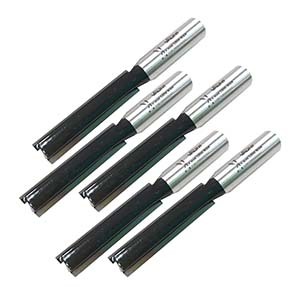
Router cutters do the actual cutting. Straight cutters handle grooves, trenches and rebates, while profiling cutters shape visible edges. The profile you choose is the finish you get, so it pays to match the bit to the detail on the drawing.
2. Jigs Control Accuracy
Jigs guide the router so you can repeat the same cut cleanly across multiple pieces. They matter most on kitchens, doors and joinery jobs where one wandering pass means filler, replacement material or both.
3. Templates and Guides Save Time on Repeat Work
When you are cutting the same recess, slot or joint more than once, templates and guide systems stop you measuring from scratch every time. That means faster fitting, tighter consistency and less chance of the last piece being slightly out.
Router Accessories That Save Time on Site
The right extras stop wasted tops, ragged edges and repeat trips back to the van.
1. Spare Router Cutters
A blunt cutter burns timber, tears laminates and makes the router work harder than it should. Keeping spare sizes and profiles ready means you do not end up forcing a worn bit through the last cut of the day and ruining the finish.
2. Router Jigs
A proper jig saves you from trying to freehand a cut that has to be dead right. For repeat housings, hinge work or worktop joints, it keeps the line true and stops costly slip-ups on finished material.
3. Kitchen Worktop Jigs
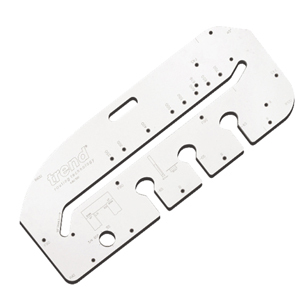
If you fit kitchens regularly, get one and keep it in good nick. Kitchen Worktop Jigs take the gamble out of mason's mitres and jointing cuts where a bad pass can write off an expensive top.
Choose the Right Router Accessories for the Job
Use this quick guide to sort the right setup before you start cutting.
| Your Job | Category or Type | Key Features |
|---|---|---|
| Cutting grooves, housings and rebates in timber | Straight router cutters | Correct cutter diameter, clean plunge performance and a sharp edge that leaves less breakout |
| Finishing visible edges on shelves, trims and panels | Profiling router cutters | Consistent edge shape, smooth finish and better control on final pass work |
| Joining laminate or solid worktops on site | Worktop jig | Accurate guide layout, repeatable cuts and proper support for neat joints |
| Repeat recesses and routing details across several parts | Router jig | Template accuracy, reduced marking-out time and cleaner repeat results |
| General joinery and cabinet fitting | Mixed router cutters and jigs | Range of common sizes, clean cutting profiles and flexibility for site-made details |
Common Buying and Usage Mistakes
- Buying one cheap mixed set and expecting it to cover every job usually ends with the wrong profile or size on the day. Buy the cutters you actually use most and add the specialist bits as your work demands them.
- Using a worn or blunt cutter to get one more cut out of it causes burning, breakout and a rough finish. Swap it before it ruins a finished panel or expensive worktop.
- Freehanding repeat cuts instead of using a jig wastes time and invites inconsistency. If the same detail appears more than once, use a guide and keep every cut matching.
- Taking too much in one pass puts strain on the router and leaves a rougher edge. Use stepped passes on deeper cuts and the finish will be cleaner and easier to control.
- Picking accessories without thinking about the board finish is a costly error on laminated or veneered material. Match the cutter and feed rate to the material or expect chipping where it shows most.
Router Cutters vs Router Jigs vs Worktop Jigs
Router Cutters
These do the cutting and shaping, so they are the first thing you need for grooves, rebates, profiling and general timber work. They are flexible, but on their own they do not guarantee accuracy on repeat jobs.
Router Jigs
Router jigs are about control and repeatability. They suit hinge recesses, slots, housings and repeated site fitting details where clean consistency matters more than trying to mark and cut each piece from scratch.
Worktop Jigs
These are the specialist option for kitchen fitting. If you are cutting mason's mitres and worktop joints regularly, a dedicated worktop jig is the safer bet than trying to adapt a general jig to a job with expensive consequences.
Maintenance and Care
Clean Resin and Dust Off After Use
Pitch, glue residue and fine dust build up quickly on router cutters and guides. Clean them off after the job so the cutter runs cooler and the jig sits flat next time out.
Store Cutters Properly
Do not just throw cutters loose in the toolbox. Keep them in a case or rack so the cutting edges do not knock together and chip before they even reach site.
Check for Wear Before Finish Work
Before routing visible edges or finished boards, inspect the cutter for dull edges, heat marks or damage. It is far cheaper to replace a tired cutter than replace the workpiece.
Keep Jigs Flat and Undamaged
If a jig gets bent, chipped or knocked out, accuracy goes with it. Store templates and jigs flat and check the guide edges are still true before using them on customer-facing work.
Replace When the Finish Drops Off
Once a cutter starts tearing fibres, burning the timber or needing too much force, it is time to change it. Keeping tired accessories in service only slows the job and makes the finish worse.
Why Shop for Router Accessories at ITS?
Whether you need one replacement cutter for a quick repair job or a full selection of router cutters and jigs for regular site fitting, we stock the range trades actually use. That includes router accessories for woodworking, joinery router cutters and kitchen fitting router accessories, all in our own warehouse and ready for next day delivery across the UK.
Router Accessories FAQs
What are router accessories used for?
Router accessories are used to shape edges, cut grooves and rebates, make repeat recesses, and guide the router accurately for cleaner joinery work. In practice, they are what let you go from rough cutting to proper fitted results on cabinets, doors, worktops and trim.
How do I choose the right router accessories?
Start with the cut, not the catalogue. If you need housings or trenches, choose the correct straight cutter size. If you need repeat accuracy, add a jig. If the cut is visible, spend more attention on cutter quality because rough edges and breakout will show straight away.
Which router accessories are best for joinery work?
For joinery work, the staples are straight cutters for grooves and rebates, profile cutters for finished edges, and jigs where you need repeat accuracy. Joiners usually build their kit around the cuts they do most rather than relying on one mixed set for everything.
How do I choose router accessories for kitchen fitting?
Kitchen fitting needs accuracy more than anything. Go for sharp cutters that leave clean edges on laminate and use proper worktop or routing jigs for joints and repeat cuts. That is the difference between a neat fit and writing off an expensive panel or top.
Can I buy router accessories online from ITS?
Yes. You can buy router accessories online from ITS, including cutters, jigs and site fitting essentials, with stock held in our own warehouse for next day delivery. That makes it easier to replace worn bits quickly or sort the right setup before the next job.
Are router accessories suitable for site work or just workshop use?
They are used on both, but site work demands the right jig and a cutter that is still genuinely sharp. On kitchens, refits and finishing jobs, router accessories for tradesmen need to cut cleanly and repeat accurately without loads of setup time.