




Router Bits
Router bits are what make a router earn its keep, from trimming laminates to cutting housings, rebates, grooves and clean joinery in timber and sheet material.
If you're fitting kitchens, building cabinets or knocking out site joinery, the wrong cutter burns out fast and leaves you cleaning up rough edges. Good router cutters and jigs give you cleaner passes, better control and less faff on final fit. We stock router bits for woodworking, joinery router cutters and kitchen fitting router accessories that suit trade use, whether you're buying singles, sets or matching up with Routing kit already on the van.
What Are Router Bits Used For?
- Cutting clean rebates, grooves and housings in timber, MDF and sheet material when you're building carcasses, shelving or first fix joinery on site.
- Trimming laminate and worktop edges flush after fitting, so kitchen panels, breakfast bars and scribed sections finish tidy without endless sanding after.
- Profiling visible edges on doors, panels and trims where a round-over, chamfer or moulded detail saves hand finishing and keeps the job consistent.
- Following templates and jigs for repeat work, especially when paired with Router Jigs for accurate cut-outs, hinge recesses and shaped components.
- Jointing timber for cabinets, frames and worktops, including jobs that tie in with Biscuits & Joinery when you need clean alignment and solid assembly.
Choosing the Right Router Bits
Sorting the right router bits is simple: match the cutter to the material and finish you need, not just whatever happens to be cheapest.
1. Straight Cutting or Edge Profiling
If you're cutting grooves, housings, rebates or mortices, start with straight cutters sized to the actual slot you need. If you're finishing visible edges on doors, trims or tops, go for round-over, chamfer or rebate bits made for that profile instead of trying to fake it with a straight pass.
2. Shank Size Matters
Check whether your router takes quarter inch or half inch shanks before you buy. Half inch bits usually give better stability on heavier cuts and bigger profiles, while quarter inch suits lighter trim work and smaller routers. Get this wrong and the bit is no use to you.
3. Material and Cutter Quality
If you're mostly on MDF, softwood and laminates, standard TCT cutters will do plenty of the daily graft. If you're regularly in hardwoods, worktops or abrasive sheet materials, buy router bits with decent carbide edges because cheap ones lose their sharp edge quickly and start burning the cut.
4. Singles, Sets and Jig Compatibility
If you already know the job, buy the exact cutter you need and keep the van light. If you're doing mixed second fix or workshop prep, a set makes sense. For template work, make sure the bit and guide setup suit the jig, especially if you're buying through our wider Power Tool Accessories range.
Who Uses These Router Bits?
- Chippies use router bits for housings, edge work and repeat trimming when they need site joinery to fit right first time instead of fettling it all afternoon.
- Kitchen fitters swear by them for mason's mitres, sink runs, laminate trimming and neat cut-outs, especially when working with Kitchen Worktop Jigs on busy installs.
- Shopfitters and cabinet makers keep a range of joinery router cutters close by for grooves, rebates and template work across sheet material, hardwood and finished boards.
- Maintenance teams and multi-trades reach for them when doors need easing, panels need trimming or replacement parts need a clean routed edge without sending work back to the workshop.
Router Accessories That Save Time on Site
The right extras stop bad cuts, wasted boards and repeat trips back to the van.
1. Router Jigs
A proper jig takes the guesswork out of repeat cuts. If you're cutting worktop joints, hinge recesses or template shapes by eye, you're asking for gaps and wasted material. Match your cutters with the right jig and the job goes quicker and cleaner.
2. Guide Bushes
These are what let your router follow templates accurately. Miss the right guide bush and your cut size can be out before you've even started, which is a costly mistake on finished panels and worktops.
3. Collets and Adaptors
Different shank sizes catch people out all the time. Keeping the correct collet or adaptor means you can run the cutter you need safely, rather than finding out on site that the bit you've brought does not fit the router.
4. Spare Cutters for Repeat Work
If you're on kitchen fitting, panel work or batch joinery, keep a spare of your main cutter. Once a bit starts dulling off, cut quality drops fast, and it is cheaper to swap it than ruin a face edge or laminate top.
Choose the Right Router Bits for the Job
Use this quick guide to sort the cutter type before you start.
| Your Job | Category or Type | Key Features |
|---|---|---|
| Cutting grooves, housings and rebates in carcasses | Straight router bits | Clean straight cuts, common diameter options, suited to timber, MDF and sheet material |
| Trimming laminate, lipping or board edges flush | Flush trim cutters | Bearing guided cutting, accurate template following, tidy edge finishing |
| Finishing visible edges on shelves, trims and panels | Round-over or chamfer cutters | Consistent edge detail, less hand finishing, good for second fix joinery |
| Jointing kitchen worktops | Worktop and jig-compatible cutters | Built for repeat passes, clean laminate cutting, sized to suit jig work |
| General van stock for mixed joinery jobs | Router bit sets | Useful spread of profiles and sizes, handy for varied site work and snagging |
Common Buying and Usage Mistakes
- Buying the wrong shank size is the classic one. If your router takes quarter inch and you order half inch cutters, or the other way round, they are useless until you get the right collet.
- Using a cheap or worn cutter on finished boards usually ends in scorch marks, breakout and rough edges. If the cut starts burning or chattering, stop and change the bit before you ruin the material.
- Trying to do every job with a straight cutter wastes time and leaves a rougher finish. Use the proper profile or flush trim bit for the job and you will spend less time cleaning it up by hand.
- Ignoring feed direction and taking too much in one hit can snatch the router and spoil the edge. Multiple lighter passes are slower on paper but far safer and usually cleaner in the real world.
- Not checking jig compatibility before buying can throw out cut sizes on worktops and template work. Make sure the cutter diameter, bearing or guide bush setup matches the jig you plan to use.
Straight Bits vs Flush Trim Bits vs Profile Cutters
Straight Bits
These are the workhorses for grooves, housings, rebates and general cutting in timber or board. Buy these if most of your jobs are carcass work, trenching or joinery prep. They are not the best choice for finishing visible edges neatly.
Flush Trim Bits
Flush trim cutters use a bearing to follow an edge or template, which makes them spot on for laminate trimming, template routing and matching one board to another. They are less useful for cutting internal grooves where there is nothing to follow.
Profile Cutters
Round-over, chamfer and moulding bits are the ones to buy when the finished edge is on show. They save hand work and give a repeatable detail across doors, shelves and trims, but they are not meant for structural joint cutting or trenching out material.
Maintenance and Care
Clean Resin Off Early
Pitch, glue and laminate residue build up fast on router bits and that heat kills cut quality. Wipe them down after use and clean them properly before the edge starts burning the material.
Store Them So the Edges Do Not Knock
Loose cutters bouncing around in a box chip easily. Keep them in their case, a rack or separate sleeves so the carbide tips are not taking hits every time the van door shuts.
Check for Burning and Chatter
If a bit starts leaving scorch marks, tearing fibres or making the router work harder than normal, it is usually going dull. Replace or sharpen it before it starts spoiling finished work.
Keep the Shank Clean
Dust and grime on the shank can stop the collet gripping properly. Give it a wipe before fitting so the cutter seats correctly and runs true without slipping under load.
Replace Chipped Cutters Promptly
A chipped router bit is not one to nurse through another day. It will cut rough, strain the router and can mark expensive boards. Bin it or send it for sharpening if the cutter is worth saving.
Why Shop for Router Bits at ITS?
Whether you need a single straight cutter for a quick repair or a full set of router bits for joinery, kitchen fitting and site work, we stock the range that trades actually use. From trim and profile cutters to router cutters and jigs, it is all in our own warehouse and ready for next day delivery across the UK.
Router Bits FAQs
What are router bits used for?
Router bits are used for cutting grooves, rebates, housings, edge profiles and trim work in timber, MDF, laminates and sheet materials. On site, that means cabinet work, door trimming, kitchen fitting, worktop jointing and all the little shaping jobs that need to come out clean first time.
How do I choose the right router bits?
Start with the job, then check your router takes the right shank size. Pick a straight cutter for grooves and housings, a flush trim bit for template or laminate work, and a profile cutter for visible edges. Also think about material. Cheap cutters might be fine for occasional softwood, but regular hardwood or laminate work needs a better carbide edge.
Which router bits are best for joinery work?
For most joinery work, straight bits earn their keep first because they handle grooves, housings and rebates. Flush trim cutters are also worth having for template work and matching edges, while round-over or chamfer bits are handy when the finished edge is on show. If you do varied joinery, a mixed set plus a few go to singles is usually the sensible setup.
How do I choose router bits for kitchen fitting?
For kitchen fitting, buy around the actual install jobs you do most. Flush trim bits are useful for laminate edges and scribed pieces, while worktop jointing needs the right cutter to suit your jig. If you are cutting laminate faced boards all week, spend a bit more on decent TCT cutters because blunt bits chip faces and spoil finished panels quickly.
Can I buy router bits online from ITS?
Yes. You can buy router bits online from ITS and get the right cutters sent straight out from our own stock. That is handy when you need a replacement quickly for the next day's fit out, rather than wasting time hunting round trade counters.
Are router bit sets worth it, or should I buy singles?
If you are doing mixed second fix, workshop prep or general van stock, a set gives you useful coverage without overthinking it. If you mainly repeat the same work, like kitchen installs or cabinet grooves, buying singles of the cutters you actually wear out is usually better value.
Will these router bits cope with site work, or are they just for bench work?
Yes, the right router bits are absolutely used on site every day, but site work is harder on them. Dust, laminate glues and rushed cuts dull edges faster, so trade users should keep cutters clean, avoid forcing full depth passes and carry spares for the bits they rely on most.
-
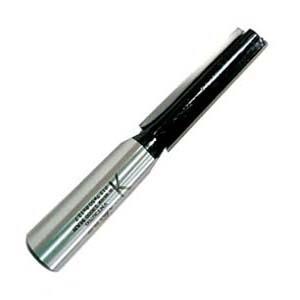
Straight 2 Flute Cutters
-
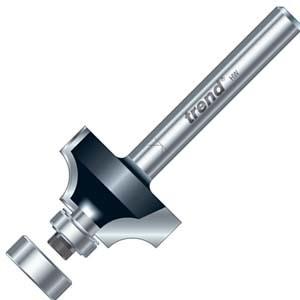
Ovolo & Handrail Cutters
-
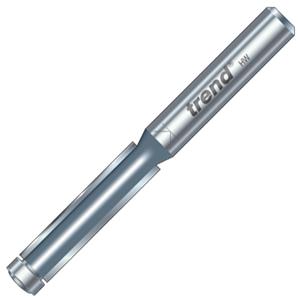
Guided Trimmers
-
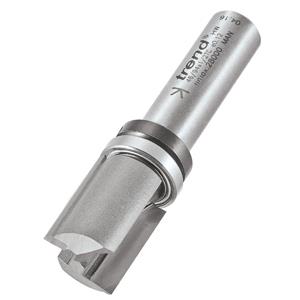
Guided Profilers
-
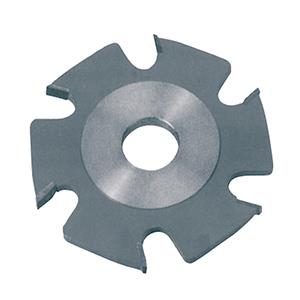
Biscuit Jointer Cutters
-
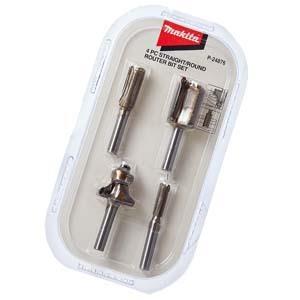
Router Cutter Sets
-
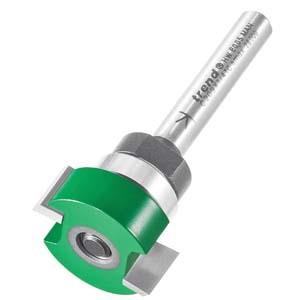
Intumescent Cutters
-
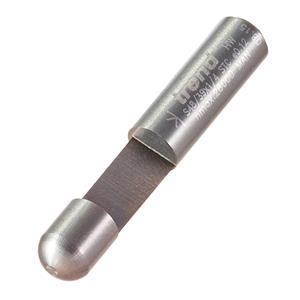
Economy Trimmers
-
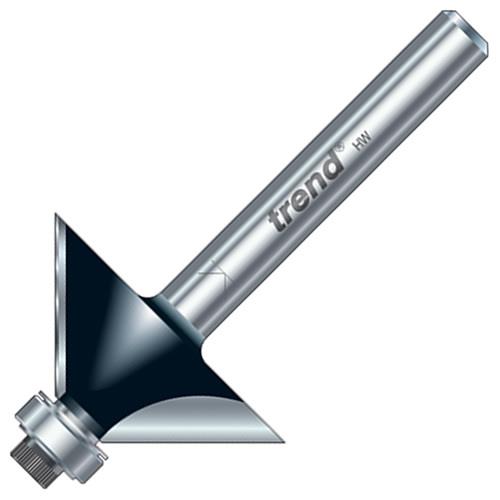
Chamfer Guided Cutters
-
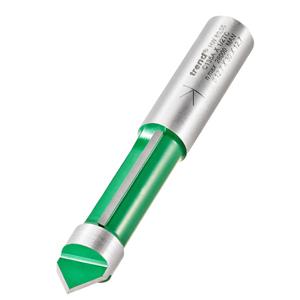
Guided Pierce & Trim Cutters
-
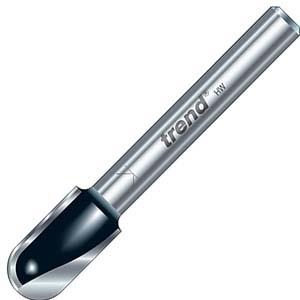
Radius Cutters
-
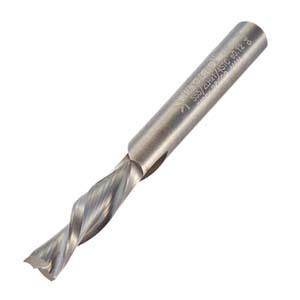
Spiral Down Cutters
-
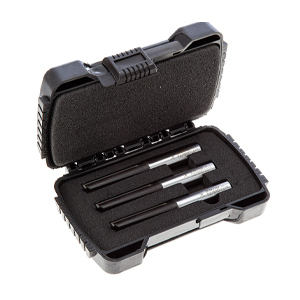
Kitchen Fitter Packs
-
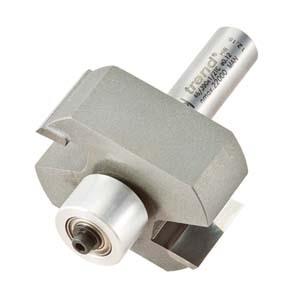
Rebaters
-
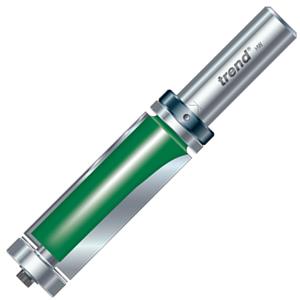
Guided Double Trimmers
-

Chamfer V Groove Cutters
-
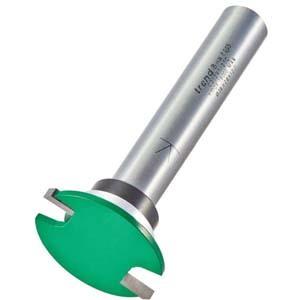
Weatherseal Cutters
-
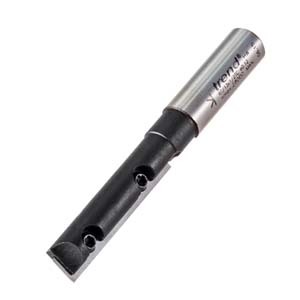
Rota Tip Cutters
-
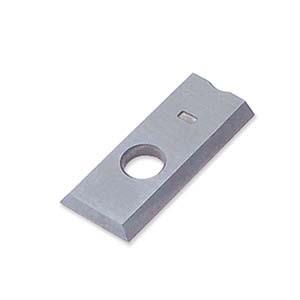
Rota-Tip Blades



