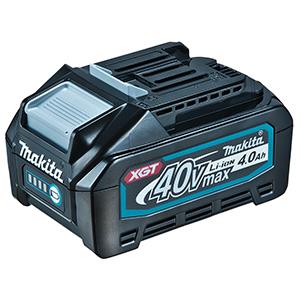
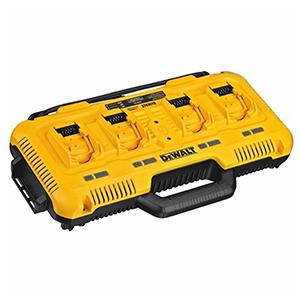
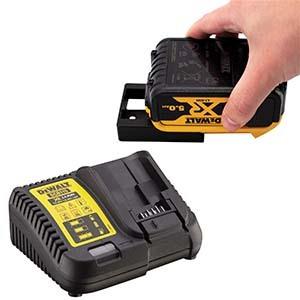
Batteries, Chargers and Mounts
Batteries chargers and mounts keep cordless kit running, charged and organised, so you are not losing time hunting packs, waiting on charge, or wrecking van storage.
If your drill packs are flat by dinner or your van shelves are a mess of loose gear, this is the kit that sorts it. Good batteries chargers and mounts matter on real site work because the right packs hold charge, the right chargers turn jobs round faster, and proper mounts stop batteries and tools getting battered in transit. Whether you are topping up Power Tool Accessories for first fix, fit-out or snagging, pick the voltage, platform and charge speed to match the tools you actually use, then get your setup squared away.
What Are Batteries Chargers and Mounts Used For?
- Keeping cordless drills, impact drivers, saws and radios running through full shifts, especially on first fix and fit-out jobs where dead batteries waste proper working time.
- Charging spare packs between tasks in the van, workshop or site cabin so you always have another battery ready when one drops off under load.
- Organising tools and packs on shelving, in workshops and inside vans with mounts that stop expensive kit sliding about, getting damaged or buried under fixings and offcuts.
- Matching the right cordless tool batteries and chargers to one battery platform so you are not carrying mixed systems that slow the job and clutter the van.
- Backing up busy site teams with extra power tool chargers and spare packs when several lads are all working off the same cordless range at once.
Choosing the Right Batteries Chargers and Mounts
Here is the deal. Match the battery platform to the tools you already own, then buy enough runtime and charging speed to get through the shift without juggling dead packs.
1. Start with the Platform
If your tools already run on one cordless range, stay on it. Do not buy random packs because they are cheap if they do not fit your gear. A battery only earns its keep if it clicks straight into the tools you use every day.
2. Pick Capacity by Workload
If you are running impact drivers, lights or radios, smaller Ah packs can be fine and keep weight down. If you are on grinders, SDS drills, circular saws or recip saws, go bigger or you will spend half the day swapping batteries.
3. Do Not Ignore Charge Speed
If you only have one or two batteries, a faster charger makes a real difference. For bigger crews with several packs in rotation, multi bay or sequential charging setups are worth having so all the packs are not fighting for one socket in the cabin.
4. Mounts Need to Match the Space
If the kit lives in a van, choose tool storage mounts that hold firmly and keep packs from rattling loose on rough roads. If it is for the workshop, think about easy access and a layout that stops chargers, batteries and tools ending up in one tangled heap.
Who Uses These on Site?
- Sparkies rely on them for keeping combi drills, SDS drills and lights going during long first fix days, and most keep spare packs on charge in the van so they are not waiting around between rooms.
- Chippies use cordless tool batteries and chargers hard on saws, nailers and multi tools, especially on second fix where a flat pack halfway through fitting throws the whole day off.
- Kitchen fitters and joiners swear by mounts in the van or workshop because they keep batteries and bare tools where you can grab them fast instead of digging through stacked cases.
- Maintenance teams and site managers keep extra chargers and platform batteries ready for shared kit, particularly when several trades are borrowing lights, vacs or drills across the same site.
- Groundworkers and roofers use higher capacity packs for outdoor jobs where there is no easy power nearby and stopping to recharge is not an option.
The Basics: Understanding Batteries Chargers and Mounts
This category is simple once you split it into three parts. Batteries provide the runtime, chargers get packs turned round, and mounts keep everything stored properly so you can actually find it when the job starts.
1. Battery Capacity and Runtime
Battery capacity is usually shown in Ah. Higher Ah generally means longer runtime, which matters when you are drilling, cutting or grinding all day. The trade-off is extra size and weight, so there is no point hanging a huge pack on a light trimming job if a smaller one will do.
2. Standard Chargers vs Fast Chargers
A standard charger is fine if you have plenty of spare batteries in rotation. A fast charger is the better shout if you work off fewer packs and need one back in service quickly to keep the day moving.
3. Mounts Are About Protection and Access
Battery and tool mounts are not just for tidiness. They stop packs and bare tools bouncing round the van, protect contacts and casings from knocks, and make it easier to grab the right kit without emptying half a shelf onto the floor.
Battery Accessories That Keep Cordless Kit Moving
A few smart add-ons save wasted time, flat packs and a van full of loose gear.
1. Spare Batteries
A spare pack is the obvious one, but lads still get caught out with only one battery on a full day job. Keep extra Batteries in rotation so you are not stood waiting for charge while everyone else carries on.
2. Dedicated Chargers
One charger between several packs soon becomes a bottleneck. Extra Chargers mean you can keep site batteries cycling properly, especially if the whole crew is on the same cordless platform.
3. Battery and Tool Mounts
Loose packs rolling round the van get damaged, dirty and hard to find. Proper Battery and Tool Mounts keep everything fixed in place and stop your shelves turning into a scrap pile.
Choose the Right Batteries Chargers and Mounts for the Job
Use this quick guide to sort runtime, charging and storage without overbuying.
| Your Job | Category or Type | Key Features |
|---|---|---|
| Light snagging, driving screws and punch list work | Compact cordless tool batteries | Lower weight, easier handling, enough runtime for drills and impact drivers |
| Cutting, grinding and drilling concrete all day | High capacity batteries | More Ah, longer runtime, better suited to high drain power tools |
| Small kit setup with only a couple of packs | Fast charger | Shorter turnaround, less waiting, better for solo trades and service work |
| Busy site crew sharing one platform | Multiple chargers or multi pack charging setup | More packs charging at once, less downtime, easier battery rotation |
| Van fit-outs and workshop organisation | Tool storage mounts | Secure fixing, quick access, stops batteries and bare tools sliding about |
Common Buying and Usage Mistakes
- Buying the wrong battery platform is the big one. If it does not match your existing tools, it is dead money, so always check the exact cordless range before ordering.
- Choosing battery size on price alone usually backfires. Small packs are fine for lighter jobs, but on grinders and saws they drain fast and leave you swapping batteries all day.
- Running too many tools from one charger slows everything down. If you have several packs in use, add more charging capacity or you create your own downtime.
- Throwing loose batteries into the van shortens their life. Contacts get dirty, casings get knocked about and you waste time hunting for the right pack, so use proper mounts or storage.
- Ignoring charge times and only looking at battery Ah causes problems on fast moving jobs. The better fix is balancing runtime with how quickly you can get packs back into service.
Compact Batteries vs High Capacity Batteries vs Tool Mounts
Compact Batteries
Best when you want less weight on drills, drivers and lights for smaller jobs or overhead work. They are easier on the wrist, but they are not the right choice for high drain tools running all shift.
High Capacity Batteries
The better option for saws, grinders, SDS drills and heavy daily use where runtime matters more than weight. They cost more and add bulk, but they save constant battery changes on harder graft.
Standard Chargers
Fine if you have enough spare packs and time to rotate them. They suit steady workshop or van charging, but they can be too slow for fast moving site work with only one or two batteries.
Tool Mounts
Not a power source, but still worth it if your van or bench is chaos. Mounts solve storage and protection, making batteries and bare tools easier to grab and less likely to get damaged between jobs.
Maintenance and Care
Keep Contacts Clean
Dust, plaster and metal filings around battery terminals cause poor connection and charging faults. Give contacts a quick check and wipe before packs go back on charge.
Do Not Cook Packs in the Van
Leaving batteries in extreme heat or freezing cold is a good way to shorten their life. Store them somewhere dry and out of direct sun where possible, especially over weekends.
Check Cables and Charger Housings
Chargers get dragged about site and into vans, so keep an eye on plugs, leads and cracked casings. If a charger is damaged, replace it before it lets you down or becomes unsafe.
Use Mounts Properly
If you are fitting mounts in a van or workshop, make sure they are fixed to something solid. A bad install defeats the point and can send batteries or tools onto the floor the first time you brake hard.
Replace Tired Packs Before They Waste Your Day
If a battery no longer holds enough charge for real work, stop dragging it round as a backup. One weak pack in the rotation causes more downtime than it is worth.
Why Shop for Batteries Chargers and Mounts at ITS?
Whether you need spare packs, fast chargers, or storage mounts to sort the van out, we stock the full range of batteries chargers and mounts for site work. You will also find matching Power Tools and the cordless tool batteries and chargers to keep them going, all held in our own warehouse and ready for next day delivery.
Batteries Chargers and Mounts FAQs
What are batteries chargers and mounts used for?
They keep cordless kit powered, charging and stored properly. Batteries run the tools, chargers get packs turned round between jobs, and mounts keep everything secure in the van, workshop or site cabin so you are not wasting time hunting loose gear.
How do I choose the right batteries chargers and mounts?
Start with the tools you already own. Match the battery platform first, then choose battery capacity based on workload, charger speed based on how many packs you rotate, and mounts based on whether the kit lives in a van, workshop or fixed site setup.
How do I check compatibility for batteries chargers and mounts?
Check the battery voltage, platform and product description against your existing cordless range. Do not assume one brand battery fits every tool from that brand either. Different ranges can use different slide packs, charge systems and mounting points.
Are batteries chargers and mounts suitable for professional cordless tools?
Yes, provided you buy the right platform and spec for the job. Tradesmen use these every day for drills, saws, grinders, lights and vacs. The key is choosing packs with enough runtime and chargers that can keep up with site use.
Can I buy batteries chargers and mounts online from ITS?
Yes. You can buy batteries chargers and mounts online from ITS with the key specs clearly listed, so it is easier to match your battery platform before checkout. Stock is held in our own warehouse for quick dispatch and next day delivery.
Are mounts actually worth it, or are they just for tidy vans?
They are worth it if you are fed up with damaged packs and wasted time. A proper mount stops batteries and bare tools bouncing around, protects them from knocks, and means you can grab the right bit of kit straight away instead of digging through shelves.