




Drill Bits
Drill bits are the first thing to get right if you want clean holes, less slipping, and fewer burnt-out tools on timber, metal, brick and block.
Whether you're first fixing, fitting kitchens, running cables or anchoring into masonry, the right drill bits save time and stop needless grief. Tradesmen usually keep a mix on the van because one pattern never covers every job. Start with proper Power Tool Accessories, then match point, shank and material to what you're drilling before you buy drill bits.
What Are Drill Bits Used For?
- Drilling clean fixing holes through timber stud, sheet material and joists is where standard wood and flat bits earn their keep on first fix and general fit-out work.
- Opening out steel trunking, conduit boxes, brackets and thin section metal is why many sparkies and maintenance teams keep proper metal cutting bits close to hand.
- Punching through brick, block and mortar for plugs, frame fixings and anchor points is everyday work for masonry drill bits on site and in refurbs.
- Cutting larger diameter openings for pipework, cable runs and vents is where holesaws and specialist drill accessories save you hacking at finished surfaces.
- Using drilling bits for cordless drills on snagging, second fix and service work keeps the job moving without dragging out heavier kit for every hole.
Choosing the Right Drill Bits
Sorting the right drill bits is simple. Match the bit to the material first, then the drill, not the other way round.
1. Match the Material
If you are drilling timber, use wood bits that clear chips properly and leave a cleaner hole. If you are going into metal, use proper HSS Drill Bits. If the job is brick or block, go straight to Masonry Drill Bits and do not waste time blunting a metal bit.
2. Check the Shank and Tool Type
If you are using a standard chuck on a combi or cordless drill, most straight shank bits are fine. If the job needs an SDS drill, look at SDS Bits and Attachments because the fitting and hammer action are built for tougher drilling.
3. Buy for the Hole Size You Actually Need
Do not buy a mixed set and hope it covers everything. If you are mainly fixing battens, boxes or clips, make sure your common plug and clearance sizes are doubled up. For larger openings in doors, sheet or panels, go to Holesaws & Accessories instead of trying to force a standard bit to do the wrong job.
4. Think About Volume of Work
If it is one-off DIY use, a basic set may do. If you are drilling all week on site, buy drill bits meant for tradesmen with better edge retention, cleaner starts and less wandering, otherwise you will be replacing them constantly.
Who Uses These Drill Bits?
- Sparkies use drill bits for chasing fixings into masonry, drilling metal back boxes and opening timber routes for cable runs during first and second fix.
- Joiners and kitchen fitters rely on sharp wood and multi material bits for neat pilot holes, hinge work and clean fixing points that do not splinter finished boards.
- Plumbers keep a spread of drill accessories for pipe clips, bracket fixings and larger cut-outs where timber, tile, block and sheet all turn up in the same day.
- General builders and maintenance teams swear by professional drill bits because site work changes fast and the wrong bit wastes time, damages surfaces and cooks the drill.
- Groundworkers and installers often reach for heavier duty options when they need repeated holes into dense block, concrete edges or tough site materials that cheaper bits will not tolerate.
The Basics: Understanding Drill Bits
The main thing to understand is that drill bits are shaped for different materials and different drills. Get that right and the hole is quicker, cleaner and far easier on the tool.
1. Wood, Metal and Masonry Are Not the Same
Wood bits are made to pull through timber and clear waste fast. Metal bits are ground to cut without chipping the edge. Masonry bits are built to survive hammer drilling into brick and block. Use the wrong one and you will feel it straight away in heat, slow progress and ragged holes.
2. Straight Shank vs SDS
Straight shank bits suit standard drill chucks and are what most trades use for everyday drilling bits for cordless drills. SDS types lock into SDS machines so the bit can handle heavier hammer action without slipping in the chuck.
3. Point Shape Affects the Finish
A brad point starts neatly in timber, a split point helps stop skating on metal, and a carbide tip stands up to masonry. That point design is what decides whether the bit starts clean or wanders across the work before it bites.
Drill Accessories That Save Time on Site
A few sensible add-ons stop broken bits, messy holes and wasted walks back to the van.
1. Bit Cases and Organisers
Loose drill bits rolling round the van end up chipped, rusty or missing just when you need the one size for a fixing. A proper case keeps sizes together and stops you buying the same replacements twice.
2. Pilot Bits and Arbours
When you are using larger cutters, pilot bits and arbour setups stop the cut wandering all over the face before it bites. They are the difference between a clean opening and a job you have to patch.
3. Cutting Fluid
For repeated metal drilling, a bit of cutting fluid keeps heat down and helps the edge last longer. Skip it on thicker steel and you will blue the bit, dull it early and make the drill work harder than it needs to.
4. Depth Stops
If you are drilling repeated fixing holes, a depth stop saves punching too far through finished boards, trunking or hidden voids. It is a small extra that saves a lot of avoidable snagging.
Choose the Right Drill Bits for the Job
Use this quick guide to sort the right bit before you start drilling.
| Your Job | Bit Type | Key Features |
|---|---|---|
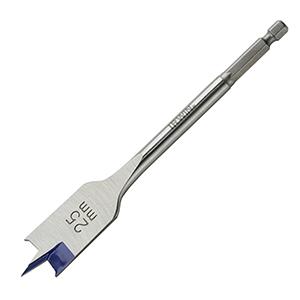
| Drilling timber stud, joists and sheet material | Wood bits or flat bits | Fast chip clearance, cleaner starts, less splintering in timber |
| Drilling metal brackets, trunking and steel sections | HSS drill bits | Ground cutting edge, better control on metal, suitable for repeated site use |
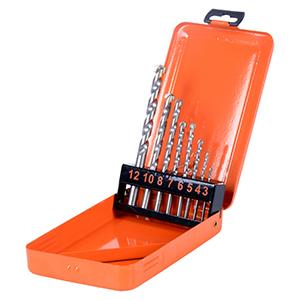
| Fixings into brick, block and mortar | Masonry drill bits | Carbide tip, built for hammer action, handles abrasive materials better |
| Larger openings for pipework, vents and cable access | Holesaws | Wide diameter cutting, neater openings, less damage than forcing oversize bits |
| Heavy drilling with an SDS machine | SDS drill bits | Secure SDS fitting, better energy transfer, suited to tougher masonry work |
Common Buying and Usage Mistakes
- Using one bit type for every material is the usual mistake. A wood or metal bit will not last long in brick, and a masonry bit will make a rough mess of timber and metal.
- Buying cheap mixed sets with loads of rarely used sizes sounds handy, but the common sizes wear out first and leave you short on the bits you actually need. Buy around your fixing sizes and daily work.
- Running blunt bits too long overheats the tip, slows the cut and strains the drill. If it starts squealing, burning or wandering, replace it before it damages the work.
- Ignoring chuck and shank compatibility wastes time and can be unsafe. Check whether your drill takes straight shank or SDS before ordering.
- Pushing too hard instead of letting the bit cut properly often snaps smaller sizes and leaves ragged holes. Use the right speed, steady pressure and the correct bit for the material.
Wood Bits vs HSS Bits vs Masonry Bits
Wood Bits
Best for timber, sheet materials and joinery work where you want a cleaner start and decent chip clearance. They are quick in wood but the wrong choice for metal or masonry.
HSS Bits
Best for metal, plastics and some general drilling where a sharp cutting edge matters. They are a solid van staple, but they will blunt fast if you try to hammer them through brick.
Masonry Bits
Built for brick, block, mortar and similar materials, especially in hammer mode. They are the right call for fixings and anchors, but they are not the bit for neat finish work in timber or steel.
Which Should You Buy
If your work changes day to day, keep all three types in the van and buy spare common sizes. Most trade drilling problems come from trying to make the wrong bit do a job it was never made for.
Maintenance and Care
Clean Them After Use
Wipe off brick dust, resin, swarf and moisture before the bits go back in the case. Leaving them dirty shortens edge life and encourages rust, especially after damp site work.
Store by Size and Type
Keep wood, metal and masonry bits separated and put common sizes back where they belong. It saves time on the job and stops fine tips being knocked about loose in the bottom of the box.
Watch for Heat Damage
If metal bits show blueing or stop cutting cleanly, they have been overheated and are usually past their best for proper site work. Replace them rather than fighting through every hole.
Replace Cracked or Chipped Bits
A chipped carbide tip or bent shank will only get worse under load and can damage the work or the chuck. Once a bit is worn out, bin it and move on.
Use the Right Speed
A lot of bit wear comes from running too fast or too hard for the material. Slower speeds on metal and steady feed pressure usually get better life and a cleaner result.
Why Shop for Drill Bits at ITS?
Whether you need single replacements, trade packs or full sets for wood, metal and masonry, we stock the lot. Our range covers drill bits for site work, cordless drilling and heavier duty trade jobs, all in our own warehouse and ready for next day delivery across the UK.
Drill Bits FAQs
What are drill bits used for?
Drill bits are used to make holes in specific materials such as wood, metal, brick, block and sheet materials. The key is using the right bit for the job, because that is what gives you a clean hole, decent speed and less strain on the drill.
How do I choose the right drill bits?
Start with the material you are drilling, then check the bit type, diameter and shank to suit your drill. Wood, metal and masonry all need different cutting edges, and getting that wrong is where most wasted time and snapped bits come from.
Which drill bits are best for trade drilling?
For trade drilling, go for bits that match the work you do most and can stand up to repeated site use. Good edge retention, accurate starting and shanks that grip properly matter far more than buying the biggest set on the shelf.
Can drill bits be used with cordless drills?
Yes, plenty of drill bits are made for cordless drills, especially straight shank bits used in standard chucks. Just make sure the bit suits the tool and material, because a cordless drill is fine for many jobs but not every heavy masonry hole.
Can I buy drill bits online from ITS?
Yes, you can buy drill bits online from ITS across a wide range of sizes and types for site work. We stock the range in our own warehouse, so if the job is waiting, you can get what you need on next day delivery.
Do I really need separate bits for wood, metal and masonry?
Yes. You can sometimes get away with a multi material bit for light mixed work, but on proper site use separate bits are still the better option. They cut faster, last longer and leave a cleaner finish in the material they are meant for.
-
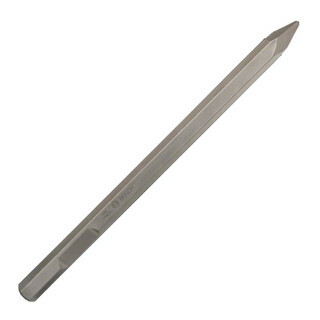
Breaker & Demolition Bits
-
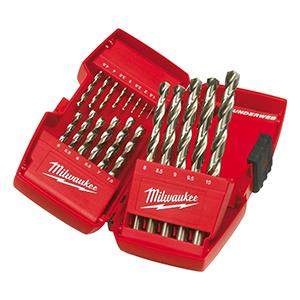
HSS Drill Bits
-
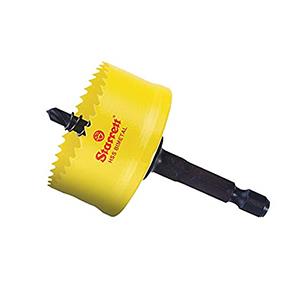
Holesaws & Accessories
-
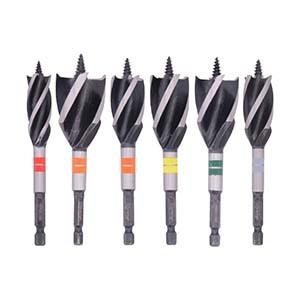
Auger Drill Bits
-
Tile, Glass & Diamond Drill Bits
-
Flat Drill Bits
-

Diamond Core Drill Bits & Accessories
-
Masonry Drill Bits
-
Multi-Construction Drill Bits
-

Brad Point & Forstner Bits
-
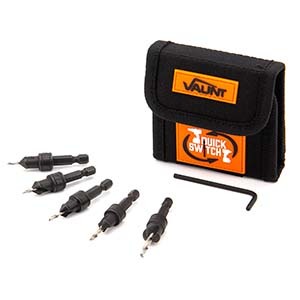
Countersinks, Counterbores & Plug Cutters
-
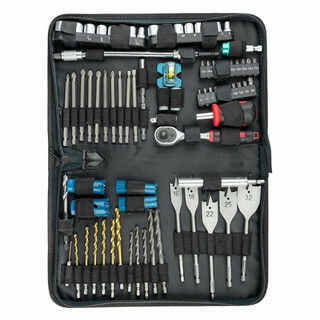
Drill & Screwdriver Bit Sets
-
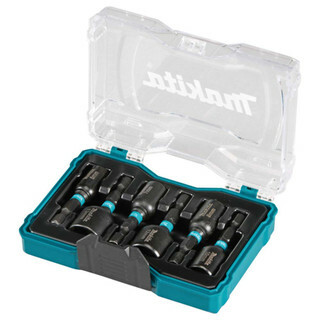
Nut Setters & Adaptors
-

Wire Brushes
-
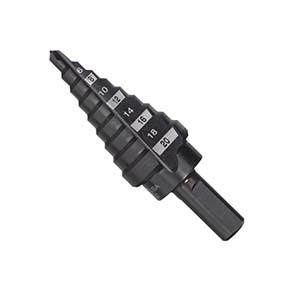
Cone & Step Drill Bits
-
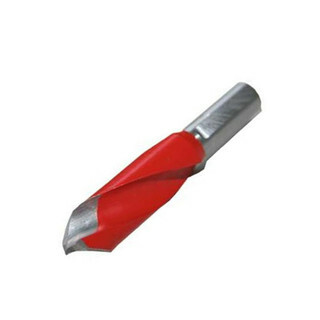
Dowel Drill Bits
-
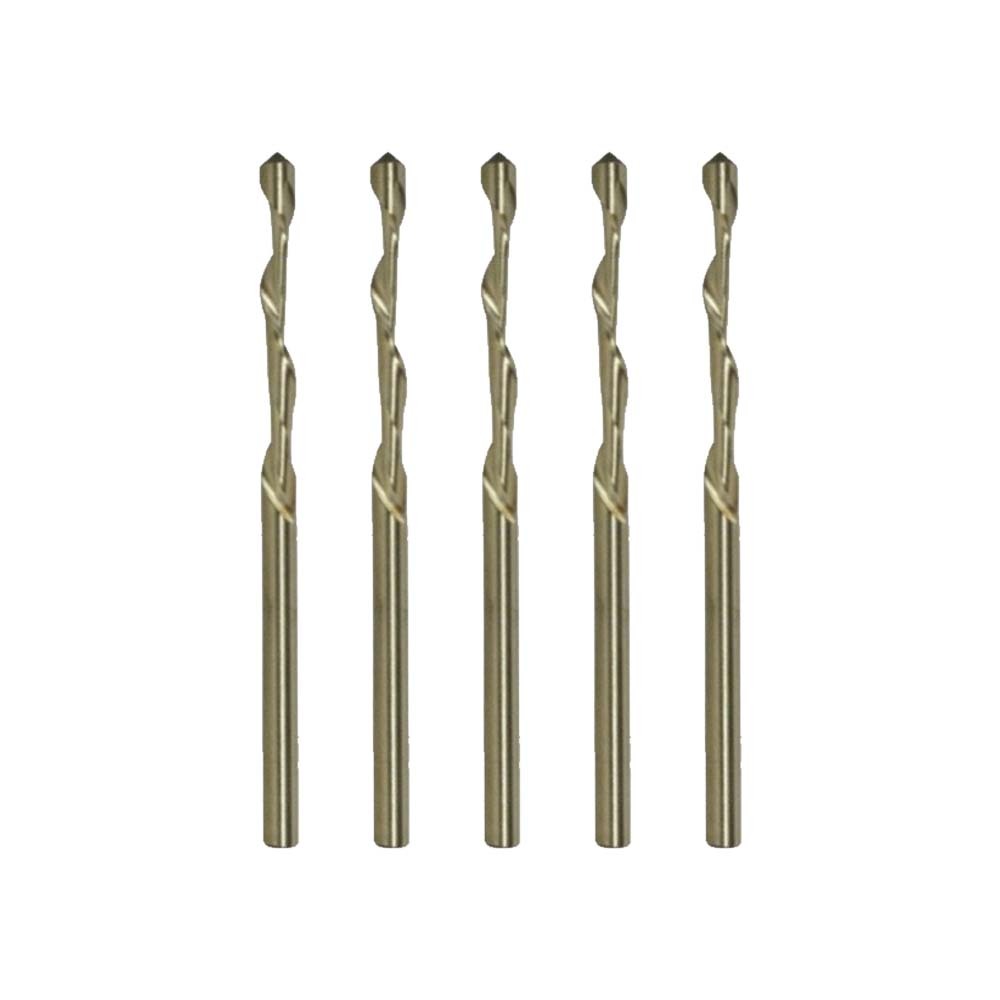
Guide Drill Bits



