


Workwear
Workwear keeps you covered when the job is filthy, wet, cold or rough on kit, with site-ready clothing built for trade use, movement and daily abuse.
If you're sick of trousers blowing out at the knee or hoodies that soak through before tea break, this is the workwear worth looking at. Proper trade workwear and safety workwear is built for site lads, van-based fitters, yard teams and anyone doing long shifts outside or in unfinished buildings. You'll find construction work clothes for wet groundwork, dusty first fix, snagging, loading out and winter starts, plus layers that wash up well and still hold their shape. Start with the jobs you actually do, then pick the site clothes that earn their keep.
What Is Workwear Used For?
- Working through first fix in cold plots, workwear gives you tough outer layers, stretch where you move most, and pockets that actually hold the bits you keep reaching for.
- Loading blocks, timber, boards and tools in the yard, safety workwear takes the abrasion that ruins cheap clothing and keeps you covered when the weather turns halfway through the shift.
- Snagging, second fix and client-facing jobs, cleaner construction workwear helps you look presentable without wearing lightweight gear that tears the first time it catches on stud or brick.
- Pouring concrete, landscaping and outside maintenance, builders workwear adds weather protection and knee support for jobs where you're kneeling, lifting and getting soaked for hours.
- Moving between site rules and task changes, workwear and ppe work together so you can layer up properly, stay visible where needed, and avoid changing kit every five minutes.
Choosing the Right Workwear
Match your workwear to the season, the trade and how rough you are on it. Do not buy light gear for heavy site use and expect it to last.
1. Trousers for Graft vs Trousers for Finish Work
If you are on brick, groundworks or heavy first fix, go for reinforced knees, stronger fabric and proper work pockets. If you are fitting kitchens, doing maintenance or snagging, lighter stretch trousers are usually the better shout because they move easier and feel less bulky indoors.
2. Layer for the Weather, Not the Forecast
If you start early or work outside, build from base layer to hoodie to waterproof rather than relying on one thick jacket. That way you can strip back once the job gets moving instead of sweating through your kit by mid-morning.
3. Pick Knee Pad and Pocket Layout Carefully
If you are up and down all day, kneepad-ready trousers are worth it, but only if the pads sit right and stay put. And if your trade lives off hand tools, blades, markers and screws, make sure the pocket layout suits your actual carry, not just how the trousers look online.
4. Think About Site Rules Before You Buy
If you are on highways, civils or busy delivery areas, you may need hi vis and specific safety clothing from the start. For workshop, van or indoor fit-out work, you can focus more on comfort, durability and layering without buying extra kit you will never wear.
Who Uses These on Site?
- Chippies rely on good workwear for first fix, roofing cuts and snagging, because they need trousers that move easily, hold pencils and fixings, and do not rip the first week.
- Sparkies and plumbers wear trade workwear that layers well under jackets and over thermals, especially when they are in and out of lofts, risers, plots and plant rooms all day.
- Brickies, groundworkers and landscapers swear by tougher construction clothing because they are constantly kneeling, lifting and working in wet muck that wrecks lightweight gear fast.
- Decorators, kitchen fitters and maintenance teams use cleaner-looking tradesman workwear for jobs where they still need hard-wearing kit but cannot turn up looking like they have just come off a drainage trench.
- Site managers, labourers and delivery teams keep dependable site clothes on hand for early starts, yard checks, unloading and walking active builds in all weathers.
Workwear Extras That Stop Little Problems Becoming Big Ones
A few sensible add-ons make your workwear last longer and keep you comfortable when the job turns awkward.
1. Knee Pads
If your trousers take inserts, get the pads at the same time. You will notice it the first day you are fitting skirting, laying floors or working low at sockets instead of grinding your knees into concrete.
2. Belts and Braces
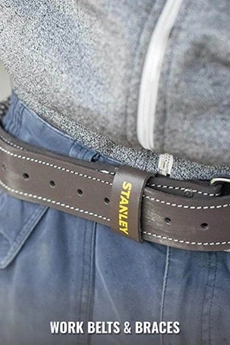
Sounds basic, but badly fitting trousers are a pain when you are climbing ladders or carrying fixings. A decent belt or braces setup stops sagging pockets and keeps the weight where it should be.
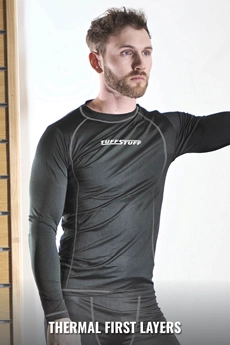
3. Thermal Base Layers
Do not wait for winter to remember these. A proper base layer keeps the cold off on early starts and means you can wear a lighter outer layer without moving like you are wrapped in a duvet.
4. Waterproof Overtrousers
Keep a pair in the van for the jobs you cannot put off till it is dry. They save your main work trousers from getting soaked through and stop the rest of the shift turning miserable.
Choose the Right Workwear for the Job
Use this quick guide to sort the right kit for the way you actually work.
| Your Job | Workwear Type | Key Features |
|---|---|---|
| Heavy first fix, groundwork and brickwork | Reinforced work trousers and hard-wearing hoodies | Strong fabric, kneepad pockets, deep tool storage, abrasion resistance |
| Snagging, fitting and indoor finishing | Stretch trousers, polos and lightweight layers | Better movement, lower bulk, cleaner look, easy all-day wear |
| Wet weather and exposed site work | Waterproof jackets and overtrousers | Weather protection, sealed outer layer, room for layering underneath |
| Cold early starts and winter site shifts | Thermal base layers, fleeces and insulated jackets | Warmth without too much bulk, layer control, better comfort on long shifts |
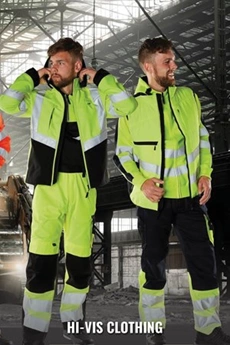
| High traffic or regulated sites | Hi vis workwear and safety clothing | Visibility compliance, site-ready colours, easier spotting around plant and deliveries |
Common Buying and Usage Mistakes
- Buying for price alone instead of the job usually means thin fabric, weak seams and pockets that fail early. Spend to suit the workload and you replace kit less often.
- Picking the wrong fit causes more grief than most expect. If trousers are too tight, they pull at the crotch and knees. Too loose, and you are forever hitching them up or catching on site materials.
- Relying on one thick jacket for winter work is a bad move because you end up sweating once the pace picks up. Layering is the fix and gives you far better control through the day.
- Ignoring site-specific safety wear can leave you short on day one. Check if you need hi vis, waterproof protection or tougher knee support before the job starts.
- Washing workwear too hot or drying it too aggressively can shrink it, wreck stretch panels and shorten its life. Follow the care label and let the kit last its full run.
Work Trousers vs Hoodies vs Waterproofs
Work Trousers
This is the bit of kit most trades wear hardest. Best for daily site use, kneeling, carrying tools and moving around active builds. Get reinforced pairs for rough work, or stretch pairs for fitting and finishing.
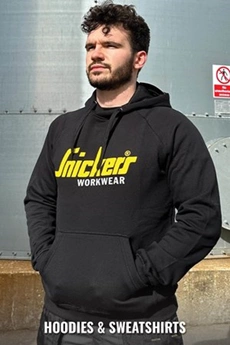
Hoodies and Mid Layers
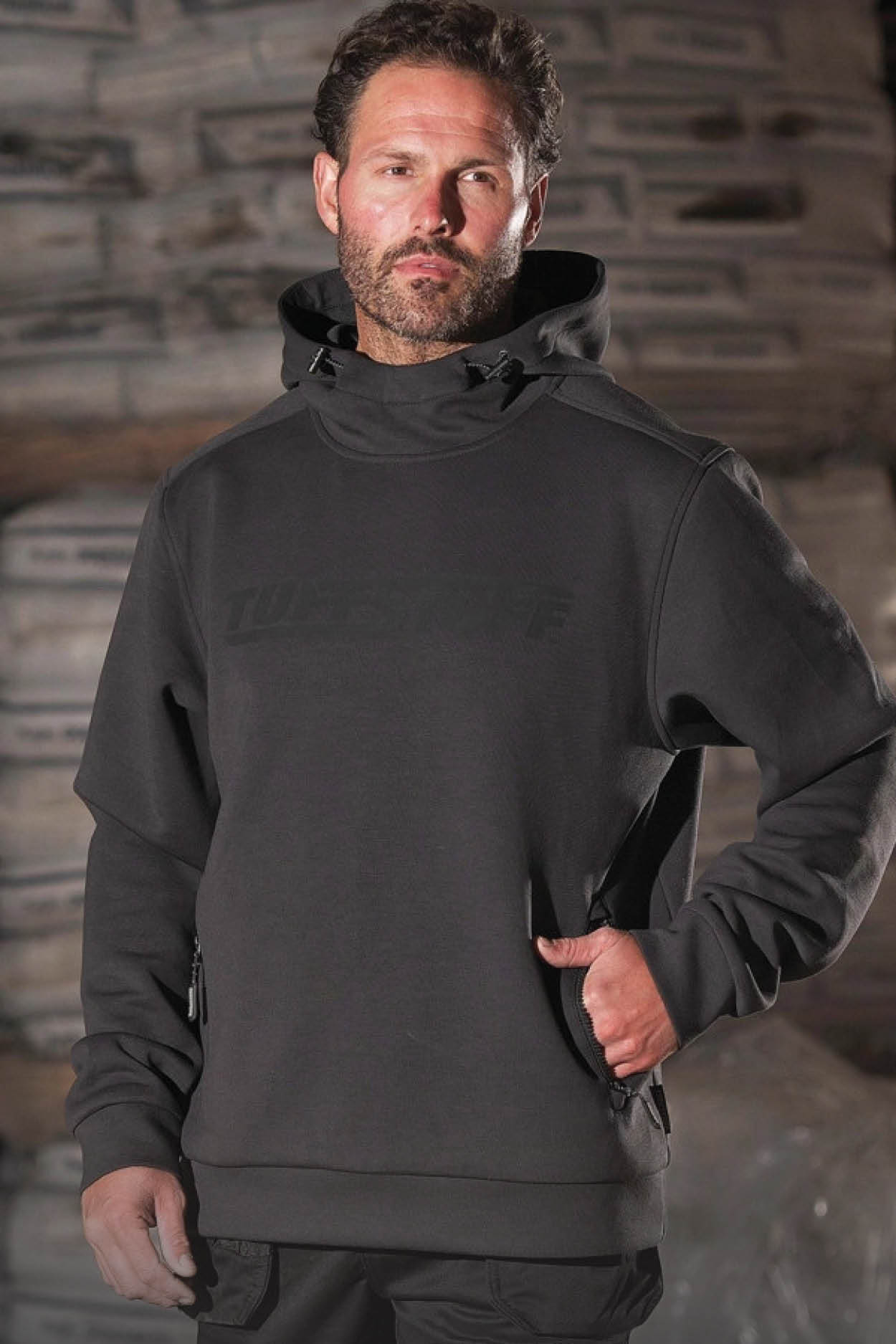
Best when you need warmth without a full coat and still want decent movement. Good for van work, internal jobs and cold starts, but they are not the answer for sustained rain or filthy groundworks.
Waterproof Jackets and Overtrousers
These earn their keep on exposed jobs, handovers and outside work you cannot delay. Better for keeping dry than everyday comfort, so most lads keep them as an outer layer rather than wearing them all shift.
Base Layers and Thermals
Not much use on their own, but they make a big difference in winter by keeping heat in without adding loads of bulk. Ideal if you are outside at dawn or working in half-finished buildings with no heating.
Maintenance and Care
Brush Off the Worst Before Washing
Shake out dust, empty pockets and knock off dried mud before it goes in the machine. It keeps zips, seams and the washing machine itself from taking a beating.
Wash to the Label, Not by Guesswork
Hot washes and hard drying can ruin stretch panels, waterproof finishes and printed logos. Stick to the care guide if you want the fit and fabric to stay right.
Check Knees, Cuffs and Pocket Edges
These are the first areas to go on site clothing. Spot wear early and you can keep a pair for lighter jobs instead of finding a split halfway through the day.
Dry Waterproofs Properly
Hang wet jackets and overtrousers up as soon as you can. Leaving them screwed up in the van leaves them smelling rough and shortens the life of the outer coating.
Retire Worn Safety Clothing in Time
If hi vis fades badly, seams let go or waterproofs start wetting out, stop kidding yourself and replace them. Once safety wear stops doing its job, it is done.
Why Shop for Workwear at ITS?
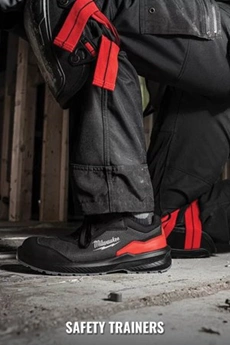
Whether you need everyday builder clothes, winter layers, site-ready safety clothing or full trade workwear for the team, we stock the lot in one place. You can shop Work Clothes, add Safety Boots & Trainers, sort your PPE, pick compliant Hi Vis Workwear and grab value from Workwear Hot Deals. It is all stocked in our own warehouse and ready for next day delivery, so you are not hanging about waiting for kit you need on site.
Workwear FAQs
What workwear brands do you stock?
We stock a wide range of trade-focused workwear brands covering trousers, jackets, hoodies, thermals, hi vis and everyday site clothing. That includes well-known names used across UK sites, with options for hard graft, cold weather, cleaner finishing work and general daily wear.
Do you offer free delivery on workwear?
Delivery options can vary depending on the order, but the key point is this. We hold a large amount of workwear in our own warehouse, so it is in stock and ready for fast dispatch, including next day delivery on qualifying orders.
Can I return workwear if the size doesn't fit?
Yes, if the sizing is wrong you can return suitable items in line with the returns policy. Best advice is to try kit on indoors, keep it clean and unworn, and check the size guide before you order if you are between sizes.
Do you stock workwear in plus sizes?
Yes, many workwear lines come in a broad size run, including plus sizes on selected products. Availability depends on the brand and garment type, but there is proper choice for bigger builds rather than just one token size at the top end.
Is this workwear actually tough enough for daily site use?
Yes, if you buy the right type for the trade. Reinforced trousers, heavier fabrics and decent stitching hold up well on proper site work. Just do not expect lightweight stretch kit meant for fitting and finishing to survive heavy groundwork abuse.
What should I buy first if I am sorting a full workwear setup?
Start with trousers, layers and weather protection. Get one solid pair of work trousers, a couple of tops, a warm mid layer and a waterproof outer. Then add boots, hi vis and task-specific safety wear to match the site rules and the season.
Explore Workwear ranges