Safety Boots
Work boots are what keep you moving when the ground is rough, wet, uneven or full of dropped fixings. Get the right pair and your feet last the shift.
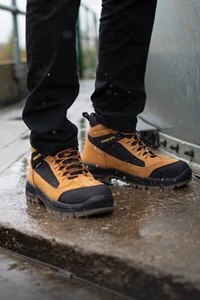
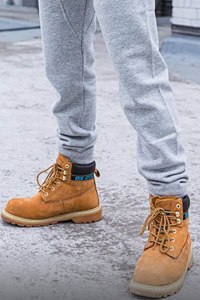
If you're on concrete all day, in and out of plots, or climbing in and out of the van, decent work boots matter more than lads admit. This range covers site work boots, steel cap boots, lightweight safety boots and dealer boots that earn their keep. If you need more options across Safety Boots & Trainers, tougher Steel Toe Cap Work Boots, easy-on Dealer Boots, wet-weather Waterproof Safety Boots or spare kit from Footwear Accessories, sort it now and save your feet later.
What Are Work Boots Used For?
- Walking rough ground, scaffold decks, oversites and half-finished plots is where proper work boots earn their money, giving you grip, toe protection and support when the site is uneven and full of hazards.
- Working long shifts on concrete in warehouses, fit-out jobs and new builds is easier in comfortable safety boots with decent cushioning, because tired feet soon turn into sore knees and a bad back.
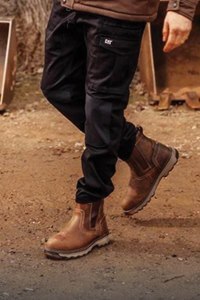
- Climbing in and out of vans, plant and cabins suits slip on work boots and dealer boots, especially for trades who want quick on and off without messing about with laces every stop.
- Handling steels, blocks, timber packs and heavy kit calls for steel toe work boots or composite toe boots that stop a dropped load turning into a trip to A and E.
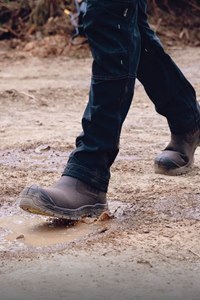
- Working through rain, mud and standing water on groundworks, roofing and external jobs needs waterproof steel toe boots that keep feet dry without turning the boot into a sweat box.
Choosing the Right Work Boots
Match the boot to the ground, the weather and how many hours you are actually in them. That is what matters.
1. Steel Toe or Composite Toe
If you are on heavy site work around blocks, steels and plant, steel cap boots still make sense for outright protection and hard wear. If you are walking miles through fit-out, maintenance or warehouse work, composite toe boots are lighter and less tiring by the end of the shift.
2. Lace Up or Dealer Boots
If you need a tighter fit and better ankle hold, go lace up. If your day is constant on and off, van to plot to office, dealer boots and pull on boots save time and are less of a faff, but only buy a pair that holds the heel properly.
3. Waterproof or Breathable
If you are outside in mud, wet grass, fresh concrete or winter weather, waterproof safety boots are worth the extra spend. If you are mainly indoors or in hot conditions, breathable work boots are usually the better call because sweaty feet all day is no joke either.
4. Weight and Cushioning
Do not just buy the toughest looking pair. If you are walking all day, lightweight safety boots with decent underfoot support will do more for you than an overbuilt boot that feels like a lump after lunch. For concrete floors, cushioning matters as much as the toe cap.
Who Uses These Work Boots?
- Groundworkers and brickies rely on working boots for grip in mud, support on uneven ground and enough toe protection when blocks, kerbs and tools are constantly underfoot.
- Sparkies, plumbers and snagging teams often go for lightweight safety boots or safety shoes for men because they are covering plots all day and want less weight dragging on their feet.
- Chippies and fitters like dealer boots and slip on safety boots for quick changes between inside finishing jobs and outside site work, especially when they are in and out of customers' properties.
- Roofers, landscapers and external maintenance teams need waterproof safety boots with solid ankle hold, because wet ground and awkward footing soon show up bad footwear.
- Warehouse staff, yard teams and delivery drivers use site work boots for repeated lifting and walking on hard surfaces, usually keeping a lighter pair for long shifts and a tougher pair for heavier jobs.
Work Boot Extras That Save Hassle on Site
A few simple add-ons keep boots comfortable for longer and stop small problems turning into a miserable shift.
1. Insoles
If the boot fits but the floor is killing you, a decent insole can sort it. They help with arch support, heel strike and long days on concrete, especially if your boots are sound but the factory footbed is thin.
2. Spare Laces
Laces always seem to go when the boots are still fine. Keep a spare pair in the van and you will not be trying to limp through a shift with a loose boot or bodging it with cable ties.
3. Boot Socks
Good work socks are not a luxury. They help manage sweat, cut rubbing and make stiff boots easier to live with, especially during the first week when you are wearing them in.
4. Waterproofing and Leather Care
Mud, rain and site dust dry leather out fast. A bit of boot treatment keeps the upper from cracking, helps the waterproofing last and gives you a better chance of getting another season out of them.
Choose the Right Work Boots for the Job
Use this quick guide to narrow down the right pair.
| Your Job | Work Boots or Type | Key Features |
|---|---|---|
| Heavy construction and groundworks | Steel toe lace up work boots | Toe protection, tough outsole, ankle support, hard wearing upper |
| Plot work and all day walking | Lightweight safety boots | Reduced weight, cushioned sole, breathable lining, less fatigue |
| Wet weather and external site work | Waterproof safety boots | Water resistant membrane, grippy sole, sealed upper, weather protection |
| Van based work and quick site visits | Dealer boots | Slip on design, easy on and off, decent grip, no laces to snag |
| Indoor fit out and lighter duties | Safety shoes for men | Lower cut fit, lighter feel, toe protection, comfort on hard floors |
Common Buying and Usage Mistakes
- Buying on looks instead of rating is a common one. If the work boots do not meet the safety standard for your site, they are no use to you however comfortable they feel.
- Choosing the wrong fit and hoping they will wear in usually ends badly. A boot that slips at the heel or crushes your toes will give you blisters, sore joints and a miserable week.
- Using lightweight safety boots for heavy groundworks shortens their life fast. Match the boot to the abuse or you will wreck the sole, split the upper and end up buying twice.
- Ignoring waterproofing on outdoor jobs means wet feet by first break. If you are regularly in mud and rain, pay for the membrane and proper upper rather than trying to dry them out every night.
- Never cleaning or drying boots properly ruins them early. Knock the muck off, dry them naturally and treat the leather, otherwise stitching, linings and soles all go before their time.
Steel Toe vs Composite Toe vs Dealer Boots
Steel Toe Work Boots
Best for harder site graft where dropped materials and rough treatment are part of the day. They are usually heavier than composite options, but for brick, steel and groundwork jobs they still make solid sense.
Composite Toe Boots
Better if you cover plenty of ground and want less weight on your feet. They suit fit-out, service work and long shifts well, though some trades still prefer steel when the job is especially rough.
Dealer Boots
Good for quick on and off and trades working between van, plot and office. They are handy and comfortable if the fit is right, but a lace up boot still gives better adjustment and ankle support for tougher underfoot conditions.
Maintenance and Care
Clean Off Mud and Dust
Do not leave site muck baked on. Brush boots down after work so the leather, stitching and sole are not constantly holding damp and grit.
Dry Them Properly
If they are soaked, dry them slowly at room temperature. Do not shove them against a heater, because that is the quickest way to dry leather out and crack the upper.
Treat Leather and Waterproof Uppers
A bit of conditioner or waterproof treatment helps keep leather work boots flexible and stops water getting in where the upper is taking the most abuse.
Check Soles and Toe Areas
Keep an eye on tread wear, split edges and damage round the toe. Once grip has gone or the upper starts opening up, the boot is on borrowed time.
Replace When Support Has Gone
Even if the boot still looks passable, bin it once the cushioning is dead or the heel is rolling over. Worn out work boots cause more aches than most lads realise.
Why Shop for Work Boots at ITS?
Whether you need mens work boots, dealer boots, steel cap boots, lightweight safety boots or waterproof pairs for rough site conditions, we stock the lot. ITS carries a proper range of sizes, fits and styles in our own warehouse, all ready for next day delivery when your old pair has finally given up.
Work Boots FAQs
What safety rating do work boots need to have?
For most UK site work, you want properly certified safety boots that meet the relevant EN ISO standard and match the risk on site. In plain terms, check for toe protection first, then look at extras like midsole protection, slip resistance and waterproofing depending on the job. For general construction, steel toe or composite toe site work boots with anti penetration soles are usually the safe starting point.
How do I choose the right size work boot?
Start with your normal size, but be honest about the socks you wear and how much room you need at the toe. You want enough space to move your toes without heel slip when walking. If you are between sizes, or you know you need wide fit safety boots, do not squeeze into a tight pair hoping they will soften up. A bad fit stays bad on a ten hour shift.
Are waterproof safety boots breathable?
Yes, the decent ones are, but there is always a trade off. Waterproof safety boots with a proper membrane will keep weather and puddles out while still letting some heat and moisture escape. They will not feel as airy as lightweight non waterproof boots, but for wet site work the dry feet are usually worth it.
How long do work boots typically last?
That depends on the job more than the label. On heavy construction or groundworks, a pair can get punished quickly and may only give you a season of hard use. On lighter fit-out or maintenance work, a good pair can last much longer. If the sole is worn flat, the upper is splitting or the support has gone, they are done even if they still look wearable.
Are dealer boots good enough for full time site work?
Yes, if they are proper safety rated dealer boots and the job suits them. They are a favourite for trades in and out of the van all day, but for rough ground, ladders and jobs where ankle support matters, many lads still prefer lace up work boots.
Do lightweight safety boots hold up, or do they wear out fast?
The good ones hold up fine if you buy them for the right work. They are spot on for fit-out, maintenance and trades walking plot to plot, but if you use them for constant groundwork, heavy concrete and mud, expect them to wear faster than a tougher boot.
Are steel cap boots better than composite work boots?
Not always better, just different. Steel cap boots are trusted for harder site abuse and often feel more robust. Composite work boots are lighter and easier on the feet over long days. Pick based on the job, not pub talk.
Can I wear safety shoes instead of work boots on site?
Sometimes, but only if the site rules allow it and the protection level is right. Safety shoes for men are fine for lighter indoor work, warehousing or fit-out, but for rougher outdoor jobs most trades are better off in proper work safety boots with more grip, support and coverage.