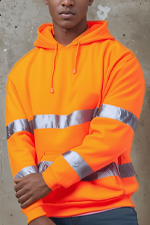
Work Hoodies, Work Fleeces & Sweatshirts
Fleece hoodies are the layer you grab when the site turns cold, damp, or draughty and a basic tee is nowhere near enough to keep you working properly.
For early starts, open plots and half-finished buildings, a proper fleece hoodie keeps the chill off without feeling bulky under a coat or harness. These are the work hoodies, work jumpers and work sweatshirts lads actually wear on site because they hold heat, move properly and stand up to repeated use. If you need a solid workwear hoodie for winter graft, start with the fit, fabric weight and whether you need a zip front or pullover.
What Are Fleece Hoodies Used For?
- Working through cold first-fix mornings, a fleece hoodie keeps your core warm when you are running cable, setting studwork or marking out before the heating is even on.
- Layering under waterproofs and hi vis, a work hoodie adds warmth without the stiff feel of a heavy coat, which matters when you are climbing ladders, lifting sheets or reaching into awkward voids.
- Loading vans and shifting materials in the yard, workwear hoodies take the edge off wind and light chill while giving you a hooded jumper that is easy to pull on and off through the day.
- Handling snagging, maintenance and call-out jobs, a work sweatshirt or zip up hoodie is handy when you are in and out of properties and need something warmer than a tee but less bulky than a jacket.
- Using them as part of a winter site kit, fleece hoodies work well with Thermal Clothing (First Layer) when the job will not wait for better weather.
Choosing the Right Fleece Hoodie
Match it to the weather, the layer stack and the sort of graft you actually do. A bulky hoodie that gets in the way is just as useless as a thin one that leaves you freezing.
1. Pullover or Zip Front
If you are outside all morning and want maximum warmth, a pullover fleece hoodie usually holds heat better. If you are in and out of vans, stores and heated buildings, a work zip up hoodie is easier to vent and quicker to get off when you warm up.
2. Lightweight Layer or Proper Winter Weight
If it is just for cool mornings or wearing under a shell, go lighter so it does not bunch up. If you are on exposed sites, night shifts or open builds, pick a heavier workwear fleece or hoodie fleece that will still do the job once the wind gets up.
3. Fit for Site Use
If you wear it over a tee only, a standard fit usually does the job. If it needs to go over thermals and under jackets, leave room for layering. Too tight and you lose movement. Too loose and the cuffs, hood and hem start catching on everything.
4. Hoodie, Jumper or Jacket Layer
If you want head coverage and a casual site layer, stick with Work Hoodies. If the site is stricter on appearance or you do not want the hood under other kit, look at Work Jumpers instead.
Who Uses These on Site?
- Sparkies wear a mens work hoodie for first fix and second fix in cold plots because it keeps them warm without bunching up under a vest or snagging when they are up steps and through loft hatches.
- Chippies and joiners live in work hoodies for men when they are cutting outside, hanging doors in unheated builds or running through snag lists where they need warmth and free movement all day.
- Brickies, groundworkers and labourers reach for heavy duty work hoodies on windy sites and winter mornings because a decent workwear fleece hoodie holds heat better than a thin sweatshirt once the temperature drops.
- Drivers, warehouse teams and maintenance fitters keep a work zip up hoodie handy for yard work, deliveries and quick call-outs when a full coat feels too much but a tee is not enough.
- Anyone bouncing between indoor and outdoor jobs often swaps between Work Fleeces and hooded styles depending on whether they need more neck coverage or a hood for draughty work areas.
The Basics: Understanding Fleece Hoodies
The main thing with a fleece hoodie is simple. It traps warmth close to your body while still letting you move and layer up properly. Here is what actually matters on site.
1. Fleece Holds Warm Air
The fleece fabric works by holding a layer of warm air around you, which is why a work fleece hoodie feels warmer than a standard cotton top in the same conditions. That matters on cold starts, exposed plots and unheated refurbs.
2. Hoodies Are Built for Layering
A good workwear hoodie sits between your base layer and your outer jacket. It gives you warmth without the weight of a full coat, so you can still bend, reach and carry materials without fighting your own kit.
3. Zip and Pullover Styles Work Differently
Zip front styles are better when your day keeps changing between warm and cold areas. Pullovers usually keep heat in better and feel simpler under outerwear. Pick the one that suits how often you are stopping, moving and changing environments.
Extra Layers That Make Fleece Hoodies Work Harder
Get the rest of your cold weather kit right and your hoodie becomes a proper working layer, not just something you throw on at break time.
1. Thermal Base Layers
A thermal first layer stops you relying on one thick top to do everything. You stay warmer for longer, especially on exposed jobs where a hoodie on its own is not enough once the wind cuts through.
2. Outer Jackets and Bodywarmers
Pulling a hoodie under Work Jackets, Work Coats & Bodywarmers gives you a proper site-ready layering system. It saves that stop-start faff where you are cold outside but roasting the second you get moving.
Choose the Right Fleece Hoodie for the Job
Use this quick guide to sort the right layer for your working day.
| Your Job | Fleece Hoodie Type | Key Features |
|---|---|---|
| Cold first fix in unheated plots | Pullover work fleece hoodie | Warmer front, simple fit, good for wearing under hi vis and jackets. |
| Van work, deliveries and call-outs | Zip up work hoodie | Easy on and off, quick venting, better for changing temperatures through the day. |
| Outdoor winter labour and site set-up | Heavyweight fleece hoodie | Thicker fabric, better heat retention, tougher feel for colder exposed jobs. |
| Layering under waterproofs | Midweight workwear fleece hoodie | Less bulk, easier movement, sits properly under coats without bunching. |
| General yard and everyday site wear | Standard work sweatshirt or hooded jumper | Simple all-round warmth, easy to wash, practical for daily use on and off site. |
Common Buying and Usage Mistakes
- Buying on looks instead of fabric weight is a common one. A black work hoodie might look fine online, but if it is too thin for open site work you will be layering badly by mid-morning.
- Going too tight to keep it neat usually backfires. Once you add thermals or wear it under a jacket, you lose movement through the shoulders and spend the day pulling sleeves and hems back into place.
- Using one hoodie for every season wastes money. A heavy winter hoodie is too much for spring and indoor work, while a lightweight work sweatshirt will not touch a freezing external job.
- Ignoring whether you need a zip front or pullover slows you down. If you are constantly in and out of heated spaces, a pullover can become a nuisance compared with a zip up style.
- Treating it like a coat is another mistake. A fleece hoodie is a mid layer first, so if the weather is properly wet or windy you still need an outer shell over the top.
Fleece Hoodie vs Work Jumper vs Work Jacket
Fleece Hoodie
Best when you want everyday site warmth with a hood and a casual fit. It is ideal for cold starts, yard work and layering, but it is not the right outer layer for heavy rain or proper wind exposure.
Work Jumper
A work jumper does the same core job without the hood, which makes it neater under hi vis and jackets. It suits fitters, warehouse teams and trades who do not want extra bulk around the neck and shoulders.
Work Jacket
This is your outer defence against weather, not your main comfort layer. Jackets handle wind and rain better, but they are often less breathable and less comfortable on active indoor and stop-start jobs.
Maintenance and Care
Brush Off Dust and Debris First
Do not throw a fleece hoodie straight in with everything else if it is covered in plaster dust, sawdust or site muck. Brush or shake it down first so the fabric does not get clogged up and feel rough after washing.
Wash Little and Often
Regular light washing keeps workwear fleece cleaner and stops sweat and dirt building up in the cuffs, hood and underarms. Leaving it too long makes it harder to clean and shortens the life of the fabric.
Do Not Cook the Fabric
High heat can flatten fleece and spoil the feel of it. Stick to sensible washing and drying so it keeps its warmth and does not come out misshapen or stiff.
Check Cuffs, Seams and Zip Early
The first parts to give up on a hard-used work hoodie are usually the cuffs, pocket stitching and zip. Catching loose threads or a failing zip early is cheaper than binning an otherwise sound layer.
Store It Dry in the Van or Locker
Stuffing a damp hoodie behind the seat all week is asking for it to smell and lose shape. Dry it properly before storing so it is ready for the next cold start instead of feeling clammy when you pull it back on.
Why Shop for Fleece Hoodies at ITS?
Whether you need a lightweight work hoodie for layering, a heavyweight fleece hoodie for winter site work, or extra workwear fleece options for the full week, we have the range in one place. That includes work hoodies, jumpers, fleeces and cold weather layers, all held in our own warehouse and ready for next day delivery.
Fleece Hoodie FAQs
What is a work hoodie?
A work hoodie is a hooded jumper or sweatshirt built for trade use rather than lounging about in. The better ones are warmer, tougher through the seams and cuffs, and cut so you can layer them over a tee or thermal and still work properly on site.
Is $50 expensive for a hoodie?
Not if it is a proper workwear hoodie that gets worn hard all week. For site use, you are paying for better fabric, stronger stitching and a fit that works under other gear. A cheap one that goes baggy, cold or rough after a few washes costs you more in the long run.
Why do Gen Z wear hoodies?
Mostly because they are comfortable, easy to throw on and suit everyday wear. On site, the reason is simpler. A good fleece hoodie is warm, practical and easy to layer, so age has nothing to do with whether it earns its keep at work.
Is it professional to wear a hoodie to work?
Yes, if it suits the job and the site rules. On construction, maintenance and yard work, a clean work hoodie is standard kit. In customer-facing roles or formal environments, some teams prefer jumpers or jackets instead, especially where branded uniform matters.
Are fleece hoodies warm enough for winter site work?
Yes for plenty of winter jobs, especially when layered properly. For open sites, exposed scaffold or long days in wet wind, use a fleece hoodie as a mid layer and put a proper outer jacket over the top. On its own, it is warm, but it is not weatherproof.
Should I buy a zip up work hoodie or a pullover?
If you are in and out of heated areas, vans and stores, go zip up. It is easier to vent and quicker to remove. If you are mainly outside in the cold, a pullover usually feels warmer and simpler with less fuss at the front.
Do work hoodies last on proper site jobs?
The decent ones do, yes. They will cope with regular site wear, van use and washing far better than a fashion hoodie. They are still not indestructible though, so if you drag cuffs across blockwork or keep overloading pockets, you will shorten their life.
What should I wear over a fleece hoodie when the weather turns?
Go with a proper outer layer, not another random top. A waterproof or insulated jacket is the right call once rain or wind picks up. If you need more warmth underneath, start with a thermal base and then add the hoodie over that.