Work Clothes
Work clothes are the bits you wear day in, day out to stay comfortable, covered, and ready for proper graft on site, in the yard, or on the road.
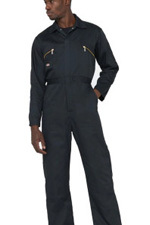
Start with the job and the weather, not the logo. Good work clothing needs to move properly, hold up on snagging points, and keep you covered through first fix, fit-out, loading, and outdoor jobs. From Work Trousers and Work Shorts to Work Jackets, Work Coats & Bodywarmers, Work Hoodies, Work Fleeces & Sweatshirts, and Work Gloves, this is the kit that earns its keep. Pick the layers that suit your trade and get sorted.
What Are Work Clothes Used For?
- Working through first fix and second fix jobs, work clothes give you the movement, pocket space, and coverage you need when you are constantly up and down ladders, kneeling, reaching, and carrying tools.
- Handling outdoor site work in poor weather, work clothing helps keep wind, light rain, mud, and cold off you so you can keep grafting when the job cannot wait for better conditions.
- Loading the van, shifting materials, and doing yard jobs, proper working clothes stand up better to snagging, dusty conditions, and repeated washing than cheap everyday gear.
- Turning up for maintenance, snagging, and client-facing jobs, cleaner-cut workwear clothing gives you a more presentable look without losing the toughness needed for site use.
- Layering up across the year, mens work clothes let you switch between shorts, trousers, hoodies, jackets, and gloves depending on season, trade, and how exposed the job is.
Choosing the Right Work Clothes
Sort your work clothes by trade, weather, and how hard you are on them. Do not buy for one good day in July if you are wearing them five days a week.
1. Build Your Kit in Layers
If you are in and out of buildings all day, layer up rather than going too heavy. A tee, mid layer, and jacket gives you far more use than one bulky top you end up taking off and carrying round site.
2. Match Trousers or Shorts to the Job
If you are kneeling, climbing, or carrying tools, go for tougher trousers with proper storage and reinforcement. If you are on lighter summer work or indoor fit-out, shorts can make more sense, but not where the site rules or task risk say otherwise.
3. Do Not Ignore the Weather
If your jobs are exposed, buy outer layers that actually block wind and light rain. There is no point choosing lighter work clothing just because it feels good in the warehouse if you are out on a scaffold in February.
4. Buy for Washing and Wear
If it is going in the wash every week, look for work clothes that keep their shape and do not fall apart at the knees, cuffs, or seams. Cheap gear usually looks tired fast and costs you more in replacements.
Who Uses These on Site?
- Sparkies rely on work clothes that move easily in lofts, risers, and underfloor spaces, with enough pockets for testers, fixings, and the bits they reach for all day.
- Chippies and joiners go for work clothing that holds up when kneeling, climbing, and carrying sheet materials, especially on first fix where you are in and out of rough openings all shift.
- Groundworkers, landscapers, and brickies need tougher workwear protective clothing because they are out in the weather, around mud, wet materials, and abrasive surfaces that ruin lighter gear fast.
- Plumbers, fitters, and maintenance teams wear mens work clothes that are easy to layer, because one minute they are in a cold plant room and the next they are working indoors on occupied jobs.
- Site managers and van-based trades still need proper work clothes for men, especially when they are walking active sites, helping with deliveries, or jumping in to sort a problem.
Extra Kit That Makes Work Clothes More Useful
A few add-ons make your work gear uk setup far more practical across a full week on site.
1. Work Gloves
Get a decent pair and save your hands from cuts, abrasion, and cold when shifting block, timber, sheet material, or rough fixings. They are also the first thing you miss when you leave them in the van.
2. Knee Pads
If your trousers take inserts, use them. They save your knees on flooring, kitchen fitting, socket work, and snagging, and they beat kneeling on cold concrete for half a day.
3. Base Layers
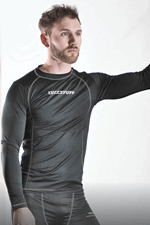
For winter starts and exposed work, base layers stop you needing one massive outer layer. You stay warmer without losing movement when climbing, lifting, or working overhead.
4. Belts and Braces
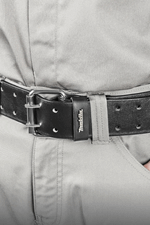
If you load your pockets up with tools, fixings, and phones, a proper belt or braces stops trousers sagging and saves you hitching them up every five minutes.
Choose the Right Work Clothes for the Job
Use this quick guide to match your work clothing to the way you actually work.
| Your Job | Category or Type | Key Features |
|---|---|---|
| First fix, site carpentry, and general trade work | Work trousers and layered tops | Reinforced wear points, useful pockets, easy movement, and enough warmth for mixed indoor and outdoor work |
| Summer fit-out, landscaping, and lighter indoor jobs | Work shorts and lightweight tops | Breathability, lower bulk, and comfort when you are moving constantly in warmer conditions |
| Outdoor winter jobs and exposed sites | Jackets, bodywarmers, hoodies, and base layers | Wind resistance, warmth without too much bulk, and layering that lets you keep working as conditions change |
| Client-facing maintenance and snagging | Cleaner-cut workwear clothing | Presentable fit, practical pockets, and toughness that still stands up to crawling about and carrying tools |
| Heavy material handling and rough ground jobs | Tough outer layers with gloves | Better abrasion resistance, hand protection, and kit that copes with mud, rough edges, and repeated washing |
Common Buying and Usage Mistakes
- Buying cheap everyday clothes instead of proper work clothes usually means split seams, worn knees, and poor pocket layout, so you end up replacing them sooner and working less comfortably.
- Choosing heavy winter gear for all-year use sounds sensible until you are overheating indoors, so build a layered setup instead of relying on one thick top or coat.
- Ignoring site rules and task risks when picking shorts or lighter clothing can leave you underdressed for the job, so always match your work clothing to the site requirements and the task in front of you.
- Buying trousers with plenty of pockets but no thought for fit or movement leaves you fighting your own kit all day, so make sure you can kneel, climb, and stretch properly before settling on a style.
- Washing muddy or paint-covered gear without checking care instructions can ruin coatings, shrink fabrics, or set in dirt, so clean it properly and do not leave site filth sitting in the van for a week.
Trousers vs Shorts vs Layered Outerwear
Work Trousers
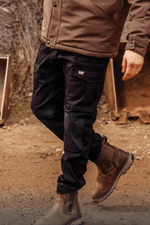
Best for most site jobs, especially where you are kneeling, climbing, or working around rough surfaces. They give more protection and storage, but can feel too warm on hot indoor or summer jobs if you go too heavy.
Work Shorts
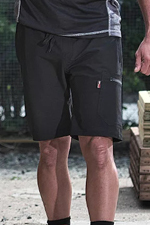
The right call for warm weather, van work, and lighter fit-out jobs where you need to stay cool and mobile. They are less suited to rough ground, cold starts, and sites where leg coverage is expected.
Layered Outerwear
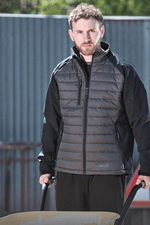
Better than one bulky coat if your day switches between indoors and outdoors. Hoodies, fleeces, bodywarmers, and jackets let you adapt as the weather changes, though you need to choose the layers properly to avoid bulk.
Maintenance and Care
Wash Off Site Dirt Properly
Brush off dried mud, dust, and plaster before washing. It keeps the machine cleaner and stops grit grinding into fabric and stitching.
Check Knees, Cuffs, and Seams
These are the first places to go on hard-used work clothes. Catching wear early gives you a chance to repair or rotate them before they fully fail on site.
Do Not Leave Wet Gear in the Van
Wet jackets, hoodies, and trousers soon start to smell and can lose shape if they stay bundled up. Hang them out after the shift and let them dry properly.
Use the Right Garment for the Right Job
If you keep using lightweight clothing for abrasive or dirty jobs, it will not last. Rotate heavier bits in for messy work and save lighter kit for cleaner days.
Replace When Fit or Protection Has Gone
Once work clothing is badly torn, stretched, or worn through at key points, it stops doing its job properly. That is the time to replace it, not after another month of patching it up.
Shop Work Clothes at ITS.co.uk
Whether you need lightweight kit for summer fit-out, tougher layers for site work, or a full refresh of your everyday workwear clothing, we stock the full range. From trousers and shorts to jackets, hoodies, gloves, and more, it is all in our own warehouse and ready for next day delivery.
Work Clothes FAQs
What are work clothes called?
Most trades call them work clothes or workwear. On site, that usually means trousers, shorts, hoodies, fleeces, jackets, gloves, and other work clothing built to handle dirt, movement, and regular washing better than normal day-to-day gear.
What type of work clothes?
The right type depends on the trade, the weather, and site rules. For most jobs, you are looking at tough trousers or shorts, breathable tops, warm mid layers, outerwear for wet or cold days, and gloves where the task calls for hand protection.
Is it workwear or work clothes?
Either is fine. Workwear is the broader trade term, while work clothes is the plain-English version most buyers use when they just want the kit they wear on the job. In practice, both mean clothing made for site, yard, and trade use.
Will these work clothes hold up to daily site use?
Yes, if you buy the right level for the work you do. For regular site use, go for tougher fabrics, reinforced wear areas, and proper trade fits. Lightweight gear is fine for cleaner or warmer jobs, but it will not last as well on rough ground or heavy handling work.
Are work clothes the same as PPE?
No. Work clothes are what you wear to stay comfortable and covered while you work. PPE is specific protective equipment for hazards on the job. Some items overlap, but do not assume ordinary work clothing replaces proper task-based protection.
Should I buy one heavy outfit or layer up?
Layer up. It is the better call for most UK site work because conditions change through the day. A base layer, a mid layer, and a jacket gives you more options than one thick top that is either too hot or not warm enough.