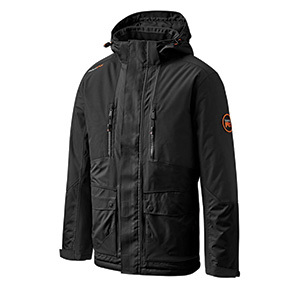
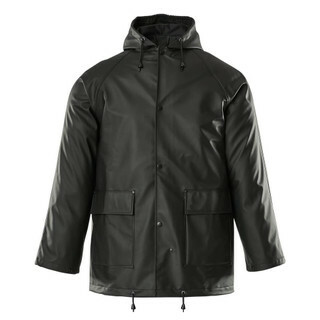
Work Jackets, Work Coats & Bodywarmers
A proper work jacket keeps the weather off your back and the graft moving, whether you're first on site in winter or finishing up in the rain.
When you're stood out on a cold slab, loading out the van at first light, or trying to finish snagging in sideways rain, a decent workwear jacket matters. This is the kit trades reach for when hoodies are not enough and cheap coats soak through by break. You will find insulated jackets, waterproof shells, site body warmers and tougher outer layers that hold up to daily abuse. If you already know the job, start with Work Jackets, or sort by weather, warmth and fit and get the right one ordered.
What Jobs Are Work Jackets Best At?
- Working through cold first-fix mornings, a warm work jacket keeps the wind off while you are setting out timber, clipping pipe or pulling cable before the building is sealed up.
- Standing outside on groundworks, roofing or external fit-out, a waterproof workwear jacket stops light rain turning into a soaked base layer and a miserable rest of the shift.
- Loading materials, running between plots and climbing in and out of the van, a site body warmer keeps your core warm without bunching up through the shoulders.
- Handling snagging, maintenance and handover jobs, lighter construction jackets are useful when you need pockets for bits and paperwork without overheating indoors.
- Working on exposed sites in winter, a hooded work jacket or winter work coat gives you the extra cover you need when the job cannot wait for better weather.
Choosing the Right Work Jacket
Sort the right one by weather, movement and how long you are actually wearing it. Do not buy the bulkiest coat on the page if you still need to work in it.
1. Insulated Jacket or Body Warmer
If you are mostly moving, lifting and working with your arms up, a body warmer often makes more sense than a full winter work jacket. If you are stood out in one spot or on exposed jobs, go straight for proper insulated sleeves and a higher collar.
2. Waterproof Shell or Warm Lined Coat
If rain is the main problem, buy a waterproof shell and layer underneath. If the cold is what slows you down, a lined work coat or winter work jacket is the better shout. Wet and cold sites usually need both covered, not just one.
3. Fit for Layering
If you wear a base layer and hoodie under it, allow room for that from the start. A tight mens work jacket feels fine in the kitchen at home and then turns into a nuisance the minute you start reaching, lifting or climbing ladders.
4. Pockets, Hood and Site Use
If you are in and out of the van all day, decent zipped pockets and a hood that stays put matter more than looks. For indoor site work, a simpler jacket with less bulk is easier to live in and less likely to catch on everything.
Who Uses These on Site?
- Brickies, groundworkers and labourers live in a warm work jacket through winter because they are out in the weather from the first delivery to the last tidy up.
- Sparkies and plumbers usually go for lighter work jackets or body warmers that keep the core warm but still let them move easily in lofts, risers and tight plant rooms.
- Chippies and dryliners swear by a builder jacket that does not drag on the shoulders when they are fixing overhead, carrying sheets or moving room to room all day.
- Roofers, civils crews and site managers often need waterproof outer layers for jobs that carry on in poor weather, especially when they are walking the site for hours.
- Maintenance teams and van-based fitters keep one in the cab year round, ready for call-outs, early starts and those jobs where the weather turns halfway through.
Extra Layers That Make a Work Jacket More Useful
The right layer under or over your jacket can save you from buying the wrong coat for the season.
1. Gilets & Body Warmers
A Gilets & Body Warmers layer is what you want when sleeves just get in the way. It keeps your core warm on active jobs without that boxed-in feeling you get from a bulky coat.
2. Waterproof Jackets
A proper Waterproof Jackets outer saves you trying to make a padded jacket do a rain shell's job. Handy when the forecast is all over the place and you need a dry top layer fast.
3. Work Hoodies, Work Fleeces & Sweatshirts
A good Work Hoodies, Work Fleeces & Sweatshirts mid-layer gives you a lot more flexibility across the week. Add or lose a layer as the site warms up instead of sweating in one heavy coat all day.
4. Heated Jackets
If you are regularly on static winter jobs, Heated Jackets can be worth it. They take the edge off on freezing starts, especially when you are not moving enough to warm up properly.
Choose the Right Work Jacket for the Job
Match the jacket to the weather and how much you need to move.
| Your Job | Work Jacket Type | Key Features |
|---|---|---|
| Cold first-fix and outdoor winter site work | Insulated winter work jacket | Warm lining, higher collar, full sleeve coverage, room for layers |
| Wet external jobs and day to day bad weather | Waterproof workwear jacket | Water resistant shell, taped seams if listed, adjustable hood, zipped pockets |
| Active jobs with lots of lifting and climbing | Site body warmer | Core warmth, better arm movement, easy over a hoodie or fleece |
| Van work, maintenance and light site visits | Lightweight work jacket | Less bulk, easy on and off, useful pockets, comfortable for driving |
| Freezing static work and exposed early starts | Heated jacket | Battery powered warmth, low bulk, useful when you are not moving enough to stay warm |
Common Buying and Usage Mistakes
- Buying purely for warmth and ignoring movement is a common one. A jacket that is too bulky soon gets left in the van because it is awkward for lifting, fixing overhead or climbing steps.
- Using a padded jacket as your only rain layer usually ends badly. If it is not properly waterproof, it will wet out, get heavier and leave you cold for the rest of the day.
- Going too tight on size catches plenty of lads out. Once you add a base layer or hoodie underneath, a snug fit turns restrictive and you lose reach through the shoulders.
- Ignoring pocket layout sounds minor until you are working from ladders or walking plots. If there is nowhere sensible for gloves, phone or small tools, it becomes a nuisance fast.
- Leaving wet jackets screwed up in the van shortens their life. Dry them properly after use or you end up with stale kit, damaged linings and water resistance that drops off quicker.
Insulated Jackets vs Waterproof Jackets vs Body Warmers
Insulated Jackets
Best for cold site starts, exposed plots and winter outdoor work where warmth is the main issue. They are less ideal if you are constantly moving hard, because some can get too warm and feel bulky by mid-morning.
Waterproof Jackets
Best when the weather is wet but the temperature changes through the day. They keep rain off and let you build warmth with layers underneath, but on their own they are not always enough for long freezing shifts.
Body Warmers
Best for active trades who need free shoulder movement and quick core warmth. They are handy over hoodies and fleeces, but they will not replace a full work winter jacket when the wind and rain really get going.
Heated Jackets
Best for static work, early starts and jobs where the cold gets into you fast. They cost more and rely on charged batteries, but for some winter site work they are a better fix than just piling on more bulky layers.
Maintenance and Care
Brush Off Dirt Early
Dust, plaster and dried mud wear fabrics out faster than most people think. Brush jackets down after site and do not let grit sit in cuffs, zips and seams for weeks.
Wash to the Label
Do not just throw every work coat on a hot wash. Waterproof finishes, insulated linings and fire retardant treatments can all be damaged if you ignore the care instructions.
Dry It Properly
If your jacket gets soaked, hang it up and let it dry fully before it goes back in the van or locker. That stops smells, helps the fabric last longer and avoids damp linings on the next shift.
Check Zips and Cuffs
Most jackets fail at the zip, cuff or pocket edge before the main body gives up. If stitching starts to go, sort it early rather than waiting until the zip blows out on a cold wet day.
Replace When It Stops Doing the Job
If the insulation is flattened, water is getting through or the fit is fighting you every day, it is time to replace it. A tired jacket costs you more in discomfort than it saves in money.
Why Shop for Work Jackets at ITS?
Whether you need a lightweight workwear jacket for van jobs, a winter work coat for exposed sites, or a warmer outer layer for everyday graft, we have the full range in one place. From mens work jackets to waterproofs, insulated coats and site body warmers, it is all in our own warehouse and ready for next day delivery.
Work Jacket FAQs
What's the warmest work jacket for winter?
The warmest option is usually a properly insulated winter work jacket with a full lining, decent collar and room for base layers underneath. If you are standing around on exposed sites rather than moving all day, look at thicker insulated styles or heated options rather than a thin shell.
Are work jackets waterproof?
Some are, some are only shower resistant, and some are just warm outer layers. Check the product details properly because a padded work jacket and a true waterproof jacket are not the same thing. If the job is wet all day, buy for rain protection first and layer for warmth underneath.
Can I get a hi-vis work jacket?
Yes, if your site rules call for it, hi-vis work jackets are available. They are the right call for roadside, rail, civils and any job where visibility matters, but always check the rating you need rather than assuming every yellow jacket is site compliant.
Are work jackets fire retardant?
Not as standard. If you need fire retardant protection for welding, hot works or specialist industrial tasks, you need a jacket that is specifically rated for that use. Do not guess on this one because normal polyester or padded outerwear is not made for sparks or flame exposure.
Should I buy a work jacket or a body warmer?
If you are active all day and hate bulky sleeves, a body warmer is often the better bit of kit. If you are working in wind, rain or standing still for long periods, a full work jacket makes more sense and saves you relying on layers that still leave your arms cold.
Do work jackets come up big enough for layering?
Most do, but not all fits are the same. If you wear thermals or a hoodie underneath, allow for that when choosing size. A jacket that fits over a T shirt indoors can feel tight and awkward once you are layered up and actually moving on site.