Waterproof Workwear
Waterproof workwear keeps you dry when the job carries on through rain, spray and mud, from groundwork and roofing to yard work and site clear-up.
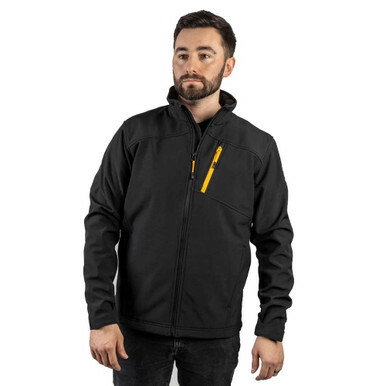
If you're out in it all day, soaked kit slows you down, rubs, chills off and usually tears where it matters. Proper waterproof workwear is built for lads who still have to load out, climb up, kneel down and get the job finished. Look for breathable waterproof workwear if you're moving all shift, and match jackets, trousers, gloves and boots to the weather, not just the forecast. Start with Waterproof Work Jackets and build a set that actually earns its keep.
What Jobs Is Waterproof Workwear Best At?
- Working on exposed roofing, first fix timber frames and scaffold jobs where the rain comes in sideways and you still need to move freely without a soaked hoodie underneath.
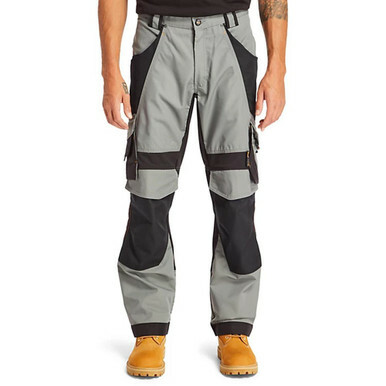
- Pouring concrete, laying slabs and handling drainage on muddy ground where waterproof work trousers stop your knees and thighs getting saturated every time you kneel down.
- Loading vans, running materials and carrying out yard work in wet weather where lightweight waterproof workwear keeps the worst of the rain off without turning into a sweaty mess.
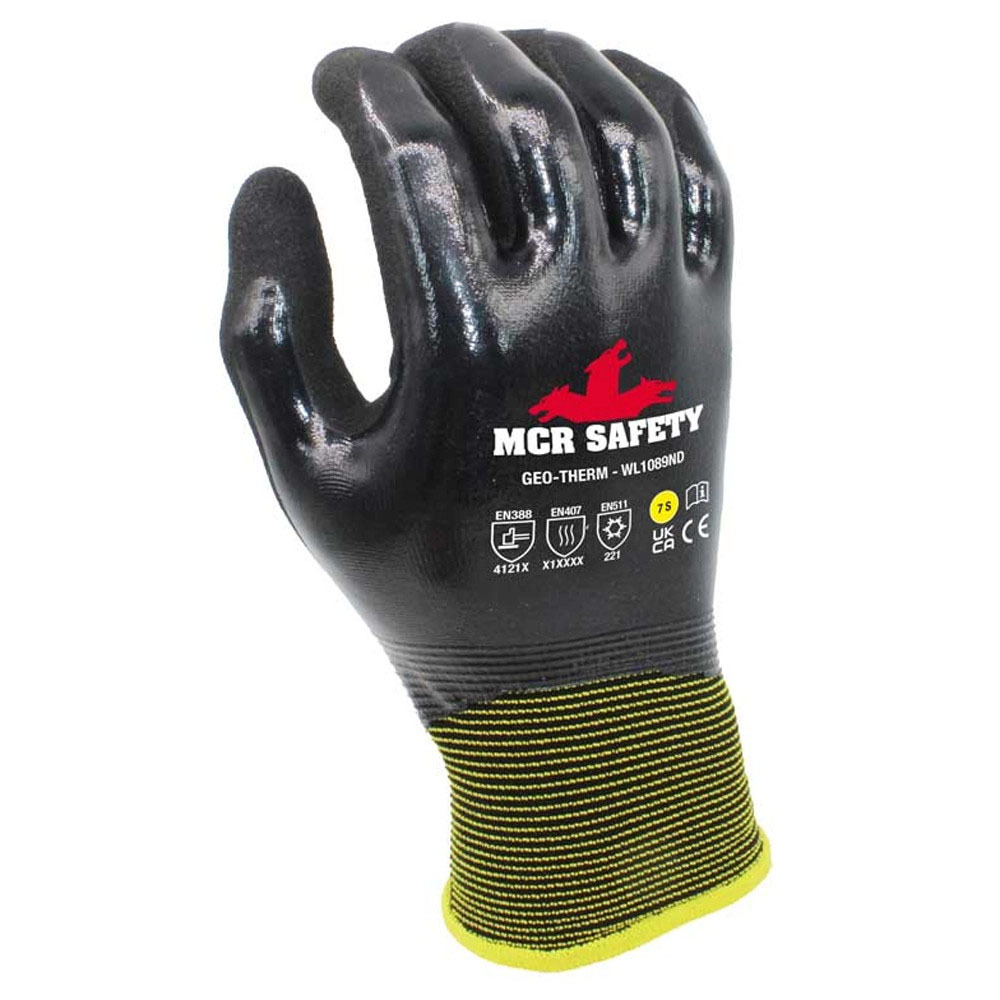
- Cleaning down plant, pressure washing equipment and working around spray where waterproof work gloves and a proper waterproof work suit stop water getting straight through to your base layers.
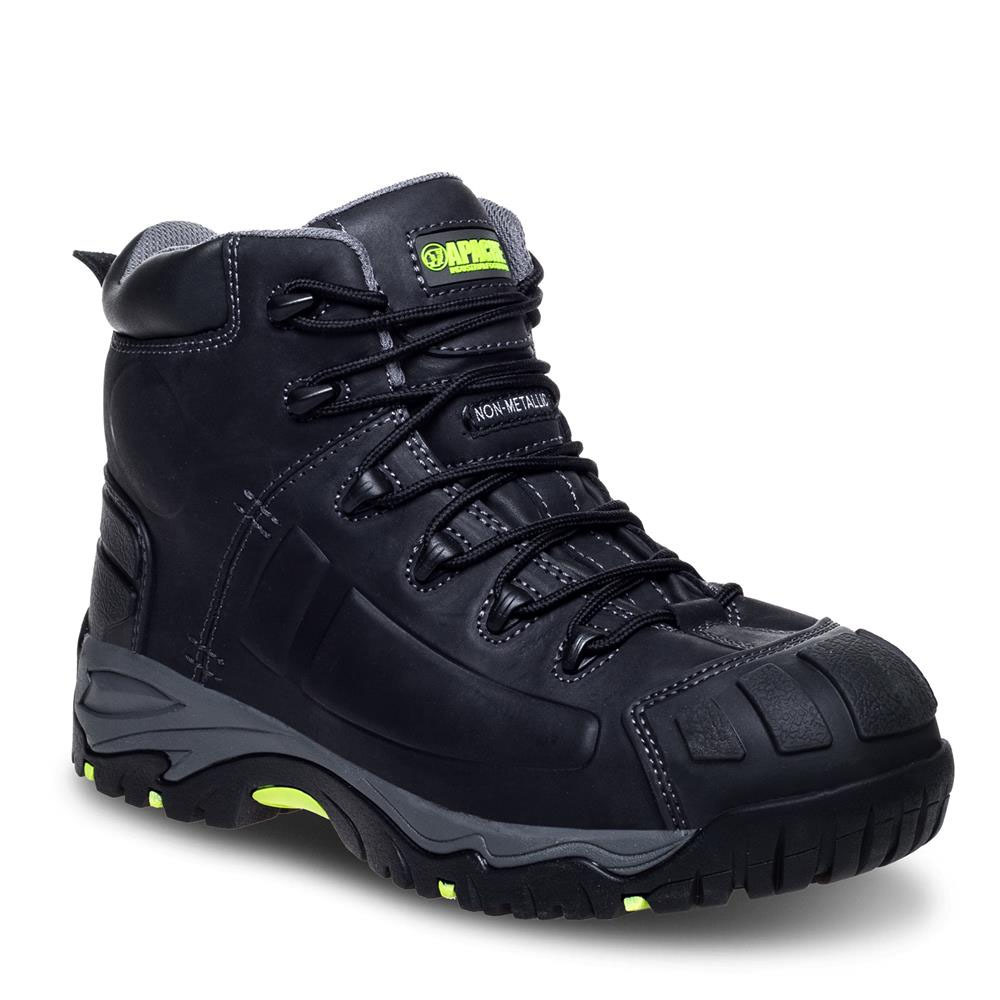
- Walking site in standing water, wet grass and churned mud where waterproof safety boots keep feet dry enough to get through the shift without cold socks and blisters.
Choosing the Right Waterproof Workwear
Sort the right waterproof workwear by how long you are in the rain and how hard you are grafting. Dry is no good if you cannot move or you sweat out from the inside.
1. Jacket Only or Full Set
If you are just dashing between van and plot, a waterproof work jacket may do the job. If you are kneeling, lifting, walking site or working out in it for hours, get a full set with jacket and trousers or you will still end up soaked from the waist down.
2. Breathability Matters
If you are active all shift, go for breathable waterproof workwear, not the cheapest shiny shell on the page. The non-breathable stuff can keep rain out, but it traps heat and sweat so badly you feel wet anyway.
3. Fit Over Your Normal Kit
Buy it to go over fleece, trousers and base layers, especially in winter. If it is too tight over workwear, it rides up, splits at the crotch or shoulders, and you lose the protection as soon as you bend or climb.
4. Do Not Ignore Hands and Feet
A decent shell is pointless if water is running into your gloves and boots. Pair your outerwear with Waterproof Work Gloves and the right footwear if you are out on wet ground all day.
Who Uses These on Site?
- Groundworkers rely on waterproof work clothes when they are out in trenches, on slab prep or shifting muck, because once your knees and cuffs are wet first thing, the whole day is a slog.
- Roofers and cladders wear waterproof work jacket and trouser combos on exposed jobs where they still need reach and movement, not stiff gear that catches every time they stretch.
- Builders, labourers and site managers keep a waterproof work coat in the van for walk-rounds, deliveries and snagging when the weather turns and the job does not stop.
- Landscapers and maintenance teams swear by breathable waterproof workwear for hedge cutting, fencing and grounds jobs where you are active all day and cheap shells just boil you alive.
- Anyone working long wet shifts usually finishes the setup with Waterproof Safety Boots so they are not squelching round site by ten in the morning.
The Basics: Understanding Waterproof Workwear
Not all waterproof workwear keeps you dry in the same way. The key things to understand are waterproof rating, breathability and where water gets in first on a real job.
1. Waterproof Rating
This tells you how much rain and pressure the fabric can deal with before water starts pushing through. Higher ratings matter when you are out in heavy rain for hours, kneeling on wet ground or leaning against soaked materials.
2. Breathability
Breathable waterproof workwear lets sweat vapour escape while keeping rain out. On active jobs, that means you stay drier from both sides instead of ending up clammy inside a cheap, sealed shell.
3. Seams, Cuffs and Closures
Most leaks do not start in the middle of the fabric. They start at zips, cuffs, seams and the top of your boots or gloves, so proper taping, storm flaps and a decent overlap between layers make a big difference on site.
Waterproof Workwear Extras That Stop the Usual Hassle
Finish the kit properly and you avoid the usual weak points where water gets in first.
1. Waterproof Gloves
Cold, wet hands ruin grip fast, especially when you are handling sheet materials, straps or fixings. A proper waterproof glove stops that soaked-through feeling you get from standard site gloves after half an hour in rain.
2. Waterproof Footwear
Your jacket and trousers can be spot on, but if your feet are wet by breakfast you are done. Add Waterproof Safety Trainers if you want lighter footwear for drier ground or indoor-outdoor site work.
3. Spare Over Trousers
If you are on messy groundwork or utility jobs, a second pair in the van saves you from driving home in soaked, muddy gear after the first set gets saturated or ripped.
Choose the Right Waterproof Workwear for the Job
Match the kit to how wet the job gets and how much you need to move.
| Your Job | Category or Type | Key Features |
|---|---|---|
| General site work in showers and light rain | Lightweight waterproof jacket | Packable build, breathable fabric, easy fit over a hoodie or fleece |
| Groundworks, drainage and kneeling on wet surfaces | Waterproof Work Trousers | Room over work trousers, reinforced wear areas, adjustable hems and waist |
| All day exposed work in steady or heavy rain | Waterproof workwear sets | Jacket and trouser coverage, taped seams, better overlap at cuffs and waist |
| Wet but fast moving jobs with lots of lifting and walking | Breathable waterproof workwear | Moisture escape, lower sweat build-up, better comfort on active shifts |
| Cold, muddy sites with standing water | Waterproof outerwear plus waterproof footwear | Dry feet, better comfort through the shift, less chance of blisters and cold toes |
Common Buying and Usage Mistakes
- Buying cheap non-breathable shells for active work is a common mistake. They may stop light rain, but once you start grafting you sweat inside them and end up damp anyway, so go breathable if you move a lot.
- Choosing waterproof workwear that only just fits over a T shirt causes trouble on site. Add a fleece or hoodie and it pulls tight, restricts movement and opens gaps at the cuffs and waist.
- Ignoring trousers and focusing only on a jacket leaves half the problem unsolved. If you kneel, sit or brush against wet materials, water comes straight through standard work trousers and stays there all day.
- Not re-proofing older waterproof work clothes shortens their useful life. Once the outer face wets out, breathability drops off and the kit feels colder and heavier even if the membrane is still intact.
- Wearing standard boots in standing water defeats the point of the rest of the kit. Pair your outerwear with suitable waterproof footwear or you will still finish the shift with wet feet and sore skin.
Lightweight vs Breathable vs Full Set
Lightweight Waterproof Workwear
Best for short spells outside, van work and jobs where the weather keeps changing. It is easier to pack and wear, but it is not the first pick for kneeling in mud or staying exposed all day.
Breathable Waterproof Workwear
This is the one for active trades walking, lifting and climbing through a full shift. It costs more than basic shells, but it is far better if you do not want to feel steamed up inside your own jacket.
Waterproof Workwear Sets
A full jacket and trouser setup makes more sense for proper bad weather, groundwork and exposed site work. More coverage, fewer gaps, and less chance of water finding its way in at the waist.
Jacket Only
Fine for quick inspections, deliveries and light rain, especially if most of the day is indoors. Once the job means kneeling, carrying or working in wet wind for hours, jacket only stops being enough.
Maintenance and Care
Clean Off Mud Properly
Let heavy mud dry, brush it off, then wash according to the care label. Ground-in dirt clogs the face fabric and knocks back breathability faster than most lads realise.
Use the Right Wash Products
Standard detergent and fabric conditioner can wreck the water-repellent finish. Use cleaner made for waterproof fabrics if you want the kit to keep shedding rain instead of soaking it up.
Re-Proof Before It Fails Completely
If rain stops beading and the outer starts wetting out, re-proof it. Leave it too long and even good waterproof workwear starts feeling heavy, cold and useless on site.
Dry It Fully Before Storing
Do not screw wet gear into the van or bottom of a bag for a week. Dry it fully first or you will end up with smells, mildew and fabric that breaks down sooner than it should.
Repair Small Damage Early
Tiny seam failures, cuff damage and small tears are worth sorting quickly. Leave them, and water will keep finding that spot until the garment is only good for a dry day backup.
Why Shop for Waterproof Workwear at ITS?
Whether you need a lightweight shell for van work, full waterproof workwear sets for bad weather, or separate jackets, trousers, gloves and footwear, we stock the full range. That includes waterproof work clothes for all sorts of site conditions, all held in our own warehouse and ready for next day delivery.
Waterproof Workwear FAQs
What is the most breathable waterproof workwear?
Breathable waterproof workwear with a proper membrane and venting is the right call if you are active all day. For site use, the best option is usually a lighter jacket and trouser setup that lets heat out while still keeping rain off, rather than a cheap fully sealed shell that leaves you drenched in sweat.
How is workwear rated for waterproofing?
Usually by a waterproof rating that shows how much water pressure the fabric can resist before it leaks through. In plain terms, the higher the rating, the better it copes with sustained rain, kneeling on wet surfaces and hard site use. Also check taped seams and decent closures, because the fabric alone is not the whole story.
Does waterproof workwear keep you dry in heavy rain?
Yes, decent kit does, but only if you buy the right level for the job and wear it properly. Heavy rain will find any weak point, so you need good seams, proper overlaps at cuffs and waist, and enough room to wear it over your normal layers without it pulling open when you move.
How do you clean and re-proof waterproof workwear?
Brush off dried mud first, then wash it to the care label using cleaner meant for waterproof fabrics. Avoid fabric conditioner. Once the outer stops beading water, use a wash-in or spray-on reproofer to bring the finish back. That is usually the difference between kit that still works and kit that just looks waterproof.
Do I need a full waterproof work suit or will a jacket do?
If you are mostly walking between jobs or unloading the van, a jacket may be enough. If you are kneeling, carrying materials, climbing scaffold or working outside for hours, get the full waterproof work suit or at least add over trousers. Most lads who skip the trousers regret it by the first proper downpour.
Are waterproof work clothes too hot for active jobs?
Some are, yes. Cheap coated gear can feel like wearing a bin bag once you start moving. If you are lifting, climbing or walking all day, go for breathable waterproof workwear and do not oversize it too much, or you will trap heat and sweat for no reason.