Storage
Tool storage keeps your kit together, protected, and easy to grab whether you're on first fix, loading the van, or moving room to room on site.
If you're sick of rooting through a mixed-up van or replacing bits that got wrecked at the bottom of a bucket, proper tool storage is the fix. From tool box stacks and tool chests to tool bag, tool roll and tool pouch options, this is the gear trades use to keep work tool storage sorted, cut wasted time, and stop kit taking a beating. If you already run systems like milwaukee packout or dewalt toughsystem, match what you buy to what you carry and how often it leaves the van. For wearable storage workwear options, have a look at Tool Belts, Pouches & Rolls, then get your tool storage solutions lined up properly.
What Are Tool Storage Products Used For?
- Loading out for first fix is quicker when your tool storage is split by job, so your fixings, hand tools and power tools are not all buried together at the back of the van.
- Moving between plots, floors or rooms is easier with stacked site storage systems that keep the gear you need together instead of making you carry three loose boxes and a bag.
- Keeping workwear storage and work tool storage separate stops wet jackets, dusty PPE and sharp tools all ending up in one heap and making a mess of the cab or canteen.
- Running van tool storage properly helps stop lost gear, damaged batteries and bent accessories, especially when the van doubles as your workshop through the week.
- Using a tool bag, tool pouch or tool roll for the small daily essentials means you leave the heavier kit in the van and only take what the actual job calls for.
Choosing the Right Tool Storage
Sort the right tool storage by how you actually work. If it lives in the van all week, buy differently than if it gets carried up stairs every day.
1. Box, Bag or Wearable Storage
If you are hauling heavier kit, chargers, batteries and power tools, go for a solid tool box or stack system. If you are doing service work, second fix or quick call-outs, a tool bag is usually faster to grab and easier to carry. If you only need the basics on you, look at Tool Belts, Pouches & Rolls rather than lugging a full case round site.
2. Van-Based or Site-Mobile
If your gear mostly stays in the van, wider boxes and tool chests make sense because capacity matters more than portability. If you are in and out of plots, up scaffolds or between floors, pick stackable tool storage solutions with decent handles, latches and wheels where needed.
3. Open Access or Better Protection
Open totes and soft bags are quicker for hand tools you reach for all day. Closed boxes are the better shout for expensive kit, dusty jobs and wet weather, especially if your storage gets left in the van overnight or knocked about on site.
4. Match Your Existing System
If you already use milwaukee packout or dewalt toughsystem, stay on that platform unless there is a very good reason not to. Mixing systems usually means wasted space, awkward stacking and more faff loading the van than it is worth.
Who Uses These Tool Storage Setups?
- Sparkies rely on tool storage to keep testers, hand tools, fixings and small accessories organised for first fix, second fix and fault-finding without wasting half the morning hunting through a van.
- Chippies and kitchen fitters use tool boxes, tool chests and stack systems to move saw gear, blades, fixings and layout kit from room to room without knocking expensive kit about.
- Plumbers and heating engineers swear by tool bag and tool pouch options for service calls and tight spaces, where carrying only the daily grab kit saves time and sore shoulders.
- Site managers, maintenance teams and snagging crews use work storage and site storage to keep shared kit, paperwork, consumables and hand tools in one place so jobs keep moving.
- Groundworkers and landscapers tend to favour tougher van tool storage and larger boxes because their gear gets dragged through mud, loaded with wet kit and left out in rougher conditions.
Accessories That Make Tool Storage Work Harder
A few sensible add-ons make your storage quicker to use, easier to carry and less likely to turn into a mixed-up mess by Friday.
1. Tool Belts and Pouches
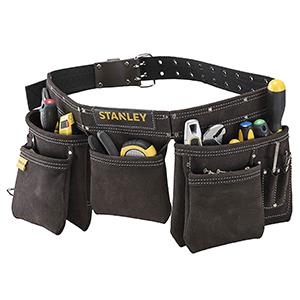
For jobs where you do not want to keep climbing down for bits, wearable storage is a lifesaver. A proper pouch setup stops you dumping screws, blades and hand tools loose in the top of a box and wasting time every few minutes.
2. Work Belts and Braces
If you carry tools on you for long shifts, a decent belt and brace setup spreads the load properly. That means less strain on your hips and lower back, and less chance of your pouch sagging or twisting when you are moving about site.
3. Lanyards
On access kit, scaffolds or elevated work, tool lanyards stop the sort of dropped-tool mistake that shuts a job down fast. They are a simple add-on, but worth it where tools are used above head height.
Choose the Right Tool Storage for the Job
Match the storage type to how much kit you carry and how far you need to move it.
| Your Job | Tool Storage Type | Key Features |
|---|---|---|
| Daily service calls and small repair work | Tool bag | Fast access, lighter carry, plenty of pockets for hand tools and testers |
| First fix and room to room installation work | Stackable tool box system | Secure latches, modular stacking, easy transport for tools, batteries and fixings |
| Keeping van kit organised through the week | Van tool storage boxes and tool chests | Higher capacity, tougher build, better separation of heavy and loose gear |
| Carrying only the essentials on your person | Tool pouch or tool roll | Compact layout, quick access, ideal for hand tools, fixings and snagging kit |
| Shared site kit and maintenance stores | Site storage boxes | Robust construction, easy identification of contents, better control of shared tools |
Common Buying and Usage Mistakes
- Buying purely on capacity and ignoring carry weight is a common mistake. A massive box looks useful until it is full of drills, batteries and fixings and becomes a dead lift every time you leave the van.
- Mixing storage systems without checking compatibility usually ends in wasted van space and awkward stacks. If you already run a modular setup, stick with the same format so it locks together properly.
- Using one box for everything turns tool storage into a skip. Split power tools, hand tools, accessories and consumables so you can find what you need without emptying the lot on the floor.
- Assuming soft bags protect expensive kit the same as hard cases is asking for damage. Bags are brilliant for access and lighter loads, but hard boxes are the safer choice for delicate gear and rough van life.
- Forgetting about wearable storage means you carry more than the job needs. Use storage workwear, pouches or rolls for daily bits and leave the bulkier kit where it belongs.
Tool Box vs Tool Bag vs Tool Chest
Tool Box
A tool box is the better all-rounder if you need protection, stackability and a tidy way to move mixed kit. It suits trades carrying power tools, batteries and accessories, but once loaded up it is not as quick to work out of as a bag.
Tool Bag
A tool bag is best for service engineers, snagging work and anyone carrying hand tools into occupied properties. It is quicker to open and easier to sling over your shoulder, but it does less to protect expensive kit from knocks and weather.
Tool Chest
A tool chest makes sense when storage stays put more than it travels, such as in workshops, garages or van setups. You get proper capacity and separation, but it is not the thing for carrying through a live site every day.
Maintenance and Care
Empty Out Dust and Debris
Do not leave plaster dust, swarf, screws and rubbish building up in the bottom of your storage. It hides small parts, wears liners and makes every tool dirtier than it needs to be.
Check Handles, Latches and Wheels
These are the bits that fail first on busy site kit. If a latch is cracked or a wheel is wobbling, sort it early before the whole lot spills out in a car park or stairwell.
Dry Out Wet Bags and Pouches
If your tool bag or storage workwear gets soaked, empty it and dry it properly before the next shift. Leaving damp tools and fabric together is a good way to end up with rust, mould and a bag that stinks.
Store by Use, Not by Habit
Put gear back in the same place every time. It sounds basic, but keeping cutters with cutters, fixings with fixings and chargers away from loose metal saves time and stops damage.
Replace Worn Soft Storage Before It Fails
If stitching is gone, bases are torn through or handles are pulling out, do not try to squeeze another month out of it. Replacing a tired bag is cheaper than smashing the kit inside it.
Why Shop for Tool Storage at ITS?
Whether you need a simple tool pouch, a site-ready tool bag, proper van tool storage, or full tool chests and stack systems, we stock the range trades actually use. That includes workwear storage, storage workwear, work storage and site storage options, plus matching Workwear and Work Clothes for the job. It is all held in our own warehouse, in stock and ready for next day delivery.
Tool Storage FAQs
What is the best tool storage for tradespeople?
It depends how you work. If you are in and out of the van all day, a stackable tool box system is usually the best shout because it protects gear and keeps loads organised. If you do service work or snagging, a tool bag or tool pouch is often quicker and less hassle to carry.
Are tool storage systems waterproof?
Some are, some are only weather resistant, and there is a big difference. Hard cases with seals will cope far better with rain and wet van floors than open totes or soft bags, but no storage lasts long if it is left full of water and muck. Check the rating and buy for the conditions you actually work in.
Can tool storage systems stack together?
Yes, but usually only within the same system. Milwaukee Packout stacks with Milwaukee Packout, and DeWalt ToughSystem stacks with DeWalt ToughSystem. Mixing different ranges rarely locks together properly, which is fine until you hit a kerb or drag it up a stair.
What's the difference between a tool box and tool bag?
A tool box gives you better protection, better stacking and usually better security for power tools and batteries. A tool bag gives you faster access and lighter carrying for hand tools and day-to-day jobs. If your gear gets knocked about, go box. If speed matters more, go bag.
Will tool storage actually hold up to rough van use?
Decent kit will, yes, but not if you overload it or use the wrong type. Hard boxes and proper modular systems are built for being stacked, shoved in and out of vans and dragged across site. Cheap soft storage is where handles, zips and bases usually give up first.
Do I need separate storage for tools and PPE?
It is a good idea. Keeping gloves, eyewear, dust masks and other site kit separate from sharp tools and loose fixings stops damage and keeps things cleaner. If you work at height, keep your safety kit organised as well, including Lanyards where needed.