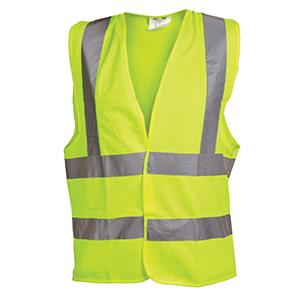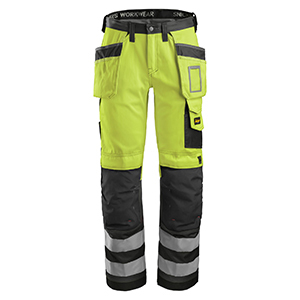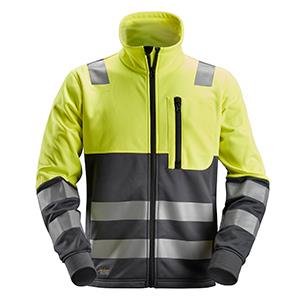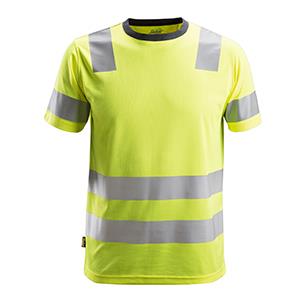
Hi Vis Workwear

Hi vis workwear keeps you seen where plant, traffic and poor light make site work risky, from roadside jobs to busy yards, rail work and early starts.

If you're working near moving vehicles, on rail, in yards or out on roadside jobs before daylight, proper high visibility clothing is not optional. Good hi vis clothing needs to stay bright, fit over your layers, and keep the reflective strips visible when you're bending, lifting and climbing. From hi vis jackets and hi vis waterproofs to a simple hi vis vest or hi vis trousers, choose kit that matches the weather, the task and the visibility class your site asks for. Get the right gear on now and save the argument at the gate.

What Is Hi Vis Workwear Used For?

  • Working roadside, in delivery yards and around moving plant where drivers need to spot you fast, especially in poor weather, low winter light and busy traffic routes.
  • Starting early or finishing late on site when standard workwear disappears into the background and high visibility clothing keeps labourers, sparks and groundworkers clearly seen.
  • Handling rail and infrastructure work where specific EN ISO 20471 hi vis and, where required, RIS 3279 rail hi vis clothing is part of site access and compliance.
  • Covering wet weather outdoor jobs with hi vis waterproofs that keep the reflective panels visible instead of hidden under a dark coat that gets you pulled up on site.
  • Layering over fleece, hoodies or thermal gear in colder months so you stay compliant without losing movement when loading materials, setting out or walking the site.

Who Uses Hi Vis Workwear on Site?

  • Groundworkers, highways crews and plant operators rely on hi vis workwear because they spend all day around wagons, diggers and reversing traffic where being seen quickly matters.
  • Sparkies, chippies and general site labourers wear high visibility clothing on active builds, especially for deliveries, external first fix and early morning access when light is poor.
  • Rail teams and contractors use the correct RIS 3279 rail hi vis clothing where the job demands it, because standard site safety clothing will not always get you through the gate.
  • Site managers, banksmen and yard staff keep hi vis jackets or a hi vis vest close by for walkarounds, vehicle movements and quick trips across busy loading areas.
  • Maintenance teams and housing repair crews use hi vis waterproofs and hi vis trousers for outside callouts when the weather turns and the job still needs doing.

Choosing the Right Hi Vis Workwear

Sorting the right hi vis workwear is simple: match it to the site rules, the weather and what you are actually doing in it all day.

1. Vest, Jacket or Full Set

If you just need a top layer for short visits, deliveries or basic site access, a hi vis vest is often enough. If you are outside all day, working near traffic or need weather protection, go straight to hi vis jackets, hi vis trousers or hi vis waterproofs so you stay visible without throwing a dark coat over the top.

2. Check the Visibility Class

Do not guess this bit. If the site asks for EN ISO 20471 hi vis, check the class before you buy. Lower classes suit lighter duties and smaller garments, but busier environments usually need more fluorescent fabric and reflective coverage. If your site induction says Class 3, buy Class 3.

3. Buy for Weather, Not Just Summer

If you are on exposed work, cheap lightweight gear will soon annoy you. For wet months, pick hi vis waterproofs with sealed seams and room for layers underneath. For cold starts, choose insulated hi vis jackets that still let you reach, bend and climb without the strips disappearing into folds.

4. Rail Work Needs the Right Spec

If you are going anywhere near rail jobs, do not turn up in standard orange gear and hope for the best. Where required, you need RIS 3279 rail hi vis clothing. Check the job pack first or you risk buying kit that is useless at the gate.

The Basics: Understanding Hi Vis Workwear

Hi vis clothing is not just bright fabric. The important bit is how the fluorescent background and reflective tape work together to keep you visible in daylight, low light and under vehicle headlights.

1. Fluorescent Fabric for Daylight

The bright yellow or orange base helps you stand out in daytime, on dull mornings and in poor weather. That is what makes high visibility clothing easier to pick out against tarmac, mud, scaffold and site clutter.

2. Reflective Tape for Low Light

The silver strips bounce light back toward headlights and work lights, which is what makes you visible when traffic is moving or plant is operating around you. If that tape is covered by another coat, dirty or worn out, the clothing is not doing its job properly.

3. Class Ratings Matter

Class 1, 2 and 3 ratings are based on how much visible material and reflective tape the garment has. In simple terms, the higher the class, the more visible coverage you get. That matters on faster roads, busier sites and jobs where you need to be seen from further away.

Choose the Right Hi Vis Workwear for the Job

Use this quick guide to avoid buying the wrong layer for the site.

Your Job Category or Type Key Features
Short site visits, deliveries and basic gate compliance Hi vis vest Lightweight layer, quick to throw over workwear, easy to keep in the van for access checks
Daily outdoor work around traffic, plant or loading areas Hi vis jacket Better weather cover, reflective tape front and back, room for layers and regular site use
Wet weather groundwork, utilities and external maintenance Hi vis waterproofs Waterproof outer, taped seams, visible coverage that is not lost under a separate rain coat
Cold starts and winter site work Insulated hi vis jacket Warm lining, weather protection, proper visibility without piling a dark coat over the top
Rail jobs and controlled infrastructure work RIS 3279 rail hi vis clothing Rail compliant orange garments, correct spec for access where standard site hi vis is not enough

Common Buying and Usage Mistakes

  • Buying a basic hi vis vest for full time outdoor work usually ends with you cold, soaked and throwing a non compliant coat over it. If you are outside all day, buy a proper hi vis jacket or hi vis waterproofs from the start.
  • Ignoring the class rating gets people turned away from site. Always check whether the job needs EN ISO 20471 hi vis and what class is required before you order.
  • Using worn, filthy or faded high visibility clothing cuts down how well the fabric and reflective strips work. Once the tape is peeling or the colour has gone dull, replace it.
  • Assuming all orange hi vis is fine for rail work is a common and costly mistake. If the job needs RIS 3279 rail hi vis, standard orange site wear may not be accepted.
  • Buying too tight leaves no room for hoodies, thermals or wet weather layers and the fit becomes a nuisance by break time. Size hi vis workwear for real site layering, not just for standing in the yard.

Hi Vis Vest vs Hi Vis Jacket vs Hi Vis Waterproofs

Hi Vis Vest

Best for quick site access, visitors, delivery drivers and warm weather layering. It is cheap, easy to stash in the van and does the basic visibility job, but it gives you no weather protection and is not enough on exposed jobs.

Hi Vis Jacket

This is the everyday choice for regular site work. A good hi vis jacket gives better coverage, warmth and durability than a vest, making it the safer bet for trades working outdoors, around traffic and through winter starts.

Hi Vis Waterproofs

If the job carries on in rain, this is what you need. Hi vis waterproofs stop you hiding your reflective strips under a normal shell and keep you compliant when weather turns, though they can be warmer and bulkier than lighter jackets.

Standard EN ISO 20471 vs RIS 3279 Rail Hi Vis

Standard EN ISO 20471 hi vis covers general site and roadside visibility requirements. RIS 3279 rail hi vis is for specific rail environments where the clothing spec is tighter. If you are rail side, always check the exact requirement before buying.

Maintenance and Care

Wash Dirt Off Properly

Mud, dust and site grime dull fluorescent fabric fast, so wash hi vis clothing regularly following the care label. If it stays filthy, it cannot do the visibility job it was bought for.

Check the Reflective Tape

Look for peeling edges, cracking or worn patches on the reflective strips, especially on shoulders, cuffs and knees. Once the tape starts failing, the garment is on borrowed time.

Dry Waterproofs Before Storing

Do not screw wet hi vis waterproofs into a van box and forget about them. Hang them up to dry properly or you will end up with damp kit, bad smells and fabric that wears out quicker.

Store Out of Direct Sun

Leaving high visibility clothing baked on the dash or hanging in constant sunlight can fade the fluorescent colour over time. Keep spare kit in a dry bag, locker or shaded van compartment.

Replace Tired Garments Early

If the colour has faded, the seams have gone or the tape is no longer bright under light, replace it. Trying to squeeze another month out of worn site safety clothing is not worth the grief.

Why Shop for Hi Vis Workwear at ITS?

Whether you need a basic hi vis vest, site ready hi vis jackets, hi vis trousers or full hi vis waterproofs, we stock the lot in one place. Our range covers everyday site safety clothing through to EN ISO 20471 hi vis and RIS 3279 rail hi vis options, all held in our own warehouse and ready for next day delivery.

Hi Vis Workwear FAQs

What is considered high vis clothing?

High vis clothing is any garment built to make the wearer easier to see using fluorescent fabric and reflective strips. On site that usually means vests, jackets, trousers and waterproofs made to recognised standards such as EN ISO 20471 hi vis.

What is hi-vis fabric?

Hi vis fabric is the bright fluorescent material used as the main body of the garment, usually yellow or orange, so you stand out in daylight and dull conditions. It works alongside reflective tape, which is what helps drivers and plant operators spot you under headlights and work lights.

Why do people wear hi-vis?

Because being seen matters when you are working near traffic, plant, forklifts or poor light. Hi vis workwear reduces the chance of someone missing you in busy, noisy environments where a split second matters.

Is high-visibility clothing waterproof?

Some is and some is not. A standard hi vis vest is only for visibility, while hi vis waterproofs and waterproof hi vis jackets are built to keep rain out as well. Check the product spec before you buy, because not every high visibility garment is made for wet weather.

Do I need a hi vis jacket, or is a hi vis vest enough?

A hi vis vest is fine for short visits, warm days or basic site access, but it is not much use once the weather turns or you are outside all day. If you are working full shifts outdoors, near traffic or in winter, a hi vis jacket is usually the better call.

What is the difference between Class 1, Class 2 and Class 3 hi vis workwear?

The class tells you how much visible material and reflective tape the garment has. Class 1 is the lowest coverage, Class 2 gives more, and Class 3 gives the highest visibility. In plain terms, the higher the class, the easier you are to spot, which is why some sites specify it clearly.

Do I need RIS 3279 hi vis clothing for rail work?

Yes, if the rail job or contractor requires it. RIS 3279 rail hi vis clothing is a specific standard for rail environments, and standard orange site wear may not be accepted. Always check before turning up, because this is the sort of thing that gets you sent back to the van.

Which hi vis workwear is best for wet or cold weather?

For wet weather, go for proper hi vis waterproofs or a waterproof hi vis jacket so you stay visible without covering it up. For cold conditions, insulated hi vis jackets and layered systems work best, as long as the fit still lets you move and the reflective strips stay visible.

Read more

Hi Vis Workwear

Hi vis workwear keeps you seen where plant, traffic and poor light make site work risky, from roadside jobs to busy yards, rail work and early starts.

If you're working near moving vehicles, on rail, in yards or out on roadside jobs before daylight, proper high visibility clothing is not optional. Good hi vis clothing needs to stay bright, fit over your layers, and keep the reflective strips visible when you're bending, lifting and climbing. From hi vis jackets and hi vis waterproofs to a simple hi vis vest or hi vis trousers, choose kit that matches the weather, the task and the visibility class your site asks for. Get the right gear on now and save the argument at the gate.

What Is Hi Vis Workwear Used For?

  • Working roadside, in delivery yards and around moving plant where drivers need to spot you fast, especially in poor weather, low winter light and busy traffic routes.
  • Starting early or finishing late on site when standard workwear disappears into the background and high visibility clothing keeps labourers, sparks and groundworkers clearly seen.
  • Handling rail and infrastructure work where specific EN ISO 20471 hi vis and, where required, RIS 3279 rail hi vis clothing is part of site access and compliance.
  • Covering wet weather outdoor jobs with hi vis waterproofs that keep the reflective panels visible instead of hidden under a dark coat that gets you pulled up on site.
  • Layering over fleece, hoodies or thermal gear in colder months so you stay compliant without losing movement when loading materials, setting out or walking the site.

Who Uses Hi Vis Workwear on Site?

  • Groundworkers, highways crews and plant operators rely on hi vis workwear because they spend all day around wagons, diggers and reversing traffic where being seen quickly matters.
  • Sparkies, chippies and general site labourers wear high visibility clothing on active builds, especially for deliveries, external first fix and early morning access when light is poor.
  • Rail teams and contractors use the correct RIS 3279 rail hi vis clothing where the job demands it, because standard site safety clothing will not always get you through the gate.
  • Site managers, banksmen and yard staff keep hi vis jackets or a hi vis vest close by for walkarounds, vehicle movements and quick trips across busy loading areas.
  • Maintenance teams and housing repair crews use hi vis waterproofs and hi vis trousers for outside callouts when the weather turns and the job still needs doing.

Choosing the Right Hi Vis Workwear

Sorting the right hi vis workwear is simple: match it to the site rules, the weather and what you are actually doing in it all day.

1. Vest, Jacket or Full Set

If you just need a top layer for short visits, deliveries or basic site access, a hi vis vest is often enough. If you are outside all day, working near traffic or need weather protection, go straight to hi vis jackets, hi vis trousers or hi vis waterproofs so you stay visible without throwing a dark coat over the top.

2. Check the Visibility Class

Do not guess this bit. If the site asks for EN ISO 20471 hi vis, check the class before you buy. Lower classes suit lighter duties and smaller garments, but busier environments usually need more fluorescent fabric and reflective coverage. If your site induction says Class 3, buy Class 3.

3. Buy for Weather, Not Just Summer

If you are on exposed work, cheap lightweight gear will soon annoy you. For wet months, pick hi vis waterproofs with sealed seams and room for layers underneath. For cold starts, choose insulated hi vis jackets that still let you reach, bend and climb without the strips disappearing into folds.

4. Rail Work Needs the Right Spec

If you are going anywhere near rail jobs, do not turn up in standard orange gear and hope for the best. Where required, you need RIS 3279 rail hi vis clothing. Check the job pack first or you risk buying kit that is useless at the gate.

The Basics: Understanding Hi Vis Workwear

Hi vis clothing is not just bright fabric. The important bit is how the fluorescent background and reflective tape work together to keep you visible in daylight, low light and under vehicle headlights.

1. Fluorescent Fabric for Daylight

The bright yellow or orange base helps you stand out in daytime, on dull mornings and in poor weather. That is what makes high visibility clothing easier to pick out against tarmac, mud, scaffold and site clutter.

2. Reflective Tape for Low Light

The silver strips bounce light back toward headlights and work lights, which is what makes you visible when traffic is moving or plant is operating around you. If that tape is covered by another coat, dirty or worn out, the clothing is not doing its job properly.

3. Class Ratings Matter

Class 1, 2 and 3 ratings are based on how much visible material and reflective tape the garment has. In simple terms, the higher the class, the more visible coverage you get. That matters on faster roads, busier sites and jobs where you need to be seen from further away.

Choose the Right Hi Vis Workwear for the Job

Use this quick guide to avoid buying the wrong layer for the site.

Your Job Category or Type Key Features
Short site visits, deliveries and basic gate compliance Hi vis vest Lightweight layer, quick to throw over workwear, easy to keep in the van for access checks
Daily outdoor work around traffic, plant or loading areas Hi vis jacket Better weather cover, reflective tape front and back, room for layers and regular site use
Wet weather groundwork, utilities and external maintenance Hi vis waterproofs Waterproof outer, taped seams, visible coverage that is not lost under a separate rain coat
Cold starts and winter site work Insulated hi vis jacket Warm lining, weather protection, proper visibility without piling a dark coat over the top
Rail jobs and controlled infrastructure work RIS 3279 rail hi vis clothing Rail compliant orange garments, correct spec for access where standard site hi vis is not enough

Common Buying and Usage Mistakes

  • Buying a basic hi vis vest for full time outdoor work usually ends with you cold, soaked and throwing a non compliant coat over it. If you are outside all day, buy a proper hi vis jacket or hi vis waterproofs from the start.
  • Ignoring the class rating gets people turned away from site. Always check whether the job needs EN ISO 20471 hi vis and what class is required before you order.
  • Using worn, filthy or faded high visibility clothing cuts down how well the fabric and reflective strips work. Once the tape is peeling or the colour has gone dull, replace it.
  • Assuming all orange hi vis is fine for rail work is a common and costly mistake. If the job needs RIS 3279 rail hi vis, standard orange site wear may not be accepted.
  • Buying too tight leaves no room for hoodies, thermals or wet weather layers and the fit becomes a nuisance by break time. Size hi vis workwear for real site layering, not just for standing in the yard.

Hi Vis Vest vs Hi Vis Jacket vs Hi Vis Waterproofs

Hi Vis Vest

Best for quick site access, visitors, delivery drivers and warm weather layering. It is cheap, easy to stash in the van and does the basic visibility job, but it gives you no weather protection and is not enough on exposed jobs.

Hi Vis Jacket

This is the everyday choice for regular site work. A good hi vis jacket gives better coverage, warmth and durability than a vest, making it the safer bet for trades working outdoors, around traffic and through winter starts.

Hi Vis Waterproofs

If the job carries on in rain, this is what you need. Hi vis waterproofs stop you hiding your reflective strips under a normal shell and keep you compliant when weather turns, though they can be warmer and bulkier than lighter jackets.

Standard EN ISO 20471 vs RIS 3279 Rail Hi Vis

Standard EN ISO 20471 hi vis covers general site and roadside visibility requirements. RIS 3279 rail hi vis is for specific rail environments where the clothing spec is tighter. If you are rail side, always check the exact requirement before buying.

Maintenance and Care

Wash Dirt Off Properly

Mud, dust and site grime dull fluorescent fabric fast, so wash hi vis clothing regularly following the care label. If it stays filthy, it cannot do the visibility job it was bought for.

Check the Reflective Tape

Look for peeling edges, cracking or worn patches on the reflective strips, especially on shoulders, cuffs and knees. Once the tape starts failing, the garment is on borrowed time.

Dry Waterproofs Before Storing

Do not screw wet hi vis waterproofs into a van box and forget about them. Hang them up to dry properly or you will end up with damp kit, bad smells and fabric that wears out quicker.

Store Out of Direct Sun

Leaving high visibility clothing baked on the dash or hanging in constant sunlight can fade the fluorescent colour over time. Keep spare kit in a dry bag, locker or shaded van compartment.

Replace Tired Garments Early

If the colour has faded, the seams have gone or the tape is no longer bright under light, replace it. Trying to squeeze another month out of worn site safety clothing is not worth the grief.

Why Shop for Hi Vis Workwear at ITS?

Whether you need a basic hi vis vest, site ready hi vis jackets, hi vis trousers or full hi vis waterproofs, we stock the lot in one place. Our range covers everyday site safety clothing through to EN ISO 20471 hi vis and RIS 3279 rail hi vis options, all held in our own warehouse and ready for next day delivery.

Hi Vis Workwear FAQs

What is considered high vis clothing?

High vis clothing is any garment built to make the wearer easier to see using fluorescent fabric and reflective strips. On site that usually means vests, jackets, trousers and waterproofs made to recognised standards such as EN ISO 20471 hi vis.

What is hi-vis fabric?

Hi vis fabric is the bright fluorescent material used as the main body of the garment, usually yellow or orange, so you stand out in daylight and dull conditions. It works alongside reflective tape, which is what helps drivers and plant operators spot you under headlights and work lights.

Why do people wear hi-vis?

Because being seen matters when you are working near traffic, plant, forklifts or poor light. Hi vis workwear reduces the chance of someone missing you in busy, noisy environments where a split second matters.

Is high-visibility clothing waterproof?

Some is and some is not. A standard hi vis vest is only for visibility, while hi vis waterproofs and waterproof hi vis jackets are built to keep rain out as well. Check the product spec before you buy, because not every high visibility garment is made for wet weather.

Do I need a hi vis jacket, or is a hi vis vest enough?

A hi vis vest is fine for short visits, warm days or basic site access, but it is not much use once the weather turns or you are outside all day. If you are working full shifts outdoors, near traffic or in winter, a hi vis jacket is usually the better call.

What is the difference between Class 1, Class 2 and Class 3 hi vis workwear?

The class tells you how much visible material and reflective tape the garment has. Class 1 is the lowest coverage, Class 2 gives more, and Class 3 gives the highest visibility. In plain terms, the higher the class, the easier you are to spot, which is why some sites specify it clearly.

Do I need RIS 3279 hi vis clothing for rail work?

Yes, if the rail job or contractor requires it. RIS 3279 rail hi vis clothing is a specific standard for rail environments, and standard orange site wear may not be accepted. Always check before turning up, because this is the sort of thing that gets you sent back to the van.

Which hi vis workwear is best for wet or cold weather?

For wet weather, go for proper hi vis waterproofs or a waterproof hi vis jacket so you stay visible without covering it up. For cold conditions, insulated hi vis jackets and layered systems work best, as long as the fit still lets you move and the reflective strips stay visible.

ITS Click and Collect Icon
What3Words:
Get Directions
Store Opening Hours
Opening times