




Electrical Essentials for Everyday Work
From sockets, switches and cable reels to junction boxes, site lighting and fused spurs, our Everyday Electrical range is packed with the core gear trades rely on day in, day out. Whether it’s a quick fix or a full install, you’ll find quality, trade-rated products in stock and ready for next-day delivery.
Complete the job with Electrical Tools

Electrical Tools
Electric tools are what keep a spark moving, from first fix cable runs to second fix boards, sockets and testing without wasting time on site.
If you're wiring out a new build, chasing a refurb, or sorting faults in cramped cupboards, these are the electric tools worth having close by. A solid mix of electrical hand tools saves time stripping, cutting, crimping and fixing, and stops you bodging jobs with the wrong kit. You will find everyday tools for electricians alongside specialist gear for cleaner cable prep, neater installs and faster fault finding. If you need a proper electrical tool kit that earns its space in the van, start here.
What Are Electric Tools Used For?
- Stripping and terminating cables on first fix lets sparkies prep twin and earth, flex and data runs cleanly without nicking conductors or wasting time redoing ends.
- Cutting back boxes, trunking routes and access points helps on refurb jobs where neat openings and controlled material removal matter for a tidy finish.
- Crimping lugs, ferrules and connectors is essential when building panels, fitting consumer units or making off reliable terminations that will not loosen off later.
- Chasing out walls for cable routes and boxes speeds up domestic and commercial installs, especially where surface runs are not an option and the finish still needs to look right.
- Testing, tracing and fault finding keeps maintenance teams moving when circuits trip, sockets go dead or you need to prove what is live before starting work.
Choosing the Right Electric Tools
Sorting the right electric tools is simple. Match them to the type of electrical work you actually do, not the odd job you might do once.
1. Everyday Pouch Tools vs Specialist Electrical Kit
If you are doing domestic first and second fix most days, start with the electrical hand tools you will use every hour, such as cutters, drivers, pliers and cable prep tools. If you are into panels, testing or larger commercial work, you will need more specialist electrician tools on top, not instead.
2. Insulated vs Standard Tools
If there is any chance the job puts you near live parts, do not mess about with standard handles. Proper VDE insulated tools are the safer choice for electrical work and belong in any serious electrical tool kit.
3. Dedicated Cable Prep Tools
If you are stripping and terminating cable all day, buy proper wire strippers and crimpers. Using side cutters for everything is how cores get damaged, crimps fail and jobs take longer than they should.
4. Chasing and Cutting for Install Work
If you are burying cables into block or brick, pick purpose-made wall chasers rather than trying to force a grinder into doing a cleaner job. You get straighter runs, better depth control and less grief making good after.
Who Uses These Tools for Electricians?
- Qualified electricians use these electric tools every day for first fix, second fix, board changes and fault finding, because clean cuts, sound terminations and safe testing are the whole job.
- Domestic sparkies keep core electrical hand tools in the pouch for socket swaps, lighting circuits and consumer unit work, with dedicated cutters and drivers that fit where bigger kit will not.
- Commercial installers rely on electrician tools for longer cable runs, containment, panel work and repetitive crimping, where the wrong tool soon slows the whole floor down.
- Maintenance teams and facilities engineers use tools for electricians when tracing faults, replacing damaged accessories and keeping buildings live without turning simple jobs into drawn out call-backs.
- Apprentices building an electrical tool kit need the basics first, then add trade-specific gear as jobs change, because buying cheap duplicates usually means buying twice.
The Basics: Understanding Electric Tools
Electrical work uses a mix of hand tools, powered cutting tools and testing kit. The key is knowing which type solves which part of the job without damaging cable, fittings or the finish.
1. Cable Prep Tools
These handle stripping, cutting and crimping. The point is clean prep without nicking conductors, because damaged cores and loose crimps are the sort of small mistakes that cause bigger faults later.
2. Installation and Access Tools
This side of the range covers the tools that help you get cables and accessories in place, from cutting openings to chasing routes into walls. They speed up first fix and help leave a neater job behind.
3. Testing and Fault Finding Tools
These prove circuits, trace faults and help you work safely. If you are doing inspection, maintenance or diagnosing trips, proper electrical testing equipment matters just as much as the fitting tools in your bag.
Electrical Tool Extras That Save Time on Site
A few well-chosen extras keep your electrical tool kit working properly and stop small hold-ups turning into a wasted morning.
1. Spare Blades and Cutting Wheels
If you are using chasing or cutting tools, worn blades slow everything down and leave rougher finishes. Keeping spares in the van stops the usual problem of hitting hard block halfway through a run and having nothing left that cuts cleanly.
2. Cases and Tool Storage
Loose electrician tools get damaged, lost or buried under fixings. A proper case or organiser keeps testers, drivers, cutters and small prep tools together so you are not walking room to room looking for one missing bit.
3. Replacement Stripping and Crimping Parts
On heavily used cable prep tools, worn jaws and dies ruin consistency fast. Replacing the working parts is cheaper than fighting poor crimps all week or binning an otherwise sound tool too early.
Choose the Right Electric Tools for the Job
Use this quick guide to sort the type of electrical tool kit you actually need.
| Your Job | Category or Type | Key Features |
|---|---|---|
| First fix cable runs and back boxes | Cutters, strippers and chasing tools | Clean cable prep, reliable cutting edges, controlled wall cutting and easy handling through a full day |
| Second fix sockets, switches and boards | Insulated drivers and pliers | VDE protection, good grip, accurate tips and sizes that suit terminals and accessories properly |
| Consumer unit work and panel terminations | Crimpers and termination tools | Consistent pressure, correct die options and clean results on lugs, ferrules and connectors |
| Fault finding and maintenance | Testers and diagnostic tools | Clear readings, dependable probes and the right functions for proving dead, tracing issues and checking continuity |
| General van stock for mixed call-out work | Core electrical hand tools set | Balanced kit with the basics covered so you can cut, strip, tighten, test and sort minor issues without going back to the van |
Common Buying and Usage Mistakes
- Buying a big electrical tool kit before you know your day-to-day work usually means paying for half a case you never touch. Start with the core electrician tools you use constantly, then add specialist kit as the jobs demand it.
- Using general pliers or side cutters for stripping cable is a classic mistake. It nicks conductors, weakens the core and leaves untidy terminations, so use dedicated stripping tools where cable prep matters.
- Assuming any old screwdriver is fine for electrical work can catch you out. If there is a chance of contact near live parts, use insulated tools rated for the task instead of risking it with standard handles.
- Choosing the cheapest crimper often gives you uneven pressure and poor terminations. That leads to loose connections and call-backs, so pick one that matches the connector types and cable sizes you actually fit.
- Forcing a grinder to do chasing work usually makes more mess and more making good. A proper chasing setup is quicker, straighter and easier to control when you are cutting repeated cable runs.
Insulated Tools vs Standard Tools vs Powered Electrical Tools
Insulated Tools
These are the right choice where electrical safety is part of the job, especially around boards, accessories and testing work. They cost more than standard hand tools, but for sparks they are not the place to save a few quid.
Standard Hand Tools
Fine for general cutting, fixing and prep where insulation is not the deciding factor, but they are not a substitute for properly rated electrician tools. Good as support kit, not your answer for every electrical task.
Powered Electrical Tools
Best where speed and repeat work matter, like chasing walls, cutting access or repetitive cable prep. They save time on bigger installs, but they work best alongside solid electrical hand tools rather than replacing them.
Maintenance and Care
Clean Off Dust and Copper Debris
Wipe tools down after use, especially strippers, crimpers and cutters. Fine dust and cable offcuts get into pivots and jaws, which soon makes the action stiff and the cut poor.
Check Cutting Edges Regularly
Blunt edges crush more than they cut and make a mess of cable prep. If the tool is chewing insulation or leaving ragged ends, sharpen if possible or replace before it starts costing you time.
Inspect Insulated Handles
Any split, deep nick or damaged insulation on safety-rated tools is a problem. Do not just carry on with them because the jaws still look fine. If the protective layer is compromised, replace the tool.
Store Tools Dry and Sorted
Leaving electrician tools loose in a damp van invites rust, damage and missing pieces. Keep them in a roll, pouch or case so the edges stay protected and you can grab what you need quickly.
Replace Worn Working Parts Early
On crimpers, strippers and powered cutting kit, worn jaws, dies or blades usually show up in the finish before they fail completely. Swap them early and you avoid bad terminations and rough cuts on live jobs.
Why Shop for Electric Tools at ITS?
Whether you need a basic set of electrical hand tools for everyday call-outs or a fuller electrical tool kit for first fix, testing and install work, we stock the range that working sparks actually use. That includes core electrician tools, specialist kit, and the wider electrical supplies to keep the whole job moving. It is all in our own warehouse, in stock, and ready for next day delivery.
Electric Tools FAQs
What are electrical tools called?
Usually they are grouped as electrician tools, electrical hand tools, testing tools, cable prep tools, or an electrical tool kit. On site, most sparks split them into cutting and stripping tools, insulated hand tools, and test gear depending on the job in front of them.
What tools does a qualified electrician need?
A qualified electrician needs the basics first. That means insulated drivers, pliers, cutters, strippers, a decent crimper where required, and proper testing gear for safe verification and fault finding. After that, the exact electrical tool kit depends on whether you are doing domestic installs, commercial work, maintenance, or inspection and testing.
Are electrical tools insulated for safety?
Some are, some are not. Do not assume every tool in this category is insulated just because it is sold for electrical work. If you need protection around live environments, check for proper VDE or insulated rating on the product rather than guessing from the handle colour.
Do I really need dedicated stripping and crimping tools?
Yes, if you are doing regular cable prep. You can get away with makeshift methods once or twice, but on proper site work dedicated tools are quicker, more consistent and far less likely to damage conductors or give you a weak crimp.
Are these tools just for electricians, or can maintenance teams use them as well?
They are used by electricians most, but maintenance engineers, facilities teams and property repair trades use them as well. The main thing is choosing the right tools for the task and not skipping proper safety-rated kit where electrical risk is involved.
What is the best starter electrical tool kit for an apprentice?
Start with the tools you will touch every day. A good pair of cutters, combination pliers, screwdrivers, cable strippers, a tape, and a safe tester setup will do more for you than a huge case full of tools you do not yet need. Build the kit as your work grows.
-
VDE Tools
-
Strippers & Crimpers
-
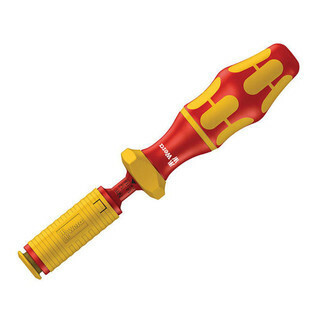
Torque Screwdrivers
-
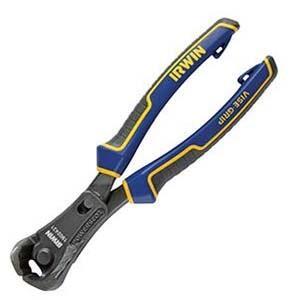
Pliers & Cutters
-
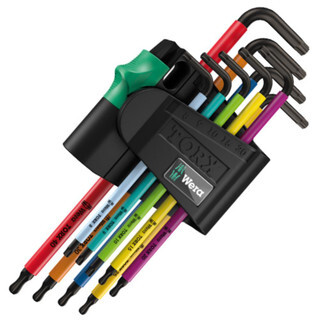
Fastening Tools
-
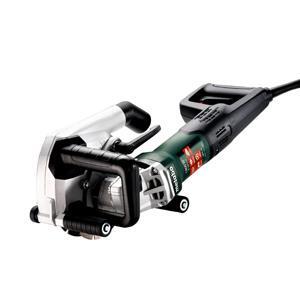
Wall Chasers
-
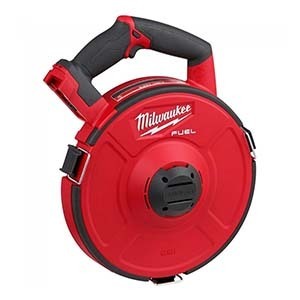
Cable Pullers
-
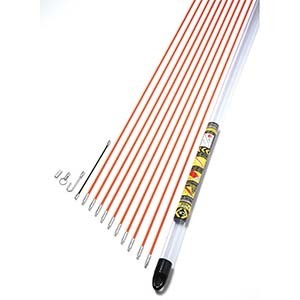
Cable Rods
-
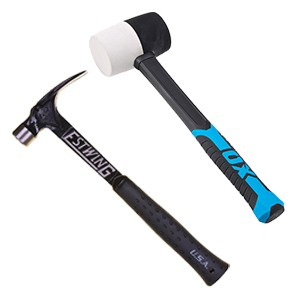
Hammers & Mallets
-
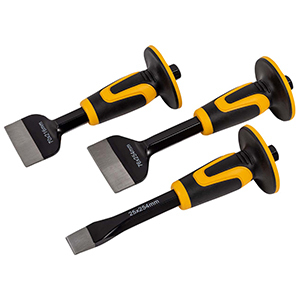
Bolsters & Cold Chisels
-
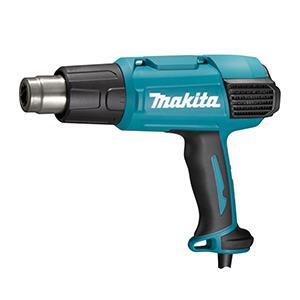
Heat Guns
-
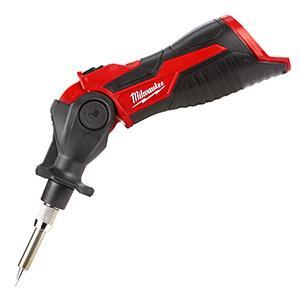
Soldering Irons
-
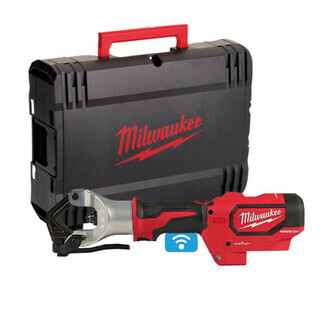
Hydraulic Cable Crimpers
-
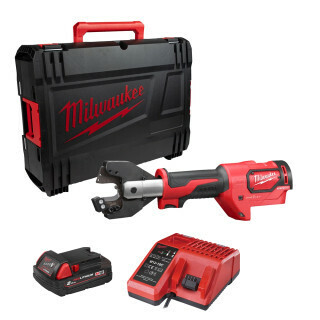
Hydraulic Cable Cutters
-
Rebar & Rod Cutters
-
Ladders
-
Pens, Pencils & Markers
-
Spirit Levels
-
Tape Measures



