Ladders

Ladders are what you reach for when the job is above shoulder height, from first-fix runs to snagging, loft access, and outside maintenance work.

Sorting the right ladders comes down to where you're working and how often you're up and down them. Step ladders suit quick indoor jobs, extension ladders cover outside access, and fibreglass ladders are the safer shout around electrical work. If space in the van matters, telescopic ladders and folding ladders earn their keep. Pick the right height, duty rating, and material, then get the proper access kit on site.

What Jobs Are Ladders Best At?

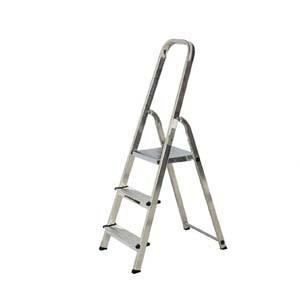
  • Reaching first fix runs, cable trays, pipe clips, and trunking is where step ladders earn their money, especially when you need something stable for repeated up and down work inside occupied buildings.
  • Accessing fascias, gutters, rooflines, and external painting work is better suited to extension ladders, where extra height and proper support matter more than compact storage.
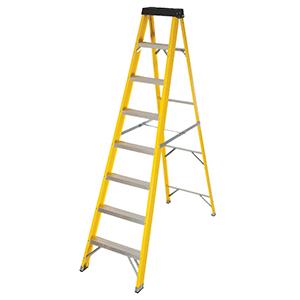
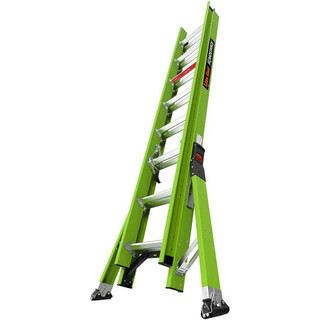
  • Working around live electrical areas or installation zones calls for fibreglass ladders, giving sparks and maintenance teams a safer option than standard aluminium ladders.
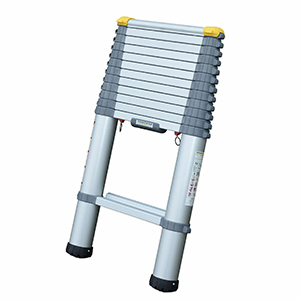
  • Getting into loft hatches, tight service cupboards, and vans with limited storage space is where telescopic ladders and folding ladders make sense, because they pack down small without leaving you short on reach.
  • Handling mixed site work, from stairwells to flat ground and awkward access points, is exactly why combination ladders stay popular with fitters and maintenance teams who need one bit of kit to cover more than one setup.

Who Uses These on Site?

  • Sparkies rely on step ladders and fibreglass ladders for lighting, containment, and board work, especially when they are moving room to room and need safe access around electrical installs.
  • Decorators and maintenance teams use extension ladders for outside walls, fascias, and gutters, where a bit more reach saves dragging towers out for smaller jobs.
  • Chippies and fit-out crews keep folding ladders and combination ladders handy for ceiling work, stud partitions, and second fix, because they cope better with mixed access points across the job.
  • Loft installers and general builders reach for loft ladders and telescopic ladders when access is tight and van space is already full of other gear.
  • Facilities teams, landlords, and snagging crews use trade ladders for all the awkward bits above head height, from swapping fittings to checking leaks and sorting final defects.

Choosing the Right Ladders

Match the ladder to the access job first. If you buy purely for price or storage size, you usually end up short on reach or stability.

1. Step Ladder or Extension Ladder

If you are mainly working indoors and need to climb, stand, and move frequently, step ladders are the straightforward choice. If the job is outside on walls, roof edges, or upper storey access, go with extension ladders and make sure the working height covers the task without overreaching.

2. Aluminium or Fibreglass

Aluminium ladders are lighter to carry and fine for general building, decorating, and maintenance work. If there is any chance you are working near electrics, containment, or live circuits, fibreglass ladders are the safer call and worth the extra weight.

3. One Job or Mixed Access

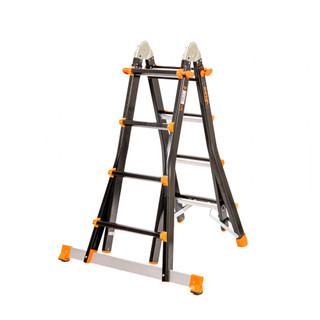
If you do the same kind of access every day, buy the ladder built for that one job. If you are in maintenance, fit-out, or property work and keep hitting stairwells, hallways, and awkward corners, combination ladders and folding ladders give you more setup options without filling the van.

4. Storage and Transport

Do not ignore van length and storage space. Telescopic ladders are handy when space is tight, but if you are up them all day, every day, a full-size trade ladder is usually the better working tool.

Ladder Accessories That Make the Job Safer

A decent ladder matters, but the right add-ons stop slips, wall damage, and wasted time setting up badly.

1. Ladder Stabilisers

A stabiliser gives you a wider, steadier top contact point, which helps on outside work where narrow support can make the ladder feel lively. Well worth it for gutters, fascias, and repeated access work.

2. Stand Offs

These keep the ladder off the wall or guttering so you are not crushing plastic gutters or fighting for hand room at roof level. Handy when you need a bit of clearance to work properly.

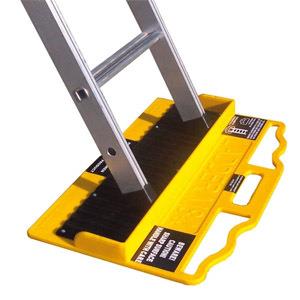
3. Non Slip Feet

Worn feet are one of the quickest ways to make a ladder feel unsafe. Replacing them restores grip on smooth floors and helps stop the base from creeping when you climb.

4. Ladder Ties and Storage Hooks

Ties help secure the ladder properly on site, while storage hooks stop it getting bent, knocked about, or left under a pile of gear in the van or workshop.

Choose the Right Ladders for the Job

Use this as a quick guide before you pick your access kit.

Your Job Ladders or Type Key Features
Indoor electrical, snagging, and room to room work Step ladders or fibreglass ladders Stable self-supporting setup, easy to move, safer around electrics if fibreglass
Outside access to gutters, walls, and roofline work Extension ladders Longer reach, compact when stored, suited to wall access and upper level jobs
Tight vans, small flats, and quick maintenance visits Telescopic ladders Compact storage, fast deployment, useful where transport space is limited
Mixed site work with awkward access points and stairwells Combination ladders or folding ladders Multiple positions, more flexibility, handy for fitters and maintenance teams
Regular loft access and hatch entry Loft ladders Built for hatch access, easier climbing angle, better suited to repeated loft use

Common Buying and Usage Mistakes

  • Buying to stored length instead of working height is a common one. It saves space in the van, but leaves you overreaching on site or one rung short when the real job starts.
  • Using aluminium ladders near electrical work is asking for trouble. If the job involves boards, cables, or live areas, switch to fibreglass ladders and do it properly.
  • Picking telescopic ladders for constant all day use can be the wrong call. They are great for transport and short access jobs, but a full-size trade ladder is often steadier and quicker for repeated climbing.
  • Ignoring feet, locks, and general ladder condition shortens the life of the kit and makes it less safe. Check wear before each job and replace damaged parts before the ladder ends up moving under load.
  • Using the wrong ladder type for the ground or access point wastes time and increases risk. Stairwells, loft hatches, and outside walls all need a ladder that suits the setup, not whatever happens to be nearest.

Step Ladders vs Extension Ladders vs Combination Ladders

Step Ladders

Best for indoor work where you need a self-supporting ladder that moves with you from room to room. They are quicker for first fix, decorating, and maintenance, but they will not give you the reach of extension ladders outside.

Extension Ladders

Best when the job is against a wall and height is the main issue, such as guttering, roofline checks, or external painting. They give proper reach, but need suitable support and are less flexible indoors.

Combination Ladders

Best for trades who bounce between different access setups in the same week. They are useful in stairwells, mixed fit-out, and property maintenance, though they can be bulkier and slower to set up than a dedicated step ladder.

Maintenance and Care

Clean Off Dust and Mud

Wipe ladders down after site use, especially around feet, hinges, and locking parts. Dried plaster, mud, and grit can stop parts seating properly and make the ladder less stable.

Check the Feet and Rungs

Look for worn feet, bent rungs, loose fixings, or split components before each job. If the base has lost grip or the frame has taken a knock, sort it before someone climbs it.

Keep Hinges and Locks Working Properly

On folding ladders, combination ladders, and telescopic ladders, make sure locking points are clean and engaging fully. If they stick or fail to click home, do not chance it.

Store Them Straight and Dry

Do not leave ladders twisted under other gear in the van or soaking outside for weeks. Proper storage helps stop damage to rails, feet, and moving parts.

Replace Worn Parts Before the Whole Ladder Goes

Feet, straps, and some locking parts can often be replaced, which is cheaper than binning otherwise sound kit. If the stiles are bent or the structure is damaged, replace the ladder outright.

Why Shop for Ladders at ITS?

Whether you need trade ladders for daily site work, step ladders for first fix, extension ladders for outside access, or telescopic ladders and loft ladders for tighter spaces, we stock the full range. That includes aluminium ladders, fibreglass ladders, folding ladders, and combination ladders, all held in our own warehouse and ready for next day delivery.

Ladders FAQs

What types of ladders do you sell?

We stock the main ladder types trades actually use, including step ladders, extension ladders, telescopic ladders, fibreglass ladders, aluminium ladders, combination ladders, loft ladders, and folding ladders. That means you can sort anything from indoor first fix and maintenance work through to outside access and loft entry without making do with the wrong setup.

What is the difference between step ladders and combination ladders?

Step ladders are simpler and quicker for straightforward indoor work because they are self-supporting and easy to move around. Combination ladders do more, which is handy for mixed access work, stairwells, and awkward spots, but they are usually bulkier and take a bit longer to set up.

Which ladder is best for trade site work?

That depends on the trade and the job, but proper trade ladders with a solid duty rating are the starting point. For indoor repeated access, most trades will want step ladders. For outside height work, extension ladders are the usual answer. For electrical jobs, fibreglass ladders are the safer choice.

Should I choose aluminium ladders or fibreglass ladders?

Aluminium ladders are lighter and easier to carry, so they suit general building, decorating, and maintenance work well. Fibreglass ladders are heavier, but if you are working near electrics they are the better call. Be honest about the job. Saving weight is not worth it if the work area says fibreglass.

What size extension ladder do I need?

Buy for working height, not just closed length. You need enough ladder to reach the job without standing too high or leaning out. If you are regularly hitting first floor gutters or roofline work, go bigger than you think, within safe use limits, because being one section short is no use to anyone.

Are telescopic ladders suitable for professional use?

Yes, for the right kind of work. Telescopic ladders are useful for maintenance visits, snagging, and jobs where van space is tight. They are not always the best choice for heavy all day access work, where a full-size trade ladder will usually feel steadier and faster to use.

What ladder accessories help improve safety?

Stabilisers, stand offs, sound non slip feet, and proper ladder ties all make a real difference. The right accessory improves footing, support, and setup, and it can stop damage to walls or guttering at the same time. Skipping them to save a few quid is false economy.

Which ladder is best for loft access?

For regular loft entry, loft ladders are the proper answer because they are built around hatch access and repeated use. For occasional loft checks where space is tight, a telescopic ladder can work, but if you are in and out often, a dedicated loft setup is the better long term option.

Read more

Ladders

Ladders are what you reach for when the job is above shoulder height, from first-fix runs to snagging, loft access, and outside maintenance work.

Sorting the right ladders comes down to where you're working and how often you're up and down them. Step ladders suit quick indoor jobs, extension ladders cover outside access, and fibreglass ladders are the safer shout around electrical work. If space in the van matters, telescopic ladders and folding ladders earn their keep. Pick the right height, duty rating, and material, then get the proper access kit on site.

What Jobs Are Ladders Best At?

  • Reaching first fix runs, cable trays, pipe clips, and trunking is where step ladders earn their money, especially when you need something stable for repeated up and down work inside occupied buildings.
  • Accessing fascias, gutters, rooflines, and external painting work is better suited to extension ladders, where extra height and proper support matter more than compact storage.
  • Working around live electrical areas or installation zones calls for fibreglass ladders, giving sparks and maintenance teams a safer option than standard aluminium ladders.
  • Getting into loft hatches, tight service cupboards, and vans with limited storage space is where telescopic ladders and folding ladders make sense, because they pack down small without leaving you short on reach.
  • Handling mixed site work, from stairwells to flat ground and awkward access points, is exactly why combination ladders stay popular with fitters and maintenance teams who need one bit of kit to cover more than one setup.

Who Uses These on Site?

  • Sparkies rely on step ladders and fibreglass ladders for lighting, containment, and board work, especially when they are moving room to room and need safe access around electrical installs.
  • Decorators and maintenance teams use extension ladders for outside walls, fascias, and gutters, where a bit more reach saves dragging towers out for smaller jobs.
  • Chippies and fit-out crews keep folding ladders and combination ladders handy for ceiling work, stud partitions, and second fix, because they cope better with mixed access points across the job.
  • Loft installers and general builders reach for loft ladders and telescopic ladders when access is tight and van space is already full of other gear.
  • Facilities teams, landlords, and snagging crews use trade ladders for all the awkward bits above head height, from swapping fittings to checking leaks and sorting final defects.

Choosing the Right Ladders

Match the ladder to the access job first. If you buy purely for price or storage size, you usually end up short on reach or stability.

1. Step Ladder or Extension Ladder

If you are mainly working indoors and need to climb, stand, and move frequently, step ladders are the straightforward choice. If the job is outside on walls, roof edges, or upper storey access, go with extension ladders and make sure the working height covers the task without overreaching.

2. Aluminium or Fibreglass

Aluminium ladders are lighter to carry and fine for general building, decorating, and maintenance work. If there is any chance you are working near electrics, containment, or live circuits, fibreglass ladders are the safer call and worth the extra weight.

3. One Job or Mixed Access

If you do the same kind of access every day, buy the ladder built for that one job. If you are in maintenance, fit-out, or property work and keep hitting stairwells, hallways, and awkward corners, combination ladders and folding ladders give you more setup options without filling the van.

4. Storage and Transport

Do not ignore van length and storage space. Telescopic ladders are handy when space is tight, but if you are up them all day, every day, a full-size trade ladder is usually the better working tool.

Ladder Accessories That Make the Job Safer

A decent ladder matters, but the right add-ons stop slips, wall damage, and wasted time setting up badly.

1. Ladder Stabilisers

A stabiliser gives you a wider, steadier top contact point, which helps on outside work where narrow support can make the ladder feel lively. Well worth it for gutters, fascias, and repeated access work.

2. Stand Offs

These keep the ladder off the wall or guttering so you are not crushing plastic gutters or fighting for hand room at roof level. Handy when you need a bit of clearance to work properly.

3. Non Slip Feet

Worn feet are one of the quickest ways to make a ladder feel unsafe. Replacing them restores grip on smooth floors and helps stop the base from creeping when you climb.

4. Ladder Ties and Storage Hooks

Ties help secure the ladder properly on site, while storage hooks stop it getting bent, knocked about, or left under a pile of gear in the van or workshop.

Choose the Right Ladders for the Job

Use this as a quick guide before you pick your access kit.

Your Job Ladders or Type Key Features
Indoor electrical, snagging, and room to room work Step ladders or fibreglass ladders Stable self-supporting setup, easy to move, safer around electrics if fibreglass
Outside access to gutters, walls, and roofline work Extension ladders Longer reach, compact when stored, suited to wall access and upper level jobs
Tight vans, small flats, and quick maintenance visits Telescopic ladders Compact storage, fast deployment, useful where transport space is limited
Mixed site work with awkward access points and stairwells Combination ladders or folding ladders Multiple positions, more flexibility, handy for fitters and maintenance teams
Regular loft access and hatch entry Loft ladders Built for hatch access, easier climbing angle, better suited to repeated loft use

Common Buying and Usage Mistakes

  • Buying to stored length instead of working height is a common one. It saves space in the van, but leaves you overreaching on site or one rung short when the real job starts.
  • Using aluminium ladders near electrical work is asking for trouble. If the job involves boards, cables, or live areas, switch to fibreglass ladders and do it properly.
  • Picking telescopic ladders for constant all day use can be the wrong call. They are great for transport and short access jobs, but a full-size trade ladder is often steadier and quicker for repeated climbing.
  • Ignoring feet, locks, and general ladder condition shortens the life of the kit and makes it less safe. Check wear before each job and replace damaged parts before the ladder ends up moving under load.
  • Using the wrong ladder type for the ground or access point wastes time and increases risk. Stairwells, loft hatches, and outside walls all need a ladder that suits the setup, not whatever happens to be nearest.

Step Ladders vs Extension Ladders vs Combination Ladders

Step Ladders

Best for indoor work where you need a self-supporting ladder that moves with you from room to room. They are quicker for first fix, decorating, and maintenance, but they will not give you the reach of extension ladders outside.

Extension Ladders

Best when the job is against a wall and height is the main issue, such as guttering, roofline checks, or external painting. They give proper reach, but need suitable support and are less flexible indoors.

Combination Ladders

Best for trades who bounce between different access setups in the same week. They are useful in stairwells, mixed fit-out, and property maintenance, though they can be bulkier and slower to set up than a dedicated step ladder.

Maintenance and Care

Clean Off Dust and Mud

Wipe ladders down after site use, especially around feet, hinges, and locking parts. Dried plaster, mud, and grit can stop parts seating properly and make the ladder less stable.

Check the Feet and Rungs

Look for worn feet, bent rungs, loose fixings, or split components before each job. If the base has lost grip or the frame has taken a knock, sort it before someone climbs it.

Keep Hinges and Locks Working Properly

On folding ladders, combination ladders, and telescopic ladders, make sure locking points are clean and engaging fully. If they stick or fail to click home, do not chance it.

Store Them Straight and Dry

Do not leave ladders twisted under other gear in the van or soaking outside for weeks. Proper storage helps stop damage to rails, feet, and moving parts.

Replace Worn Parts Before the Whole Ladder Goes

Feet, straps, and some locking parts can often be replaced, which is cheaper than binning otherwise sound kit. If the stiles are bent or the structure is damaged, replace the ladder outright.

Why Shop for Ladders at ITS?

Whether you need trade ladders for daily site work, step ladders for first fix, extension ladders for outside access, or telescopic ladders and loft ladders for tighter spaces, we stock the full range. That includes aluminium ladders, fibreglass ladders, folding ladders, and combination ladders, all held in our own warehouse and ready for next day delivery.

Ladders FAQs

What types of ladders do you sell?

We stock the main ladder types trades actually use, including step ladders, extension ladders, telescopic ladders, fibreglass ladders, aluminium ladders, combination ladders, loft ladders, and folding ladders. That means you can sort anything from indoor first fix and maintenance work through to outside access and loft entry without making do with the wrong setup.

What is the difference between step ladders and combination ladders?

Step ladders are simpler and quicker for straightforward indoor work because they are self-supporting and easy to move around. Combination ladders do more, which is handy for mixed access work, stairwells, and awkward spots, but they are usually bulkier and take a bit longer to set up.

Which ladder is best for trade site work?

That depends on the trade and the job, but proper trade ladders with a solid duty rating are the starting point. For indoor repeated access, most trades will want step ladders. For outside height work, extension ladders are the usual answer. For electrical jobs, fibreglass ladders are the safer choice.

Should I choose aluminium ladders or fibreglass ladders?

Aluminium ladders are lighter and easier to carry, so they suit general building, decorating, and maintenance work well. Fibreglass ladders are heavier, but if you are working near electrics they are the better call. Be honest about the job. Saving weight is not worth it if the work area says fibreglass.

What size extension ladder do I need?

Buy for working height, not just closed length. You need enough ladder to reach the job without standing too high or leaning out. If you are regularly hitting first floor gutters or roofline work, go bigger than you think, within safe use limits, because being one section short is no use to anyone.

Are telescopic ladders suitable for professional use?

Yes, for the right kind of work. Telescopic ladders are useful for maintenance visits, snagging, and jobs where van space is tight. They are not always the best choice for heavy all day access work, where a full-size trade ladder will usually feel steadier and faster to use.

What ladder accessories help improve safety?

Stabilisers, stand offs, sound non slip feet, and proper ladder ties all make a real difference. The right accessory improves footing, support, and setup, and it can stop damage to walls or guttering at the same time. Skipping them to save a few quid is false economy.

Which ladder is best for loft access?

For regular loft entry, loft ladders are the proper answer because they are built around hatch access and repeated use. For occasional loft checks where space is tight, a telescopic ladder can work, but if you are in and out often, a dedicated loft setup is the better long term option.

ITS Click and Collect Icon
What3Words:
Get Directions
Store Opening Hours
Opening times