Ladders
Ladders are the bit of kit you grab when the job's overhead and the footing still matters. Trade ladders give you safe access for installs, snagging, roofing and maintenance.
If you're up and down all day, don't mess about with flimsy domestic gear. These ladders are built for site work, from first fix and decorating to roof access and routine maintenance. Pick the right style for the height, ground and trade, and you'll work safer, quicker, and with less faff getting into position.
What Are Ladders Used For?
- Reaching ceiling level for first fix electrics, pipe clips, alarm installs and light fitting swaps where you need quick access without setting up a tower.
- Working along walls for decorating, plaster touch-ups and snagging, where a stable set of steps saves dragging hop-ups from room to room.
- Getting safe external access for gutter clearing, fascia work, window maintenance and roof edge checks on domestic and light commercial jobs.
- Loading, picking and maintenance work in warehouses, workshops and stores where trade ladders give you proper height without balancing on racking or benches.
- Handling site jobs on uneven or awkward access points where the right ladder type makes all the difference between getting on with it and wasting half the morning.
Choosing the Right Ladders
Sorting the right ladder is simple: match it to the working height, the ground under it, and how often you'll actually be carrying it.
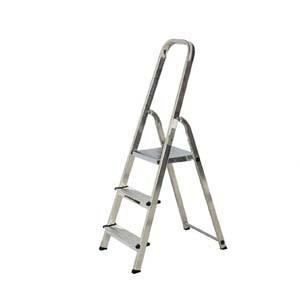
1. Step Ladders for Indoor, Up and Down Work
If you're fitting lights, decorating, or doing snagging inside, step ladders are usually the right call. They stand on their own, move quickly, and suit jobs where you're repositioning every few minutes.
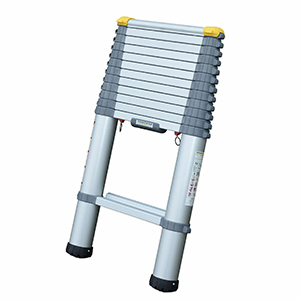
2. Extension Ladders for Outside Height
If the job is gutters, roofline, upper windows or access onto a roof, look at extension ladders. Just don't buy too short and start overreaching, because that's when simple jobs turn unsafe.
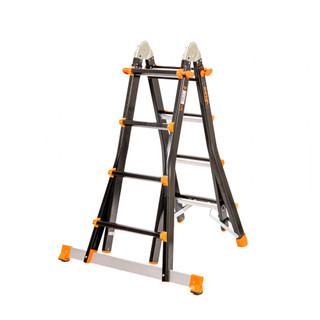
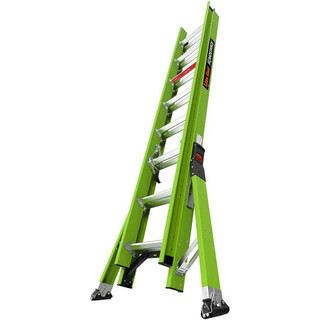
3. Combination Ladders for Mixed Jobs
If your work changes from room to room and site to site, combination ladders earn their keep. They suit trades who need more than one setup without filling the van with separate bits of access kit.
4. Aluminium or Fibreglass
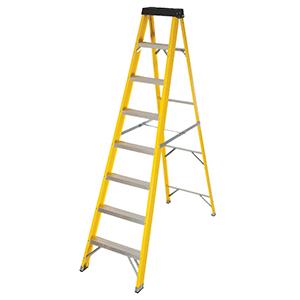
Aluminium ladders keep weight down, which matters if you're hauling them in and out all day. If you're around live electrical work, fibreglass ladders are the safer option and worth the extra bulk.
Who Uses These on Site?
- Sparkies use ladders for ceiling runs, containment, detectors and second fix fittings, and most keep a reliable set of steps on the van for quick indoor work.
- Decorators swear by them for cutting in, prep and snagging because the right ladder is easier to move room to room and less hassle than bigger access kit.
- Roofers, guttering installers and general builders use longer ladders for access up to eaves level, inspection work and short-duration jobs where setup speed matters.
- Facilities teams and maintenance fitters rely on trade ladders for day-to-day access in schools, offices, shops and plant rooms where jobs are constant and varied.
- Joiners and kitchen fitters use them for cornice work, boxing in and top-unit installs, especially when working in finished spaces where you need clean, controlled access.
Ladder Extras That Make the Job Easier
A few proper add-ons can stop slip, damage and repeat trips back to the van.
1. Ladder Stays
A ladder stay gives you a wider contact point at the top, which helps around gutters and windows and stops that awkward crushed-fascia problem on outside jobs.
2. Replacement Feet
Worn feet are one of those things lads ignore until the ladder starts shifting on smooth ground. Change them before grip goes and the whole setup feels sketchy.
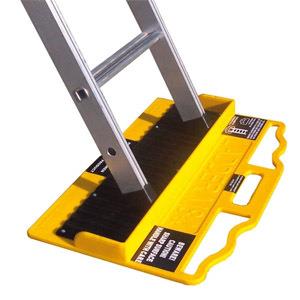
3. Ladder Mat or Levelling Base
If you're setting up on paving, slabs or slightly uneven ground, a proper base helps keep the ladder planted instead of rocking about while you're trying to work.
Choose the Right Ladders for the Job
Use this quick guide to narrow down the right ladder type for the work in front of you.
| Your Job | Ladder or Type | Key Features |
|---|---|---|
| Indoor fitting, decorating and snagging | Step ladder | Self-supporting setup, easy to move, good for repeated short access jobs |
| Gutter work, roof access and upstairs externals | Extension ladder | Long reach, compact transport length, suited to wall-supported access |
| Mixed maintenance work across different sites | Combination ladder | Multiple positions, flexible setup, useful when van space is tight |
| Electrical installs and testing work | Fibreglass ladder | Non-conductive rails, safer around electrics, built for trade use |
| Daily van use where weight matters | Aluminium ladder | Lighter to carry, quick to deploy, ideal for frequent repositioning |
Common Buying and Usage Mistakes
- Buying by stored length instead of working height is a classic mistake. You end up one rung short and start overreaching, so always check the actual safe working height first.
- Using a domestic ladder on regular site work usually ends in bent stiles, loose feet or wobble. If it is going on the van every day, buy trade ladders from the start.
- Ignoring the ground conditions causes half the trouble with ladder use. Wet slabs, gravel and uneven paths need the right footing or support, not a quick guess and hope for the best.
- Choosing aluminium for electrical work without thinking it through is a bad call. If you're anywhere near live risk, move to fibreglass and remove that problem properly.
- Keeping a ladder in use with worn feet or damaged rungs is false economy. Replace service parts where you can, and if the structure is compromised, retire it before it bites you.
Step Ladders vs Extension Ladders vs Combination Ladders
Step Ladders
Best for indoor work where you need to get up, do the task, move on and repeat. They are quicker in finished rooms and tight spaces, but they will not give you the reach of a proper extension ladder outside.
Extension Ladders
These are the better option for outside height and access onto buildings. They reach where steps cannot, but they need a sound surface and support point, so they are less handy for constant repositioning indoors.
Combination Ladders
A good choice if you cover varied maintenance work and cannot justify carrying several ladder types. They are versatile, but usually a bit heavier and more fiddly than a simple dedicated ladder.
Aluminium vs Fibreglass
Aluminium ladders are lighter and easier on the shoulders for daily van use. Fibreglass ladders are the better pick for electrical environments, even if they are bulkier to move about.
Maintenance and Care
Check Feet and Rungs Regularly
Have a look before each shift for worn feet, loose fixings, bent rungs or damaged locking points. Most ladder problems show up early if you stop and inspect them properly.
Keep Them Clean
Mud, plaster dust and paint build-up make ladders more slippery to handle and can hide damage. A basic clean down after rough jobs keeps grip points and moving parts working as they should.
Store Them Dry and Supported
Do not leave ladders dumped on uneven ground or sat in standing water behind the unit. Store them flat or properly racked so they stay straight and ready for the next job.
Look After Locks and Slides
On extension and combination types, make sure catches, hinges and sliding sections stay free from grit and damage. If they stop locking cleanly, sort it before anyone climbs it.
Know When to Retire One
Scratches and site wear are one thing, but bent stiles, cracked rails and damaged structural joints are another. Once the main frame is compromised, replacement is the safe answer.
Why Shop for Ladders at ITS?
Whether you need a compact set of trade steps, a full-length construction ladder, or versatile access kit from our wider access and benches range, we stock the lot. From aluminium ladders to site-ready options for different trades, it is all in our own warehouse and ready for next day delivery across the UK.
Ladders FAQs
Is there a 7 ft step ladder?
Yes, 7 ft step ladders are available and they are a common pick when standard household heights are not enough. Just check the platform height and safe working height rather than buying on the 7 ft label alone, because that is what tells you whether it actually suits the job.
What type of ladder is safest for trade use?
The safest ladder is the one matched properly to the task, surface and working height. For indoor fit-out, a solid trade step ladder is usually the safest option. For electrical work, fibreglass is the better call. For outside access, a correctly sized extension ladder with good footing is safer than stretching from something too short.
How do I choose the right ladder length?
Start with the height you need to work at, then allow for safe standing positions and setup angle. Do not buy a ladder that only just gets you there, because you'll end up leaning and overreaching. For trade use, a bit of extra safe reach is far better than coming up short on site.
Are aluminium ladders good enough for daily site use?
Yes, if they are proper trade-rated aluminium ladders, they are well suited to daily van use because they are lighter to carry and quick to deploy. They are not the right choice near live electrical risk though, so keep the job type in mind before you buy.
Do combination ladders replace separate ladders properly?
They can do, especially for maintenance teams and mixed-trade work where jobs change constantly. The trade-off is weight and setup time. If you mainly do one sort of task, a dedicated ladder is often quicker and less hassle day to day.
Can I use the same ladder for roofing and indoor snagging?
You can, but it is rarely the best setup. A long ladder suited to roof access is awkward indoors, and a small step ladder is no good for outside height. If you cover both, that is where combination ladders or a two-ladder setup usually makes more sense.