Work Clothes

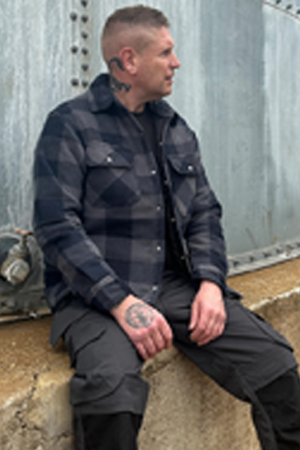
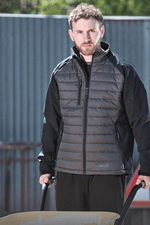
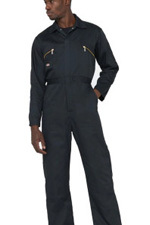
Work clothes are what keep you moving on site without rips, rubs, or soaked layers slowing you down.

When you're in and out of lofts, kneeling on concrete, or working outside in all weathers, proper workwear matters. This range covers heavy duty work clothes for construction, plus breathable, comfortable everyday work clothes for men and women. Get your layers right, keep your pockets useful, and pick kit that'll take abuse shift after shift.

What Jobs Are Work Clothes Best At?

  • Working through first fix and second fix without tearing knees and pockets to bits, because hard wearing work trousers and reinforced seams take the daily crawling, lifting, and ladder work.
  • Outdoor graft in changeable UK weather, where weatherproof workwear and proper layering keeps you dry and warm without ending up sweaty and clammy by mid-morning.
  • Trade workwear for sparks, plumbers, and chippies who need pockets that actually carry testers, fixings, and hand tools without everything digging in or falling out when you're up steps.
  • Maintenance and industrial work clothing jobs where you're constantly in and out of plant rooms, risers, and service cupboards, so durable workwear stops snagging and stands up to knocks.
  • Landscaping and groundworks days where mud, sharp edges, and wet grass ruin cheap gear fast, so heavy duty work clothes keep you protected and save you replacing kit every month.

Choosing the Right Work Clothes

Sort your workwear like you sort your tools: buy for the job you do most days, not the one-off.

1. Heavy duty vs everyday work clothes

If you're on construction work five days a week, go heavy duty work clothes with reinforced knees and tough fabric because light gear won't last. If you're doing maintenance or mixed work, everyday work clothes with a bit more flex can be more comfortable without feeling bulky.

2. Weatherproof workwear and layering

If you're outside or on open sites, prioritise weatherproof workwear and plan layers so you can strip down when you're moving. If you're mostly indoors, breathable workwear matters more than big insulated jackets that leave you sweating on ladders.

3. Fit and movement for men and women

Mens work clothes and womens work clothes are cut differently for a reason, so do not just size up and hope for the best. If you're bending, kneeling, and climbing all day, get a fit that lets you move without the waistband dropping or the crotch pulling, otherwise you'll hate wearing it by lunch.

4. Pockets and protection

If you carry tools and fixings, choose site workwear with pockets you will actually use, not just loads of flaps that snag. If your work needs extra protection, look for protective workwear that pairs properly with your PPE, so you are not fighting your own clothing all day.

Work Clothes and Workwear FAQs

What is the difference between everyday work clothes and heavy duty work clothes?

Everyday work clothes are about comfort and flexibility for mixed tasks, driving, and lighter site duties. Heavy duty work clothes use tougher fabrics and reinforcement in wear areas like knees and seat, which is what you want for construction, groundworks, and constant kneeling.

Do I need weatherproof workwear if I already wear a hoodie and a cheap raincoat?

If you are outside regularly, yes, because cheap waterproofs tend to soak through or tear when they catch on materials. Proper weatherproof workwear is built for site movement and abrasion, and it works best with a breathable layer underneath so you do not end up wet from sweat.

Are mens work clothes and womens work clothes actually different, or is it just sizing?

They are often cut differently through waist, hips, and leg shape, not just sized down. That matters on site because a better cut means less waistband slip, less rubbing, and more freedom to kneel, climb, and stretch without fighting the fabric.

What should I look for in construction work clothes so they do not rip quickly?

Start with reinforcement at knees and seat, strong stitching on pocket edges, and a fabric that feels tough rather than thin and stretchy. If you are hard on gear, knee pads also make a big difference because they stop you grinding the trouser knee into concrete and debris.

Is breathable workwear still warm enough in winter?

Yes, if you layer it properly. Breathable workwear helps move sweat away, and you add warmth with a mid-layer and a weatherproof outer when needed. The warmest setup on site is usually the one that stays dry inside, not the thickest single jacket.

What workwear do electricians and plumbers usually go for?

Sparks tend to want lighter, flexible site workwear for lofts, ladders, and second fix, with pockets that hold small tools and fixings without snagging. Plumbers often favour tougher trousers and layers that stand up to kneeling in cupboards and plant rooms, plus workwear that moves well when you are twisting into awkward spaces.

Who Are These Work Clothes For on Site?

  • Builders and construction crews who need builders workwear that survives brick dust, sharp edges, and constant kneeling without splitting at the seams.
  • Electricians who want workwear that's comfortable in tight lofts and under floors, with pockets laid out for hand tools, fixings, and a tester.
  • Plumbers and heating engineers who live in plant rooms and under sinks, where tough work clothes stop snags and give you the stretch to move properly.
  • Carpenters and joiners doing first fix and fit-out, where durable workwear with usable pockets saves time and keeps kit to hand.
  • Mechanics, landscapers, and maintenance teams who need industrial work clothing that can take oil, grime, and wet days without falling apart.

How Workwear Works for You

Good work clothes are a system: base layer, hard-wearing outer, and weather protection you can add or drop as the job changes.

1. Layering (Stay warm without sweating)

Start with breathable workwear next to skin, then add a mid-layer for warmth, and finish with weatherproof workwear when you're exposed. Done right, you stay dry from rain and from sweat, which is what actually makes you cold on long days.

2. Reinforcement where it wears out first

Knees, seat, hems, and pocket edges take the hammering on construction work clothes. Reinforced panels and tougher fabric in those zones is what stops blow-outs when you're kneeling on concrete, climbing in and out the van, or snagging on rebar and sharp edges.

3. Comfort is productivity

Comfortable work clothes are not a luxury, they stop rubbing, overheating, and constant adjusting. When your fit is right and your pockets sit properly, you move faster and you are not distracted on steps, scaffold, or in tight spaces.

Workwear Add-Ons That Make a Difference on Site

A few simple extras stop wet days, sore knees, and lost tools turning into a long shift.

1. Knee Pads

If you're flooring, first fix, or constantly down on concrete, knee pads are non-negotiable. They save your joints and stop you shredding the knees of your trousers on the jobs where you are up and down all day.

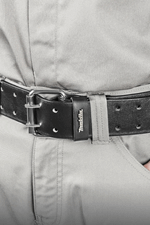
2. Work Belts and Tool Pouches

A decent belt and pouch keeps fixings and hand tools to hand, so you are not climbing down steps every five minutes. It also stops pockets sagging and ripping when you load them up with screws, fittings, and a tape.

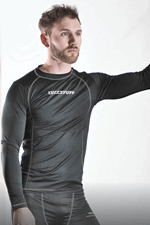
3. Base Layers and Thermals

Base layers are what make weatherproof workwear actually work, because they manage sweat. If you're outdoors, thermals stop that cold, damp feeling that hits when you slow down after a heavy push.

4. Work Socks

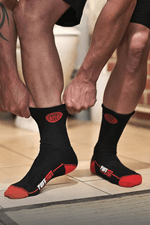
Good socks sound boring until you've done ten hours in wet boots. A proper pair reduces rubbing and keeps feet warmer, which matters when you are on concrete floors or outside all day.

Shop Work Clothes at ITS.co.uk

Whether you need tough trade workwear for construction, breathable everyday work clothes, or mens and womens workwear that fits properly, we stock the full range in all the key sizes and types. It's all in our own warehouse, in stock and ready for next day delivery, so you can get kitted out before the next shift.
Read more

Work Clothes

Work clothes are what keep you moving on site without rips, rubs, or soaked layers slowing you down.

When you're in and out of lofts, kneeling on concrete, or working outside in all weathers, proper workwear matters. This range covers heavy duty work clothes for construction, plus breathable, comfortable everyday work clothes for men and women. Get your layers right, keep your pockets useful, and pick kit that'll take abuse shift after shift.

What Jobs Are Work Clothes Best At?

  • Working through first fix and second fix without tearing knees and pockets to bits, because hard wearing work trousers and reinforced seams take the daily crawling, lifting, and ladder work.
  • Outdoor graft in changeable UK weather, where weatherproof workwear and proper layering keeps you dry and warm without ending up sweaty and clammy by mid-morning.
  • Trade workwear for sparks, plumbers, and chippies who need pockets that actually carry testers, fixings, and hand tools without everything digging in or falling out when you're up steps.
  • Maintenance and industrial work clothing jobs where you're constantly in and out of plant rooms, risers, and service cupboards, so durable workwear stops snagging and stands up to knocks.
  • Landscaping and groundworks days where mud, sharp edges, and wet grass ruin cheap gear fast, so heavy duty work clothes keep you protected and save you replacing kit every month.

Choosing the Right Work Clothes

Sort your workwear like you sort your tools: buy for the job you do most days, not the one-off.

1. Heavy duty vs everyday work clothes

If you're on construction work five days a week, go heavy duty work clothes with reinforced knees and tough fabric because light gear won't last. If you're doing maintenance or mixed work, everyday work clothes with a bit more flex can be more comfortable without feeling bulky.

2. Weatherproof workwear and layering

If you're outside or on open sites, prioritise weatherproof workwear and plan layers so you can strip down when you're moving. If you're mostly indoors, breathable workwear matters more than big insulated jackets that leave you sweating on ladders.

3. Fit and movement for men and women

Mens work clothes and womens work clothes are cut differently for a reason, so do not just size up and hope for the best. If you're bending, kneeling, and climbing all day, get a fit that lets you move without the waistband dropping or the crotch pulling, otherwise you'll hate wearing it by lunch.

4. Pockets and protection

If you carry tools and fixings, choose site workwear with pockets you will actually use, not just loads of flaps that snag. If your work needs extra protection, look for protective workwear that pairs properly with your PPE, so you are not fighting your own clothing all day.

Work Clothes and Workwear FAQs

What is the difference between everyday work clothes and heavy duty work clothes?

Everyday work clothes are about comfort and flexibility for mixed tasks, driving, and lighter site duties. Heavy duty work clothes use tougher fabrics and reinforcement in wear areas like knees and seat, which is what you want for construction, groundworks, and constant kneeling.

Do I need weatherproof workwear if I already wear a hoodie and a cheap raincoat?

If you are outside regularly, yes, because cheap waterproofs tend to soak through or tear when they catch on materials. Proper weatherproof workwear is built for site movement and abrasion, and it works best with a breathable layer underneath so you do not end up wet from sweat.

Are mens work clothes and womens work clothes actually different, or is it just sizing?

They are often cut differently through waist, hips, and leg shape, not just sized down. That matters on site because a better cut means less waistband slip, less rubbing, and more freedom to kneel, climb, and stretch without fighting the fabric.

What should I look for in construction work clothes so they do not rip quickly?

Start with reinforcement at knees and seat, strong stitching on pocket edges, and a fabric that feels tough rather than thin and stretchy. If you are hard on gear, knee pads also make a big difference because they stop you grinding the trouser knee into concrete and debris.

Is breathable workwear still warm enough in winter?

Yes, if you layer it properly. Breathable workwear helps move sweat away, and you add warmth with a mid-layer and a weatherproof outer when needed. The warmest setup on site is usually the one that stays dry inside, not the thickest single jacket.

What workwear do electricians and plumbers usually go for?

Sparks tend to want lighter, flexible site workwear for lofts, ladders, and second fix, with pockets that hold small tools and fixings without snagging. Plumbers often favour tougher trousers and layers that stand up to kneeling in cupboards and plant rooms, plus workwear that moves well when you are twisting into awkward spaces.

Who Are These Work Clothes For on Site?

  • Builders and construction crews who need builders workwear that survives brick dust, sharp edges, and constant kneeling without splitting at the seams.
  • Electricians who want workwear that's comfortable in tight lofts and under floors, with pockets laid out for hand tools, fixings, and a tester.
  • Plumbers and heating engineers who live in plant rooms and under sinks, where tough work clothes stop snags and give you the stretch to move properly.
  • Carpenters and joiners doing first fix and fit-out, where durable workwear with usable pockets saves time and keeps kit to hand.
  • Mechanics, landscapers, and maintenance teams who need industrial work clothing that can take oil, grime, and wet days without falling apart.

How Workwear Works for You

Good work clothes are a system: base layer, hard-wearing outer, and weather protection you can add or drop as the job changes.

1. Layering (Stay warm without sweating)

Start with breathable workwear next to skin, then add a mid-layer for warmth, and finish with weatherproof workwear when you're exposed. Done right, you stay dry from rain and from sweat, which is what actually makes you cold on long days.

2. Reinforcement where it wears out first

Knees, seat, hems, and pocket edges take the hammering on construction work clothes. Reinforced panels and tougher fabric in those zones is what stops blow-outs when you're kneeling on concrete, climbing in and out the van, or snagging on rebar and sharp edges.

3. Comfort is productivity

Comfortable work clothes are not a luxury, they stop rubbing, overheating, and constant adjusting. When your fit is right and your pockets sit properly, you move faster and you are not distracted on steps, scaffold, or in tight spaces.

Workwear Add-Ons That Make a Difference on Site

A few simple extras stop wet days, sore knees, and lost tools turning into a long shift.

1. Knee Pads

If you're flooring, first fix, or constantly down on concrete, knee pads are non-negotiable. They save your joints and stop you shredding the knees of your trousers on the jobs where you are up and down all day.

2. Work Belts and Tool Pouches

A decent belt and pouch keeps fixings and hand tools to hand, so you are not climbing down steps every five minutes. It also stops pockets sagging and ripping when you load them up with screws, fittings, and a tape.

3. Base Layers and Thermals

Base layers are what make weatherproof workwear actually work, because they manage sweat. If you're outdoors, thermals stop that cold, damp feeling that hits when you slow down after a heavy push.

4. Work Socks

Good socks sound boring until you've done ten hours in wet boots. A proper pair reduces rubbing and keeps feet warmer, which matters when you are on concrete floors or outside all day.

Shop Work Clothes at ITS.co.uk

Whether you need tough trade workwear for construction, breathable everyday work clothes, or mens and womens workwear that fits properly, we stock the full range in all the key sizes and types. It's all in our own warehouse, in stock and ready for next day delivery, so you can get kitted out before the next shift.
ITS Click and Collect Icon
Store Opening Hours
Opening times