Heated Clothing
Heated hoodies keep you working when the cold gets into your back and shoulders, giving steady warmth on site, in the van, or out in the yard.
If you're doing early starts, cold fixings, or long days in half-finished buildings, a heated hoodie or heated jumper takes the edge off without bulking you up like a big coat. Good heated hoodies are popular with sparks, chippies, fitters and yard teams who still need free movement, decent battery run time, and heat where it actually helps. If you need more outer-layer cover, look at Heated Jackets, or for a lighter bodywarmer option check Heated Gilets. For proper layering underneath, Thermal Clothing (First Layer) and Heated Thermal Clothing are worth a look too. If you already know a hoodie is the right call, head straight to Heated Hoodies and get sorted.
What Are Heated Hoodies Used For?
- Working first fix in unheated plots, a heated hoodie keeps your core warm while you are up ladders, pulling cable, or drilling into cold block all day.
- Loading vans and shifting gear round the yard on winter mornings, a heated jumper takes the sting out of standing still between jobs.
- Handling outdoor repairs, fencing, roofing prep, or gate installs, these heated hoodies give warmth without the bulk of a heavy coat getting in the way.
- Wearing under a shell or site jacket, a thermal hoodie adds controllable heat for jobs where the weather changes but the work does not stop.
- Travelling between callouts, a heated hoody is handy for engineers and fitters who are in and out the van and do not want to keep adding and stripping layers.
Choosing the Right Heated Hoodie
Match it to how you actually work in the cold. If it gets in the way or runs flat by lunch, it is the wrong one.
1. Hoodie or Jacket
If you are mainly indoors on cold sites or under cover, a heated hoodie or heated jumper is usually enough and gives better movement. If you are out in wind and rain most of the day, go up to a heated jacket with a proper outer shell.
2. Battery Platform
If the hoodie runs off a battery system you already own, that is normally the smart buy. It saves carrying odd chargers and spare packs just for one bit of clothing.
3. Fit for Layering
If you want it as a mid layer, do not buy it too bulky. You need enough room for a base layer underneath, but still slim enough to sit under a shell or hi vis coat without bunching up.
4. Heat Zones and Run Time
Check where the heating panels sit and how long they run on the settings you will really use. Lower back and chest warmth matters more on site than pointless extra padding in places that do not help.
Who Uses These on Site?
- Sparkies wear heated hoodies for first fix and outside containment work because they stay warm without losing arm movement when reaching overhead or into risers.
- Chippies and fitters swear by a mens heated hoodie on snagging, kitchen installs, and cold internal jobs where a bulky jacket just catches on everything.
- Groundworkers, landscapers, and fencing teams use a heated jumper for early starts when you are standing about setting out before the real graft gets going.
- Maintenance engineers and service teams keep one in the van for callouts, especially when the job means moving between heated buildings and freezing plant rooms.
- Women on site and yard staff often go for a women's heated hoodie when they need something warmer than standard workwear but easier to move in than a heated thermal jacket.
The Basics: Understanding Heated Hoodies
These are simple once you know what matters. The point is not to make you hot. It is to keep your core warm enough that you can keep working properly in the cold.
1. Built In Heating Panels
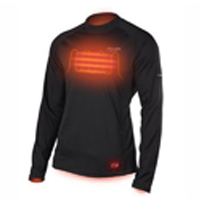
A heated hoodie uses powered heating zones, usually across the chest and back, to hold warmth where you lose it fastest. On site, that means less stiff shoulders and fewer cold starts on winter mornings.
2. Battery Powered Heat
Most heated hoodies run from a rechargeable battery pack tucked into a pocket. Bigger batteries usually mean longer run time, but also more weight, so balance all day comfort against how long you are actually out in the cold.
3. Mid Layer Not Magic
A heated jumper works best as part of a proper clothing system. Use it with a base layer and an outer shell when the weather turns, and the heat stays where it should instead of escaping straight into the air.
Heated Hoodie Extras That Make Life Easier
A couple of sensible add-ons stop your heated apparel turning into dead weight halfway through the shift.
1. Spare Batteries
This is the obvious one. If your heated hoodie runs off a tool battery or dedicated pack, keep a spare ready. You do not want the heat dropping out just when the temperature does.
2. Compatible Charger
A proper charger keeps packs topped up between jobs and stops you robbing charge from the kit you actually need for the work. Handy if the hoodie lives in the van through winter.
3. Base Layers
A decent thermal base layer makes the heat work better and stops you cranking the setting up full all day. That usually means better comfort and better battery life.
Choose the Right Heated Hoodie for the Job
Use this quick guide to avoid buying the wrong layer for the way you work.
| Your Job | Heated Hoodie Type | Key Features |
|---|---|---|
| First fix in cold plots | Standard heated hoodie | Good arm movement, chest and back heat zones, enough room for a base layer underneath. |
| Van based callouts and service work | Lightweight heated jumper | Quick warm up, easy on and off, comfortable for driving and walking into customer jobs. |
| Outdoor site work in dry cold weather | Heavyweight thermal hoodie | Better insulation, hood coverage, stronger fabric for regular site wear. |
| Cold work with extra weather exposure | Heated hoodie under shell | Mid layer fit, steady heat retention, works properly when covered by a windproof outer layer. |
| Standing jobs in yards and compounds | Longer run time heated hoody | Lower power efficiency, practical battery setup, warmth that lasts through stop start work. |
Common Buying and Usage Mistakes
- Buying a heated hoodie when you really need weather protection is a common one. It will keep you warm, but it will not replace a proper outer shell in wind and rain.
- Ignoring battery compatibility causes hassle straight away. If it needs a charger or battery system you do not already carry, it quickly becomes another thing to forget in the van.
- Choosing the highest heat setting and leaving it there all day just kills run time. Start lower and layer properly so the battery lasts longer through the shift.
- Buying the wrong fit ruins the point of it. Too tight and it is uncomfortable over a base layer. Too loose and you lose warmth and end up with a hoodie that bunches under your jacket.
- Treating it like standard workwear in the wash can shorten its life. Always check the care instructions and remove any battery or power lead parts before cleaning.
Heated Hoodies vs Heated Jackets vs Heated Gilets
Heated Hoodie
Best for trades who need warmth and movement. A heated hoodie suits cold indoor sites, sheltered outdoor jobs, and anyone bending, reaching, or climbing where a bulky coat gets in the way.
Heated Jacket
This is the better choice for exposed work, wind, and rougher weather. You get more protection overall, but it is usually bulkier and less comfortable for tight internal work.
Heated Gilet
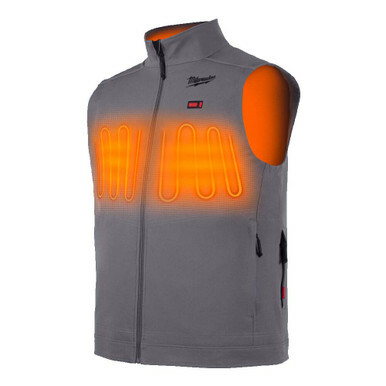
Good if you want core warmth but full freedom in the arms. Best for fitters, drivers, and warehouse or yard use, though it gives less coverage than a heated jumper on colder days.
Which One Makes Sense
Go for a heated hoody if movement matters most, a heated jacket if weather protection matters most, and a gilet if you just need the chill off your core without extra bulk on the sleeves.
Maintenance and Care
Remove the Battery First
Sounds obvious, but it is the main one. Always disconnect and remove the battery pack before storage, transport, or washing.
Keep the Fabric Clean
Dust, plaster, and site grime build up fast and make any hoodie less comfortable to wear. Clean it as the care label advises so the wiring and panels are not stressed.
Check Cables and Connectors
Have a quick look at the battery lead, pocket connection, and switch area now and then. If anything is damaged or loose, stop using it until it is sorted.
Store It Dry
Do not leave your heated jumper screwed up damp in the van all weekend. Dry storage helps the fabric last and keeps the electrical parts in better nick.
Replace When Heat Drops Off
If the panels are no longer heating evenly, or the wiring has had too much abuse, do not keep hoping it will improve. Once reliability goes, replace it and move on.
Why Shop for Heated Hoodies at ITS?
Whether you need a lightweight heated hoodie for callouts, a warmer heated jumper for winter site work, or matching heated apparel to build a proper cold weather setup, we stock the lot. ITS carries a full range of sizes, fits, and heated workwear options in our own warehouse, all in stock and ready for next day delivery.
Heated Hoodie FAQs
What is the best brand of heated jacket?
There is no one answer for every trade. The best one is usually the brand that fits the battery platform you already use and gives you the right balance of warmth, fit, and durability for site work. If you are already running that brand's batteries on the tools, it is often the cleanest choice.
Is it healthy to wear a heated jacket?
Yes, used properly, heated clothing is generally fine for keeping warm on cold jobs. It is there to give steady warmth, not extreme heat. Follow the maker's guidance, do not use damaged kit, and if you have a medical device or condition, check before using one regularly.
What are the disadvantages of a heated jacket?
The main drawbacks are battery dependence, extra weight from the power pack, and the fact it is not a replacement for proper waterproof or weatherproof outerwear. On a long shift, run time matters, and if you buy the wrong layer for the conditions, you will still feel the cold.
How long does a heated jacket last?
If you look after it, a good one should last well through regular winter use. The fabric, wiring, and battery setup all affect lifespan. In real trade use, keeping it clean, dry, and not yanking the connectors about makes a big difference.
Is a heated hoodie warm enough on its own in winter?
For cold indoor sites, van work, and dry outdoor jobs, yes, often it is. But in wind, rain, or freezing exposed conditions, treat it as a mid layer and put a proper shell over the top. That is when it works best.
Do heated hoodies wash up properly after site use?
Yes, most do, as long as you follow the care instructions and remove the battery first. They can handle normal workwear grime, but do not just throw them in with everything else and hope for the best.
Are heated hoodies any good for driving between jobs?
Yes, that is one of the better uses for them. A heated hoodie is less bulky than a coat, so it is more comfortable behind the wheel and easier when you are in and out of the van all day.
Can you wear a heated jumper under hi vis or waterproof gear?
Yes, and in most cases that is the smart way to do it. A heated jumper works well under hi vis and waterproof outer layers because the extra cover helps hold the heat in instead of letting it escape.