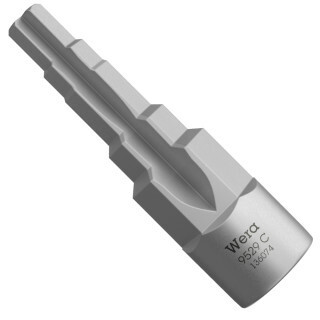
Wera Hand Tools
Wera Hand Tools are built for trade fixing, tightening and strip-down work where poor grip and rounded heads just waste time on site.
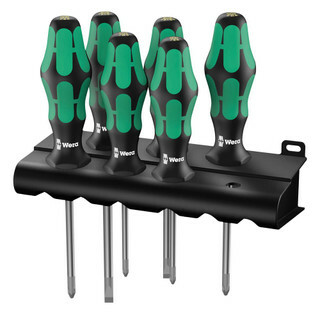
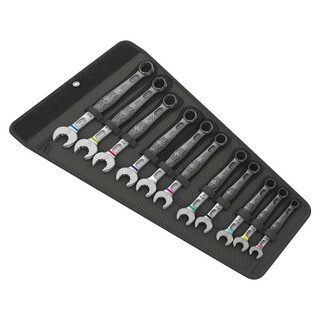
If you're on second fix, plant maintenance or van fit-outs all week, this is the sort of kit worth buying once. Wera Tools are known for comfortable handles, proper fit on fixings and smart storage that keeps sets together. From Wera Screwdrivers to Wera Spanners, these are hand tools for lads who are sick of chewed screws and missing bits.
What Are Wera Hand Tools Used For?
- Tightening terminal screws, fixings and brackets on first and second fix jobs is where Wera Hand Tools earn their keep, especially when you need a driver that actually sits properly in the head.
- Working on plant, vehicles, racking and workshop kit is easier with Wera spanners and socket sets because they grip cleanly and help avoid rounding tired nuts and bolts.
- Assembling kitchens, fitted furniture, control panels and site fixtures goes quicker when your hand tools are comfortable to use all day and the sizes you need are actually in the set.
- Snagging, service work and van-based maintenance jobs suit Wera Tools because the storage is tidy, compact and far less likely to leave you hunting for a missing bit in the bottom of the box.
- Getting into awkward access points behind boilers, inside cabinets and around trunking is exactly where slim drivers, hex keys and compact ratchets save time and save your knuckles.
Choosing the Right Wera Hand Tools
Match the tool to the fixing and the kind of day you actually have, not the one you imagine.
1. Buy by Trade Task First
If you mainly do electrical and control work, start with screwdrivers and slim access sets before anything else. If your week is more mechanical, brackets, bolts and plant work, go straight to ratchets, sockets and spanners.
2. Single Tools or Full Sets
If you only need to replace the drivers you use every day, buy singles and keep it simple. If you are fitting out a van, restocking a workshop or starting out properly, full Wera hand tool sets make more sense because the storage keeps the lot together.
3. Think About Access
If you spend your life inside cabinets, behind units or between pipe runs, compact ratchets, slim shafts and hex key sets are the smarter buy. For open bench work and general site fixing, standard length tools are usually quicker and give you a bit more leverage.
4. Choose Storage That Suits Van Life
If the tools are living in the van and getting dragged room to room, go for organised sets that stop pieces wandering off. Loose sockets and keys might seem cheaper, but they cost you time the first morning you cannot find the one size you need.
Who Uses These Kits?
- Sparkies rate Wera Hand Tools for terminal work, consumer units and control gear because the tips fit properly and give better feel when you are tightening down without damaging screws.
- Plumbers and heating engineers keep them in the van for boiler cases, valves, clips and brackets, especially when working in cupboards where a bulky tool just gets in the way.
- Maintenance teams and fitters lean on Wera spanners and socket sets for day to day adjustments, plant checks and strip-down jobs where fast access to the right size matters.
- Chippies, kitchen fitters and installers use Wera screwdrivers and hex keys for cabinet hardware, ironmongery and assembly work where a clean finish matters and slipped drivers are a pain.
- Workshop techs and mobile engineers swear by Wera tool kits because the layout keeps tools organised, so you can grab what you need quickly instead of emptying half the case onto the floor.
Wera Hand Tool Extras That Make the Job Easier
A few smart add-ons stop the usual site annoyances and help your hand tools cover more jobs.
1. Tool Pouches and Cases
Get proper storage if your kit is bouncing round the van all week. It stops drivers, sockets and hex keys going missing and saves that usual waste of time before you even start the job.
2. Bit Sets and Adaptors
A decent bit set or adaptor saves you carrying three separate tools up a ladder just to deal with mixed fixings. Handy for service calls, snagging and any job where access is tight and time is short.
3. Spare Sockets and Hex Keys
The sizes you use most are always the first to disappear. Keeping replacements to hand means a lost 10mm or common hex key does not turn into a run back to the merchants.
Choose the Right Wera Hand Tools for the Job
Use this quick guide to sort the right type before you buy.
| Your Job | Category or Type | Key Features |
|---|---|---|
| Consumer units, faceplates and terminal work | Screwdrivers | Accurate tip fit, comfortable handles and good control on repeated fastening jobs. |
| Boiler work, plant maintenance and bracket fixing | Spanners | Strong grip on flats, less chance of rounding and easier work in tighter spots. |
| Mechanical strip-down, assembly and workshop repairs | Socket sets | Fast size changes, ratchet convenience and organised storage for van or bench use. |
| Furniture fitting, bike work and recessed fasteners | Allen keys and hex keys | Compact access, common metric sizes and easier reach into awkward fixings. |
| Van stock-up, apprentice kits and all-round site use | Hand tool sets | Mixed core tools in one case so the main sizes stay together and ready to grab. |
Common Buying and Usage Mistakes
- Buying a mixed set without checking the actual sizes you use every week is a common mistake. You end up carrying plenty of kit but still missing the driver or socket that earns its keep daily.
- Using the wrong screwdriver tip on fixings to make do will chew heads fast. Match the profile properly and the tool will grip better, work faster and save a load of swearing.
- Choosing loose tools with no proper storage sounds cheaper at first, but bits and sockets soon vanish in the van. A set with organised storage usually saves more time than it costs.
- Buying purely for workshop use when the tools are really going on site can be a pain. Think about carry cases, compact layouts and how the kit holds up bouncing around in a vehicle.
- Ignoring access is another one that catches people out. Standard length tools are fine on open work, but awkward cupboards, cabinets and boxed-in plant often need slimmer or more compact options.
Screwdrivers vs Spanners vs Socket Sets
Screwdrivers
Best for terminal screws, faceplates, cabinet fixings and general fastening where feel matters. They are slower than ratchets on repeated bolt work, but for control and clean engagement they are still the first thing most trades reach for.
Spanners
Best when access is tighter and you need to hold or turn flats without much room for a socket. They are simple, tough and handy on plumbing, brackets and plant, but they are not as quick as a socket set on repetitive fasteners.
Socket Sets
Best for speed on mechanical fixing, strip-down and assembly work where you are running through multiple nuts and bolts. They save time and effort, but you need enough access around the fixing for the ratchet and socket to do their job properly.
Hand Tool Sets
Best for lads who need broad cover in one case rather than building a kit piece by piece. You get versatility and tidy storage, though specialists may still want to add trade-specific tools for the exact work they do every day.
Maintenance and Care
Wipe Down After Dirty Jobs
Dust, plaster, coolant and oily grime all make hand tools harder to grip and easier to lose control of. Give them a quick clean after use so handles stay safe in the hand and moving parts do not get clogged up.
Keep Sets Complete
Put each tool back in its case or rack instead of chucking it loose in the van. That is the easiest way to stop missing sockets, mixed-up hex keys and wasted time at the start of the next job.
Check Tips and Working Ends
If a screwdriver tip is worn or a spanner face is damaged, replace it before it starts chewing fixings. A tired tool causes more grief than the price of a proper replacement.
Store Dry
Even good hand tools hate sitting wet in the back of the van. Dry them off after rain or damp site work and keep them out of standing water to prevent corrosion and rough operation.
Repair the Kit Logic, Replace the Worn Tool
If the case, pouch or organiser is still doing its job, keep it and replace the individual tool that is worn out or missing. It is usually the most sensible way to keep a working set going without rebuying everything.
Why Shop for Wera Hand Tools at ITS?
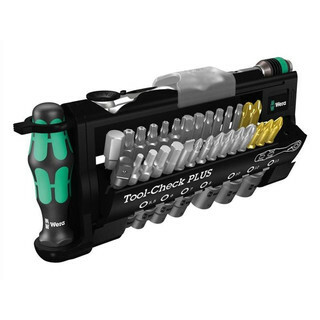
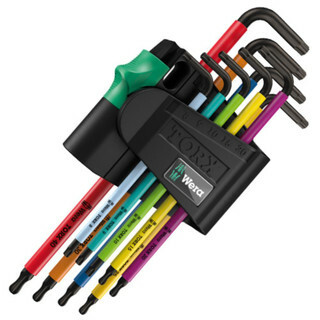
Whether you need a single driver, a full socket set or a complete van-ready kit, we stock a proper range of Wera Hand Tools in one place. That includes Wera Sockets Sets And Sockets, Wera Allen Key Sets and Allen Keys (Hex Keys) and Wera Hand Tool Sets, all held in our own warehouse and ready for next day delivery.
Wera Hand Tools FAQs
Are Wera Hand Tools suitable for professional tradesmen?
Yes. Wera Hand Tools are built for proper trade use, not just light bench work at home. They suit sparkies, fitters, plumbers, maintenance teams and workshop users who need good fit on fasteners, comfortable handling and sets that hold up to daily van and site life.
What types of Wera tools are available?
You are not just looking at screwdrivers. The range covers Wera screwdrivers, Wera spanners, Wera socket sets, hex keys and broader Wera tool kits for trade hand tools across site, workshop and mobile maintenance work.
Why are Wera screwdrivers, spanners and socket sets popular?
Mainly because they fit fixings properly and feel right in the hand over a full day. That means fewer slipped tips, less rounded hardware and less messing about when you are working fast in awkward spots or repeating the same task all day.
How do I choose the right Wera Hand Tools for my trade?
Start with the work you do most. Electrical and control jobs usually want screwdriver-led kits. Mechanical and maintenance work often needs sockets and spanners first. If you move between jobs all week, a mixed set with proper storage is usually the best place to start.
Are Wera tools worth buying for site, workshop and van use?
Yes, if you want hand tools that get used hard and stay in service. They are not the sort of kit you buy because it looks nice in a case. You buy them because they save time, grip well and stand up to regular use on site, in the workshop and bouncing around the van.