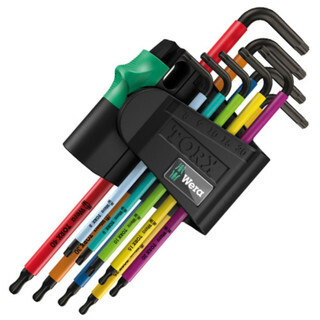
Wera Allen Key Sets and Allen Keys (Hex Keys)
Wera Allen Keys are built for tight fixings, awkward access and repeated site use, giving you proper grip on hex screws without rounding fasteners.
If you're forever building flat-pack plant housings, adjusting machinery, tightening socket screws or working on kit where a driver won't fit, this is the sort of hand tool that earns its place fast. Wera Hex Keys and Wera Hex Plus allen keys are made for clean engagement, better bite in the fixing and less chance of chewing out bolt heads when you're leaning on them. You'll find metric allen keys, ball end allen keys, colour coded hex keys, Wera L keys and long arm hex keys for faster identification and better reach. If you need trade hex keys that put up with daily van life and workshop abuse, start with the sizes and styles you actually use most.
What Are Wera Allen Keys Used For?
- Tightening socket head fixings on machinery guards, brackets, access panels and workshop equipment is where Wera Allen Keys save time, especially when a socket or driver bit will not physically get in.
- Working on bikes, plant attachments, site tools and adjustable fixtures is easier with Wera Hex Keys because you get clean engagement in the fastener and less chance of slipping out under load.
- Reaching recessed bolts inside cabinets, housings and awkward boxed-in assemblies is exactly what long arm hex keys and Wera L keys are made for on maintenance and fitting jobs.
- Setting up jigs, door hardware, handrails and shopfitting components often calls for ball end allen keys, which help you pick up fixings at an angle when straight access is a pain.
- Keeping service kits organised in the van or workshop is simpler with colour coded hex keys, so you are not wasting time digging for the right metric size halfway through a snagging job.
Choosing the Right Wera Allen Keys
Sorting the right set is simple: match the key shape and reach to the fixing, not the badge on the packet.
1. Ball End or Straight End
If you are regularly reaching bolts inside frames, cabinets or tight housings, go ball end because it lets you engage the fixing at an angle and get started quicker. If you are really leaning on stubborn fasteners, a standard straight end gives you the most solid drive.
2. Standard Length or Long Arm
If access is tight but the fixing sits deep, long arm hex keys are the better shout. For bench work, service kits and quick adjustments where space is limited around the fixing, standard Wera L keys are usually handier and easier to carry.
3. Hex Plus Profile
If you deal with worn socket screws, painted-over fixings or kit that has been apart too many times, Wera Hex Plus keys are worth it. They spread the load better in the fastener and help stop the corners rounding off when you need proper torque.
4. Loose Keys or Full Sets
If the same few sizes cover most of your work, individual keys make sense as replacements. If you are fitting, servicing or snagging across different kit all day, buy a full set so the right metric size is always there when you need it.
Who Uses These on Site?
- Maintenance engineers reach for Wera Allen Keys when they are adjusting guards, tightening machine fittings and dealing with hex fixings buried inside plant where a ratchet will not go.
- Kitchen fitters and shopfitters use Wera Hex Keys for furniture connectors, brackets and hardware installs, especially when working inside carcasses and tight corners.
- Bike mechanics, installers and service teams swear by Wera Hex Plus allen keys because they grip properly in worn or stubborn socket screws and help avoid rounding expensive fixings.
- Joiners, fitters and snagging crews keep Wera L keys in the tool bag for handrails, ironmongery and adjustment work where you only need a precise turn, not loads of kit.
- Workshop techs and van-based maintenance teams often keep a set of metric allen keys close by because hex fasteners turn up everywhere from power tools to access covers and machine casings.
The Basics: Understanding Wera Allen Keys
These are simple tools, but a couple of differences matter on site. Get the right tip style and profile, and the job goes smoother with less risk of rounding the fixing.
1. Allen Key and Hex Key Mean the Same Thing
Both names refer to a key that drives internal hex socket screws. On the job, what matters is using the exact right size so the key sits fully in the fixing and does not chew the corners out.
2. Ball End for Access, Straight End for Torque
A ball end helps you pick up a fixing when you cannot come in dead straight, which is handy inside housings and boxed-in assemblies. A straight end gives fuller contact and is the one to use when the bolt is tight or seized.
3. Hex Plus Helps Protect the Fastener
Wera Hex Plus keys are shaped to reduce stress on the corners of the screw socket. In real terms, that means better grip on stubborn or slightly worn fixings and less chance of turning a quick job into a drill-out job.
Useful Additions for Wera Allen Keys
A couple of sensible extras make these easier to store, replace and keep close to hand on service and fitting work.
1. Storage Clips and Holders
A proper holder stops loose keys rattling round the van or going missing in the bottom of the tool bag. It also means you can grab the right metric size straight away instead of trying three wrong ones first.
2. Replacement Individual Keys
The sizes you use most always disappear first or get left inside plant rooms and ceiling voids. Keeping spare individual Wera L keys for the common sizes saves buying a whole new set just because one key has gone walkabout.
3. Full Metric Sets
If your loose keys are a mixed-up mess, a full metric set sorts the problem in one hit. It keeps sizing consistent, covers the usual fixings properly and saves time on jobs where every minute spent hunting tools is dead time.
Choose the Right Wera Allen Keys for the Job
Use this quick guide to match the key style to the fixing and access.
| Your Job | Category or Type | Key Features |
|---|---|---|
| General fitting, bench work and day to day service jobs | Standard metric allen keys | Simple setup, solid fit in common hex fixings, easy to carry in a pouch or holder |
| Working inside cabinets, machine housings or awkward boxed-in spaces | Long arm hex keys | Extra reach, better access to recessed bolts, more leverage on deeper set fixings |
| Starting fixings when you cannot get perfectly straight on them | Ball end allen keys | Angled entry into the socket, quicker pickup, useful on assembly and install work |
| Dealing with stubborn, worn or frequently reused socket screws | Wera Hex Plus keys | Improved contact in the fastener, less corner wear, better grip when applying force |
| Fast size identification on busy site and workshop jobs | Colour coded hex keys | Quicker selection, easier organisation, less time wasted grabbing the wrong key |
Common Buying and Usage Mistakes
- Using the nearest size instead of the correct metric key is the quickest way to round a socket screw. Stop and match the fit properly before putting any force on it.
- Leaning hard on a ball end as if it were a straight end usually ends in a damaged fixing or a chewed key. Use the ball end to access and start the bolt, then switch to the straight end for proper torque.
- Buying short keys for deep or recessed fixings just slows the whole job down. If you are regularly working inside frames, housings or machinery, long arm hex keys save a lot of faff.
- Throwing loose hex keys in the van means the common sizes go missing first and the set becomes useless. Keep them in a holder or buy a set with clear storage so the sizes stay together.
- Ignoring worn fasteners and carrying on regardless can turn a simple removal into a drill-out job. If the sockets are already tired, a Wera Hex Plus key gives you a better chance of getting them out cleanly.
Ball End vs Standard End vs Hex Plus
Ball End
Best when access is awkward and you need to engage the fixing at an angle inside cabinets, guards or frames. Quicker to start with, but not the one for really heavy torque on seized or over-tightened screws.
Standard End
This is the solid all-round choice for everyday tightening and loosening. It gives full contact in the socket and is the better option when you need maximum control and proper force through the fixing.
Hex Plus
Best for trades dealing with stubborn, reused or slightly worn socket screws. The profile helps protect the corners of the fastener and gives a more secure feel when standard keys start to cam out.
Maintenance and Care
Wipe Them Down After Dirty Work
If the keys have been used on greasy plant, dusty machinery or outside fixings, give them a quick wipe before they go back in the holder. Dirt on the tip stops clean engagement in the next fixing.
Keep the Ends Clean and Sharp
Check the working ends now and then for rounding, burrs or damage. Once the tip starts wearing off, it will slip more easily and damage fixings, so replace that key before it costs you time.
Store Sets Properly
Keep keys in their holder rather than loose in the van. It stops sizes going missing, protects the finish and means you are not rummaging through a pile of mixed hand tools on site.
Dry Them Before Packing Away
If they have been out in wet conditions or on outside plant, dry them before they go back into the case or tool bag. That simple step helps prevent corrosion and keeps the keys sliding cleanly into the screw socket.
Replace the Heavy Use Sizes First
Usually it is the same few metric sizes doing most of the work. Keep an eye on those and replace them early, because a worn 4mm, 5mm or 6mm key will cause more grief than a whole tidy set looks worth.
Why Shop for Wera Allen Keys at ITS?
Whether you need individual Wera Allen Keys for replacements or full sets covering daily fitting and maintenance work, we stock the range that matters. You will find Wera Hex Key Sets, Wera L-Key, Wera L-Key Hex Key Sets, plus more from Wera Hand Tools and broader Wera Sets. It is all held in our own warehouse, in stock and ready for next day delivery.
Wera Allen Keys FAQs
What are Wera Allen Keys used for?
They are used for tightening and loosening internal hex socket screws on machinery, brackets, furniture fittings, access panels, bikes, tools and all sorts of assembled kit. On site, they come into their own where a bit holder, socket or driver simply will not fit.
What is the difference between Allen keys and hex keys?
In practice, there is no real difference for most buyers. Both names refer to the same type of tool used on internal hex fixings, so the important thing is choosing the right size, length and tip style for the work.
Are Wera Hex Keys suitable for professional use?
Yes. Wera Hex Keys are made for repeated workshop, van and site use, with proper fit in the fastener and sensible storage options. They are the sort of trade hex keys you buy when cheap sets have already wasted enough of your time.
What makes Wera Hex Plus keys different?
Wera Hex Plus keys are shaped to reduce stress on the corners inside the socket screw. The benefit is simple: better grip, less chance of rounding the fixing, and a better shot at shifting bolts that have been overtightened or worn by poor tools.
Should I choose ball end or standard Wera Allen Keys?
Choose ball end if access is awkward and you need to come onto the fixing at a slight angle. Choose standard ends if the fixing is tight and you need the strongest, cleanest contact for proper torque.
Do colour coded hex keys actually help, or is that just for looks?
They genuinely help when you are working quickly. On busy fitting or maintenance jobs, being able to spot the right metric size straight away saves messing about and cuts down the chances of forcing the wrong key into the fixing.