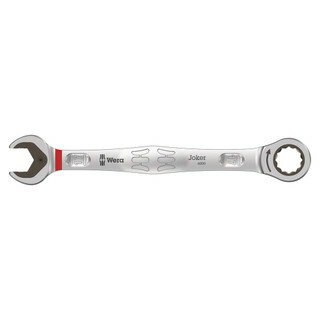
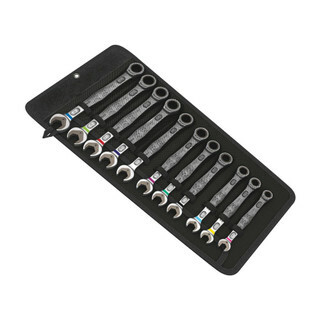
Wera Spanners
Wera Spanners are built for fastening work where rounded nuts, tight access, and slipping jaws just waste time on site and in the workshop.
When you're tightening brackets, building plant, fitting containment, or stripping down fixings that have seen weather and abuse, decent spanners matter. Wera Wrenches and Wera Joker spanners are made for proper trade use, with profiles that grip well, sit cleanly on the nut, and save your knuckles in awkward spaces. If you're buying for daily use, match the spanner type to the fixing and get the set that covers the sizes you actually reach for.
What Are Wera Spanners Used For?
- Tightening channel, bracketry, and containment fixings on first fix jobs is where Wera Spanners earn their keep, especially when you are working one-handed up steps or in a ceiling void.
- Loosening stubborn nuts on plant, site gear, and outdoor fixings is easier with Wera Joker spanners because they grip positively and help stop the head slipping off rounded or awkward fasteners.
- Assembling frames, balustrades, machinery guards, and workshop kit suits ratcheting spanners well, as they let you keep working in confined spaces where there is no room for a full swing.
- Handling maintenance and repair work on vans, gates, pumps, and service equipment calls for metric spanners that fit properly, rather than making do with worn mixed sets from the bottom of the box.
- Working on live-adjacent electrical fastening tasks can call for insulated options, and Wera VDE Spanners are the ones sparkies look at when the job demands the right protection.
Choosing the Right Wera Spanners
Sorting the right one is simple: match the spanner to the fixing, the access, and how often you are actually going to use it.
1. Joker vs Standard Open End
If you are forever dealing with awkward access, rusty fixings, or nuts that like to slip, go straight to Wera Joker spanners. If the work is straightforward bench, assembly, or general fastening with good access, a standard combination spanner still does the job well without overcomplicating it.
2. Ratcheting for Tight Spaces
If you are tightening the same size fixings all day in trays, frames, cupboards, or plant housings, ratcheting spanners save a lot of time because you are not lifting off after every movement. If you have got plenty of swing room, a fixed spanner is simpler and usually tougher for rough treatment.
3. Individual Sizes or Full Sets
If you keep losing or wearing out the same common sizes, buy singles and top the kit up properly. If you are starting fresh, changing vans, or need proper coverage from small to large metric fixings, Wera Spanner Sets And Wrench Sets make more sense and keep everything together.
4. Check the Fastener Type
Do not just buy on brand or looks. If the job is mostly hex nuts and bolts on site steel, pipe supports, or machinery, combination and open ended spanners are the starting point. If access and speed are the pain point, look hard at the ratcheting options in the Wera Wrenches range.
Who Uses These on Site?
- Sparkies use Wera Spanners for tray, trunking, channel and support steel, especially on first fix where fast, repeat tightening matters and there is barely room to turn a standard wrench.
- Mechanical fitters and maintenance engineers swear by Wera Wrenches for plant servicing, pump work, guards, brackets, and machine fixings because a good jaw fit saves rounded heads and wasted time.
- Steel erectors, gate installers, and fabricators reach for Wera Joker spanners when they are working on frames, threaded bar, and bolted connections where a slipping open end is asking for skinned knuckles.
- Plumbers and HVAC installers keep a Wera spanner set in the van for valves, brackets, clips, and unit fixings, particularly when access is tight behind plant or above ceiling level.
- Garage and workshop teams also use them for regular servicing and assembly jobs, and if you only need a replacement size or two, start with Wera Individual Spanners And Wrenches instead of buying a full roll again.
Extras That Keep Your Spanner Kit Working
A decent spanner is only half the story. The right storage and coverage stops lost sizes, rounded fixings, and repeat trips back to the van.
1. Storage Rolls and Holders
Get the sizes organised properly so you are not tipping out a mixed drawer looking for a 13mm while the job stalls. Good storage keeps the set together, stops damage in transit, and makes missing sizes obvious before you leave site.
2. Spare Individual Sizes
Common sizes always go missing first or take the most abuse. Buying replacement singles for the sizes you actually use saves binning a full set just because one spanner has walked or worn out.
3. Ratcheting Options for Tight Access
When standard open ended spanners are costing you time in cramped housings or above head height, adding a few ratcheting sizes makes a real difference. It is the sort of upgrade that pays for itself on repetitive fastening work.
Choose the Right Wera Spanners for the Job
Use this quick guide to sort the right spanner type before you buy.
| Your Job | Wera Spanner Type | Key Features |
|---|---|---|
| General fastening on brackets, frames, and site fixings | Combination spanners | Open end for quick placement, ring end for a firmer hold, solid all-round choice for regular van kit |
| Tight access in cupboards, trays, plant housings, or machinery | Ratcheting spanners | Works with minimal swing, speeds up repetitive tightening, ideal where you cannot keep repositioning the tool |
| Awkward nuts and bolts that tend to slip or round off | Wera Joker spanners | Designed for better grip and control on fasteners, handy for tricky access and worn site fixings |
| Replacing lost common sizes or topping up a working kit | Individual spanners | Buy only the sizes you need, useful for heavily used 10mm, 13mm, and 17mm type sizes |
| Starting a fresh tool kit or covering a full metric range | Spanner set | Better overall coverage, matched sizing, easier storage, less chance of missing a size on the job |
Common Buying and Usage Mistakes
- Buying a mixed set without checking the actual sizes you use most often is a common mistake. You end up carrying dead weight while still not having the 10mm, 13mm, or 17mm you need on nearly every job.
- Using a loose fitting spanner on damaged or painted fasteners usually rounds the head and makes the job worse. Pick a spanner with a proper fit and move to a better gripping profile when access or wear is already against you.
- Choosing fixed spanners for repetitive work in cramped spaces can slow the whole day down. If there is no room for a full arc, ratcheting spanners are the better call and save a lot of faff.
- Ignoring insulation requirements around electrical fastening work is a bad habit. If the task calls for insulated tools, use the correct VDE rated option instead of whatever happens to be nearest in the bag.
- Throwing spanners loose into a toolbox shortens their life and guarantees missing sizes. Keep them in a proper holder or roll so the working edges stay clean and the set stays complete.
Combination Spanners vs Ratcheting Spanners vs Joker Spanners
Combination Spanners
This is the standard all-round choice for most fastening jobs on site and in the workshop. You get an open end for quick access and a ring end for a firmer hold, making them ideal if you want one dependable spanner type for general use.
Ratcheting Spanners
These are the better option when access is tight and you cannot keep lifting the tool off the fixing. They are faster on repetitive assembly and maintenance work, but for rough abuse and simple one-off jobs, a fixed spanner can be the tougher, simpler choice.
Wera Joker Spanners
Joker spanners are the ones to look at when slipping off fasteners is costing you time or skin off your knuckles. They are especially useful on awkward, worn, or hard-to-reach nuts where extra grip and control matters more than just basic turning.
Maintenance and Care
Keep the Jaws Clean
Wipe off grit, paint, sealant, and oil after use so the spanner still sits properly on the fixing. Dirty jaws mean poor contact, and poor contact is how nuts get rounded.
Store Them as a Set
Use a roll, rack, or holder rather than chucking them loose in a metal box. It keeps sizes easy to find, stops edges getting knocked about, and saves replacing the same missing spanner twice.
Check Ratcheting Mechanisms
If you use ratcheting spanners, keep the mechanism free from packed dust and grime. A quick clean and light maintenance keeps the action smooth and stops it binding halfway through a job.
Replace Worn Working Ends
If the business end is worn enough to feel slack on a known good fastener, retire it from proper fixing work. Hanging on to a worn spanner usually costs more in damaged bolts and rework than the replacement does.
Why Shop for Wera Spanners at ITS?
Whether you need a single replacement, a full Wera spanner set, or specialist options like Wera Joker Spanners, we stock the full range in one place. From metric combination spanners to ratcheting and insulated options, it is all in our own warehouse and ready for next day delivery.
Wera Spanners FAQs
What are Wera Spanners used for?
They are used for tightening and loosening nuts and bolts on brackets, containment, plant, machinery, frames, and general site fixings. In real trade use, they come into their own when you need a clean fit on metric fasteners and do not want the tool slipping off under load.
Are Wera Wrenches suitable for professional trade use?
Yes. They are built for proper daily use by fitters, sparkies, installers, and maintenance teams, not just occasional DIY jobs. The fit on the fastener is the real advantage, because that is what saves time and stops damage when you are working through repeated fixings all day.
What is the difference between Wera Joker spanners and standard spanners?
Standard spanners are your general choice for everyday fastening. Wera Joker spanners are designed to give you better grip and control on awkward fasteners, especially where access is poor or the fixing is more likely to slip and round. They are the better pick when a normal open end keeps letting go.
How do I choose the right Wera Spanner for fastening work?
Start with the fixing size, then look at access and how repetitive the job is. For general use, go with combination spanners. For cramped access, ratcheting spanners make more sense. For tricky or worn fasteners, Joker profiles are worth it. Buy for the job you actually do most, not the odd one-off.
Should I buy individual Wera Spanners or a complete spanner set?
If you are replacing lost sizes or topping up an existing kit, buy individual spanners. If you are starting fresh, kitting out a van, or want proper size coverage in one go, a full set is better value and easier to keep organised.
Do Wera Spanners come in the metric sizes used most on UK sites?
Yes. You will find the common metric sizes trades actually use for brackets, supports, machinery fixings, and general assembly work. That matters more than having a bloated set full of sizes you never touch.