Wera Screwdrivers
Wera Screwdrivers are built for fixings you deal with every day, from back boxes and faceplates to hinges, panels and plant covers, without chewing heads.
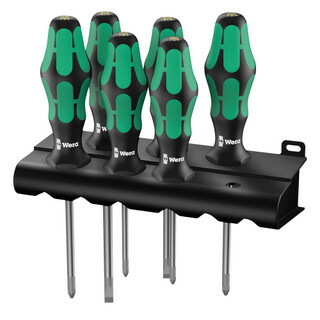
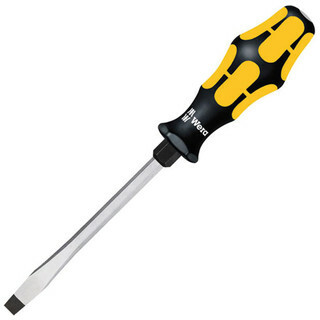
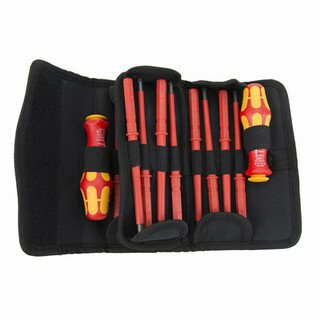
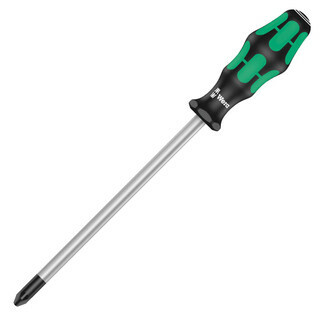
If you're forever undoing rounded screws, slipping out of worn heads or fighting awkward access, this is where Wera earns its keep. Wera Kraftform screwdrivers sit well in the hand, give proper control under load, and hold up to daily site use. Whether you need Pozidriv screwdrivers, slotted screwdrivers, Torx screwdrivers or Phillips screwdrivers, a Wera screwdriver set makes sense if you want trade screwdrivers that last. Start with the drivers you actually use every day, then build out with Wera Screwdriver Sets, Wera Individual Screwdrivers, Wera Interchangeable Blade Screwdrivers, Wera Interchangeable Blade Sets and the right Wera Screwdriver Accessories.
What Are Wera Screwdrivers Used For?
- Tightening faceplates, sockets, consumer units and control gear, where a driver needs to sit clean in the fixing and not cam out halfway through the job.
- Fitting hinges, handles, locks and ironmongery on second fix work, where good tip fit saves chewing screw heads and spoiling finished joinery.
- Working on boiler casings, plant panels and maintenance covers, where you will often need Torx screwdrivers and slotted screwdrivers that cope with repeated use.
- Assembling site fixtures, kitchen units and general carpentry fixings, where a Wera screwdriver set keeps your common Phillips screwdrivers and Pozidriv screwdrivers together in one place.
- Snagging, servicing and day to day van stock work, where a reliable Wera screwdriver is quicker to grab than a drill for short, controlled fastening jobs.
Choosing the Right Wera Screwdrivers
Sorting the right one is simple: match the tip and handle style to the fixings you actually see every day, not the odd job you might do once a month.
1. Buy for the screw heads you meet most
If most of your work is sockets, accessories and general site fixings, start with Pozidriv screwdrivers and slotted screwdrivers. If you are on plant, boilers, controls or modern hardware, make sure Torx screwdrivers are in the roll. A set full of sizes you never touch is just dead weight.
2. Sets make sense if you are on the tools every day
If you are replacing tired van stock or starting fresh, a Wera screwdriver set is usually the better shout. You get the common sizes covered straight away and they are easier to keep together. If you only need one or two replacements, buy individual drivers and keep the rest of your kit as is.
3. Think about access before you buy
If you are forever inside cabinets, panels or cramped voids, look at slimmer or interchangeable options rather than standard full length drivers. If you mainly work on benches, doors or open fixings, full handle Kraftform screwdrivers give you the better grip and drive.
4. Do not ignore handle comfort
If a screwdriver lives in your hand most of the day, handle shape matters as much as the tip. Wera Kraftform screwdrivers are popular because they sit securely under load and do not feel as harsh on the hand during repeated tightening and loosening.
Who Uses These on Site?
- Sparkies use Wera Screwdrivers for terminals, faceplates and board work because the tips fit properly and give better control when you are working on smaller fixings all day.
- Chippies and kitchen fitters reach for them on second fix jobs, especially for hinges, handles and adjustment screws where a rough driver will mark up finished work.
- Plumbers and heating engineers keep them in the bag for controls, covers and valve gear, where a decent grip matters when access is tight behind pipework or inside cupboards.
- Maintenance teams and plant fitters swear by them for repeated panel work and service access, where Torx and slotted heads get opened and closed constantly.
- Site managers and snagging teams often carry a professional screwdriver set for quick fixes, loose hardware and final handover jobs without dragging out power tools.
Accessories That Keep Your Screwdrivers Useful
A few well chosen extras save time on site and stop a simple fastening job turning into a rummage through the van.
1. Interchangeable Blades
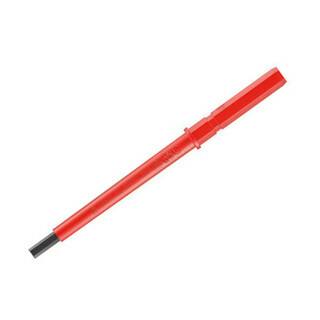
If you are working in mixed panels or doing service work, spare blades stop you carrying a full pouch of separate drivers. It is a tidy fix for tight bags and awkward access, especially when you need to swap from slotted to Torx without climbing down and back to the van.
2. Blade Sets and Pouches
A proper blade set keeps the sizes together instead of loose in the tool bag where they go missing. It also means the right bit is there when you hit an odd fixing in a control panel or plant cover.
3. Storage Rolls and Cases
Decent storage stops tips getting battered against other hand tools and makes it obvious when a driver is missing. That saves you finding out halfway through second fix that your most used PZ2 is still on the last job.
4. Tip and Handle Accessories
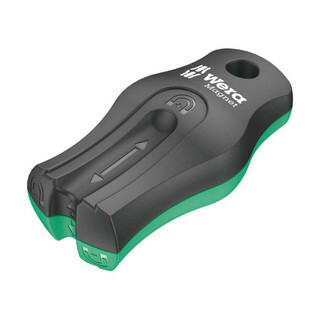
Small replacement and support accessories are worth having if you use your drivers hard. They help keep favourite kit in service longer rather than binning a whole setup because one part is worn or missing.
Choose the Right Wera Screwdrivers for the Job
Use this quick guide to match the driver type to the fixing and working area.
| Your Job | Category or Type | Key Features |
|---|---|---|
| General site fixing, sockets and accessories | Pozidriv and slotted screwdrivers | Common everyday sizes, solid tip fit, good handle grip for repeated use |
| Second fix joinery and ironmongery | Phillips screwdrivers and Pozidriv screwdrivers | Clean engagement in screw heads, better control, less risk of marking finished work |
| Plant panels, controls and mechanical covers | Torx screwdrivers | Fits modern fasteners properly, reduces slipping, better for repeated service access |
| Mixed maintenance calls and van stock | Wera Screwdriver Sets | Main sizes in one place, easier storage, better value than building from scratch |
| Tight panels, service bags and awkward access | Interchangeable blade screwdrivers | Compact carry, quick blade swaps, less bulk than carrying full individual drivers |
Common Buying and Usage Mistakes
- Buying a random mixed set without checking the heads you actually use most. You end up carrying drivers you never touch and still missing the PZ2 or Torx size the job needs, so build around your real day to day fixings.
- Using the wrong tip on a screw because it is close enough. That is how heads get chewed, hands slip and finished surfaces get marked, so match Pozidriv, Phillips, slotted and Torx properly every time.
- Choosing cheap drivers for daily trade work. They might look fine in the bag, but poor tip fit and tired handles soon cost you time when screws start rounding or your grip goes under load.
- Ignoring access and buying only standard full length drivers. If you work in panels, cupboards or controls, a bulky driver can slow the whole job down, so keep compact or interchangeable options ready.
- Leaving screwdrivers loose in the van. Tips get damaged, sizes go missing and the set becomes useless, so use a roll, case or pouch that keeps the common drivers together.
Screwdriver Sets vs Individual Screwdrivers vs Interchangeable Blade Screwdrivers
Screwdriver Sets
Best if you want to cover the main fixing types in one hit and keep the van properly stocked. They suit full time trade use, apprentices building a first kit, and anyone replacing a tired collection of odd drivers.
Individual Screwdrivers
Best when you already know exactly what you need or want to replace your most used sizes. They are the right call for topping up a kit without paying for duplicates you will not use.
Interchangeable Blade Screwdrivers
Best for service engineers, maintenance bags and tight storage where space matters. You get flexibility and compact carry, but for all day repetitive fastening many trades still prefer dedicated full handle drivers.
Maintenance and Care
Wipe tips after dirty work
Dust, filler, paint and metal filings build up on the tip and stop it seating properly. A quick wipe after use keeps the profile clean and helps prevent slipping on the next fixing.
Store them together, not loose
Throwing drivers in with spanners and chisels batters the tips and makes your common sizes disappear. Keep them in a roll, rack or case so the set stays complete.
Check the tip before blaming the screw
If a driver starts slipping more than usual, inspect the tip for wear. A worn profile will damage fixings fast, so replace that driver before it ruins a job full of screws.
Keep handles free from oil and grease
A handle that is slick with oil is a liability, especially when you are applying proper force in a tight spot. Clean it down so you keep safe grip and control.
Replace singles as they wear out
On a hard used kit, one or two sizes always wear faster than the rest. Swap out the drivers you use most rather than binning a whole set that still has plenty of life left in it.
Why Shop for Wera Screwdrivers at ITS?
Whether you need a single Wera screwdriver for everyday snagging or full Wera Screwdriver Sets for site, workshop or van stock, we have the range ready to go. That includes the key tip types, handle styles, sets, individual drivers and accessories, all held in our own warehouse and in stock for next day delivery.
Wera Screwdrivers FAQs
What are Wera Screwdrivers best used for?
They are best for daily fastening jobs where tip fit and control matter, such as electrical accessories, second fix joinery, panel work, controls and general maintenance. They are especially handy when you want to avoid cam out and stop damaging screw heads on repeated use.
Are Wera Screwdrivers suitable for professional tradesmen?
Yes. That is exactly where they make sense. Wera Screwdrivers are built for regular site and workshop use, with handle shapes and tip profiles that hold up well when they are in your hand all day rather than just living in a drawer.
What is the difference between Wera screwdriver ranges?
The main difference is the job they are aimed at. Some ranges focus on standard full size everyday drivers, some are better for compact carry and interchangeable blades, and some are built around specific trades or fixing types. The best way to sort them is by tip type, handle style and how much access space you usually have.
How do I choose the right Wera screwdriver for the job?
Start with the screw head, then think about access and how often you use that size. If it is a fixing you meet every day, buy a dedicated driver. If space is tight or the jobs vary, interchangeable options make more sense. For most trades, a core set of Pozidriv, slotted, Phillips and Torx covers the bulk of the work.
Are Wera screwdriver sets better value than buying individual screwdrivers?
Usually yes, if you need to stock up properly. A Wera screwdriver set covers the common sizes in one go and is generally the better value route for full time use. If you only need to replace one lost or worn driver, buying singles is the more sensible option.