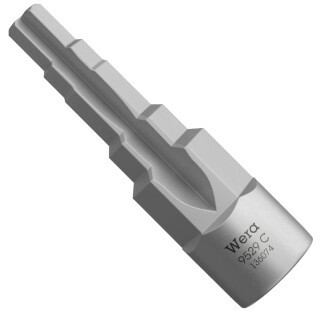
Wera Trade and Job Specific Tools
Wera Trade Tools are built for proper site work, with specialist hand tools for electricians, plumbers, fitters and maintenance jobs that need the right shape and grip.
When a standard screwdriver or spanner just slows you down, this is the sort of kit you reach for. Wera Job Specific Tools are made for repetitive trade tasks, awkward access and cleaner installs, whether you're wiring boards, tightening pipe fittings or sorting plant maintenance. If you're already using Wera Hand Tools, this is where you pick up the specialist bits that earn their place in the bag.
What Are Wera Trade Tools Used For?
- Wiring consumer units, back boxes and control gear is easier with Wera trade and job specific tools built for access, grip and repeat fastening without chewing fixings.
- Tightening valves, compression fittings and awkward pipework runs on first fix or maintenance jobs is exactly where these specialist hand tools save knuckles and wasted time.
- Working inside plant rooms, service cupboards and packed risers suits Wera Job Specific Tools because they are designed for jobs where standard site hand tools are too bulky or clumsy.
- Stripping down covers, adjusting components and carrying out service work in workshops or on site is quicker when the tool shape matches the task instead of making do with whatever is in the van.
- Sorting repetitive install work across electrical, plumbing and mechanical trades is what Wera tools for tradesmen are built for, especially when accuracy and control matter more than brute force.
Choosing the Right Wera Trade Tools
Sorting the right one is simple: buy for the job you do every week, not the odd task you might face once a month.
1. Match the Tool to the Trade
If you're mainly on electrical installs, go straight to insulated and access-focused kit like Wera VDE. If you're on plumbing and heating, pick tools shaped for fittings, valves and confined spaces rather than standard drivers and pliers.
2. Think About Access First
If the work is in cupboards, trunking, plant rooms or behind pipework, slim shafts, offset heads and compact lengths matter more than having a big all-purpose tool. The right specialist hand tool gets in cleanly and saves slipping off fasteners.
3. Do Not Double Up on What You Already Own
If your bag already covers everyday fastening with Wera Screwdrivers or general tightening with Wera Spanners, use this range to fill the awkward gaps. Buy the tool that solves a recurring site problem, not another version of what is already doing the job.
4. Workshop Use and Site Use Are Not Always the Same
If the tool lives in a mobile kit bag or van, go for compact, robust options that can take daily knocks. If it stays on a bench, you can be more selective and buy around one precise task or fitting type.
Who Uses These Wera Trade Tools?
- Sparkies use them for board work, terminations and awkward fixings where a standard driver is too fat or too short to get a clean turn.
- Plumbers and heating engineers reach for them when working on valves, unions and tight service areas, especially if the job needs proper control without marking fittings, and many will pair them with Wera Plumbing Tools.
- Mechanical fitters and maintenance teams keep this sort of kit handy for plant servicing, panel access and repetitive adjustment work where comfort matters by the end of a long shift.
- Site supervisors, facilities teams and van-based service engineers swear by specialist hand tools like these because they cut down on bodges and save carrying three wrong tools for one awkward task.
The Basics: Understanding Wera Trade Tools
This range makes more sense once you stop thinking of it as general hand tools. These are specialist tools designed around a task, a fitting or a trade problem that comes up all the time.
1. Job Specific Shape
The biggest difference is tool geometry. A slimmer shaft, different handle shape or offset working end can be the difference between getting onto a fixing cleanly and wasting ten minutes stripping things back for access.
2. Trade Focused Control
These tools are built for trades doing the same movement again and again. Better grip and control means less rounding off, less hand strain and a tidier finish on electrical, plumbing or maintenance work.
3. Specialist Does Not Mean Niche
A proper specialist hand tool often becomes the one you use most because it fixes a common site headache. If a job keeps cropping up and your standard tool keeps fighting you, this is the range to look at.
Choose the Right Wera Trade Tools for the Job
Use this quick guide to sort the right type for the work in front of you.
| Your Job | Category or Type | Key Features |
|---|---|---|
| Terminating boards, sockets and electrical accessories | Insulated electrician tools | VDE protection, slim access, controlled grip and safer working around live-rated tasks |
| Tightening valves, fittings and service connections | Plumbing and installation tools | Shapes suited to awkward fittings, better leverage and less chance of marking finished parts |
| Servicing machinery, panels and plant components | Mechanical and maintenance tools | Compact formats, strong engagement and repeat-use comfort for workshop and site repairs |
| Working in cupboards, risers and behind installed services | Compact access tools | Shorter body, narrow profile and better reach where standard hand tools are too bulky |
| General daily trade kit with a few awkward recurring jobs | Specialist add-on tools | Fills the gaps in your existing kit without duplicating standard drivers, spanners or pliers |
Common Buying and Usage Mistakes
- Buying specialist tools before sorting your core kit is a common one. If you have not covered your everyday drivers and spanners first, you can end up with clever bits of kit that still leave you short on basic site jobs.
- Using a general hand tool for repeated awkward work usually costs more in the long run. It slows the job down, rounds fixings and leaves you fighting access when a trade-specific tool would have done it cleanly.
- Choosing electrical tools without checking insulation rating is a risk you do not need. If the work calls for insulated kit, stick to the proper rated range rather than assuming any handled tool will do.
- Doubling up on similar tools wastes money and space in the bag. Check whether the new tool solves a real problem such as access, fitting type or safety rather than just looking a bit different.
- Leaving specialist tools loose in the van shortens their life and makes them harder to find when the job turns awkward. Keep them stored properly so edges, insulation and working ends stay in good nick.
Job Specific Tools vs General Hand Tools vs Insulated Tools
Job Specific Tools
These are for recurring trade tasks where standard kit keeps getting in the way. Best for awkward access, repeated install work and fittings that need the right profile or handle shape to do the job properly.
General Hand Tools
This is your everyday bag kit for broad site use. Fine for most work, but they can be slower and clumsier on specialist tasks where reach, insulation or fitting-specific control actually matter.
Insulated Tools
If you are working on electrical installs or around live-rated environments, these are the proper choice. They may overlap with job specific tools, but the main reason to buy is safety compliance, not just convenience.
Maintenance and Care
Keep Working Ends Clean
Wipe off grease, plaster dust and site muck after use so tips, jaws and contact faces keep proper purchase. Dirty tool ends slip sooner and wear faster.
Store Them as Specialist Kit
Do not just chuck these in with old fixings and loose blades. Keep specialist hand tools in a roll, case or organiser so the shapes and edges stay useful rather than getting battered in the van.
Check Insulated Tools Regularly
If any tool has insulated protection, inspect it before use for cuts, splits or heat damage. Once the insulation is compromised, it is time to replace it rather than take chances.
Do Not Abuse Precision Shapes
A specialist tool is not a pry bar, hammer or makeshift lever unless it is built for that. Use it for its intended job and it will last far longer and keep doing that job properly.
Replace Worn Contact Points Early
If tips are rounded, jaws are slipping or engagement feels vague, do not keep forcing it. Worn hand tools damage fixings and fittings long before they fully fail.
Why Shop for Wera Trade Tools at ITS?
Whether you need Wera electrician tools, plumbing and installation tools, or specialist hand tools for service and maintenance work, we stock the proper range in one place. From everyday trade hand tools through to the awkward problem-solvers, it is all in our own warehouse and ready for next day delivery to keep your kit complete and your job moving.
Wera Trade Tools FAQs
What are Wera Trade Tools used for?
They are used for the jobs standard hand tools do badly or slowly. Think electrical terminations, awkward fixings, plumbing fittings, service work and repetitive install tasks where the right shape, reach or grip makes the work cleaner and quicker.
Which Wera Job Specific Tools are best for electricians, plumbers and mechanics?
For electricians, go for insulated and slim access tools. For plumbers, pick installation and fitting-focused tools that work cleanly in tight spaces. For mechanics and maintenance teams, compact fastening and adjustment tools usually earn their keep fastest. The best choice depends on the task you repeat every week, not the one-off job.
Are Wera trade tools suitable for site and workshop use?
Yes. They suit both, but choose with a bit of sense. For site work, compact and robust tools make more sense because they live in bags and vans. For workshop use, you can be more task-specific because the tool is not getting dragged round jobs all week.
How do I choose the right Wera tool range for my trade?
Start with the job that keeps slowing you down. If it is electrical work, look at insulated access tools. If it is plumbing and heating, look for fitting and installation tools. If it is maintenance, focus on compact control and fast engagement. Buy around your actual workload, not around what looks clever in the toolbox.
What Wera tools are most useful for professional tradesmen?
The most useful ones are the tools that solve recurring site headaches. For most tradesmen, that means insulated drivers for electrical work, fitting-focused tools for plumbing, and specialist fastening tools for access problems, service jobs and repetitive install work.
Are these just workshop tools dressed up for site work?
No. They are built for proper trade use, but that does not mean every tool suits every environment. Some are ideal for bag and van work, others make more sense on a bench. Check the tool format and buy for where it will actually live.
Do I need specialist tools if I already own standard screwdrivers and spanners?
Not for every job, no. But if you keep meeting the same awkward fixing, poor access or fiddly fitting, specialist tools stop you wasting time and damaging parts. They should fill a gap in the kit, not duplicate what already works.
Will these actually make a difference on repetitive install work?
Yes, that is where they usually prove their worth. Better grip, cleaner engagement and easier access all add up over a full day. You notice it in less hand strain, fewer slipped fixings and a tidier finish.