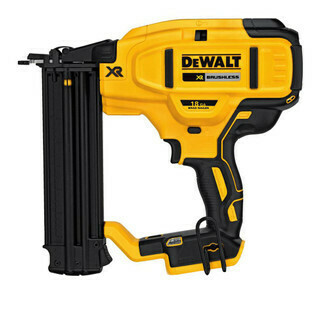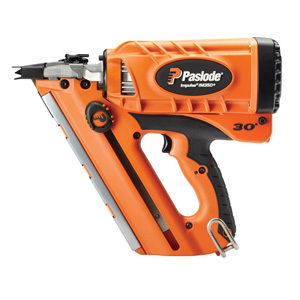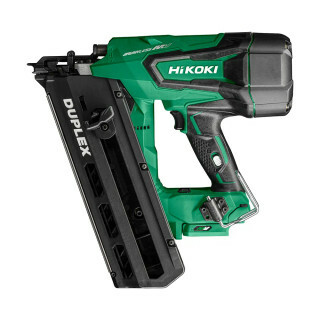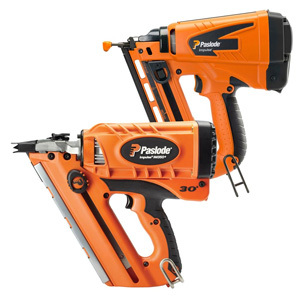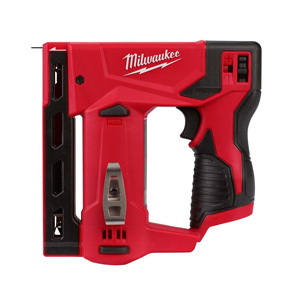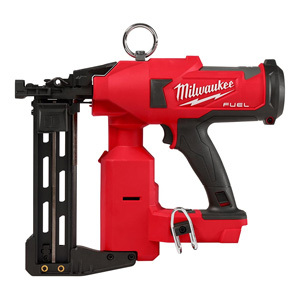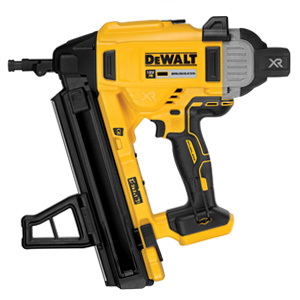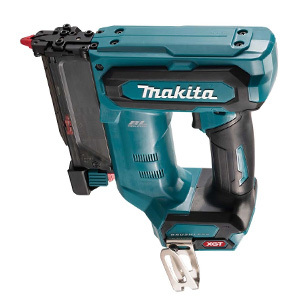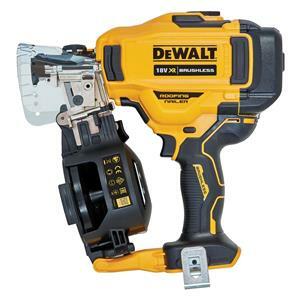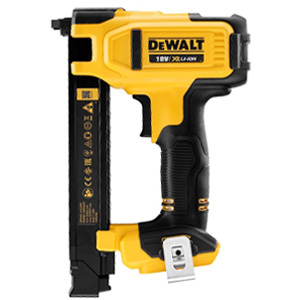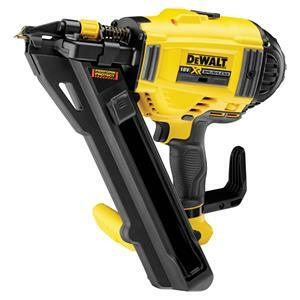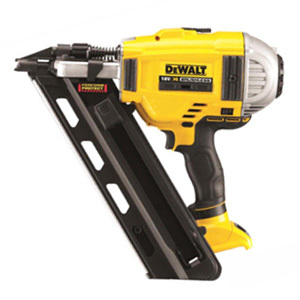
Nail Guns
Nail guns speed up fixing when you have metres of timber to pin and no time for split wood or missed hits.
On first fix, second fix, and fit-out work, a decent power nailer keeps your fixings consistent and your hands off the hammer all day. Choose the right type for the timber and finish, then match the fuel system to how and where you work.
What Are Nail Guns Used For?
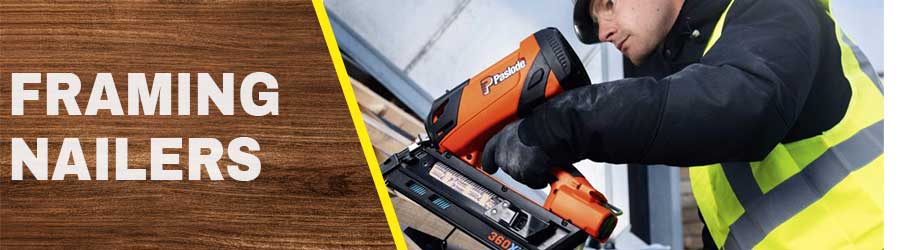
- Building stud walls, roofs, and joists fast with framing nailers, so you can keep lines true without stopping every minute to swing a hammer.
- Fixing skirting, architrave, door linings, and trims with second fix nailers, keeping the work clean with minimal filling and less chance of bruising the timber.
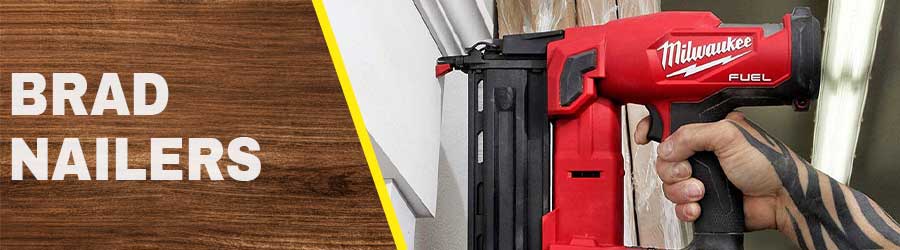
- Running brads into MDF, softwood, and mouldings using brad nailers, where a neat head and controlled depth matters more than brute holding power.
- Working punch lists and snagging in occupied properties with cordless nail guns, so you are not dragging hoses through finished rooms or hunting for a compressor point.
- Batch fixing on site when you need repeatable depth and speed, especially on long days of cladding, battens, and general joinery where consistency saves rework.
Choosing the Right Nail Guns
Match the nailer to the fixings and the finish you need, not just what is on offer, because the wrong type will either mark the work or not hold.
1. First fix vs second fix
If you are building structure, you want a framing nailer that drives larger nails with proper bite into timber. If you are doing trims and visible joinery, go second fix or brad nailers so you get a cleaner head, less splitting, and less making good.
2. Cordless nail guns vs gas
If you are in and out of rooms all day or working where hoses are a pain, cordless nail guns keep you moving and are easier to live with. If you are doing high volume first fix and want lighter weight in the hand, gas nailers can still make sense, but you are committing to fuel cells and more regular cleaning.
3. Fixing size and magazine style
Do not guess nail length and gauge, because it decides holding power and whether the timber splits. Also check the magazine angle and nail type, because the wrong nails will not feed right and you will spend your day clearing jams instead of fixing.
4. Platform choice if you are going cordless
If you already run a battery system, stick with it so you are not carrying extra chargers and packs. Milwaukee nail guns are a solid shout for teams already on that platform, especially when you want a cordless set-up that is ready the moment you grab it.
Who Uses Nail Guns on Site?
- Chippies and roofing gangs using framing nailers to get first fix up quickly and keep momentum on timber frames, joists, and trusses.
- Joiners and shopfitters leaning on second fix nailers and brad nailers for tidy trims, panels, and fit-out where you cannot afford hammer marks.
- Maintenance teams and snaggers who want cordless nail guns for quick, clean fixes in finished spaces without compressors, hoses, or extra set-up.
- Formwork and general site carpentry crews using power nailers to keep fixings consistent when the job is repetitive and time is tight.
The Basics: Understanding Nail Gun Types
Most problems come from using the wrong nailer for the job. Here is the simple breakdown trades use when they are picking what goes in the van.
1. Framing nailers for first fix
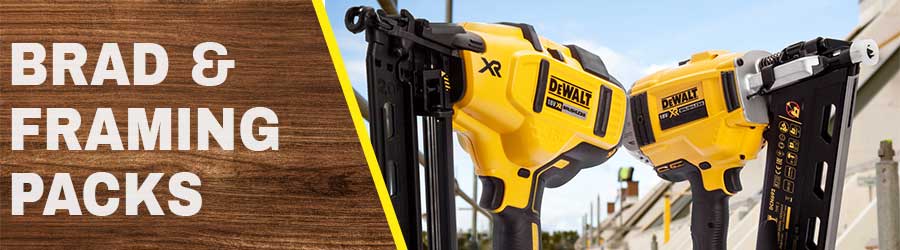
Framing nailers are built to drive bigger nails into structural timber quickly. They are what you reach for on studwork, joists, trusses, and sheathing where speed and holding power matter more than a perfect finish.
2. Second fix nailers for finish work
Second fix nailers are for skirting, architrave, and trims where you want a neat pin and minimal filling. They give you controlled depth so you are not blowing through delicate mouldings or leaving proud heads.
3. Brad nailers for light, tidy fixing
Brad nailers use finer brads for clean work on MDF, softwood trims, and panels. They are ideal when you need to hold pieces while glue sets, or you want a discreet fixing that is quick to make good.
Nail Gun Accessories That Stop Downtime
A few basics in the box saves you walking back to the van and keeps the nailer firing clean all week.
1. Correct nails and brads for your gun
Buy the right gauge, length, and collation for the nailer, because "near enough" is how you end up with misfeeds and constant jams. Keep an extra box on site so you are not swapping to screws halfway through a run of trim.
2. Spare batteries and a fast charger for cordless nail guns
Cordless nail guns are brilliant until the pack dies mid-run and you lose your rhythm. A second battery and a decent charger keeps you fixing while the other pack recovers.
3. Cleaning kit and lubricant
A quick clean-out stops sluggish firing and reduces jamming, especially on high-volume first fix. Keep a brush and the right lube handy and you will notice the difference by the end of the week.
4. Depth setting tips and no-mar pads
On second fix and brad nailers, a no-mar tip stops you denting finished timber and painted surfaces. It is a small add-on that saves filling and touch-ups on handover day.
Shop Nail Guns at ITS.co.uk
Whether you need framing nailers for first fix, second fix nailers for trim work, or cordless nail guns to stay mobile, we stock the full range of nail guns and power nailers in all the key types. It is all held in our own warehouse, in stock and ready for next day delivery so you can get back on the fix without waiting around.
Nail Guns FAQs
Which is better: Gas or Cordless nail guns?
Cordless nail guns are usually the easiest day to day because you just grab the tool and battery and crack on, with no fuel cells to buy and store. Gas nailers can feel lighter for long first fix days and they keep firing consistently, but you will be cleaning them more and you are tied to fuel and the right nails.
What is a first-fix vs second-fix nailer?
First fix is structural work like stud walls, joists, trusses, and sheathing, so you use framing nailers that drive larger nails for holding power. Second fix is finishing work like skirting, architrave, and trims, so you use second fix nailers or brad nailers that leave a smaller, neater hole and are easier to make good.
How do I unjam a DeWalt nail gun?
First, make it safe: remove the battery or disconnect the power source, then drop the magazine and take out the nails. Open the jam release or nose latch if your model has one, clear the bent nail, and check the driver blade moves freely before reloading. If it keeps jamming, it is usually wrong nails, damaged strips, or a dirty nose, so clean it out and switch to the correct collation and size.
Will a nail gun split timber and ruin my finish?
It can if you are using the wrong nail size or firing too close to the edge, especially on dry softwood and thin trims. For finish work, use the right second fix nailer or brad nailer, set the depth properly, and do a couple of test shots on offcuts before you start on the actual architrave or skirting.
Do I need a compressor for power nailers?
Only if you are running pneumatic nail guns. Cordless nail guns and gas nailers are self-contained, which is why they are popular for fit-out and punch work where dragging a hose through finished areas is more trouble than it is worth.