






Milwaukee Fuel
Milwaukee Fuel drill kit is built for harder site drilling, fixing and hole cutting, with brushless power that stands up to daily trade abuse.
If you're drilling joists all day, punching through masonry for fixings, or driving big screws without cooking the motor, this is the range to look at. What is Milwaukee Fuel in simple terms? It is Milwaukee's top-end brushless kit, built around more torque, smarter electronics and longer runtime than standard models. For sparks, chippies, plumbers and fitters who use a drill properly, not just now and then, Milwaukee Fuel drills earn their keep. Pick the right chuck, battery and hammer function for the work, then get stuck in.
What Jobs Are Milwaukee Fuel Drills Best At?
- Drilling repeated fixing holes in brick, block and masonry goes quicker with a Milwaukee Fuel drill when you need solid hammer action that does not fade halfway through the day.
- Driving long timber fixings through stud, joists and sheet material is where these earn their keep, especially on first fix when a weaker drill starts snatching or slowing down.
- Working through metal trunking, cable tray and box section is easier when paired with Milwaukee SHOCKWAVE HSS Drill Bits, giving sparks and fabricators cleaner holes without leaning all over the tool.
- Opening clean holes in panels, enclosures and sheet metal suits a Milwaukee Fuel drill with Milwaukee Step Drill Bits, which is handy for electrical second fix and plant room work.
- Drilling tile, glass and hard finishes for kitchens, bathrooms and fit-out work is far less of a gamble when you use the right speed and match the drill with Milwaukee Tile, Glass & Diamond Drill Bits.
Choosing the Right Milwaukee Fuel Drill
Match it to the work you actually do. Do not buy the biggest Milwaukee Fuel drill in the range if most of your day is light fixing in tight spots.
1. Combi Drill or Drill Driver
If you are regularly drilling masonry for plugs and fixings, get a combi. If most of your work is timber, metal and screwdriving, a drill driver is usually lighter in the hand and nicer to live with all day.
2. Compact or High Torque
If you are in cupboards, risers and ceiling voids, go compact. If you are drilling larger holes, running augers or hole saws, or driving long structural screws day in day out, high torque is the one to spend on.
3. Body, Kit and Battery Size
If you are already on M18, a body only purchase makes sense. If this is your first Milwaukee Fuel drill, buy a proper kit with batteries that suit the load. Small batteries are fine for snagging, but for repeated heavy drilling you want the bigger packs.
4. Chuck and Accessory Compatibility
Check what you need to hold before you buy. If you swap between drill bits, hole cutters and specialist accessories, keep a set of Milwaukee SHOCKWAVE Drill Chucks & Adaptors nearby so you are not wasting time changing the whole setup.
Who Uses These Milwaukee Fuel Drills?
- Sparkies swear by a Milwaukee Fuel drill for tray, trunking, back boxes and panel work because it has the torque for repeated drilling and the control not to wreck smaller fixings.
- Chippies use them for first fix stud, joists, carcassing and long screws, especially when they need one drill that will bore timber in the morning and drive fixings the rest of the day.
- Plumbers and heating engineers reach for them when drilling timber routes, mounting clips and brackets, or fixing into block where a standard combi starts to feel undergunned.
- Kitchen fitters and maintenance teams like the compact models for snagging, cabinet fixing and service work where you need proper power but still have to work in awkward cupboards and corners.
- Site crews using SDS models often add Milwaukee Fuel Drill Dust Collecting Attachments to keep drilling cleaner on occupied jobs and cut down the sweep up after.
The Basics: Understanding Milwaukee Fuel Drills
If you have been asking what is Milwaukee Fuel, the simple answer is this. Fuel is Milwaukee's premium brushless setup, combining the motor, battery and electronics to get more out of the tool under load.
1. Fuel Means Brushless Plus Smarter Control
A Milwaukee Fuel drill uses a brushless motor and onboard electronics to manage power more efficiently. On site that means better runtime, less heat build up and stronger performance when you are pushing into tough material.
2. M18 Is the Battery Platform, Fuel Is the Upgraded Tool Spec
M18 tells you the battery system. Fuel tells you it is one of the stronger, more advanced tools on that system. That matters if your drill gets used hard every day and not just for the odd fixing.
3. More Power Only Helps if the Setup Is Right
Even a powerful Milwaukee Fuel drill will feel poor with the wrong bit, flat batteries or a blunt accessory. Match the tool to the material and it will work properly instead of fighting you all shift.
Milwaukee Fuel Drill Accessories That Save Time on Site
The right accessories stop hold ups, clean up the job and let your Milwaukee Fuel drill cover more work without constant trips back to the van.
1. Dust Collecting Attachments
If you are drilling overhead or working in finished rooms, dust gets everywhere fast. A proper collection attachment keeps the mess down, helps with compliance and saves you wasting half an hour cleaning up after a few fixing holes.
2. Step Drill Bits
These are a lifesaver for electrical panels, trunking and sheet metal. Instead of grabbing three different bits and leaving ragged holes, one step bit opens sizes cleanly and keeps the job moving.
3. HSS Drill Bits
If your work includes metal stud, steel brackets or box section, decent HSS bits matter as much as the drill. Cheap bits burn out, skid and waste time, while the right ones let the drill do its job.
4. Chucks and Adaptors
These stop the usual site faff when you need to swap between accessory types. Keep adaptors in the case and you can move from drilling to driving or specialist bits without hunting for another tool.
Choose the Right Milwaukee Fuel Drill for the Job
Use this as a quick guide before you buy.
| Your Job | Drill Type | Key Features |
|---|---|---|
| General first fix, timber drilling and screwdriving | Compact Milwaukee Fuel drill driver | Good balance, less weight, strong torque, easier in tight spaces |
| Daily fixing into brick and block | Milwaukee Fuel combi drill | Hammer mode, all round site use, handles masonry and fasteners in one tool |
| Large hole saws, augers and structural fixings | High torque Milwaukee Fuel drill | More twisting force, better under load, suits heavier repeated drilling |
| Panels, trunking and sheet metal work | Milwaukee Fuel drill with step bits | Variable speed control, cleaner holes in thin metal, less grabbing |
| Occupied sites or overhead masonry drilling | Milwaukee Fuel SDS drill with dust attachment | Cleaner drilling, better dust control, faster tidy up after fixing work |
Common Buying and Usage Mistakes
- Buying on max torque alone is a common mistake. A big high torque drill is useful for heavy boring and large fixings, but it can feel bulky and tiring if most of your day is light work in tight spots.
- Assuming M18 and M18 Fuel are the same thing catches plenty of buyers out. M18 is the battery platform, while Fuel is the upgraded brushless spec, so check both before you decide what level of tool you actually need.
- Using worn or cheap bits makes a good Milwaukee Fuel drill feel rough and underpowered. If drilling is slow, the bit is often the problem, not the tool, so replace blunt accessories before blaming the motor.
- Running heavy drilling jobs on the smallest batteries leads to poor runtime and more heat. If you are on hole saws, masonry or repeated metal drilling, use battery packs suited to sustained load.
- Forgetting dust control on finished or occupied jobs creates grief later. If you are drilling indoors over clients, desks or final surfaces, add extraction or collection from the start instead of apologising after.
Milwaukee Fuel Drill vs Standard M18 Drill vs SDS Drill
Milwaukee Fuel Drill
This is the one for regular trade use where the drill earns its money every day. You get stronger performance under load, better runtime and a more serious spec for repeated drilling, fixing and hole cutting.
Standard M18 Drill
Still useful if your work is lighter or more occasional, and it keeps you on the same battery platform. It is the sensible buy if you do not need top-end torque or you mainly handle straightforward fixings and general maintenance.
SDS Drill
If most of your day is drilling concrete and masonry, an SDS is the proper answer. A combi drill can cover smaller fixing holes, but for heavier drilling in hard material an SDS is quicker, easier on the tool and easier on your wrists.
Maintenance and Care
Keep the Chuck Clean
Dust and swarf build up round the chuck fast, especially after masonry or metal work. Brush it out regularly so bits seat properly and do not start slipping under load.
Do Not Cook the Tool
If the drill is getting too hot, stop and check the bit, the battery and the job. Forcing a blunt accessory through hard material is the quickest way to shorten the life of any drill.
Look After the Batteries
Store batteries dry, charge them properly and do not leave them loose in the van under other gear. Good battery care keeps runtime steady and avoids the usual cold morning disappointment.
Wipe Down After Dirty Work
Brick dust, plaster and metal filings get everywhere. A quick wipe down after use keeps vents clearer, controls grime around the switches and stops the drill looking half dead after a month.
Replace Consumables Before They Waste Time
Bits, chucks and adaptors wear out. If hole quality drops or the bit starts wandering, change the worn part before it turns a ten minute job into a full afternoon of grief.
Why Shop for Milwaukee Fuel Drills at ITS?
Whether you need a compact Milwaukee Fuel drill for service work, a high torque combi for first fix, or the right bits and accessories to match, we stock the full range. It is all in our own warehouse, ready for next day delivery, so you can get the exact kit you need on site without waiting around.
Milwaukee Fuel Drill FAQs
What is Milwaukee Fuel?
Milwaukee Fuel is Milwaukee's higher-spec brushless tool range. In plain terms, it means a brushless motor, smarter electronics and a setup built to deliver more power and runtime when the tool is under proper site load.
What is the difference between Milwaukee M18 and M18 Fuel?
M18 is the battery platform. M18 Fuel is the upgraded tool range that runs on that platform. So both can use M18 batteries, but Fuel models are generally the stronger, brushless option for heavier daily trade use.
Are Milwaukee Fuel tools more powerful than standard M18?
Yes, in most like-for-like comparisons they are. A Milwaukee Fuel drill is usually better under load, holds speed better and copes with tougher drilling or driving jobs without feeling as strained as a standard M18 model.
Is Milwaukee Fuel worth the extra cost?
If the drill gets used hard most days, yes. You are paying for stronger performance, better runtime and a tool that copes better with repeated trade work. If you only drill the odd fixing now and then, a standard M18 may be enough.
Will a Milwaukee Fuel drill handle masonry properly, or do I need SDS?
For general fixing holes in brick and block, a Fuel combi drill does the job well. If you are drilling lots of holes, going larger, or working in hard concrete all day, get an SDS and save your wrists and your drill.
Are these worth buying body only?
Yes, if you are already on the M18 platform and have the right batteries for the work. If not, a kit is usually the better call, especially if you are buying a Milwaukee Fuel drill for heavier jobs where battery size really matters.
-
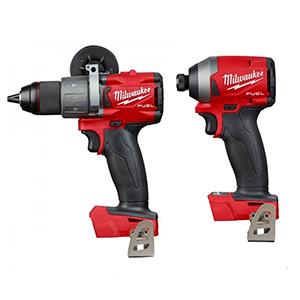
Milwaukee Fuel Drills and Drivers
-
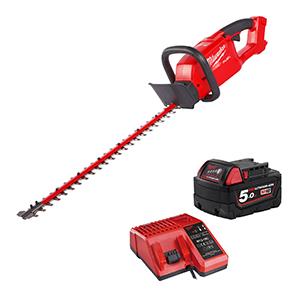
Milwaukee Fuel Garden Power Tools
-
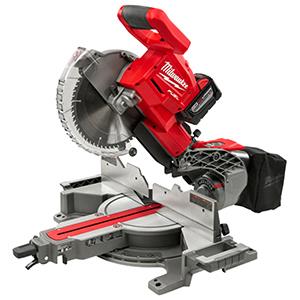
Milwaukee Fuel Saws
-
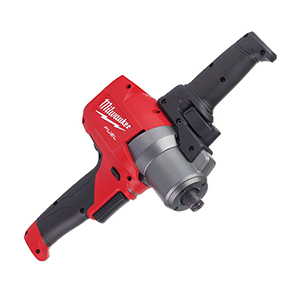
Milwaukee Fuel More Power Tools
-
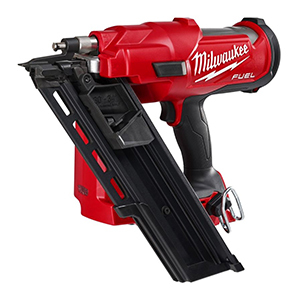
Milwaukee Fuel Nail Guns
-

Milwaukee Fuel Cordless Kits
-
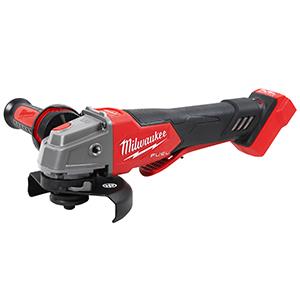
Milwaukee Fuel Angle Grinders
-
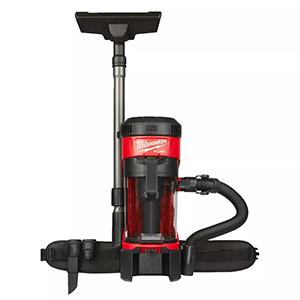
Milwaukee Fuel Vacuums & Dust Extractors
-
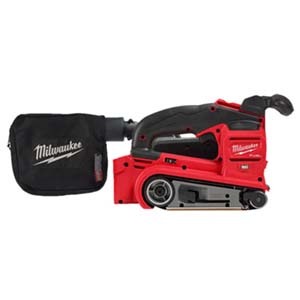
Milwaukee Fuel Sanders
-
Milwaukee Fuel Multi Tools
-
Milwaukee Fuel Routers & Trimmers
-
Milwaukee Fuel Tool Bags & Totes



