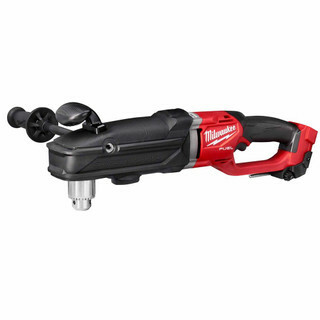
Milwaukee Fuel Drills and Drivers
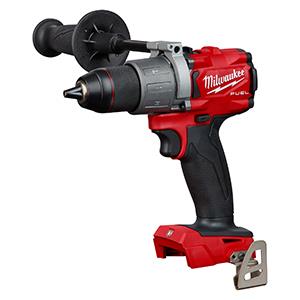
Milwaukee FUEL drills are built for hard site drilling and fixing, from first fix holes to long runs of screws in timber, metal and masonry.
If you're buying a milwaukee fuel drill, buy it for the jobs that chew through lesser kit. These are the drills and drivers sparkies, chippies, kitchen fitters and fixers reach for when they need proper torque, runtime and a chuck that stays true after months in the van. The Milwaukee FUEL range gives you brushless power on the M18 platform, so whether you need a milwaukee driver drill for fast fixing or a combi for block and brick, you can match the tool to the graft and get on with it.
What Jobs Are Milwaukee FUEL Drills and Drivers Best At?
- Drilling repeated holes through joists, stud and sheet materials is where a milwaukee fuel drill earns its keep, especially on first fix when you have got cables, pipe runs and fixings to get in before the next trade lands.
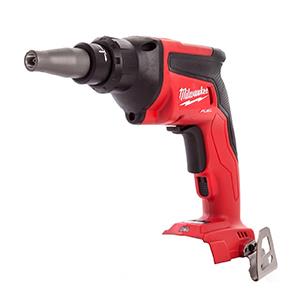
- Driving long screws into timber frames, kitchen carcasses and structural fixings is easier with a milwaukee driver drill because you get the torque and control needed without constantly fighting cam-out or stalling.
- Working into brick, block and light concrete on refurbs and fit-outs suits the Milwaukee FUEL combi models, where hammer action helps with plugs, anchors and bracket fixing without dragging out a larger drill.
- Fitting in tight service voids, cupboards and awkward corners is exactly why trades keep different Milwaukee FUEL drills and drivers on the van, so the right shape and chuck setup is there for the awkward jobs.
- Running all day on busy commercial and domestic sites makes sense with Milwaukee FUEL kit because the M18 platform lets you stay on one battery system instead of juggling chargers and spare tools.
Choosing the Right Milwaukee FUEL Drill
Sorting the right one is simple: match the drilling and fixing you actually do all week, not the biggest spec on the page.
1. Drill Driver or Combi
If you mainly drill timber, metal and plastic, a Milwaukee FUEL drill driver is usually the cleaner choice. If you are regularly fixing into brick or block for plugs and anchors, go straight to Milwaukee FUEL Combi Drills and save yourself carrying a second tool for light masonry work.
2. Drill or Impact for Fixings
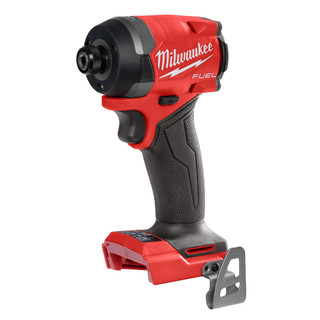
If your day is mostly screws, coach bolts and repetitive fixing, do not force a drill to do an impact driver's job. A drill is better for controlled boring and pilot holes, but for driving fixings quickly and with less wrist strain, look at Milwaukee FUEL Impact Drivers.
3. Standard Chuck or Specialist Shape
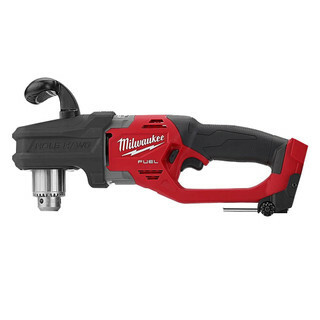
If you work in risers, cupboards, joist bays or behind pipework, overall shape matters as much as power. A standard milwaukee fuel drill covers most jobs, but for awkward access where a normal body will not sit straight, check Milwaukee FUEL Angle Drills.
4. Masonry Fixings or Proper SDS Work
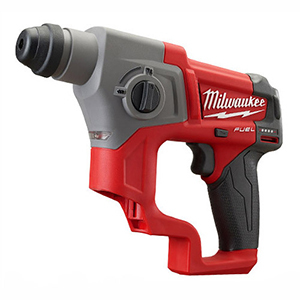
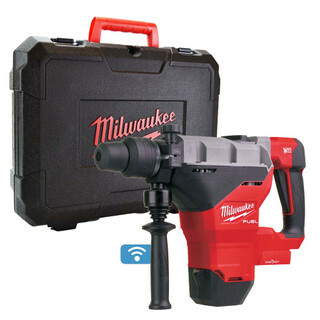
A combi drill is fine for plugs and smaller masonry holes, but do not expect it to replace an SDS on hard concrete all day. If your work means repeated drilling into concrete or chasing heavier anchors, step up to Milwaukee FUEL SDS Drills.
Who Uses These on Site?
- Sparkies swear by a milwaukee fuel drill driver for first fix cable routes, back boxes and tray work, because it has the power for timber and steel without feeling clumsy up steps or in ceiling voids.
- Chippies and kitchen fitters use Milwaukee FUEL drills and drivers for carcass assembly, hanging doors and fixing timber to masonry, where clean control matters as much as outright grunt.
- Plumbers keep a milwaukee m18 fuel drill handy for pipe clips, bracket fixing and drilling joists, and many carry an impact driver alongside it so pilot hole drilling and fixing are both covered without swapping bits all day.
- Dryliners and general builders reach for this kit on refurbs and second fix because it stands up to repeated use, awkward positions and the sort of jobs where cheaper drills start cooking themselves.
- Maintenance teams and site fitters like the wider Milwaukee FUEL Tools platform because once batteries and chargers are on the shelf, adding the right drill for the next job is straightforward.
The Basics: Understanding Milwaukee FUEL Drills and Drivers
The main thing to understand is that not every Milwaukee FUEL drill does the same job. Pick the wrong type and you either waste money or end up fighting the tool all day.
1. Drill Driver for Boring and General Fixing
This is the standard choice for drilling timber, metal and plastics, plus controlled screwdriving. It is the one most trades start with because it covers day to day site jobs without the extra bulk of hammer action.
2. Combi Drill for Brick and Block
A combi adds hammer action, which helps when you need to drill into masonry for plugs, clips and brackets. It is handy on mixed jobs where you are moving between timber stud, sheet material and the odd wall fixing.
3. Impact Driver for Fast Repetitive Fixing
An impact driver is built to drive screws and fixings faster with less kick through the handle. It is not the one for neat round holes, but for long screws, structural fixings and repetitive fitting out, it saves time and your wrist.
Milwaukee FUEL Drill Accessories Worth Having
A few sensible extras stop dead time on site and make your Milwaukee FUEL drill far more useful day to day.
1. Spare M18 Batteries
A spare battery is the obvious one, but it matters more on drilling tools than most. You do not want the tool dying halfway through a run of holes in joists or while fixing overhead with no charged pack nearby.
2. Shock Rated Bit Sets
Decent bits save you from rounded screw heads, wandering pilot holes and wasted time. If you are switching between drilling and fixing all day, a proper mixed set keeps the right sizes together instead of loose in the van.
3. Side Handles
If the model takes one, use it for bigger holes and tougher materials. It gives you more control and stops the drill wrenching your wrist when a bit grabs in timber or catches in steel.
4. Cases and Organisers
Keeping the drill, charger, batteries and bits in one place sounds basic, but it stops you turning up to site with half a kit. Good storage also keeps chucks and vents cleaner than leaving everything loose in the back of the van.
Choose the Right Milwaukee FUEL Drill for the Job
Use this quick guide to sort the right tool type before you buy.
| Your Job | Milwaukee FUEL Type | Key Features |
|---|---|---|
| Drilling timber and metal all day on first fix | Drill Driver | Keyless chuck, controlled torque settings, cleaner drilling without extra hammer bulk |
| Mixed drilling and fixing into timber, brick and block | Combi Drill | Hammer mode for masonry plugs, standard drilling modes, one tool for varied site work |
| Driving long screws and repetitive fixings | Impact Driver | Higher fastening speed, less kickback through the wrist, quick bit changes |
| Working in cupboards, joist bays and service voids | Angle Drill | Compact head shape, better access in tight spots, easier drilling where a standard body will not fit |
| Repeated drilling into concrete and hard masonry | SDS Drill | SDS mechanism, better impact performance, more suitable for anchors and tougher substrates |
Common Buying and Usage Mistakes
- Buying a combi drill when most of your day is screwdriving slows the job down and adds weight you do not need. If fixing is the main task, pair a drill driver with an impact instead.
- Using a drill driver for constant masonry drilling is a fast way to blunt bits and cook the tool. For regular brick and block, choose a combi, and for concrete, move up to SDS.
- Ignoring chuck quality and runout causes wobble, poor hole accuracy and frustration with larger bits. If you drill metal or use bigger wood bits, a solid metal chuck is worth having.
- Choosing only on peak torque numbers usually ends with a tool that is bulkier than the work needs. Look at access, weight and the material you drill every day, not just the headline spec.
- Running blunt or cheap bits in a good Milwaukee FUEL drill wastes the tool's advantage. Good bits cut faster, run cooler and put less strain on the motor and your batteries.
Drill Driver vs Combi Drill vs Impact Driver
Milwaukee FUEL Drill Driver
Best for clean drilling in timber, metal and plastic, plus controlled screwdriving. This is the right pick if accuracy and everyday drilling matter more than hammer action.
Milwaukee FUEL Combi Drill
Better if your work mixes timber, fixings and regular drilling into brick or block. It is more versatile than a drill driver, but usually a bit heavier and less specialised for repetitive screwdriving.
Milwaukee FUEL Impact Driver
This is the one for long screws, structural fixings and fast repetitive driving. It is quicker on fixings and easier on the wrist, but it is not a substitute for a proper chuck drill when you need accurate holes.
Maintenance and Care
Clean the Chuck and Vents
Blow dust out of the vents and wipe the chuck after messy jobs. Packed brick dust and metal swarf shorten tool life and can affect how well bits seat.
Check the Chuck Grip
If bits start slipping, do not ignore it. Keep the jaws clean and inspect for wear, because a tired chuck ruins drilling accuracy and makes hard work of larger bits.
Look After Batteries Properly
Do not leave M18 packs flat for ages in a cold van. Charge them sensibly, rotate them through the week and store them dry if you want proper runtime on site.
Use Sharp, Suitable Bits
A blunt bit makes the tool work harder, drains batteries faster and overheats the motor. Replace worn bits before they start burning timber or skidding across metal.
Store the Kit Together
Keep the milwaukee fuel drill, charger, bits and spare batteries in its case or organiser. It stops damage in the van and means you are not hunting for missing parts at the start of the shift.
Why Shop for Milwaukee FUEL Drills and Drivers at ITS?
Whether you need a compact milwaukee driver drill, a full milwaukee fuel drill driver kit or a heavier duty M18 option for tougher site work, we stock the proper range. That means drill drivers, combis, impacts and specialist options in one place, all in our own warehouse and ready for next day delivery.
Milwaukee FUEL Drills and Drivers FAQs
Does Milwaukee make a fuel drill?
Yes. Milwaukee makes several FUEL drill options on the M18 platform, including drill drivers, combi drills, impact drivers and more specialist layouts. FUEL is the higher spec range, aimed at tougher trade use with brushless motors and stronger all-round performance than basic models.
What drills and drivers are in the Milwaukee FUEL range?
The range covers standard drill drivers, combi drills, impact drivers, SDS drills and angle drills. That gives you options for everyday boring, masonry fixing, repetitive screwdriving, concrete drilling and awkward access work without leaving the M18 battery system.
What's the difference between the Milwaukee FUEL drill driver and combi drill?
The main difference is hammer action. A Milwaukee FUEL drill driver is for timber, metal, plastic and general fixing, while the combi drill adds a hammer mode for drilling into brick and block. If you rarely touch masonry, the drill driver is often the better daily carry.
Is Milwaukee FUEL worth it over standard M18?
If the tool earns its keep five days a week, yes, usually it is. FUEL kit is the range most trades step up to for harder use, longer runtimes and stronger performance under load. If you only use it occasionally, standard M18 can do the job, but for regular site drilling and fixing FUEL is the one most buyers end up wanting.
Does the Milwaukee FUEL drill have a metal chuck?
Many Milwaukee FUEL drill models do use a metal chuck, which is one reason trades like them for tougher work. It stands up better to repeated bit changes and site abuse than lighter duty alternatives, but always check the exact model spec before buying.
Can a Milwaukee FUEL combi drill replace an SDS drill?
Not really, and this catches people out. A combi is fine for plugs, brackets and smaller holes in brick or block, but if you are drilling concrete repeatedly or using larger diameters, an SDS is quicker, cleaner and far easier on the tool.
Are Milwaukee FUEL drills too bulky for kitchen fitting or second fix?
No, not across the board. Some are compact enough for kitchens, bedrooms and general second fix, while others are built more for outright power. The trick is buying for the space you work in most, not just chasing the biggest numbers.
Will a Milwaukee driver drill hold up to daily van and site abuse?
Yes, these are built for proper trade use and they handle daily carry, regular fixing and rougher site conditions well. They are tough, but not magic. Keep the chuck clean, use decent bits and do not leave the kit rattling loose in the back of the van if you want it staying tight and accurate.