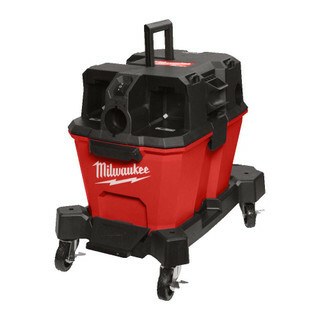
Milwaukee Fuel Vacuums & Dust Extractors
Milwaukee M18 FUEL dust extractor kit is built for cutting, drilling and chasing without filling the job with dust or slowing the day down.
If you're drilling fixings overhead, chasing block for first fix, or trimming boards in a finished space, a Milwaukee FUEL dust extractor earns its keep fast. These cordless units suit trades already on M18, giving you proper site mobility, tool-triggered extraction on selected models, and the choice of L Class kit for general building dust. Pick the right size, class and runtime for the work, and get cleaner cuts with less sweeping up.
What Jobs Are Milwaukee M18 FUEL Dust Extractors Best At?
- Chasing out walls for conduit and back boxes is far more manageable with a Milwaukee M18 FUEL dust extractor keeping brick and plaster dust under control at the source.
- Drilling anchors into concrete ceilings or blockwork goes cleaner and quicker when extraction is linked up, especially on occupied refurb jobs where dust spread causes grief.
- Cutting MDF, flooring, worktops and trim in finished rooms is where a Milwaukee cordless vacuum helps, saving the follow-on trades from dust settling everywhere.
- Snagging, maintenance and small install work across multiple rooms suits an M18 FUEL dust extractor because you can move fast without dragging leads and mains extractors around site.
- Cleaning vans, tool boxes and work areas at the end of the shift is a sensible extra use, especially when you've already got the extractor and batteries in the system.
Choosing the Right Milwaukee M18 FUEL Dust Extractor
Sorting the right one is simple: match the extractor to the dust you make, the tool you run and how long you're away from a socket.
1. L Class or M Class
If you're cleaning up general site mess, softwood dust and light debris, L Class may cover it. If you're drilling, chasing or cutting masonry, plasterboard and hardwood as part of regular site work, do not guess. Check whether the job calls for M Class and buy to the standard, not just the price.
2. Body Only or Full Kit
If you're already stacked with M18 packs and chargers, an m18 fuel dust extractor body only makes sense. If your batteries are mostly tied up in grinders, SDS drills and lights, a full kit saves the usual nonsense of robbing packs mid-job.
3. Capacity and Footprint
For quick fitting work and room-to-room snagging, smaller units are easier to carry and stow in the van. If you're collecting more debris from chasing, drilling or repeated cuts through the day, go bigger so you're not forever emptying it.
4. Tool Trigger and Hose Setup
If the extractor is mainly for saws, sanders or wall chasers, look for tool connection and auto-start compatibility because it keeps dust control consistent and saves faffing with separate switches. Also check hose size and fittings properly or you'll end up bodging connections that leak dust.
Who Uses These on Site?
- Sparkies rely on a Milwaukee fuel dust extractor for chasing, drilling fixings and keeping first fix work cleaner in schools, offices and occupied houses.
- Kitchen fitters and chippies use a Milwaukee cordless dust extractor when trimming panels, scribing worktops and cutting boards indoors where dust gets everywhere fast.
- Dryliners and refurb teams keep one close for drilling track, cutting board and tidy-up work, especially when moving room to room all day.
- Maintenance teams and snagging crews swear by cordless extraction because it saves hauling a larger mains unit in for short jobs that still need proper dust control.
- Site managers and handover teams often add one for quick clean-downs and to keep work areas presentable while trades are still finishing around clients or tenants.
The Basics: Understanding Milwaukee M18 FUEL Dust Extractors
The important bit is not just suction. It is matching the extractor class, battery setup and tool connection to the kind of work you actually do.
1. Dust Class Matters First
The class tells you what dust the machine is designed to handle. L Class covers lower risk dust and general clean-up. M Class is the site standard for more hazardous fine dust from materials like concrete, brick and hardwood, so this is the one many trades need for everyday drilling and cutting.
2. Cordless Changes How You Work
A milwaukee 18v fuel dust extractor lets you work where mains power is awkward, upstairs in refurbs, outside on fit-out, or in occupied areas where dragging leads through the place is a pain. The trade-off is runtime, so battery size and spare packs matter more than they would on a corded unit.
3. Tool Connection Keeps Dust at Source
When the hose is connected straight to the tool, you catch a lot more dust before it hits the room, your lungs or the client's furniture. That is the real gain on site because it cuts clean-up time and keeps follow-on trades happier.
Milwaukee Dust Extractor Accessories That Save Time on Site
The right add-ons stop poor suction, messy emptying and wasted trips back to the van.
1. Hoses and Tool Adaptors
Get the right hose and adaptor setup so your saw, sander or chaser actually seals up properly. A loose fit is no good to anyone and usually means dust blowing straight past the extraction point.
2. Dust Bags
A proper bag system makes emptying quicker and a lot less filthy, especially after masonry dust. Keep spare Milwaukee Dust Bags in the van so you are not trying to shake out fine dust in a client's driveway.
3. Filters
A tired or clogged filter kills airflow and makes the extractor work harder for less result. Swapping filters on time keeps suction where it should be and stops you blaming the machine for a maintenance issue.
4. Spare Batteries
A cordless extractor is only handy while it is running. Keep a set of Milwaukee Batteries ready if you are extracting all day alongside your other M18 kit.
Choose the Right Milwaukee M18 FUEL Dust Extractor for the Job
Use this as a quick guide before you buy.
| Your Job | Category or Type | Key Features |
|---|---|---|
| Room to room snagging and maintenance | Compact M18 fuel dust extractor body only | Smaller footprint, quick carry, ideal if you already own batteries and charger. |
| Drilling and cutting in occupied properties | Milwaukee cordless dust extractor with tool connection | Hose compatibility, auto-start on supported models, cleaner working around clients and tenants. |
| General building dust and site clean-up | L Class extractor | Suitable for lower risk dust, easier day to day clean-down and van use. |
| Regular masonry drilling, chasing and fine dust control | M Class extractor | Higher dust control standard, better suited to demanding site compliance and fine particulate collection. |
| Longer shifts away from mains | Full kit extractor with higher capacity batteries | Less downtime, better runtime, no borrowing packs from your drill and grinder. |
Common Buying and Usage Mistakes
- Buying on size alone and ignoring dust class is the big one. A compact unit is handy, but if the work needs M Class and you buy L Class, you have solved nothing and may not meet site requirements.
- Assuming any hose fits any tool wastes time and loses suction. Check the port size and adaptor setup before the job or you will end up taping joints and chasing leaks all day.
- Running tired filters and overfilled bags is a false economy. Suction drops off, dust escape gets worse and the machine ends up working harder than it needs to.
- Choosing body only without enough batteries sounds cheaper until the extractor dies halfway through a cut list. If the same packs are powering the rest of your M18 kit, plan for extra runtime.
- Using a cordless vacuum like a rubble skip will shorten its life. Fine dust and tool extraction are its strength, but larger wet waste and heavy debris need checking against the machine spec first.
L Class vs M Class vs Corded Extractors
L Class
L Class suits general clean-up and lower risk dust where site rules allow it. It is a practical choice for van tidying, light refurb work and everyday debris, but it is not the answer for every drilling and chasing job.
M Class
M Class is the one many trades should be looking at for regular masonry, brick, concrete and hardwood dust. It costs more, but if you are doing proper site drilling and cutting, it is usually the safer and more suitable route.
Cordless M18 FUEL
Cordless M18 FUEL extractors are made for mobility, fast setup and working where leads are a nuisance. They are ideal for snagging, installs and occupied spaces, but runtime needs managing if extraction is on all day.
Corded Extractors
Corded machines still make sense for fixed work areas and long, heavy extraction sessions where nonstop runtime matters more than portability. If you are moving floor to floor or room to room though, the lead soon becomes the problem.
Maintenance and Care
Empty It Before It Chokes
Do not wait until the drum is rammed full. Empty debris and change bags before suction drops right off, especially after brick, plaster and concrete dust.
Keep Filters Clean
Filters clog quicker than most lads think on fine dust. Clean or replace them on schedule or the extractor will feel weak no matter how good the motor is.
Check Hoses and Seals
A split hose or poor seal kills performance straight away. Give the hose, cuffs and tool adaptors a quick look before each job, particularly if the kit lives loose in the van.
Store Batteries Sensibly
Take batteries off for storage if the extractor is parked up for a while, and keep packs dry and out of extreme heat or cold. It helps runtime and avoids finding a flat pack when you need it most.
Replace Worn Consumables Early
Filters, bags and adaptors are cheaper than lost time and poor dust control. If it is leaking, blocked or not sealing properly, sort it before the next cut, not after the room is covered.
Why Shop for Milwaukee M18 FUEL Dust Extractors at ITS?
Whether you need a compact milwaukee cordless vacuum for snagging or a site-ready extractor for regular drilling and cutting, we stock the full range of Milwaukee options, including Milwaukee FUEL L-Class Extractors and Vacuums and the parts to support them through Milwaukee Dust Extractor Accessories. It is all held in our own warehouse, in stock and ready for next day delivery.
Milwaukee M18 FUEL Dust Extractor FAQs
What dust extractors are in the Milwaukee FUEL range?
The Milwaukee FUEL range covers cordless vacuums and dust extractors built around the M18 platform, including compact units for mobile clean-up and extractor models aimed at tool-connected dust control. The main thing is to separate a general cordless vacuum from a proper extractor with the class rating and features your site work needs.
What's the difference between L-Class and M-Class extraction?
L Class is for lower risk dust and general site clean-up. M Class is the more serious option and is commonly needed for fine dust from concrete, brick, plaster and hardwood. If your day involves chasing, drilling or cutting masonry on a regular basis, M Class is usually the one to focus on.
Does the Milwaukee extractor connect to power tools for auto-start?
Some Milwaukee extractor models do support tool connection and auto-start functions, but not every vacuum in the range is set up the same way. Check the model details before buying, because if you want it for a wall chaser, saw or sander, this feature makes a real difference on site.
What does Milwaukee FUEL mean on the dust extractor?
Milwaukee FUEL means it is part of Milwaukee's higher spec cordless range, normally combining a brushless motor, smarter electronics and stronger all-round performance under load. In plain terms, it is the range trades buy when the kit is expected to work hard, not just come out now and then.
Will standard M18 batteries run the FUEL dust extractor?
Yes, standard M18 batteries will run M18 FUEL machines as long as the model is part of that platform. The honest bit is this though. Extraction uses power steadily, so small packs will run it, but for decent runtime on real jobs you will usually want higher capacity batteries.
Is a body only Milwaukee fuel dust extractor worth it?
Yes, if you are already deep into M18 and have enough good batteries to spare. If all your packs are already committed to drills, grinders and lights, body only can be a false saving and you will feel it halfway through the day.
Can I use this as both a site vacuum and a dust extractor?
Usually yes, within the limits of the model. Most lads will use it for tool extraction during the job and then give the area or van a quick clean after. Just do not treat it like a rubble tub and always check what type of waste the machine is rated to handle.