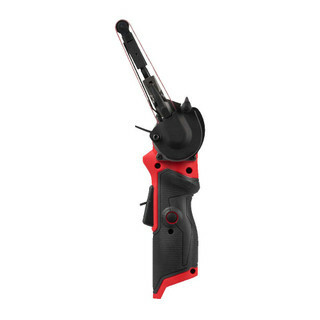
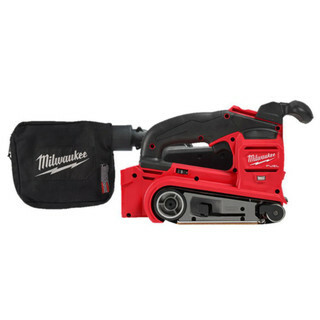
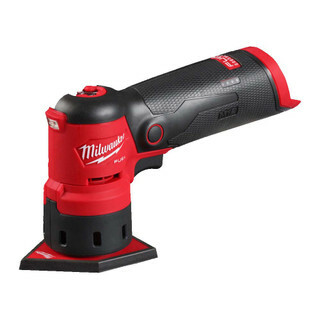
Milwaukee Fuel Sanders
Milwaukee M18 FUEL sanders are built for fast stock removal, clean finishing, and snag work without trailing leads across site or the workshop.
If you're flattening doors, easing edges, denibbing joinery or finishing fitted work, a Milwaukee m18 fuel sander saves time without dragging a lead round fresh installs. The FUEL range gives you cordless control, proper dust collection and the grunt for daily site use. If you already run Milwaukee FUEL, it makes sense to keep your sanding kit on the same batteries and get the right one for the work.
What Are Milwaukee M18 FUEL Sanders Used For?
- Finishing fitted joinery, wardrobes and kitchen end panels is where a milwaukee fuel sander earns its keep, giving you a clean surface without wrestling a cord through a customer's house.
- Sanding doors, frames and skirtings during second fix is quicker with an m18 fuel sander, especially when you are moving room to room and only need to grab the tool and get on with it.
- Cleaning up filler, paint edges and snagging work on refurb jobs is easier with a milwaukee cordless sander because you can work in tight spots, on stairs and in awkward corners without hunting for power.
- Stripping back rough timber or levelling high spots on site suits the more aggressive options in the range, especially if you need fast removal before repainting, staining or final assembly.
- Working in occupied properties or finished spaces is more manageable when the sander has proper extraction fitted, cutting the dust that settles over new floors, window boards and fresh decoration.
Choosing the Right Milwaukee M18 FUEL Sander
Sorting the right one is simple: match the sanding action to the finish you need, not just whatever is cheapest.
1. Fast Removal or Fine Finish
If you are removing material quickly, flattening rough timber or stripping back old finishes, go for a more aggressive setup like Milwaukee FUEL Belt Sanders. If you are finishing doors, furniture panels or paint prep, a random orbit model is usually the safer bet for a cleaner surface.
2. Large Flat Areas or Tight Corners
For tabletops, doors and wide boards, a round pad covers ground faster and leaves a more even scratch pattern. If you are working into corners, along mouldings or on fiddly trim, look at Milwaukee FUEL Detail Sanders & Delta Sanders because they get where larger pads simply cannot.
3. Body Only or Full Kit
If you are already deep into M18, an m18 fuel sander body only is the sensible buy. If this is your first cordless sander or you are using it all day, a kit with charger and batteries saves you getting caught short halfway through a run of doors.
4. Dust Collection Matters More Than You Think
Do not ignore extraction. If you are sanding in finished houses, on refurbs or in a joinery shop, make sure the model and backing pads work properly with bags or extraction. It saves a lot of sweeping and gives you a clearer view of the surface as you work.
Who Uses These Sanders on Site?
- Chippies use a milwaukee m18 fuel sander for second fix, easing doors, cleaning up scribes and getting timber ready for paint or lacquer without trailing a cable through finished rooms.
- Joiners and shopfitters swear by them for bench work and on-site fitting, especially when they need a flat, controllable finish on panels, trim and veneered boards.
- Decorators reach for a milwaukee sander when denibbing between coats, feathering filler repairs and sorting snagging before the final finish goes on.
- Maintenance teams and property repair crews keep an m18 fuel sander body only in the van when they already run M18 batteries and need quick sanding for patch repairs, doors and handrails.
- Kitchen fitters and installers use them for edge work, scribes and final tidy-up passes where a corded unit is just more faff than help.
The Basics: Understanding Milwaukee M18 FUEL Sanders
Not every sander does the same job. The main thing is knowing which action suits the material, the finish and how much stock you need to remove.
1. Random Orbit Sanders
These spin and orbit at the same time, which helps stop obvious swirl marks and leaves a neater finish. They are the standard choice for timber finishing, denibbing between coats and general second-fix sanding. See Milwaukee FUEL Random Orbit Sanders if that is the sort of work you do most.
2. Detail and Delta Sanders
These use a pointed pad to get into corners, along edges and around shaped trim where a round pad misses out. They are handy for stair parts, window boards, filler repairs and snagging work in tight spots.
3. Belt Sanders
These are for heavier removal. A moving sanding belt shifts material quickly, so they suit rough timber, levelling high spots and bigger prep jobs, but they are less forgiving if all you need is a fine finish before decorating.
Milwaukee Sander Accessories That Save Time on Site
The right consumables and spares make more difference than most lads expect once the sander is in daily use.
1. Sanding Pads and Sheets
Keep a proper spread of grits ready, because there is no point owning a good sander if you are trying to finish timber with a worn-out sheet. Milwaukee Sanding Pads & Sheets save you from rough finishes, slow cutting and wasting time rubbing harder instead of changing abrasive.
2. Dust Bags or Extraction Adaptors
Get the right dust collection setup sorted from day one. It cuts airborne dust, keeps the work visible and saves you the grief of cleaning down a finished room after a quick sanding job turned into a mess.
3. Spare Backing Pads
Backing pads wear out, especially if the sander is used hard or sheets are ripped off carelessly. Keeping a spare stops the whole tool feeling useless just because the hook and loop face has given up.
Choose the Right Milwaukee M18 FUEL Sander for the Job
Use this as a quick guide before you pick your sanding setup.
| Your Job | Category or Type | Key Features |
|---|---|---|
| Finishing doors, panels and general timber prep | Random orbit sander | Cleaner finish, good control, suits medium to fine grit work and everyday second-fix sanding. |
| Sanding corners, edges and awkward trim | Detail or delta sander | Pointed pad reaches tight areas, easier on mouldings, useful for snagging and repair work. |
| Removing stock fast from rough timber | Belt sander | Higher removal rate, better for flattening and stripping, more suited to bigger prep jobs. |
| Adding to an existing M18 setup | Body only sander | Best value if you already own batteries and charger, handy for van stock and expanding your kit. |
| Working in finished or occupied properties | Sander with proper dust collection | Cleaner working, less airborne dust, better visibility on the surface and less clean-up after. |
Common Buying and Usage Mistakes
- Buying a belt sander for fine finishing work is a common one. It will remove material quickly, but it is easier to gouge the surface, so use a random orbit model if finish matters.
- Using worn or clogged abrasives wastes battery and time. If the sheet has stopped cutting, change it rather than leaning harder on the tool and cooking the finish.
- Ignoring dust extraction makes the job dirtier and the finish harder to judge. Fit the bag or extractor and you will see the surface properly instead of sanding blind through dust.
- Choosing body only without enough batteries catches plenty of lads out. If the sander is for regular use, make sure your M18 batteries have enough capacity to keep you moving.
- Using the wrong grit sequence leaves extra work later. Start coarse only if you need proper removal, then work through the grades instead of trying to get a finishing result in one pass.
Random Orbit vs Detail vs Belt Sanders
Random Orbit Sanders
This is the all-rounder for most site joinery and decorating prep. It gives a tidier finish than a belt sander and covers more area than a detail sander, so it is usually the first pick for doors, panels and timber finishing.
Detail Sanders
Detail sanders come into their own on corners, edges and shaped sections. They are not the fastest option for large flat boards, but they save time where a round pad cannot reach and hand sanding would drag on.
Belt Sanders
If you need material gone quickly, this is the one. Belt sanders are better for stripping and flattening, but they are heavier-handed on fine work, so they suit rough prep more than final finishing.
Maintenance and Care
Clean the Dust Ports
Empty bags and clear dust ports regularly. Once extraction blocks up, the tool runs dirtier, the pad clogs faster and the finish usually gets worse.
Check the Backing Pad
Have a look at the hook and loop face for wear or damage. If sheets stop gripping properly, change the pad before they start flying off mid job.
Do Not Store It Loaded With Dust
After a dirty shift, wipe the body down and do not leave the tool packed away full of fine sanding dust. It helps switches, vents and moving parts last longer.
Use Fresh Abrasives
Old sheets make the tool work harder for less result. Fresh abrasive cuts cleaner, runs cooler and puts less strain on the motor and battery.
Look After the Batteries
Let hot batteries cool before charging and keep them dry in transit and storage. A sander used hard can draw plenty, so battery care makes a noticeable difference over time.
Why Shop for Milwaukee M18 FUEL Sanders at ITS?
Whether you need a milwaukee fuel sander for fine finishing, a more aggressive setup for stock removal, or an m18 fuel sander body only to add to your kit, we stock the full range in one place. That means the key types, sizes and accessories are all in our own warehouse, in stock and ready for next day delivery.
Milwaukee M18 FUEL Sander FAQs
What sanders are in the Milwaukee FUEL range?
The Milwaukee FUEL range covers the main site sanding jobs, including random orbit models for general finishing, detail and delta types for corners and trim, and belt sanders for quicker stock removal. It is a practical spread for chippies, decorators and fitters who need cordless sanding without giving up proper performance.
Do Milwaukee FUEL sanders have dust extraction?
Yes, many Milwaukee FUEL sanders are built with onboard dust collection or extraction compatibility. In real use, that means less mess on finished jobs, a clearer view of the surface and less time sweeping up afterwards, though you still want the right bag or extractor setup fitted properly.
Which Milwaukee sander is best for finishing timber?
For most timber finishing, a Milwaukee random orbit sander is the sensible choice. It gives a neater finish on doors, panels, skirting and joinery than a belt sander, and it is far more efficient than hand sanding when you have a run of work to get through.
What does Milwaukee FUEL mean on the sander?
Milwaukee FUEL means the tool is part of Milwaukee's higher-spec cordless range, built around a brushless motor and electronics designed for harder daily use. In plain terms, you are buying more runtime, better efficiency under load and a tool that is better suited to regular site graft.
Will standard M18 batteries run the FUEL sander?
Yes, standard M18 batteries will run a Milwaukee M18 FUEL sander as long as the tool is on the M18 platform. That said, if you are sanding for longer stretches, higher-capacity packs make more sense because sanding can be steady, continuous work rather than quick bursts.
Is a body only Milwaukee fuel sander worth it?
If you already own M18 batteries and chargers, yes, body only is usually the smarter buy. It keeps the cost down and avoids doubling up on gear you already have, but only if your current batteries are up to the runtime you need.