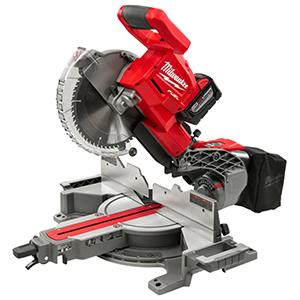
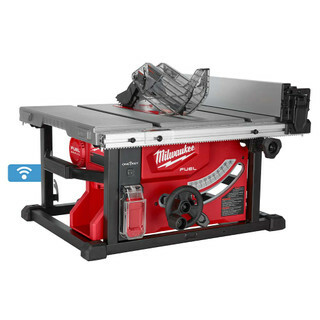
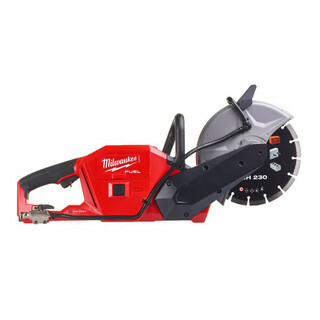
Milwaukee Fuel Saws
Milwaukee M18 FUEL saws are built for fast, hard site cutting, from first-fix timber and sheet stock to demolition, trim work and awkward overhead jobs.
If you're cutting all day, you want a Milwaukee m18 fuel saw that keeps its speed up under load and does not bog down halfway through wet timber or sheet goods. This Milwaukee FUEL range covers everything from Milwaukee FUEL Circular Saws for first fix, to Milwaukee FUEL Jigsaws for cleaner shaped cuts, and Milwaukee FUEL Reciprocating Saws when it is straight into strip-out. If you already run Milwaukee FUEL kit, matching your saw to the job saves time, saves battery swaps, and stops you buying the wrong body for work it was never meant to do.
What Jobs Are Milwaukee M18 FUEL Saws Best At?
- Cutting first-fix timber, sheet material, and flooring on busy site days where a Milwaukee fuel saw needs to stay accurate and keep pulling through repeated cuts.
- Breaking down doors, old stud, pipe boxing, and mixed materials during refurb and strip-out work where an m18 fuel saw with the right blade saves dragging corded gear room to room.
- Trimming kitchens, worktops, skirting, and scribed panels where a Milwaukee cordless saw gives you cleaner control and less faff than setting up larger kit for short runs.
- Working overhead, in lofts, or out on second fix where an m18 fuel saw body only makes sense if you already own the batteries and just need the bare tool on the van.
- Handling quick outside cuts on roofing, decking, and site hoarding where Milwaukee 18v FUEL saws earn their keep by being ready straight out the box without leads or generators.
Choosing the Right Milwaukee M18 FUEL Saw
Sorting the right one is simple. Match the saw to the material and the way you actually work, not just the badge on the side.
1. Circular Saw for Straight Timber and Sheet
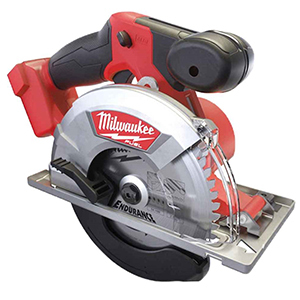
If most of your day is first-fix timber, flooring, sheet stock, or repeated straight cuts, go circular. It is quicker, more consistent, and less tiring than trying to force other saws through work they were not built for.
2. Jigsaw for Shape Work and Finer Cuts
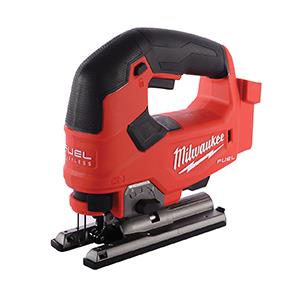
If you are cutting sink cut-outs, curves, scribes, or detailed trim, buy the jigsaw. Do not expect a recip or circular saw to do neat finish work, because they will not.
3. Reciprocating Saw for Strip Out and Mixed Materials
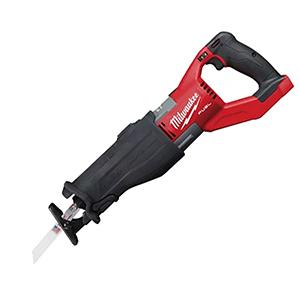
If the job is demolition, pipe runs, old frames, or hidden nails in timber, pick a recip. It is the one for fast rough cutting where access is awkward and neat edges do not matter.
4. Body Only or Full Kit
If you already run M18 every day, an m18 fuel saw body only is the sensible buy. If this is your first Milwaukee saw or you do not have high-output batteries yet, a kit saves you getting caught short on runtime.
Who Uses These Milwaukee FUEL Saws?
- Chippies and first-fix carpenters swear by a Milwaukee m18 fuel saw for ripping sheet, cutting joists, and trimming studwork without losing time moving extension leads around site.
- Kitchen fitters and second-fix joiners use Milwaukee fuel saws for tighter, cleaner work where control matters more than brute force, especially when working inside finished rooms.
- Demolition crews, plumbers, and electricians reach for a Milwaukee fuel saw body only when they already run M18 and need a fast cutting tool for pipe, trunking, timber, and strip-out work.
- Roofers and maintenance teams use an m18 fuel saw for quick repairs, access work, and cutting on the move, where carrying compact cordless kit up ladders is easier than corded gear.
The Basics: Understanding Milwaukee FUEL Saws
Milwaukee FUEL is not just a label. It tells you the saw uses the brand's higher-spec motor, electronics, and battery control to hold cutting speed better on site. Here is what matters in real use.
1. FUEL Means Better Load Handling
When you push into thicker timber, sheet packs, or rougher demolition cuts, a Milwaukee fuel saw is designed to keep the blade moving instead of slowing right down. That means cleaner progress and less forcing from you.
2. Different Saw Types Solve Different Problems
A circular saw is for fast straight cuts, a jigsaw is for curves and finish work, and a reciprocating saw is for access and strip-out. Buy the type that matches the day job, otherwise you will always be compromising.
3. Battery Choice Changes Performance
Yes, standard M18 batteries fit, but harder cutting jobs usually feel better on higher-capacity packs. If you are using a Milwaukee 18v fuel saw all day, the right battery matters just as much as the tool body.
Milwaukee Saw Accessories That Save Time on Site
The right extras stop poor cuts, wasted blades, and trips back to the van when the job is already moving.
1. Spare Blades
A saw is only as good as the blade in it. Keep the right Milwaukee Saw Blades for timber, metal, laminate, and demolition work, otherwise you end up burning cuts, tearing faces, or shaking the life out of the tool.
2. Higher Capacity M18 Batteries
Do not get caught halfway through a run of sheet cuts or strip-out work with a flat pack. Bigger batteries help an m18 fuel saw hold performance better and cut down how often you are swapping over.
3. Dust Bags and Extraction Adaptors
For indoor joinery and finish work, proper dust collection saves a lot of cleanup and keeps pencil lines visible. It is worth fitting if you are working in occupied homes or near finished surfaces.
4. Guide Rails and Clamps
If your saw supports rail work, use it for cleaner long cuts in sheet material. It saves wrestling with improvised straight edges and gives you a more repeatable finish on site fit-out work.
Choose the Right Milwaukee M18 FUEL Saw for the Job
Start with the cut you do most, then pick the saw type that suits it.
| Your Job | Category or Type | Key Features |
|---|---|---|
| First-fix timber, sheet stock, and repeated straight cuts | M18 FUEL Circular Saw | Fast cutting, good depth capacity, better for joists, boards, and daily site carpentry |
| Curves, cut-outs, scribing, and neater finish work | M18 FUEL Jigsaw | Better control, tighter turning, cleaner visible cuts in panels and trim |
| Strip-out, hidden nails, pipe, and awkward access work | M18 FUEL Reciprocating Saw | Built for rough cutting, demolition work, and mixed materials where speed matters |
| Buying into the platform with batteries already owned | M18 FUEL Saw Body Only | Cheaper entry if you already run M18 packs and chargers across the van |
| Long cutting sessions and harder materials | M18 FUEL Saw Kit with larger battery packs | Better runtime, fewer battery changes, more consistent cutting under load |
Common Buying and Usage Mistakes
- Buying a reciprocating saw for neat carpentry cuts is a common mistake. It is brilliant for strip-out, but if you need straight clean edges in sheet or timber, buy a circular saw or jigsaw instead.
- Using the wrong blade for the material slows the cut, drains the battery, and leaves a rough finish. Match blade type and tooth pattern to timber, metal, laminate, or demolition work.
- Choosing body only without enough batteries sounds cheaper at first, but it wastes time if your packs cannot keep up. If the saw will be used daily, make sure your battery setup is up to it.
- Forcing the saw through the cut instead of letting the blade work causes wandering, splintering, and unnecessary wear. A sharp blade and steady feed rate will always do a better job.
- Ignoring rail compatibility and dust extraction on indoor fit-out jobs can cost you finish quality and cleanup time. If accuracy matters, check these details before you buy.
Circular Saws vs Jigsaws vs Reciprocating Saws
Circular Saw
Best for fast, straight cutting in timber and sheet goods. If you are doing first-fix, flooring, or repeated breakdown cuts, this is usually the right Milwaukee m18 fuel saw to start with.
Jigsaw
Best for curves, cut-outs, and finer visible work. It is slower on long straight runs, but it gives you control where a circular saw is too blunt an option.
Reciprocating Saw
Best for demolition, awkward angles, and rough mixed-material cuts. It is not the saw for finish work, but when speed and access matter, it is the one that gets grabbed.
Body Only vs Kit
Body only suits trades already deep into M18. A full kit makes more sense if this is your first Milwaukee fuel saw or you need batteries and charger ready for work straight away.
Maintenance and Care
Keep the Blade Right
Most poor saw performance comes down to a tired or wrong blade. Change blades before they start burning, tearing, or bouncing through the cut.
Brush Off Dust and Debris
After use, clear packed dust, chips, and site muck from guards, shoe plates, vents, and blade clamps. It keeps moving parts working properly and helps you spot wear early.
Check Shoes, Guides, and Guards
If the base is bent or the guard sticks, your cuts will be off before you even start. Give the saw a quick once-over after transport and after any drop.
Store Batteries Properly
Do not leave packs flat in a cold van for weeks. Charged and stored properly, they last longer and keep your Milwaukee cordless saw performing properly when you need it.
Replace Worn Blades Before the Tool Takes the Strain
A struggling blade makes the saw work harder, drains runtime, and can spoil the finish. Blades are cheap compared with lost time and rough rework.
Why Shop for Milwaukee M18 FUEL Saws at ITS?
Whether you need a compact Milwaukee saw for quick trim work, a hard-working circular saw for first fix, or a recip for strip-out, we stock the full range of Milwaukee fuel saws in one place. That means body only tools, kits, and the key blades and accessories to go with them, all in our own warehouse and ready for next day delivery.
Milwaukee M18 FUEL Saw FAQs
What saws are in the Milwaukee FUEL range?
The Milwaukee FUEL saw range covers the main site cutting jobs properly. You will find circular saws for straight cutting in timber and sheet, jigsaws for curves and neater finish work, and reciprocating saws for demolition, access cuts, and mixed materials.
Which Milwaukee FUEL saw is best for general site carpentry?
For general site carpentry, a Milwaukee FUEL circular saw is usually the one to buy first. It is the most useful all-rounder for cutting stud, joists, sheet material, and flooring. If your work leans more towards finish fitting and cut-outs, add a jigsaw after that.
Are Milwaukee FUEL saws compatible with guide rails?
Some are, some are not, so check the individual saw before you assume. If rail work matters for sheet cutting and cleaner accuracy, make sure the model is designed for it or has the right compatible base setup. It is not something to guess at after it arrives.
What does Milwaukee FUEL mean on the saw?
FUEL is Milwaukee's higher-spec cordless platform. In plain terms, it means a brushless motor and electronics designed to give better cutting performance, better load handling, and more efficient battery use than lower-spec tools.
Will standard M18 batteries run the FUEL saw?
Yes, standard M18 batteries will run an M18 FUEL saw as long as the tool is on the same platform. That said, bigger packs usually make more sense on saws because they give longer runtime and help the tool hold performance better on tougher cuts.
Is body only worth buying on a Milwaukee saw?
Yes, if you already own enough M18 batteries and a charger. It is the cheapest way to add another tool to the platform. If you do not have decent capacity packs already, body only can be a false economy.