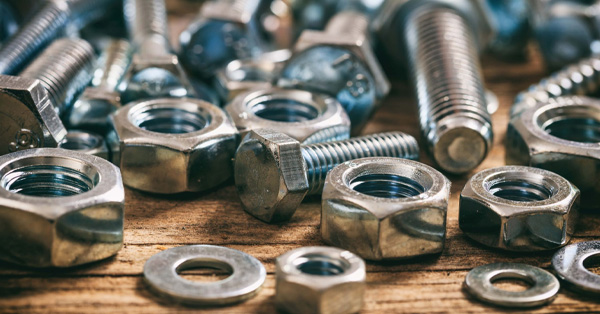
Fixings & Fasteners

Fixings and fasteners are crucial for any trade professional looking to secure materials with confidence. These components are the backbone of construction, ensuring everything from timber frameworks to plasterboard installations stays put. Whether you're anchoring heavy loads or assembling cabinetry, the right fixings ensure stability and longevity. Designed to withstand the rigours of daily site use, these essentials promise reliability where it counts.

What Are Fixings & Fasteners Used For?

  • Structural Framing Essential for securing timber frames and joists when constructing walls or ceilings.
  • Drywall Installation Keeps plasterboard firmly in place, ideal for partition walls and ceilings.
  • Cabinetry and Joinery Provides a secure hold for assembling kitchen units and bespoke joinery projects.
  • Heavy Load Anchoring Used for fixing heavy items like radiators or shelving to solid walls.

Who Uses These?

  • Carpenters and joiners who need reliable fixings for timber and joinery applications.
  • Plasterers and drywall installers securing plasterboard to metal or wooden studs.
  • General builders and handymen for everyday construction and repair tasks.
  • Electricians and plumbers for mounting fixtures and fittings securely.

Choosing the Right Fixings & Fasteners

Selecting the correct fixings and fasteners is essential for ensuring structural integrity and job efficiency.

1. Material Compatibility

Consider the material you are working with-wood, metal, or masonry-as different fixings are designed for specific substrates.

2. Load Requirements

For heavy-duty applications, choose fixings with high load ratings to ensure safety and durability.

3. Environment

If working in damp or corrosive environments, opt for stainless steel or galvanised fixings to prevent rust.

Essential Accessories for Fixings & Fasteners

Enhance your fastening tasks with these practical add-ons:

1. Drill Bits

Ensure precise pilot holes with the right drill bits for wood, metal, or masonry.

2. Anchors and Plugs

Use wall anchors and plugs to secure screws in hollow or brittle surfaces.

Fixings & Fasteners FAQs

What type of fixing should I use for plasterboard?

Use drywall screws or specialised plasterboard anchors to prevent damage and ensure a secure hold.

Can stainless steel fixings be used outdoors?

Yes, stainless steel fixings are ideal for outdoor use due to their resistance to rust and corrosion.

How do I determine the right length of screw or bolt?

The length should be sufficient to penetrate the substrate and secure the material, generally at least twice the thickness of the material being fixed.
Read more

Fixings & Fasteners

Fixings and fasteners are crucial for any trade professional looking to secure materials with confidence. These components are the backbone of construction, ensuring everything from timber frameworks to plasterboard installations stays put. Whether you're anchoring heavy loads or assembling cabinetry, the right fixings ensure stability and longevity. Designed to withstand the rigours of daily site use, these essentials promise reliability where it counts.

What Are Fixings & Fasteners Used For?

  • Structural Framing Essential for securing timber frames and joists when constructing walls or ceilings.
  • Drywall Installation Keeps plasterboard firmly in place, ideal for partition walls and ceilings.
  • Cabinetry and Joinery Provides a secure hold for assembling kitchen units and bespoke joinery projects.
  • Heavy Load Anchoring Used for fixing heavy items like radiators or shelving to solid walls.

Who Uses These?

  • Carpenters and joiners who need reliable fixings for timber and joinery applications.
  • Plasterers and drywall installers securing plasterboard to metal or wooden studs.
  • General builders and handymen for everyday construction and repair tasks.
  • Electricians and plumbers for mounting fixtures and fittings securely.

Choosing the Right Fixings & Fasteners

Selecting the correct fixings and fasteners is essential for ensuring structural integrity and job efficiency.

1. Material Compatibility

Consider the material you are working with-wood, metal, or masonry-as different fixings are designed for specific substrates.

2. Load Requirements

For heavy-duty applications, choose fixings with high load ratings to ensure safety and durability.

3. Environment

If working in damp or corrosive environments, opt for stainless steel or galvanised fixings to prevent rust.

Essential Accessories for Fixings & Fasteners

Enhance your fastening tasks with these practical add-ons:

1. Drill Bits

Ensure precise pilot holes with the right drill bits for wood, metal, or masonry.

2. Anchors and Plugs

Use wall anchors and plugs to secure screws in hollow or brittle surfaces.

Fixings & Fasteners FAQs

What type of fixing should I use for plasterboard?

Use drywall screws or specialised plasterboard anchors to prevent damage and ensure a secure hold.

Can stainless steel fixings be used outdoors?

Yes, stainless steel fixings are ideal for outdoor use due to their resistance to rust and corrosion.

How do I determine the right length of screw or bolt?

The length should be sufficient to penetrate the substrate and secure the material, generally at least twice the thickness of the material being fixed.

ITS Click and Collect Icon
Store Opening Hours
Opening times